why wont my forklift start

Why wont my forklift start

When a forklift won’t start, immediate warehouse disruptions and costly delays often follow. This guide covers the most common causes, including battery issues (dead cells, corroded terminals, or low electrolyte levels), faulty ignition switches, triggered safety interlocks (seat sensor, parking brake, neutral position), fuel system problems in internal combustion models, and starter motor or solenoid failure. Modern forklifts may also suffer from corroded wiring or sensor malfunctions that mimic a dead battery. A step-by-step troubleshooting table helps you check dashboard lights, battery voltage, safety interlocks, and fuel supply systematically. If basic checks fail, professional diagnostics may be needed for complex electrical or engine repairs. Preventive tips like daily inspections, proper charging, and filter replacement reduce starting issues. For persistent problems, upgrading to advanced lithium-ion solutions, such as the Liftron DL SERIES, can eliminate traditional battery troubles and improve reliability. Regular maintenance and modern equipment choices keep operations running smoothly.
which forklift is best used to lift a car

Which Forklift Is Best Used to Lift a Car?

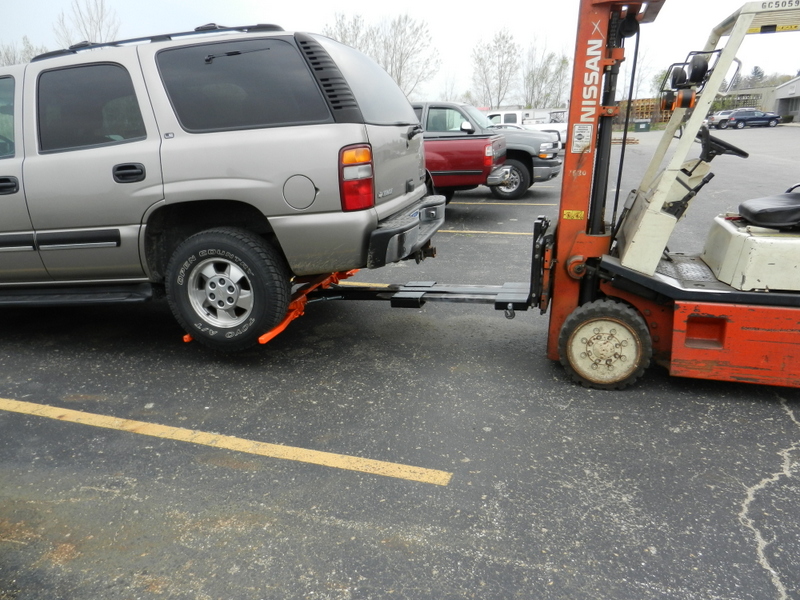
The best forklift for lifting a car is a high-capacity internal combustion pneumatic forklift equipped with specialized vehicle lifting attachments such as wheel lifts or tow bars, ensuring safe and balanced lifting of passenger vehicles.

is driving a forklift like driving a car

Is Driving a Forklift Like Driving a Car?

Driving a forklift is not like driving a car. While both use basic controls such as a steering wheel, accelerator, and brake, forklifts operate under completely different physics, safety rules, and load-handling requirements.

are forklifts heavier than cars

Are Forklifts Heavier Than Cars?

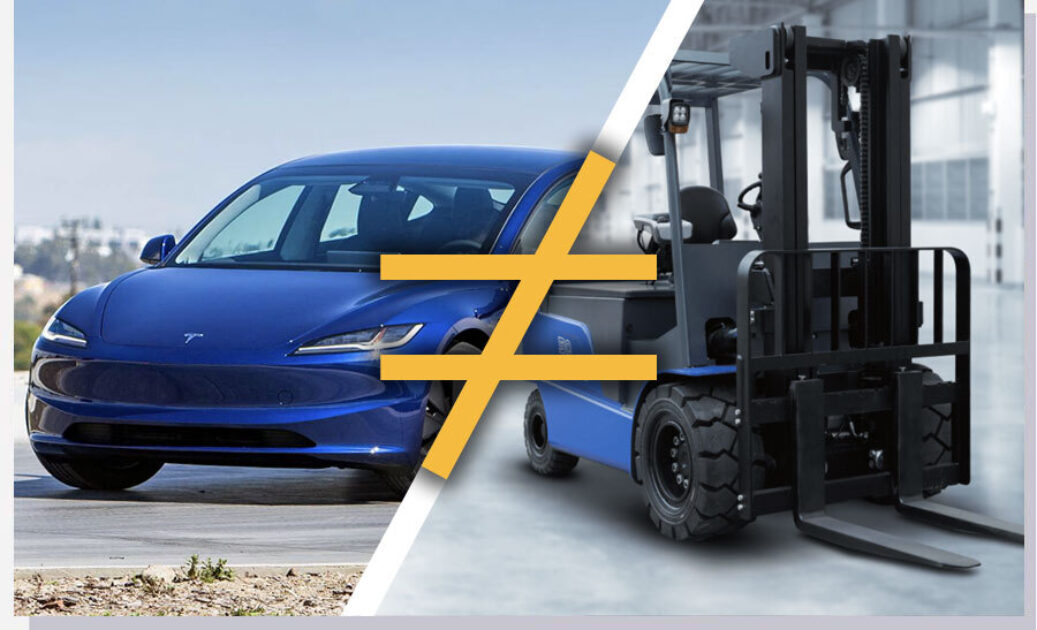
Quick Answer: A typical forklift weighs around 7,000–15,000 lbs, while most passenger cars weigh 3,000–4,000 lbs, meaning forklifts are often 2–3 times heavier than cars.

In industrial environments, equipment such as forklifts must be extremely heavy to maintain balance when lifting loads. Companies like forklifts manufactured by modern providers ensure that stability and safety are prioritized through engineered weight distribution systems.

Why Forklifts Are Heavier Than Cars

Forklifts are designed for industrial lifting, not transportation. Unlike cars, which are optimized for speed, fuel efficiency, and passenger comfort, forklifts are built to handle extreme loads safely without tipping over.

The major reason forklifts are heavier is the need for stability. When lifting thousands of pounds at the front forks, the machine must counterbalance that force with its own weight at the rear.

Modern forklifts use built-in steel counterweights that significantly increase total machine mass. Without this added weight, lifting operations would be unsafe and unstable.

Forklift vs Car Weight Comparison

Vehicle Type Average Weight Main Purpose
Passenger Car 3,000 – 4,000 lbs Transportation of people
Light Forklift 5,000 – 7,000 lbs Small warehouse lifting
Standard Forklift 7,000 – 12,000 lbs Industrial warehouse operations
Heavy Forklift 12,000 – 20,000+ lbs Port and heavy logistics

Main Reasons Forklifts Are So Heavy

1. Counterweights

Counterweights are the most important factor in forklift design. These heavy metal blocks balance the load being lifted at the front of the machine. Without them, forklifts would tip forward during operation.

2. Reinforced Steel Frame

Forklifts are constructed using thick steel frames that can withstand continuous heavy lifting cycles. This structural reinforcement adds significant weight compared to passenger vehicles.

3. Industrial Batteries or Engines

Electric forklifts use large industrial batteries that can weigh hundreds or even thousands of pounds. Internal combustion forklifts use heavy engines and fuel systems that also contribute to total mass.

How Heavy Is a Forklift Truck?

The weight of a forklift truck depends on its class and application. Small warehouse forklifts may weigh around 5,000 lbs, while larger industrial machines can exceed 20,000 lbs depending on lift capacity.

This variation ensures that each forklift is properly balanced for its intended lifting tasks.

Important Note: The heavier the forklift, the higher its lifting capacity is generally, because weight contributes directly to counterbalance stability.

Safety Implications of Forklift Weight

The heavy design of forklifts is not accidental—it is essential for safety. Without sufficient weight, forklifts would be unable to lift heavy pallets without tipping forward.

This is why operators must always respect load limits. Even heavy machines can become unstable if overloaded or improperly used.

Professional-grade forklifts are engineered with precise weight distribution systems to ensure safe operation under varying load conditions.

Step-by-Step: Why Weight Matters in Forklifts

  1. Identify load weight: Determine how heavy the cargo is before lifting.
  2. Check forklift capacity: Ensure the machine can handle the load safely.
  3. Understand counterbalance: Recognize how machine weight stabilizes lifting.
  4. Maintain stability: Keep loads close to mast to reduce tipping risk.
  5. Operate safely: Avoid sudden turns or uneven surfaces.

Do Heavier Forklifts Mean Better Performance?

Not always. While heavier forklifts generally provide more stability and lifting power, efficiency, maneuverability, and energy consumption must also be considered. The best forklift is one that matches the application rather than simply being the heaviest.

Conclusion

Yes, forklifts are significantly heavier than cars due to their industrial design requirements. Their weight comes from counterweights, reinforced frames, and heavy power systems that allow them to safely lift and transport heavy loads.

Understanding the weight difference helps operators appreciate the engineering behind machines like forklifts, which are designed specifically for stability and safety in demanding industrial environments.

is there any forklift inspection requirements for massachusetts

Is there any forklift inspection requirements for massachusetts

Operating a forklift in Massachusetts requires strict compliance with OSHA-mandated inspection requirements, including daily pre-shift checks and periodic maintenance under 29 CFR 1910.178. Every forklift must be inspected before each shift, covering brakes, steering, tires, forks, safety devices, and fluid levels, with all findings documented on dated checklists. Any defective equipment must be taken out of service until repaired. Employers must also maintain detailed inspection and repair records for at least one year. Lithium-ion forklifts require additional checks on battery management systems and charging equipment. Operator training and certification are mandatory, with refresher training every three years. Non-compliance can result in OSHA fines exceeding $150,000 per violation, lawsuits, and increased insurance costs. Implementing digital inspection logs, designating a safety coordinator, and using reliable equipment like the Liftron DL SERIES lithium-ion forklift with built-in self-diagnostics can streamline compliance. Partnering with trusted suppliers such as Liftron Material Handling helps ensure adherence to Massachusetts regulations and fosters a safer workplace.

how to conduct a complete osha forklift inspection

How to conduct a complete osha forklift inspection

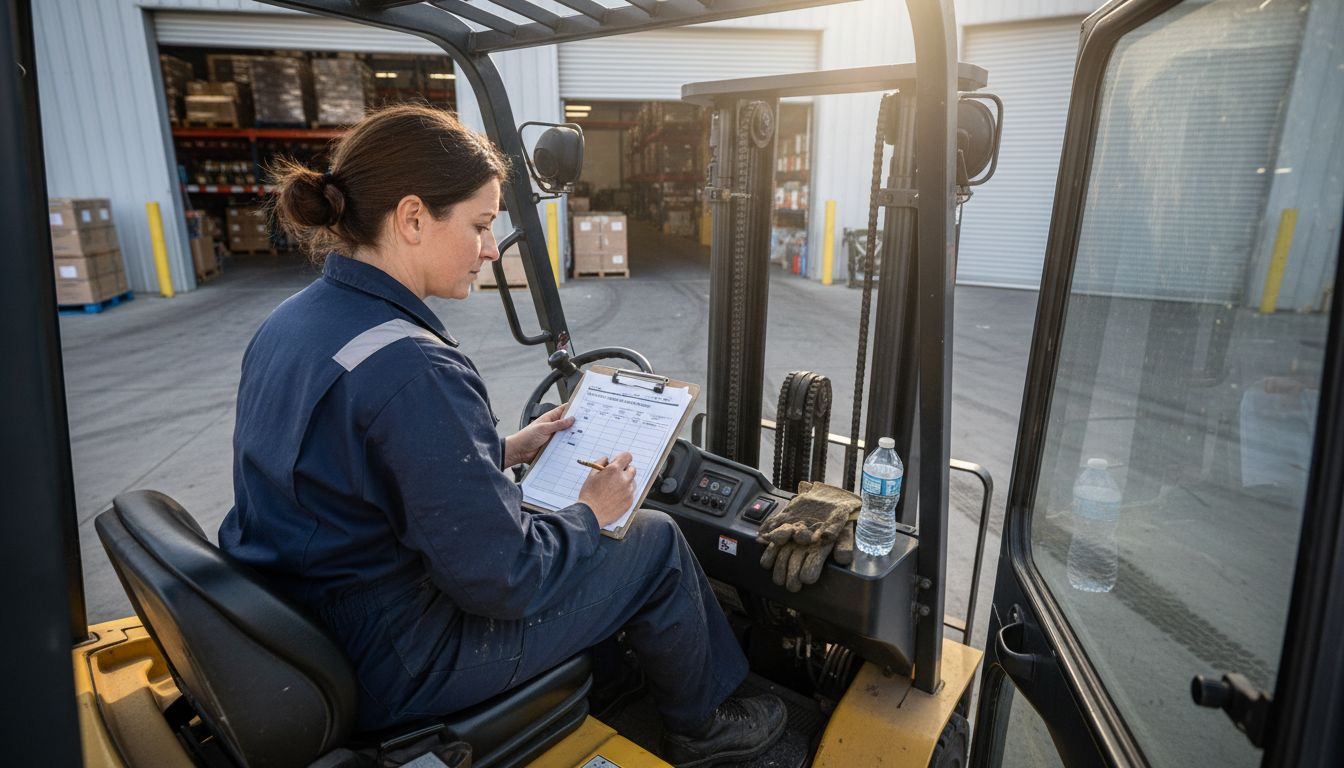
OSHA requires a complete forklift inspection before every shift to ensure safety, prevent accidents, and maintain compliance. This guide walks through the entire process, starting with pre-operational checks of fluid levels, tires, forks, mast chains, safety devices, and controls. After starting the forklift, operational tests verify brakes, steering, hoist, tilt, and attachments function properly. Any defects found—such as hydraulic leaks, worn tires, cracked forks, or faulty alarms—must be documented and the forklift taken out of service until repaired. Proper recordkeeping is essential, with inspection logs stored for at least one year. Following a standardized checklist and training operators on model-specific inspections helps streamline the process and reduce downtime. A thorough daily inspection protects workers, extends equipment life, and keeps operations compliant with OSHA 1910.178(q)(7).

where to find inspectable used forklifts in ohio

Where to find inspectable used forklifts in ohio

Discover how to find and evaluate high-quality inspectable used forklifts in Ohio with this practical guide. Whether you’re expanding a warehouse in Columbus or managing a distribution center near Cleveland, buying pre-owned equipment from trusted sources like Liftron Material Handling can boost efficiency and cut costs. Learn why inspectable units matter for transparency and safety, and explore top sourcing options including authorized dealers, online marketplaces with local pickup, and Ohio auction houses. Get a detailed inspection checklist covering structural components, powertrain, hydraulics, and batteries—including advanced lithium-ion models like the Liftron DL Series. Popular brands such as Toyota, Crown, Hyster, and Yale are compared for typical applications. Local buying advantages include shorter delivery, service support, and warranties. Confirm inspection readiness with third-party checks and certification reports. Use these tips to secure a reliable used forklift that meets Ohio’s industrial demands.

how long do you have to keep forklift inspection records

How long do you have to keep forklift inspection records

Forklift inspection records must be retained for at least one year per OSHA standard 29 CFR 1910.178(q)(7), but industry best practices recommend keeping them for three years or more to ensure full compliance, safety, and operational efficiency. Proper record-keeping serves as legal proof of regular equipment checks, protecting businesses from liability, fines, and warranty disputes. Records should include date, operator name, forklift model, checklist items, defects, corrective actions, and outcomes. While paper logs are acceptable, digital records offer easier storage and retrieval. Failing to retain records risks OSHA fines, increased accident liability, audit difficulties, and voided warranties. To maximize protection, align with local regulations like California’s stricter Cal/OSHA requirements and consider using modern equipment with built-in telemetry for seamless digital record-keeping. Following these guidelines helps ensure worker safety, extend equipment life, and safeguard your business from unnecessary legal and financial risk.

Back to Top
Product has been added to your cart