What Sound Bar Comes on a Denago Golf Cart?
Denago golf carts can use roof-mounted plug-and-play audio systems, but the exact soundbar supplied may vary by model, dealer package, and model year.

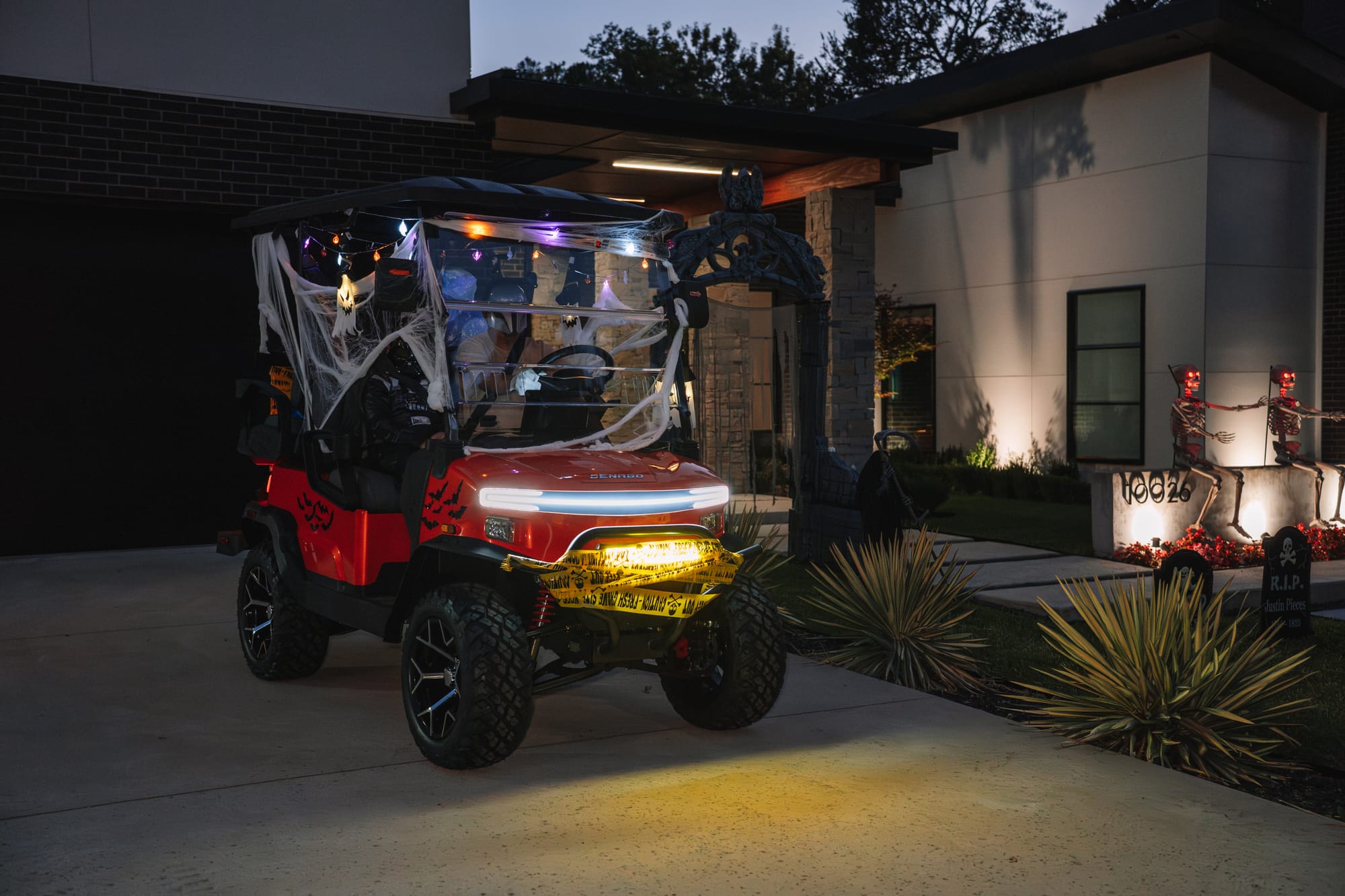
Denago golf carts can use roof-mounted plug-and-play audio systems, but the exact soundbar supplied may vary by model, dealer package, and model year.
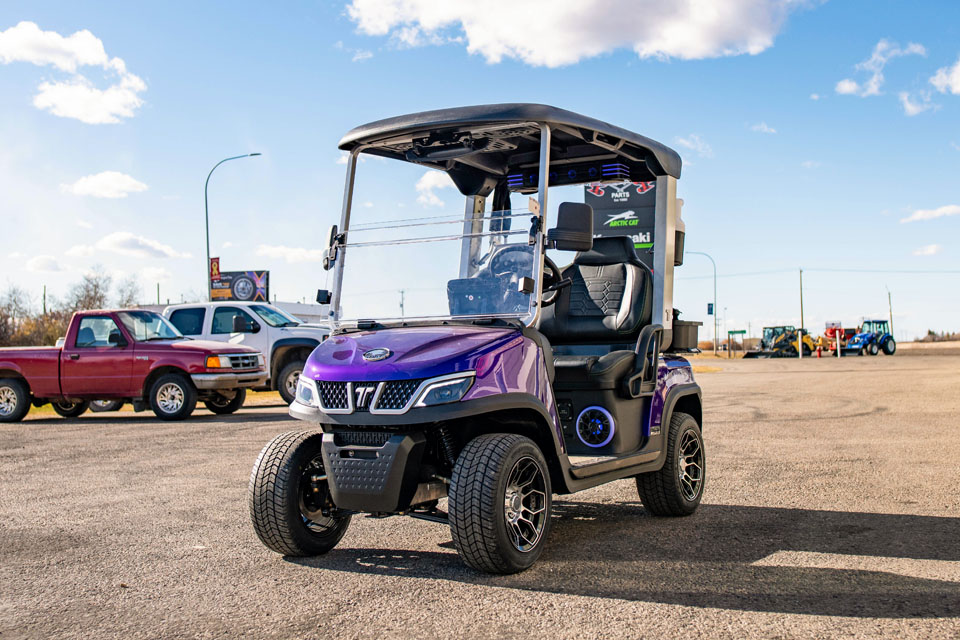
LSV golf carts are made by several established electric vehicle brands, offering compact transportation for neighborhoods, resorts, and local trips.
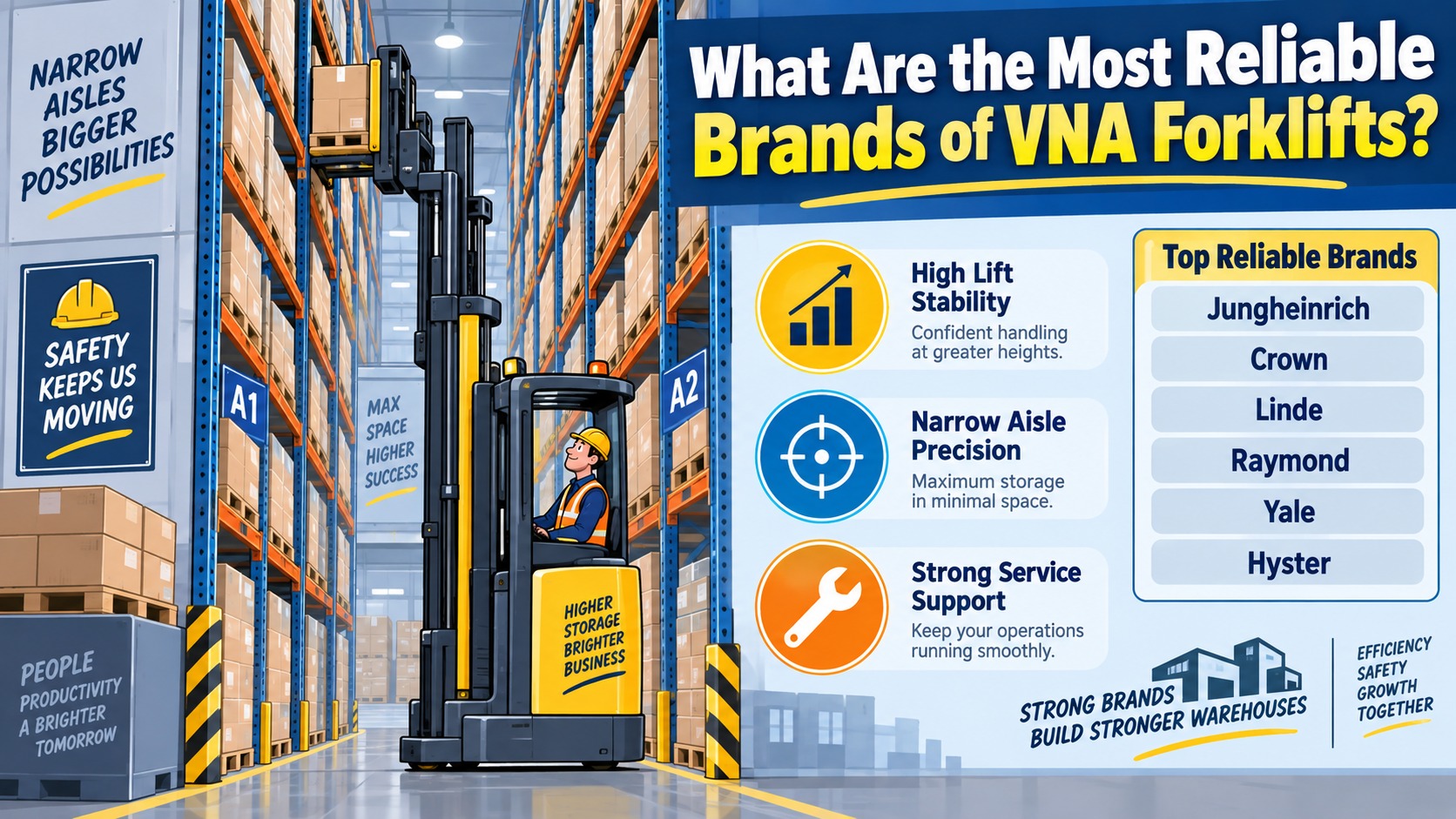
Reliable VNA forklifts combine high-lift stability, precise guidance, strong service support, and durable components for demanding high-density warehouses.
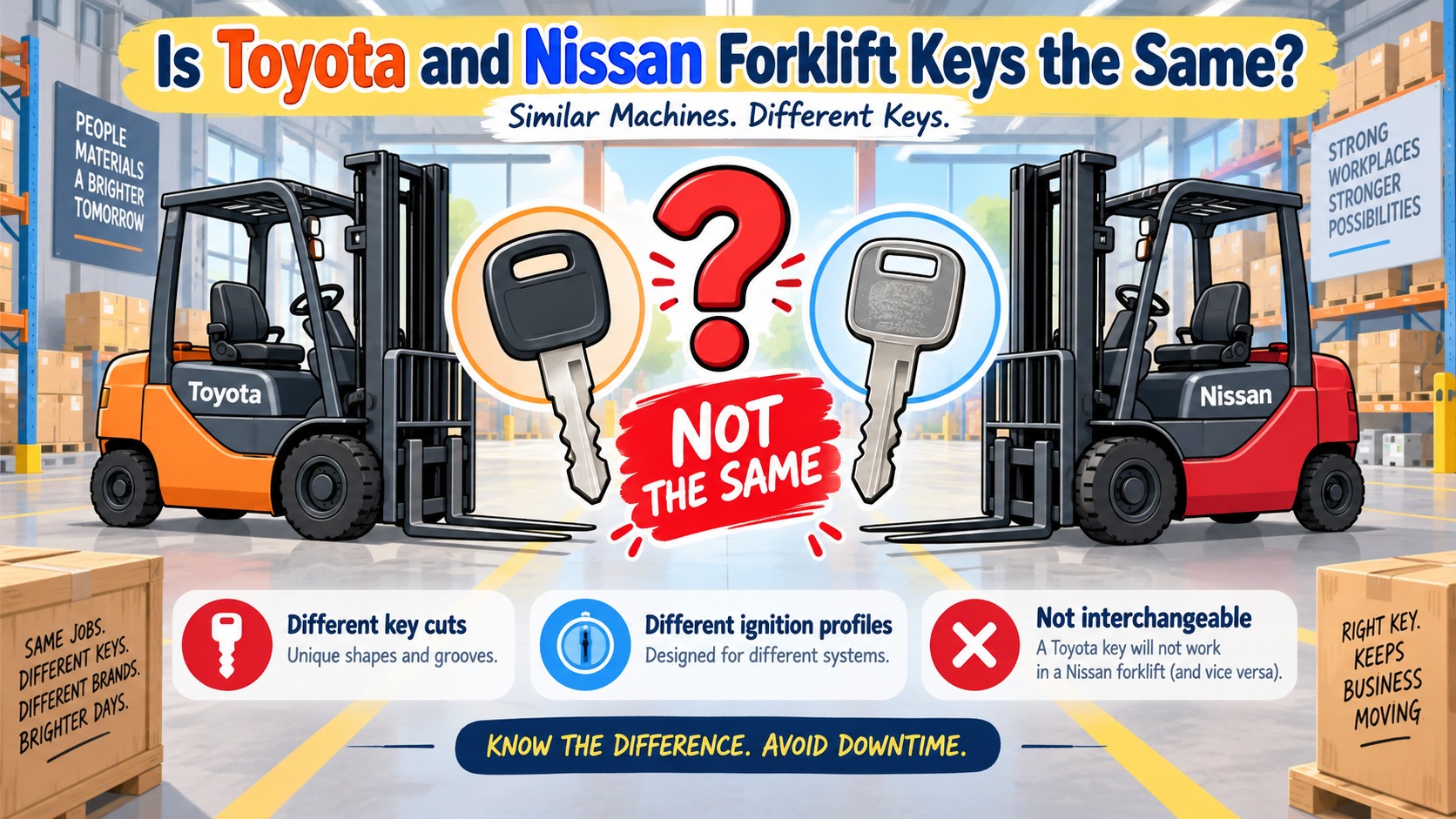
No, Toyota and Nissan forklift keys are generally not the same. Their ignition key cuts, profiles, and switch designs are usually different.
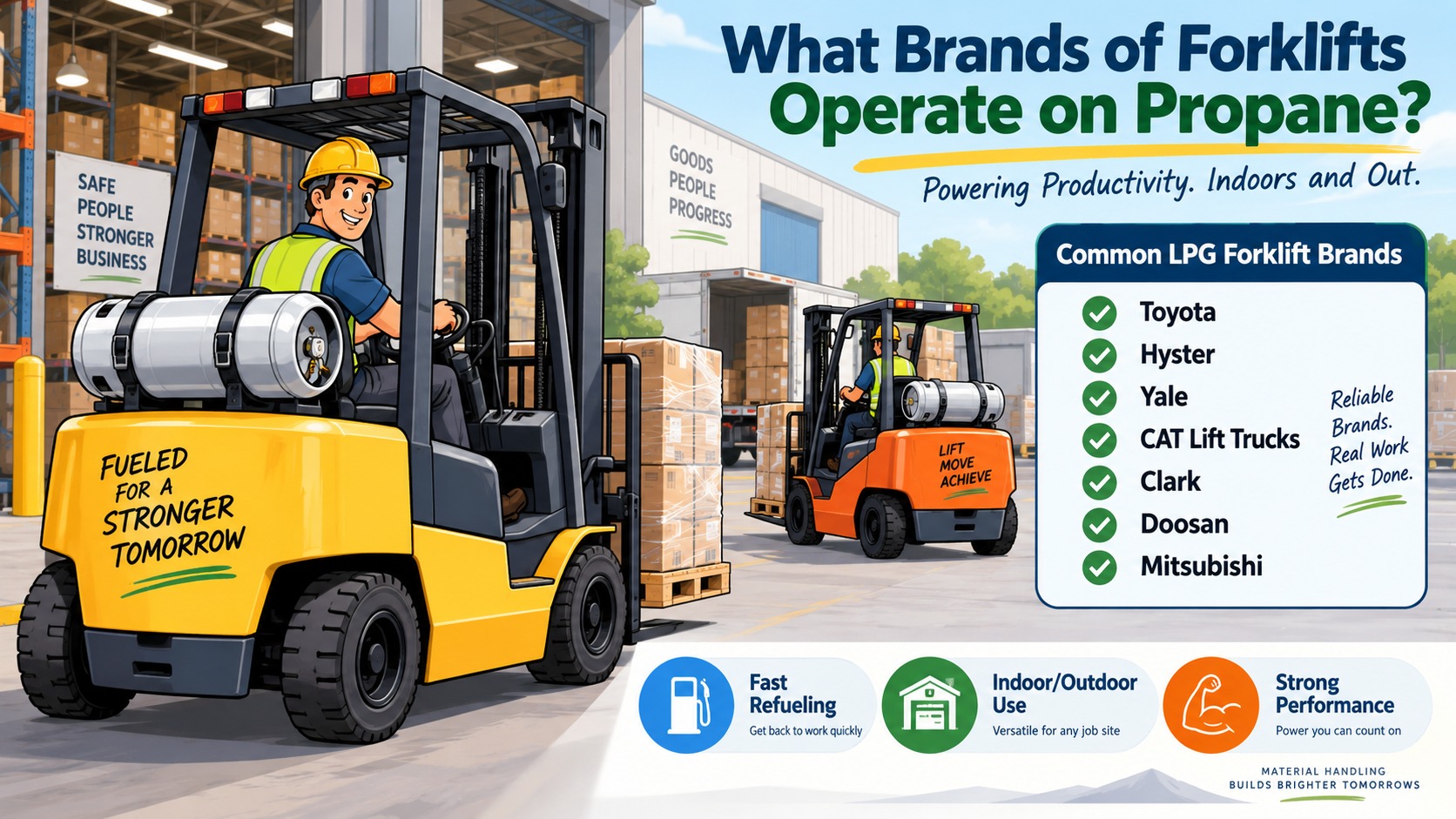
Many major forklift brands offer LPG-powered models, giving warehouses and outdoor operations a practical alternative to diesel, gasoline, or electric power.
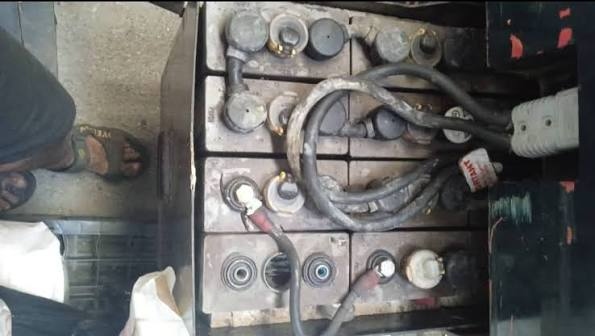
Learn how to safely recondition electric forklift batteries to extend lifespan, cut downtime, and save thousands in replacement costs. This guide covers step-by-step procedures—from load testing and equalization charges to electrolyte adjustments—plus essential safety gear like acid-resistant PPE and hydrogen gas precautions. Discover when reconditioning makes financial sense with a cost comparison of $150–$300 versus $2,000–$6,000 for new batteries, and see how modern alternatives like lithium-ion systems offer maintenance-free operation. Avoid common mistakes like tap water use or over-equalizing, and follow post-conditioning tips to maximize battery life. Ideal for fleet managers and technicians, the content balances practical maintenance with strategic upgrading advice.
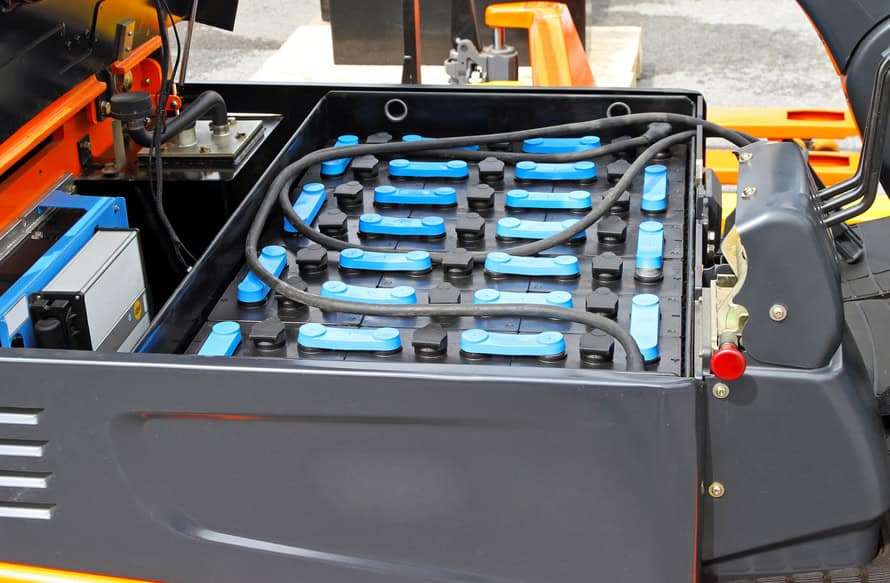
Learn the safe, step-by-step process for raising specific gravity in a forklift battery to boost performance and extend lifespan. This guide explains why specific gravity drops—from overwatering and sulfation to stratification—and offers proven methods to restore electrolyte balance. Discover when to charge, equalize, top up with distilled water, and add acid solution correctly, while avoiding common mistakes like using tap water or adding acid to a discharged battery. Includes preventive maintenance tips and a clear checklist to determine if a battery can be saved or needs replacement. Ideal for warehouse managers and technicians seeking reliable power and reduced downtime, with mention of modern lithium-ion alternatives that eliminate electrolyte upkeep entirely.
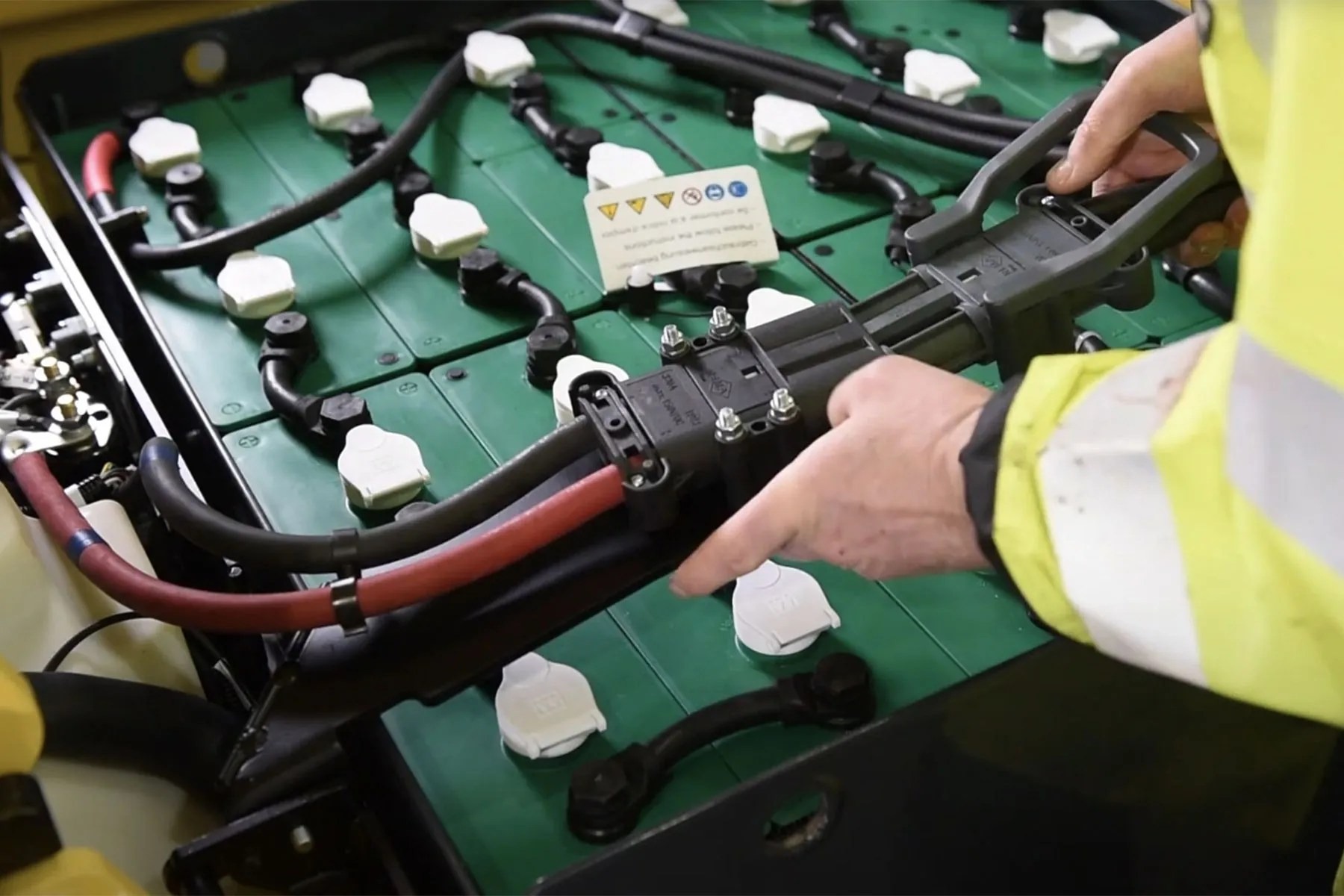
Learn how to safely raise specific gravity in forklift batteries by understanding when electrolyte correction is truly needed versus simply recharging. This guide covers step-by-step procedures for testing specific gravity with a hydrometer, preparing the correct sulfuric acid solution, and avoiding common mistakes like adding acid to a discharged battery or overfilling cells. It also explains preventive maintenance practices, including the use of distilled water and proper charging habits, to maintain optimal electrolyte density. For operations seeking to eliminate electrolyte management entirely, alternative lithium-ion solutions are highlighted. Ideal for warehouse managers and maintenance teams aiming to extend battery life, reduce downtime, and lower overall ownership costs through informed care or modernization.
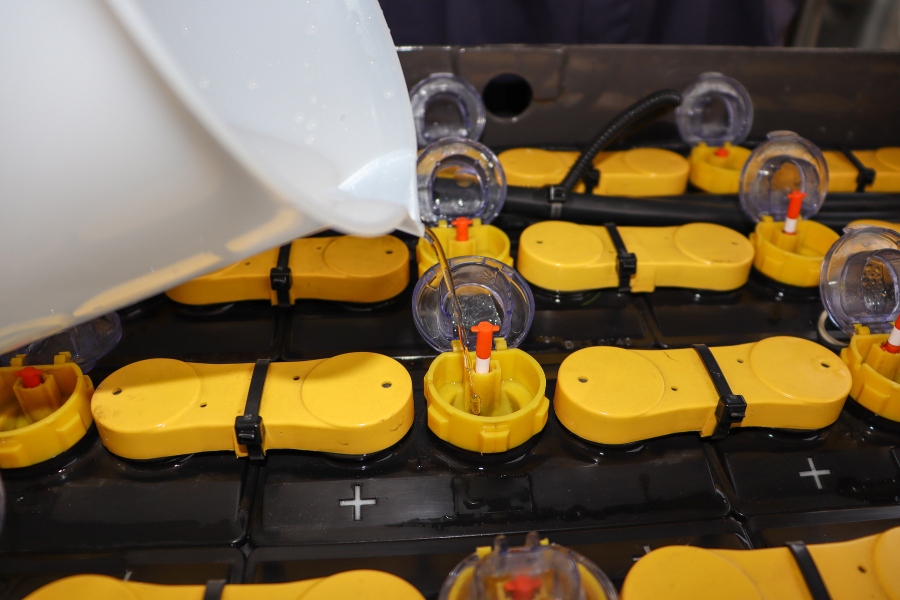
Properly watering a wet cell forklift battery is essential to prevent plate damage, extend battery life, and ensure safe operation. This guide covers the exact steps, safety precautions, and water quality requirements—emphasizing distilled or deionized water only and checking levels after charging and resting. Avoid common mistakes like overfilling, watering before charge, or using tap water. Knowing the correct electrolyte level, typically just above plates but below the filler tube, helps maintain performance. For those seeking to eliminate these maintenance chores, the Liftron DL SERIES offers a sealed, lithium-ion alternative that requires no watering, no acid handling, and delivers consistent power output. With proper care, wet cell batteries can serve reliably; however, transitioning to maintenance-free lithium technology can reduce downtime and long-term costs. Follow these best practices for safe, efficient battery upkeep or explore modern upgrades for a hassle-free solution.
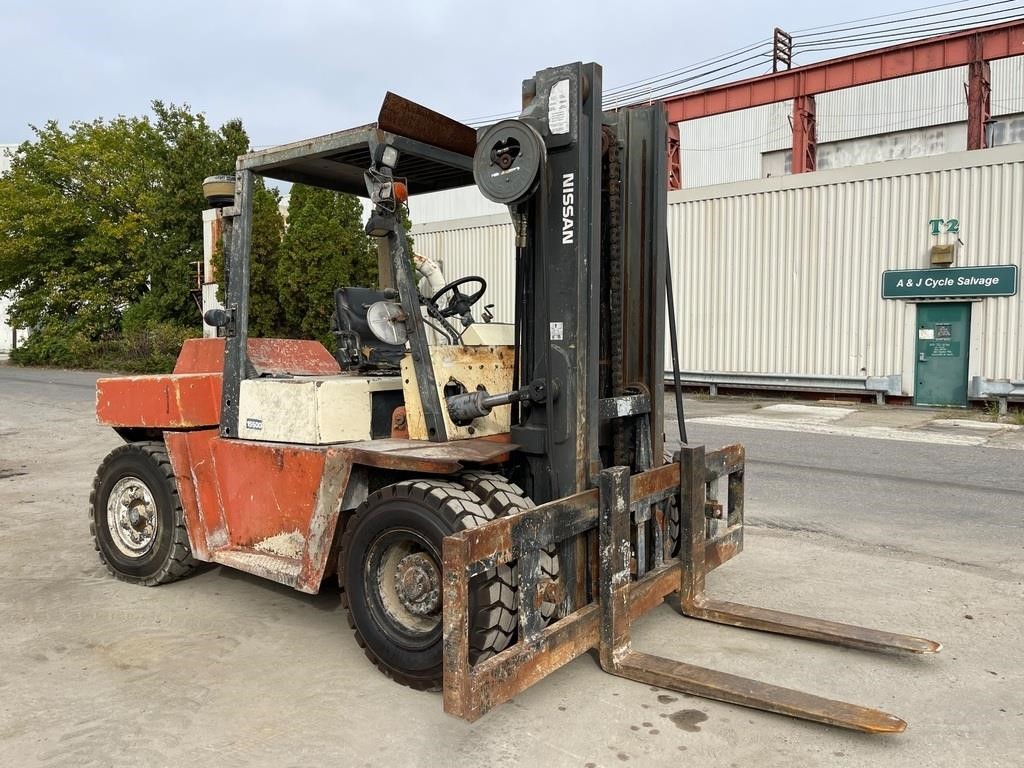
Determining the fair market value of a used forklift depends on a systematic evaluation of age, operating hours, condition, brand reputation, and current market demand. Hours of use often outweigh calendar age, with heavily used units facing steeper depreciation. Documented maintenance history can boost value by 10-20%, while leading brands like Toyota and Yale retain resale strength. Valuation methods include comparative market analysis, depreciation formulas, replacement cost, and professional dealer appraisals. Attachments and battery health significantly impact price, especially for modern lithium-ion models which can command a premium. Avoid emotional overpricing and align asking prices with objective data and regional market trends. Whether buying, selling, or trading, combining thorough mechanical inspection with current listings ensures a fair, transparent transaction that maximizes return and minimizes risk.