
How often should you change hydraulic fluid on a forklift
Hydraulic fluid is the lifeblood of your forklift’s lifting system, and knowing when to change it directly impacts performance, safety, and maintenance costs. For most standard operations, experts recommend replacing hydraulic fluid every 1,000 to 2,000 hours of use or at least once annually, but specific conditions—such as heavy loads, dusty environments, or the type of fluid used—can shift this timeline.
Why Hydraulic Fluid Matters
Hydraulic fluid transmits power, lubricates moving parts, and dissipates heat within the forklift’s hydraulic system. Over time, it degrades due to thermal breakdown, contamination from dust or moisture, and chemical oxidation. Dirty or degraded fluid causes sluggish lifting, erratic steering, and increased wear on pumps, valves, and cylinders. Regular changes prevent costly repairs and downtime.
General Guidelines for Change Intervals
Manufacturer Recommendations
Every forklift model has a specific service schedule. For instance, internal combustion (IC) forklifts often require fluid changes every 1,000 hours, while electric models—especially modern lithium-ion units—may stretch to 2,000 hours. Always check your owner’s manual first.
Operating Environment
Forklifts in clean warehouses can often go longer between changes than those in dusty, wet, or extreme-temperature settings. High humidity introduces water contamination, while abrasive dust accelerates fluid breakdown. In harsh conditions, consider cutting the interval in half.
Fluid Type and Quality
Standard mineral-based hydraulic oil typically lasts 1,000–1,500 hours. Synthetic fluids resist oxidation better and can extend service life to 2,000–3,000 hours. If you use premium fluids, you may reduce change frequency, but always verify with the supplier.
Signs That Your Hydraulic Fluid Needs Changing
- Discoloration: Milky, dark, or burnt-smelling fluid indicates contamination or oxidation.
- Foaming: Air bubbles reduce hydraulic pressure and suggest moisture or incorrect viscosity.
- Sluggish Operation: Slow lifting or uneven movement often signals degraded fluid.
- Unusual Noises: Pump whining or knocking can result from cavitation caused by thick or aerated fluid.
- Visible Particles: Metal flakes or sludge in the fluid or filter indicate excessive wear.
How to Check Hydraulic Fluid Condition
Perform a simple visual and sensory inspection every 250–500 hours. Use the dipstick to check level and color. Rub a small sample between your fingers—gritty texture means contamination. A drop test on white paper reveals water content if it spreads unevenly. For accurate analysis, send samples to a lab annually or when symptoms appear.
Step-by-Step Fluid Change Process
- Secure the forklift: Park on level ground, lower the forks, turn off the engine, and engage the parking brake.
- Drain old fluid: Locate the hydraulic tank drain plug (often near the bottom). Place a container underneath and remove the plug. Allow all fluid to drain.
- Replace filters: Remove and discard the hydraulic filter(s). Install new ones of the same specification.
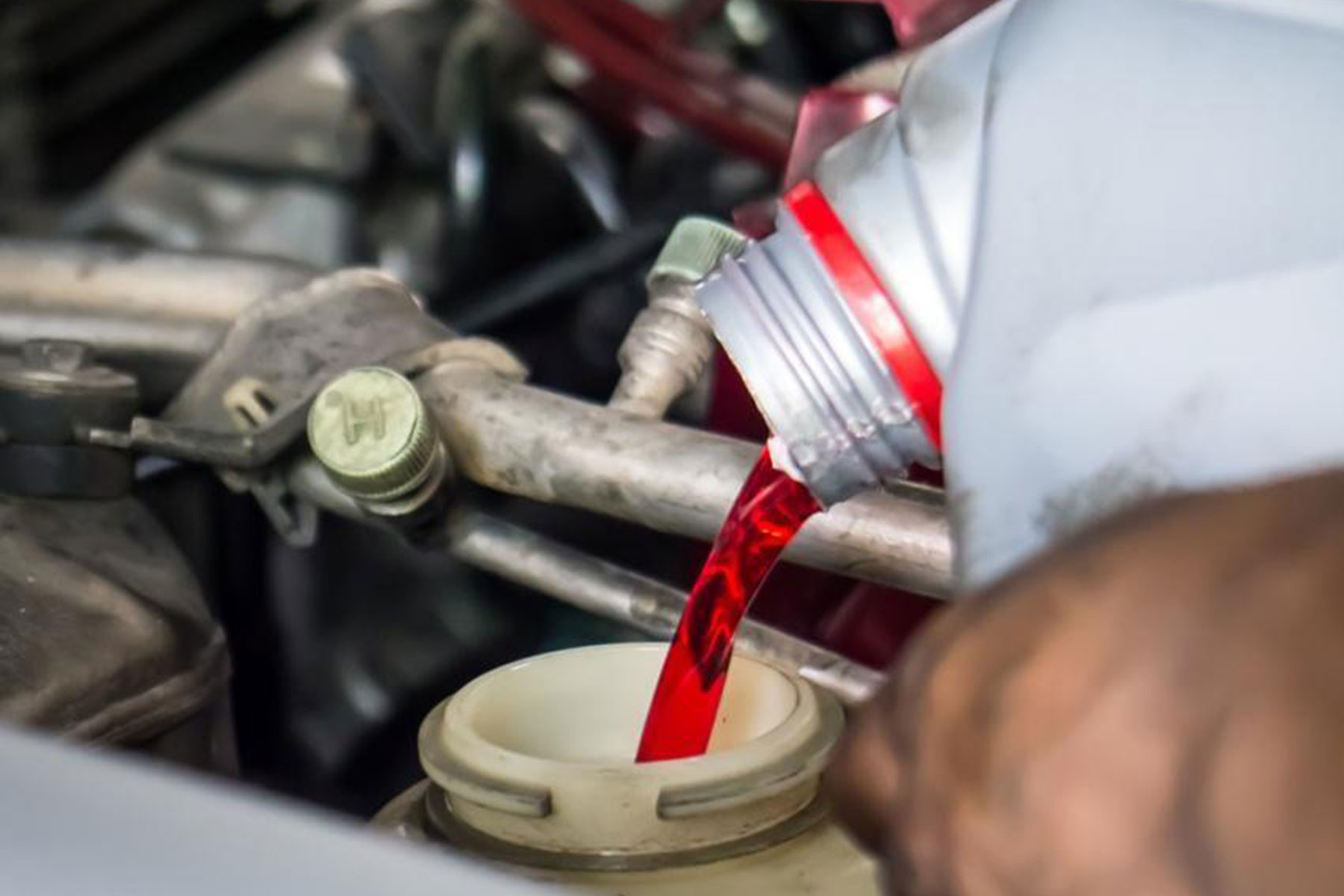
- Refill with fresh fluid: Use the type and viscosity recommended in your manual. Pour slowly to avoid air entrainment. Fill to the “full” mark on the dipstick.
- Bleed air: Start the engine and cycle the lift and tilt functions several times without full load. Check for leaks and recheck fluid level, topping off as needed.
- Dispose responsibly: Recycle used hydraulic fluid at a certified collection center.
Impact of Lithium-Ion Technology on Hydraulic Fluid Life
Electric forklifts with lithium-ion batteries, such as the Liftron DL SERIES, run cleaner and cooler than IC models. This reduces heat exposure to hydraulic fluid, potentially extending change intervals. However, these forklifts still require periodic fluid monitoring because the hydraulic system operates independently of the battery. For best results, follow the same 1,500–2,000 hour baseline for lithium-ion electric models unless the manual states otherwise.
Benefits of Sticking to a Regular Schedule
- Extended component life: Clean fluid reduces wear on pumps, valves, and seals.
- Better energy efficiency: Proper viscosity minimizes energy loss in hydraulic circuits.
- Reduced downtime: Preventative changes cost far less than emergency repairs.
- Improved safety: Reliable hydraulics reduce operator risk during lifting.
Common Mistakes to Avoid
| Mistake | Consequence |
|---|---|
| Mixing different fluid brands or types | Chemical incompatibility, foaming, seal damage |
| Overfilling the reservoir | Oil leaks, overheating, and reduced efficiency |
| Ignoring filter replacement | Contaminated fluid circulation, accelerated wear |
| Using wrong viscosity grade | Poor lubrication, increased power consumption |
| Neglecting to check after changes | Air pockets cause intermittent performance |
When to Consult a Professional
If you notice persistent contamination, water in the fluid, or metal particles despite regular changes, internal system damage may exist. Have the hydraulic system inspected by a qualified technician. For fleet management, consider scheduling services through a trusted provider like Liftron Material Handling, which offers comprehensive maintenance plans and genuine parts for every major forklift brand.
Conclusion
While a general rule of thumb suggests changing hydraulic fluid every 1,000–2,000 hours or annually, your specific forklift model, operating conditions, and fluid quality ultimately determine the best interval. Regular monitoring—through visual checks, filter inspections, and periodic lab analysis—keeps your hydraulic system healthy. Adopting a proactive schedule not only saves money on repairs but also ensures your forklift performs safely and efficiently day after day.




Add a review
Your email address will not be published. Required fields are marked *