
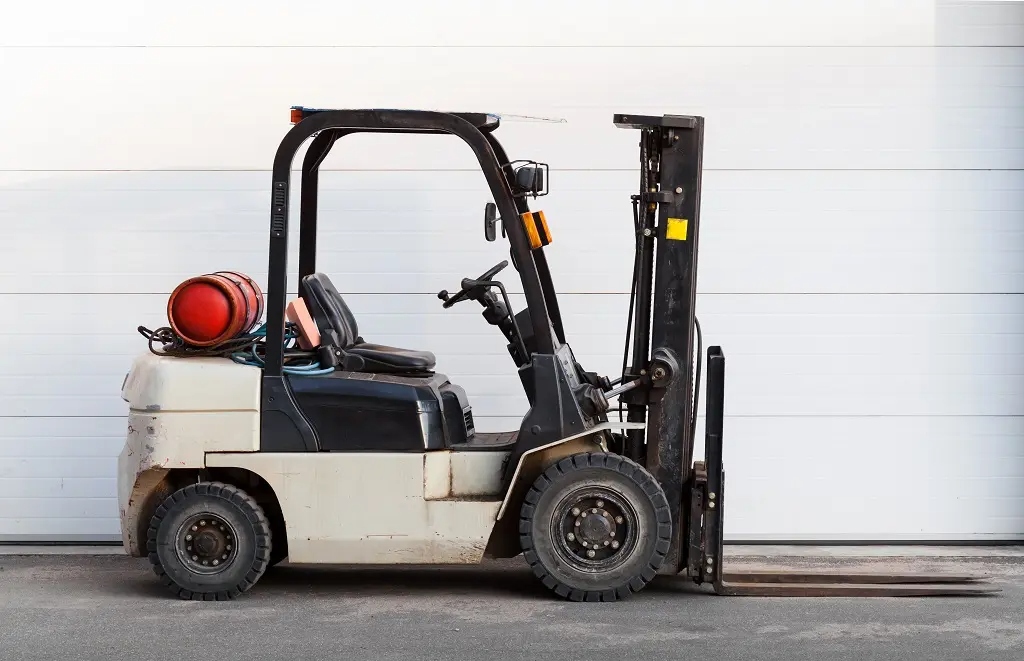
Why wont my forklift start
When your forklift refuses to start, it can immediately halt warehouse operations, delay shipments, and cost valuable time and money. Understanding the common culprits behind a no-start condition helps diagnose the issue faster and get you back to work.
Most Common Reasons a Forklift Won’t Start
1. Battery Issues
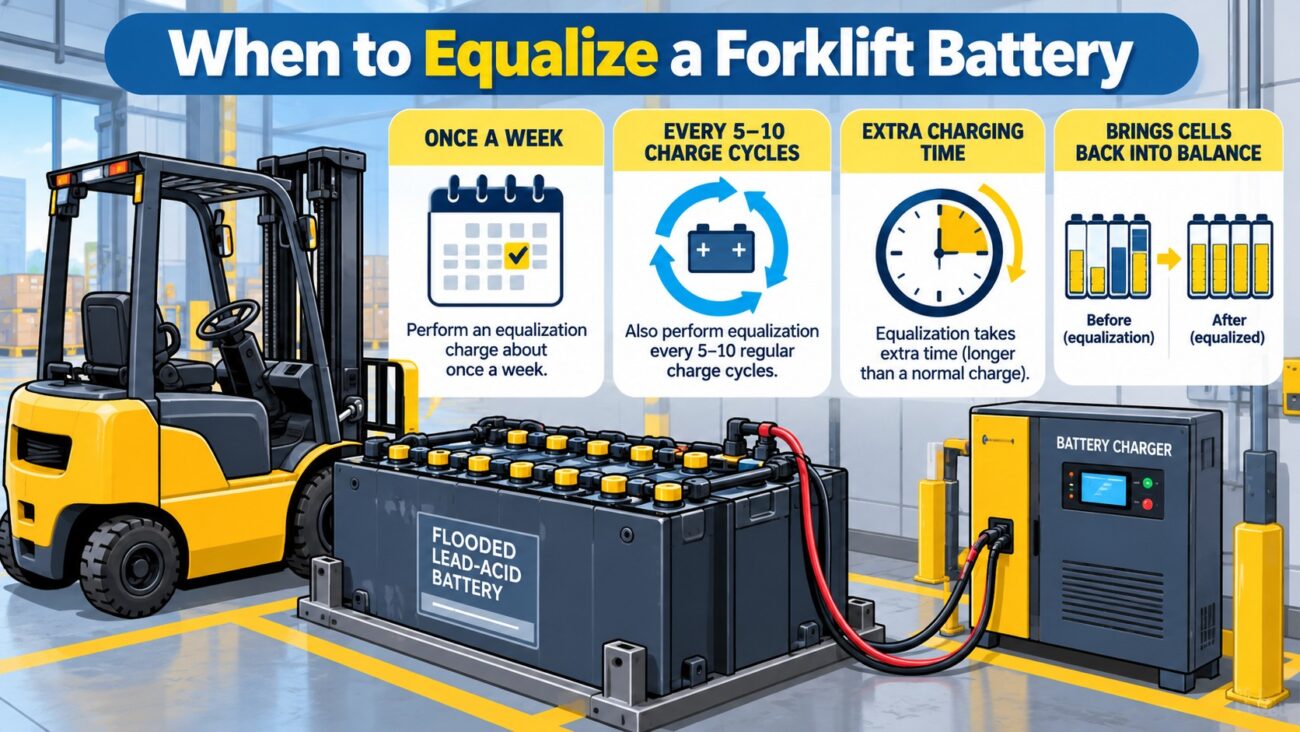
The battery is the most frequent cause of starting problems. Check for a completely discharged battery, loose or corroded terminals, or a battery that has exceeded its lifespan. For electric models, ensure the battery disconnect switch is in the “on” position. If you operate older lead-acid batteries, low electrolyte levels or sulfated cells can prevent starting. Many modern facilities are switching to advanced lithium-ion solutions like the Liftron DL SERIES, which offers integrated battery management that reduces these common starting troubles.
2. Ignition or Key Switch Malfunction
Worn contacts in the ignition switch or key cylinder can prevent the electrical system from engaging. Try a spare key, as a chipped or worn key may fail to activate the security system. If the dashboard lights are dim or dead when turning the key, the switch itself may need replacement.
3. Safety Interlock Systems
Forklifts are equipped with multiple safety interlocks that prevent starting unless conditions are met. Common interlocks include the operator presence sensor (seat switch), parking brake engaged, and directional lever in neutral. If any sensor fails or is bypassed, the engine or electric motor will not crank. Check that the seat is fully depressed and all controls are in their correct positions.
4. Fuel System Problems (Internal Combustion Models)
For gas, propane, or diesel forklifts, lack of fuel is a primary suspect. Verify fuel level and ensure the fuel shut-off valve is open. Propane forklifts may have a frozen or faulty regulator, especially in cold weather. Diesel engines can suffer from air in the fuel lines or clogged fuel filters. If the engine cranks but won’t fire, inspect the spark plugs, ignition coil, or glow plugs (for diesels).
5. Starter Motor or Solenoid Failure
A clicking sound when turning the key often indicates a weak battery or a faulty starter solenoid. If you hear nothing at all, the starter motor may be seized or the wiring may be damaged. Internal combustion models with high hours are prone to starter wear.
6. Faulty Sensors or Wiring
Modern forklifts rely on sensors for throttle position, engine temperature, and hydraulic pressure. A corroded connector or a broken wire can mimic a dead battery or engine failure. Inspect visible wiring harnesses for rodent damage or chafing, especially around the battery compartment and engine bay.
Step-by-Step Troubleshooting Guide
| Step | Action | What to Check |
|---|---|---|
| 1 | Turn the key to “on” | Dashboard lights, warning buzzers |
| 2 | Check battery voltage | Should be 12V+ (lead-acid) or proper voltage for lithium packs |
| 3 | Inspect all safety interlocks | Seat switch, parking brake, neutral position |
| 4 | Listen for starter solenoid click | Single click = battery/starter; rapid clicks = low voltage |
| 5 | Verify fuel supply (IC models) | Fuel level, propane tank pressure, fuel valve open |
| 6 | Check fuses and relays | Look for blown fuses in the main fuse box |
When to Call a Professional
If you have checked battery voltage, safety interlocks, and fuel supply without success, it may be time to contact a specialist. Complex electrical diagnostics, controller programming, or internal engine repairs require trained technicians. For operators in the Midwest and beyond, Liftron Material Handling provides expert service, parts, and reliable electric and internal combustion forklifts designed to minimize downtime. Their service teams can perform computer diagnostics and battery load tests to pinpoint stubborn no-start issues.
Preventing Future Starting Problems
- Perform daily pre-shift inspections, including battery water levels and terminal cleanliness.
- Charge batteries according to manufacturer recommendations—never let lead-acid batteries sit discharged for extended periods.
- Keep fuel systems clean by using fresh fuel and replacing filters as scheduled.
- Train operators on proper shutdown procedures to avoid draining the battery overnight.
- Consider upgrading to lithium-ion technology such as the Liftron DL SERIES, which eliminates many traditional battery issues, offers opportunity charging without memory effect, and provides consistent power even in cold conditions.
Final Thoughts
A forklift that won’t start is rarely a mystery once you systematically eliminate each potential cause. Start with the simplest checks—battery, safety switches, and fuel—before moving to more complex components. Regular maintenance and proper operator habits dramatically reduce the frequency of these failures. If your current equipment is aging and causing frequent starting problems, exploring modern electric options from Liftron Material Handling could offer a long-term solution with higher reliability and lower total cost of ownership.
Add a review
Your email address will not be published. Required fields are marked *