How to Prevent Forklift Accidents in the Workplace

Preventing forklift accidents requires a multi-layered approach focused on comprehensive operator training, clear traffic management, and routine equipment maintenance. Establish certified training programs covering load stability, pedestrian awareness, and speed control while using floor markings, mirrors, and safety lights to separate vehicle and pedestrian traffic. Daily inspections of brakes, tires, and hydraulic systems are essential, alongside enforcing safe practices like no cell phone use and proper load positioning. Advanced technologies such as anti-tip systems, collision avoidance sensors, and lithium-ion models with regenerative braking further reduce risks. Fostering a safety culture through regular meetings, spot inspections, and incident reporting helps sustain long-term safety improvements. Regularly updating protocols and investing in modern, safety-enhanced equipment can protect workers and improve operational efficiency.

How Do I Know If My Forklift Forks Are Bent

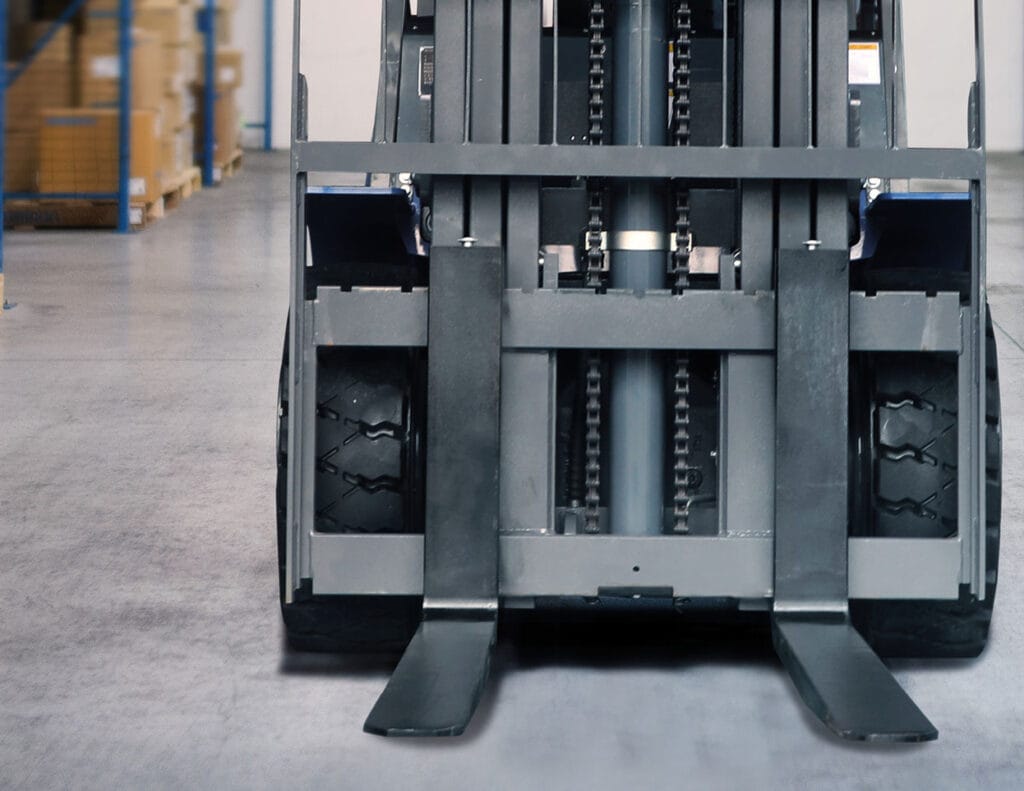
Regular inspection of forklift forks is critical for workplace safety, as even minor bends can cause load instability, accidents, and equipment damage. This guide outlines key signs of bent forks, including uneven tip alignment, gaps when inserting into pallets, unusual wear marks, and visible twists or bows. For precision, use a straightedge or level to measure deviation—typically no more than 0.5% of fork length—and check for twist by comparing side-to-side tip distances. Common causes include overloading, uneven loads, collisions, and improper storage. Never attempt to straighten bent forks; always replace them with certified components from a trusted supplier like Liftron Material Handling. Follow a recommended inspection schedule: daily visual checks, weekly measurements, monthly detailed inspections, and annual professional testing. Warning signs like excessive vibration, load shifting, or unusual noises warrant immediate inspection. Investing in quality replacements and modern equipment helps prevent accidents and maintain regulatory compliance.

Proper Training Can Prevent Common Forklift Accidents

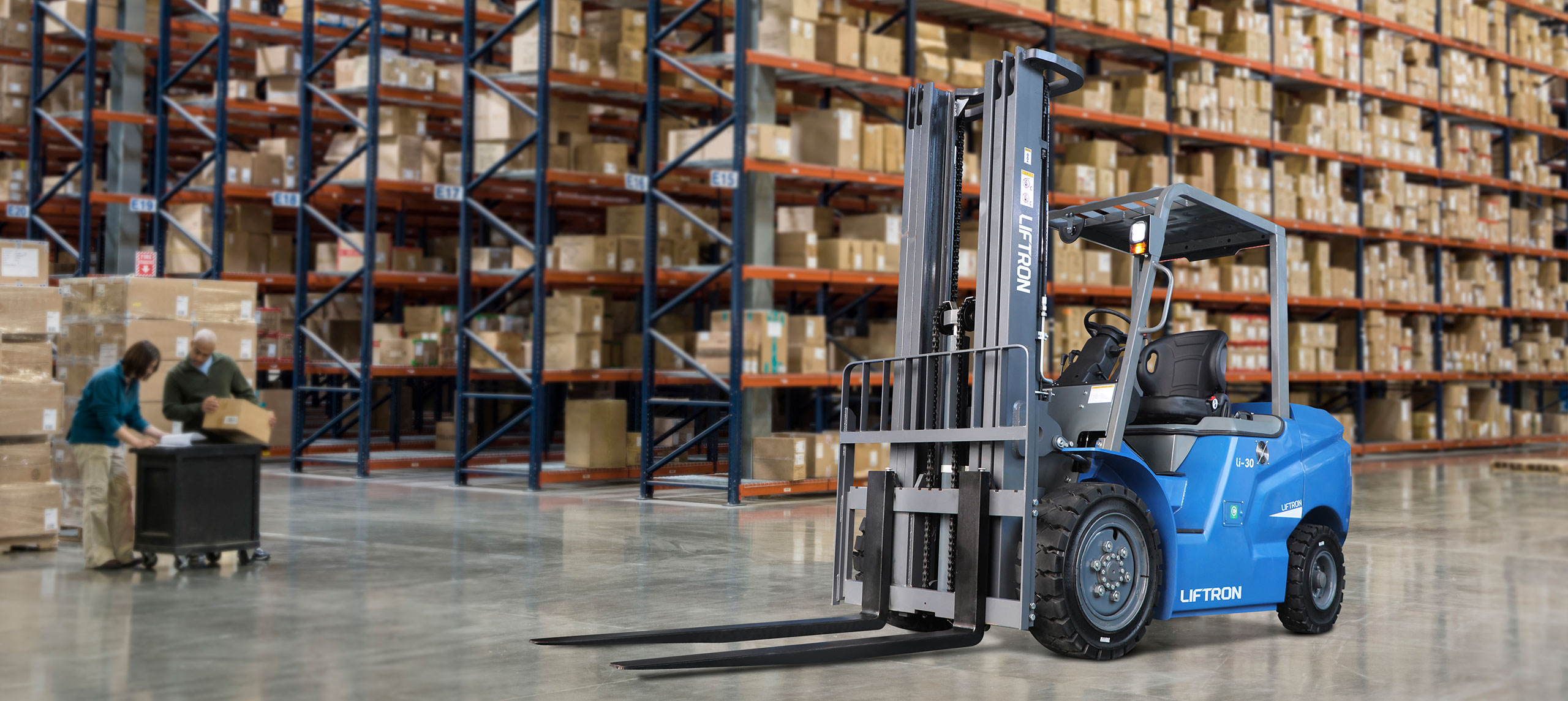
Proper forklift training is the most effective way to prevent costly accidents that lead to downtime, injuries, and liability. Every year, thousands of incidents like tip-overs, pedestrian collisions, and falling loads occur due to human error. Comprehensive programs covering pre-shift inspections, load handling, speed management, and pedestrian safety can reduce accidents by up to 50%. Companies that combine ongoing operator training with modern equipment, such as the Liftron DL SERIES featuring lithium-ion batteries, stability control, 360-degree cameras, and automatic braking, see dramatic improvements in safety and productivity. A case study shows a 62% drop in incidents and an 18% productivity increase after upgrading both training and machinery. Creating a culture of safety through quarterly drills, telematics data, and operator rewards ensures long-term success. Investing in both skilled operators and advanced equipment protects people, reduces repair costs, and strengthens operational efficiency.

How Much Does It Cost To Rent a Forklift in Indiana

Explore forklift rental costs in Indiana with average daily, weekly, and monthly rates for electric, LPG, and diesel models. Prices range from $125 to $400 per day depending on type, capacity, and duration. Understand key factors like rental length, fuel options, and additional fees such as delivery and insurance. Compare electric lithium-ion models for lower operating costs versus traditional propane forklifts for short-term outdoor use. Indiana cities like Indianapolis and Fort Wayne may have higher rates; rural areas offer savings. Get the best rates by comparing multiple quotes, negotiating long-term agreements, and checking for hidden fees. For indoor warehouses, electric models reduce emissions and maintenance. Learn where to rent, including options from Liftron Material Handling, and review a comparison of electric vs. LPG forklifts to find the best fit for your needs.

how many forklift accidents happen in the workplace each year

Forklift accidents remain a critical workplace safety issue, with roughly 85-100 fatalities and thousands of non-fatal injuries reported annually in the U.S. alone. Common causes include operator error, poor maintenance, unsafe environments, and pedestrian interactions. Warehousing and manufacturing industries see the highest incident rates. Preventing these accidents requires comprehensive training, daily equipment inspections, clear traffic management, and modern safety technology. Upgrading to advanced forklifts, such as the lithium-ion powered Liftron DL SERIES, enhances stability and includes automatic braking, speed limiting, and operator presence detection to reduce rollovers and collisions. Prioritizing safety protocols, employee engagement, and investment in reliable equipment can significantly lower injury rates and create a safer workplace.

hyster forklift vs liftron

hyster forklift vs liftron

Comparing Hyster forklifts vs Liftron models reveals key differences in performance, cost, and value for industrial operations. Hyster offers proven durability and heavy-duty outdoor capability but comes with higher upfront costs, lead-acid battery maintenance, and fuel emissions. Liftron’s DL SERIES focuses on modern lithium-ion technology, featuring rapid 1-2 hour charging, zero emissions, lower maintenance, and competitive pricing often 15-20% below Hyster. Total cost of ownership analysis shows Liftron excels in energy efficiency, reduced labor, and better ROI within three years. While Hyster suits extreme outdoor duty cycles, Liftron delivers superior reliability for indoor warehouses, cold storage, and distribution centers with personalized support from Liftron Material Handling. For facilities prioritizing sustainability, lower operating costs, and operator productivity, the DL SERIES offers a compelling alternative to traditional Hyster models. Evaluate both brands through a side-by-side trial to determine the best fit for your specific application and budget.

how to size forklift for specific load and rack heights

how to size forklift for specific load and rack heights

Properly sizing a forklift for your warehouse is essential to ensure safety, efficiency, and cost control while preventing accidents and product damage. This guide covers the critical calculations and considerations for matching equipment to specific load weights and rack heights. Start by understanding load capacity and weight distribution, using the formula to calculate required capacity with a 10–15% safety margin. Rack height determines the required lift height and mast type, from triplex masts for racks up to 16 feet to high-reach masts for 25–40 foot racks—always verify residual capacity at maximum lift height. Aisle width and turning radius are equally important, with counterbalance forklifts needing 10–13 feet and reach trucks operating in as little as 8 feet. Attachments like side shifters reduce net capacity, so consult derating charts. Battery type, such as lithium-ion for consistent power, also impacts high-rack performance. A final checklist ensures all factors, including load center and attachment effects, are addressed for a safe, productive operation.

how to decode liftron forklift serial and model numbers

how to decode liftron forklift serial and model numbers

Learn how to decode Liftron forklift serial and model numbers to ensure accurate parts ordering, maintenance scheduling, and specification verification. This guide explains the standardized alphanumeric system, starting with locating the data plate on the frame, operator compartment, or overhead guard. Model numbers like “LFE30” reveal power type, capacity in kilograms, and tire type, while serial numbers indicate production year and sequence. A handy table breaks down common prefixes including LFE (electric), LPG (propane), LLI (lithium-ion), LDI (diesel), and LPT (pallet trucks). Special attention is given to the DL SERIES lithium-ion models with their unique format. Avoid common mistakes such as confusing model and serial numbers or misreading worn plates. For older or illegible plates, use Liftron Material Handling’s free online decoder to retrieve build sheets and service bulletins. Always verify numbers directly from the data plate for accuracy.

how to choose forklift attachments for load safety and efficiency

how to choose forklift attachments for load safety and efficiency

Choosing the right forklift attachments is essential for maximizing load safety and operational efficiency in warehouses and industrial settings. This guide outlines key factors for selecting attachments based on specific material handling tasks, load types, weight ranges, and environmental conditions. It covers critical considerations such as how attachments affect forklift capacity and load center, the importance of matching attachments to load characteristics like fragile goods or irregular shapes, and the safety risks of improper installation. Attachment types including sideshifters, rotating clamps, carton clamps, and boom extensions are reviewed with their applications and key safety features. Quality and durability are emphasized, along with the trade-offs between hydraulic and mechanical attachments. Efficiency gains, energy consumption impacts, customization options, and maintenance best practices are also discussed. Prioritizing proper training, daily inspections, and compatibility with advanced forklift systems like the Liftron DL SERIES ensures reduced accidents, less product damage, and improved productivity.

toyota forklift vs liftron forklift

toyota forklift vs liftron forklift

Choosing between Toyota and Liftron forklifts involves weighing brand heritage against modern innovation in lithium-ion technology. Toyota Material Handling offers over 50 years of proven reliability, extensive dealer networks, high resale value, and robust support, making it ideal for multi-shift operations or heavy-duty outdoor use with traditional lead-acid batteries. In contrast, Liftron Material Handling provides a cost-effective, forward-looking alternative with its DL SERIES featuring integrated lithium-ion batteries that charge in 1-2 hours, require zero maintenance, and support opportunity charging for maximum uptime. Liftron eliminates infrastructure costs for battery watering, venting, and swapping, while delivering consistent power, lower total cost of ownership, and enhanced sustainability. Operator ergonomics are strong in both brands, but Liftron’s digital displays and smooth regenerative braking reduce fatigue. For businesses prioritizing a proven dealer network and longevity, Toyota excels. For those seeking modern energy efficiency, reduced downtime, and competitive pricing, Liftron’s lithium-powered fleet is a compelling choice.

Back to Top
Product has been added to your cart