
Which side of the forklift is supporting more weight
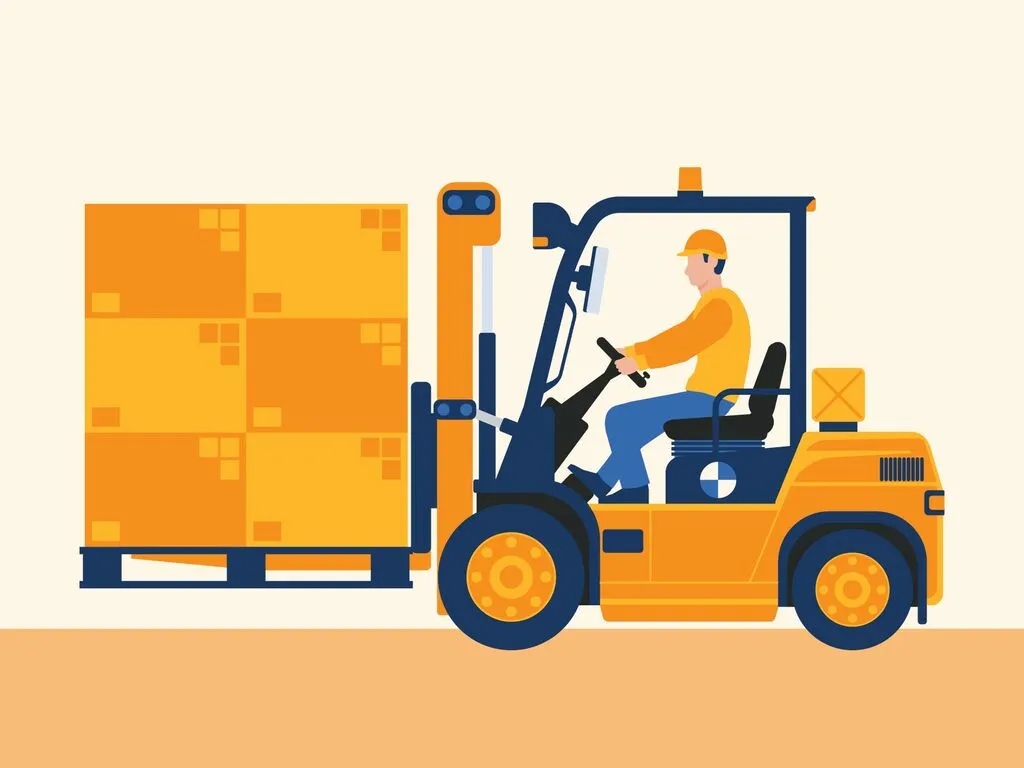
When operating a forklift, a common question arises: which side bears more weight? Understanding weight distribution is critical for safety and load stability. In most counterbalanced forklifts, the front axle supports the majority of the load due to the mast and forks carrying lifted goods, while the rear axle counterbalances the weight to prevent tipping.
Front Axle: The Primary Load-Bearer
The front axle is the dominant weight-supporting side in nearly all forklift operations. This is because the forks, mast, and drivetrain are located at the front. When a load is lifted, the entire weight of the load plus the mast structure transfers directly to the front wheels. In a standard counterbalanced forklift, the front axle may support up to 70-80% of the total weight when carrying a load. For example, a 5,000 lb capacity forklift can have the front axle absorbing over 4,000 lbs during lifting. This makes front axle stability critical—front tires are often larger and reinforced to handle this stress.
Rear Axle: The Counterweight Side
The rear axle serves a different purpose: it provides counterbalance. Forklifts are designed with a heavy cast-iron counterweight at the rear to offset the load’s weight. Without this, the forklift would tip forward. When unloaded, more weight sits on the rear axle to maintain stability. However, when loaded, the rear axle carries less weight—often only 20-30% of the total—because the load shifts the center of gravity forward. The rear axle also allows steering, as most forklifts have rear-wheel steering, which requires precise weight distribution to avoid instability during turns.
Center of Gravity and Load Moment
The key to understanding weight distribution is the “load moment”—the product of load weight and distance from the front axle. As the load moves forward on the forks, the front axle supports more weight, while the rear axle unloads. The forklift’s stability triangle, a three-point suspension system (front wheels and a pivot point at the rear), ensures that the combined center of gravity stays within this triangle. If the load exceeds capacity or is tilted too forward, the center of gravity shifts past the front axle, causing a tip-over. This is why manufacturers like Liftron Material Handling design forklifts with optimized mass distribution to maximize safe load capacity.
Practical Implications for Operators
- Loading and unloading: Always center the load on the forks and tilt the mast back to shift weight toward the front axle safely.
- Traveling with a load: Keep the forks low (4-6 inches off the ground) to lower the center of gravity and reduce front axle stress.
- Steering: Use cautious turns, as rear axle weight reduction during loaded travel increases the risk of lateral instability.
- Unloaded forklifts: The rear axle supports more weight, making rear-wheel steering more responsive but also prone to sliding on slippery surfaces.
Comparing Forklift Types
Different forklift designs affect which side supports more weight. Counterbalanced forklifts, including electric and internal combustion models, follow the front-heavy pattern. Reach trucks and order pickers, which often have a different chassis layout, may shift more weight to the rear during certain operations. However, for standard counterbalanced models, the front axle dominates. Liftron DL SERIES lithium-ion forklifts exemplify advanced weight distribution with a low-profile battery placement that lowers the overall center of gravity, improving both front axle load capacity and rear stability.
Table: Typical Weight Distribution (Standard Counterbalanced Forklift)
| Condition | Front Axle (% of total weight) | Rear Axle (% of total weight) |
|---|---|---|
| Unloaded, static | 50-60% | 40-50% |
| Loaded (rated capacity), traveling | 70-80% | 20-30% |
| Loaded, mast tilted forward | 80-90% | 10-20% |
| Empty, mast tilted back | 55-65% | 35-45% |
Maintenance and Safety Recommendations
To ensure optimal weight distribution, operators should inspect both axles regularly. Check front tires for uneven wear or overheating, which indicates excessive load stress. Rear axle steering components must be free of play to maintain stability during turns. Liftron Material Handling recommends daily pre-shift inspections focusing on tire condition, mast alignment, and load capacity decals. For electric models like the Liftron DL SERIES, battery weight and placement are also crucial—lithium-ion batteries are lighter than lead-acid, shifting more weight to the front axle, which requires updated counterbalance calculations.
Conclusion
The concept of which side supports more weight is not static—it changes with load, mast position, and forklift design. In general, the front axle bears the brunt of the weight during lifting, while the rear axle provides essential counterbalance to prevent tipping. Understanding this dynamic helps operators avoid accidents and maximize equipment life. By selecting well-designed forklifts from Liftron Material Handling, including the advanced Liftron DL SERIES, you can achieve superior stability and load management in every operation.


Add a review
Your email address will not be published. Required fields are marked *