
Can You Jump Start a Forklift Battery with a Car?
Modern material handling equipment such as forklifts are designed in different power configurations. Understanding your forklift type is critical before attempting any jump start procedure.
Quick Diagnostic: Forklift Types
| Forklift Type | Battery/Power System | Can Be Jump Started with Car? | Notes |
|---|---|---|---|
| Gasoline Forklift | 12V starter battery | Yes | Standard jump start possible |
| Diesel Forklift | 12V or 24V system | Yes (with caution) | Ensure correct voltage match |
| Propane Forklift | 12V battery system | Yes | Same as internal combustion engines |
| Electric Forklift | 36V / 48V / 80V industrial battery | No | Requires industrial charger only |
How to Jump Start an Internal Combustion Forklift (12V)
Internal combustion forklifts (gas, diesel, propane) use a standard 12V battery system similar to cars. However, they require careful handling due to higher starting loads.
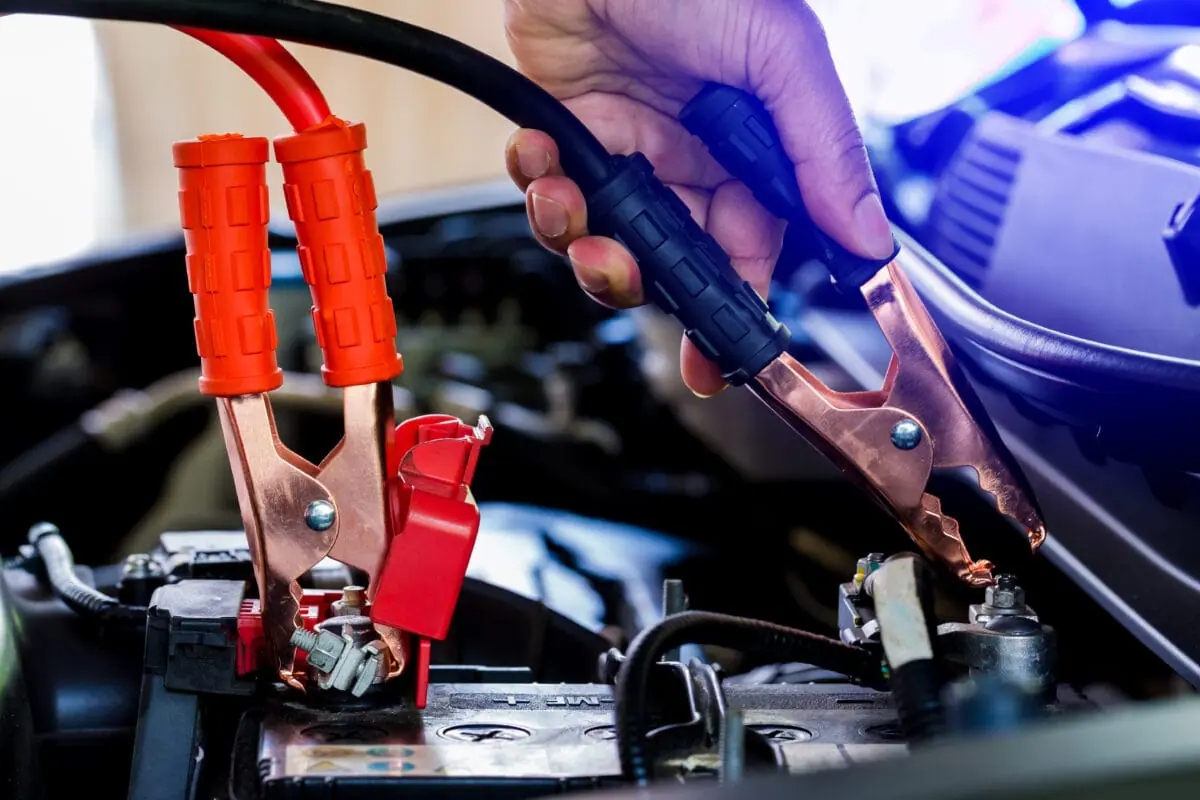
- Turn off both vehicles: Ensure ignition is completely off before connecting cables.
- Connect red cable: Attach to forklift positive terminal first, then car battery positive terminal.
- Connect black cable: Attach to car negative terminal, then forklift grounding point (not battery).
- Start car engine: Let it run for a few minutes to stabilize voltage.
- Start forklift: Attempt ignition and allow it to warm up.
- Disconnect safely: Remove cables in reverse order.
Why Electric Forklifts Cannot Be Jump Started
Electric forklifts operate on high-voltage industrial battery systems ranging from 36V to 80V or more. These systems are fundamentally different from car batteries and require specialized chargers.
Attempting to jump start an electric forklift with a car battery can cause severe damage, including electrical failure, fire risk, or battery destruction.
Modern systems such as advanced forklifts use lithium or lead-acid industrial batteries that must be charged using controlled charging stations.
Key Differences Between Car and Forklift Batteries
| Feature | Car Battery | Forklift Battery |
|---|---|---|
| Voltage | 12V | 36V–80V+ |
| Purpose | Engine starting | Lifting & industrial power |
| Charging Method | Alternator | Industrial charger |
| Jump Start Compatibility | Yes | No (electric models) |
Safety Risks of Improper Jump Starting
Incorrect jump-starting procedures can cause serious hazards including electrical surges, battery explosions, or damage to control systems.
- Electrical system damage
- Battery overheating or rupture
- Fire risk from incorrect connections
- Permanent forklift control failure
This is why operators of modern forklifts must always follow manufacturer-approved procedures.
Step-by-Step Safety Checklist Before Jump Starting
- Identify forklift type: Confirm if it is electric or internal combustion.
- Check voltage rating: Ensure compatibility with donor vehicle.
- Inspect cables: Use heavy-duty jumper cables only.
- Wear safety gear: Gloves and eye protection recommended.
- Follow correct sequence: Prevent electrical surges.
When to Call a Technician
If a forklift does not start after proper jump-start attempts, it may indicate deeper issues such as battery failure, alternator problems, or electrical faults. In such cases, professional servicing is required.
Conclusion
You can jump start internal combustion forklifts with a car in some situations, but electric forklifts cannot be jump started due to their high-voltage systems. Understanding the difference is essential for safety and equipment protection.
Modern industrial machines such as forklifts require proper maintenance and correct charging methods to ensure long-term reliability and safe operation.
Add a review
Your email address will not be published. Required fields are marked *