
Is It Unsafe to Be Near a Forklift All Day?
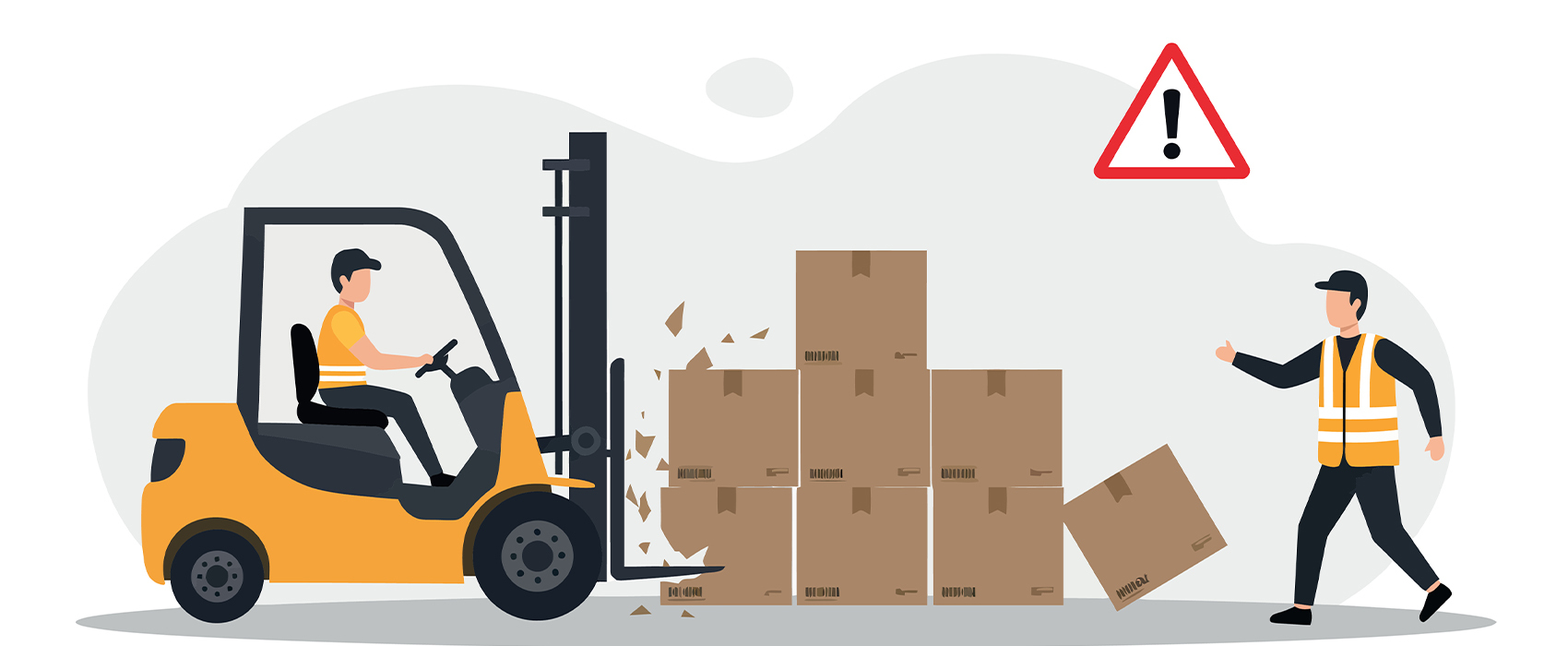
In busy warehouses and industrial environments, working around forklift operations is a daily reality. While forklifts are essential for material handling, they also pose serious risks if pedestrians and operators are not properly separated.
Why Working Near Forklifts Can Be Dangerous
Forklifts are powerful industrial machines designed to move heavy loads efficiently. However, their size, limited visibility, and constant movement create significant hazards in shared workspaces.
Studies show that pedestrians are involved in a large percentage of forklift-related accidents, often due to lack of awareness or unsafe proximity.
Main Safety Risks Around Forklifts
Understanding the hazards is the first step in preventing workplace injuries.
- Blind spots: Operators may not see pedestrians directly behind or beside the forklift.
- Trapping hazards: Workers can be pinned between forklifts and stationary objects.
- Falling loads: Improperly secured loads can drop unexpectedly.
- Noise environment: Engines and warehouse noise reduce awareness.
- Air quality: Diesel or propane forklifts may emit exhaust in enclosed areas.
Forklift Safety Rules in the Workplace
To reduce risk, OSHA and workplace safety regulations require strict operational guidelines when working near forklifts.
| Rule | Description | Purpose |
|---|---|---|
| Maintain distance | Stay at least 3 feet away from active forklifts | Reduce collision risk |
| Use marked walkways | Designated pedestrian paths only | Separate workers and machines |
| Wear PPE | High-visibility vests and safety gear | Improve visibility |
| Follow signals | Obey forklift warning lights and horns | Prevent unexpected movement incidents |
| Training | Regular safety training for all workers | Increase awareness |
What Are 5 Key Safety Rules for Forklifts?
- Always inspect forklifts before operation
- Never exceed load capacity limits
- Keep forks low when traveling
- Use horns at intersections and blind corners
- Never carry passengers unless designed for it
How to Stay Safe Near Forklifts All Day
Even in high-traffic environments, safety can be maintained through proper engineering controls and human behavior.
1. Physical Separation
Install barriers, railings, and marked lanes to separate pedestrians from forklift routes.
2. Visual Warning Systems
Use flashing lights, alarms, and floor markings to increase awareness of forklift movement.
3. Speed Control
Limit forklift speed in shared environments to reduce reaction time risks.
4. Communication Protocols
Operators and pedestrians should always maintain eye contact and clear communication before crossing paths.
Forklift Technology and Safety Improvements
Modern equipment such as advanced forklift systems are designed with enhanced safety features including sensors, stability control, and improved visibility.
These innovations significantly reduce the risk of pedestrian accidents when combined with proper training and workplace discipline.
Common Causes of Forklift Accidents
- Operator distraction
- Improper pedestrian access control
- Excessive speed in tight areas
- Blocked visibility due to loads
- Lack of safety training
Conclusion
Working near forklifts all day is not inherently unsafe, but it does require strict safety procedures, awareness, and workplace design to prevent accidents.
With proper separation systems, training, and adherence to safety rules, environments involving forklift operations can be both productive and safe for pedestrians and operators alike.

Add a review
Your email address will not be published. Required fields are marked *