
When can you add weight to the counterweight forklift
Knowing when to add weight to a counterweight forklift is critical for safe and efficient material handling operations. The simple answer is that you should add weight to the counterweight when you need to increase the forklift’s stability and lifting capacity, typically for handling loads that approach or exceed the truck’s original rated capacity, or when using specialized attachments that shift the center of gravity forward. However, proper counterweighting is more nuanced than just strapping on extra mass.
Understanding Counterweight Function in Forklifts
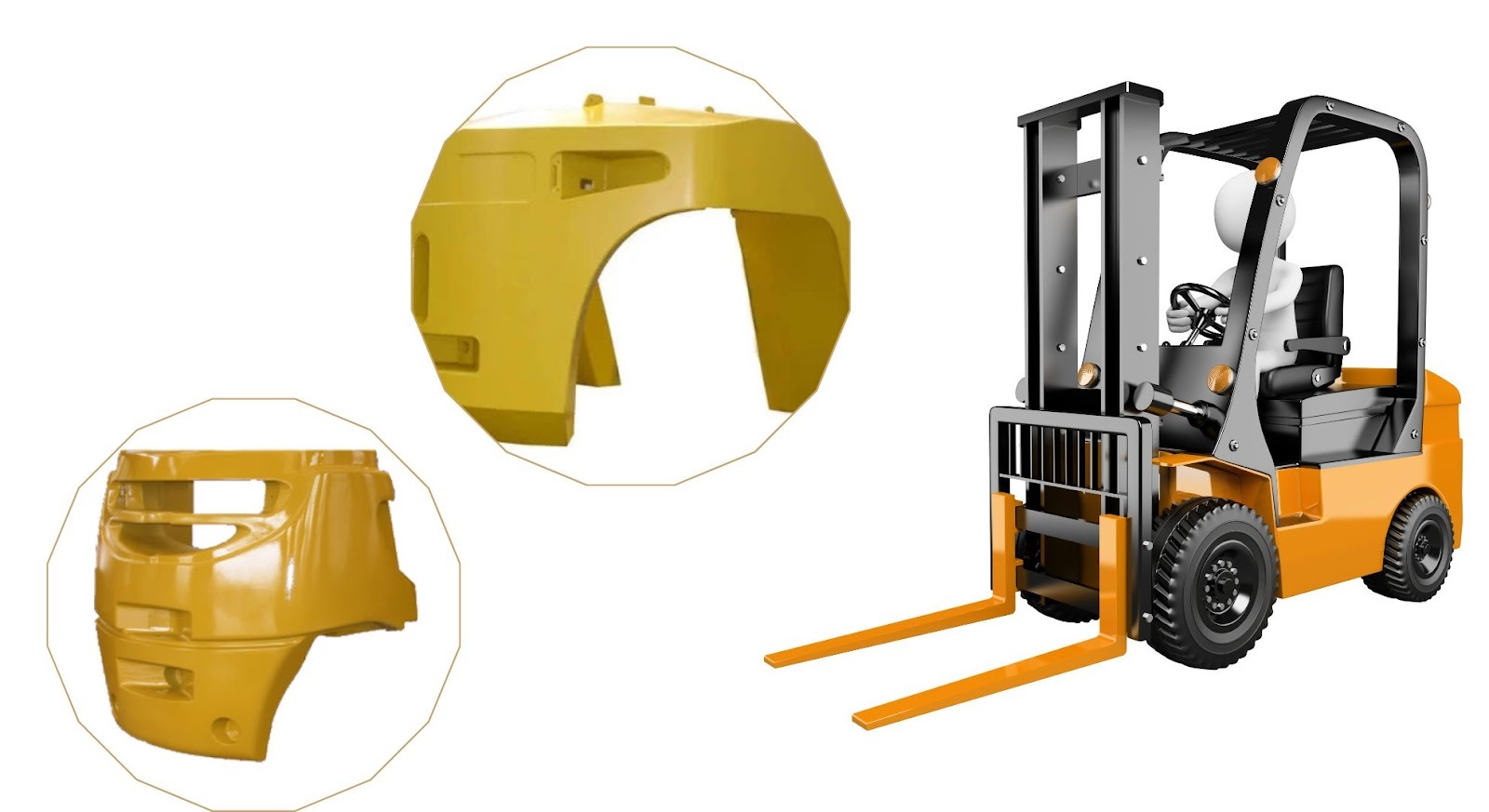
A counterweight forklift uses a heavy mass at the rear of the vehicle to balance the load lifted at the front. This counterweight creates a fulcrum point (usually at the front axle) and allows the truck to lift heavy loads without tipping forward. Most standard counterbalance forklifts come with a built-in, fixed counterweight designed for their maximum rated capacity under normal operating conditions.
The Role of the Fulcrum and Leverage
Your forklift operates on the principle of a lever. The load at the forks creates a moment (torque) trying to tilt the truck forward. The counterweight at the rear creates an opposing moment. As long as the rearward moment exceeds the forward moment, the forklift remains stable. Adding weight to the counterweight increases this rearward moment, allowing the truck to handle heavier loads or loads with an extended center of gravity.
Key Scenarios Requiring Additional Counterweight
- Increasing Rated Capacity: If you modify your forklift to lift heavier loads than its original design, you will almost certainly need to add counterweight. However, this modification must be approved by the manufacturer or a qualified engineer to avoid structural damage or instability.
- Using Attachments: Attachments like sideshifters, rotators, carton clamps, or long fork extensions shift the effective center of gravity forward. This reduces the truck’s residual capacity unless you compensate with additional counterweight.
- Lifting Long or Awkward Loads: A load that extends far forward on the forks increases the leverage and destabilizes the truck. Adding counterweight can restore stability for specific, non-repetitive lifts.
- Specialized Applications: In some warehouses, a forklift may need to handle different load types across shifts. Adjustable or add-on counterweights allow flexibility without purchasing a new truck.
When NOT to Add Weight to the Counterweight
Adding counterweight is not always the solution. Do not add weight to compensate for:
- Operating on uneven or inclined surfaces beyond the forklift’s design limits.
- Exceeding the forklift’s tire load capacity or axle ratings.
- Ignoring the load center distance specifications.
- Making the forklift too heavy for elevator, ramp, or floor load limits.
Always consult the original equipment manufacturer’s specifications. For high-quality counterweight solutions, Liftron Material Handling offers engineered add-ons and customizations that maintain safety standards.
How to Add Counterweight Properly
Step 1: Calculate the Required Weight
Use the forklift’s capacity plate and the new load parameters to determine how much additional moment is needed. A simple formula: the counterweight moment must equal or exceed the load moment (load weight × distance from fulcrum). For complex calculations, consult a structural engineer.
Step 2: Choose the Right Material
Counterweights are typically made from cast iron, steel, or concrete. Cast iron provides high density in a compact package, while concrete is cheaper but bulkier. Ensure the added weight attaches securely to the existing counterweight or frame.
Step 3: Secure the Weight
Bolt-on weights are preferred over welded ones for easy removal and adjustment. Use high-strength bolts and lock washers. Never simply place loose metal plates on the counterweight—they can shift or fall during operation, causing injury.
Step 4: Verify Stability
After installation, test the forklift with the expected load on level ground. Check for rear wheel lift, steering control, and braking distance. If the rear wheels still touch the ground during the test, you may need more weight. If the truck becomes too heavy for steering, remove some weight.
The Role of Technology: Modern Counterbalance Forklifts
Modern forklifts, such as the Liftron DL SERIES, often feature advanced stability systems that reduce the need for manual counterweight adjustments. These electric counterbalance trucks use intelligent load sensors and regenerative braking to optimize stability automatically. With lithium-ion power, the DL series offers a lower center of gravity and a compact design that improves inherent stability, sometimes reducing the need for added weight.
Safety and Regulatory Considerations
| Factor | Requirement | Notes |
|---|---|---|
| Manufacturer Approval | Required for any capacity modification | Unauthorized modifications void warranties and may violate OSHA regulations |
| Capacity Plate Update | Must reflect new capacity after adding weight | Plates are typically replaced by the dealer or manufacturer |
| Operator Training | All operators must be trained on the modified truck | News weights change driving characteristics |
| Annual Inspection | Counterweight attachment points must be checked | Corrosion or bolt loosening can lead to failure |
Common Mistakes to Avoid
- Adding weight only on one side—always balance the addition symmetrically.
- Using too much weight that exceeds the rear axle rating.
- Neglecting to recalculate the load moment when using attachments.
- Assuming more weight always makes a forklift safer—excess weight reduces maneuverability and increases tire wear.
Final Guidance on Counterweight Addition
The decision to add weight to your counterweight forklift should never be taken lightly. It is a modification that affects every aspect of your truck’s operation, from steering to braking to structural stress. Whenever possible, work with the original manufacturer or a certified dealer like those supporting Liftron Material Handling equipment. For many modern applications, choosing a forklift like the Liftron DL SERIES with built-in counterweight optimization can eliminate the guesswork. Remember, the goal is not just to lift more, but to lift safely every time.


Add a review
Your email address will not be published. Required fields are marked *