Will Any 33 lb Forklift Propane Tank Work Horizontally?
Not every 33 lb forklift propane tank can be used horizontally unless its orientation, valve, and locating pin match the truck.

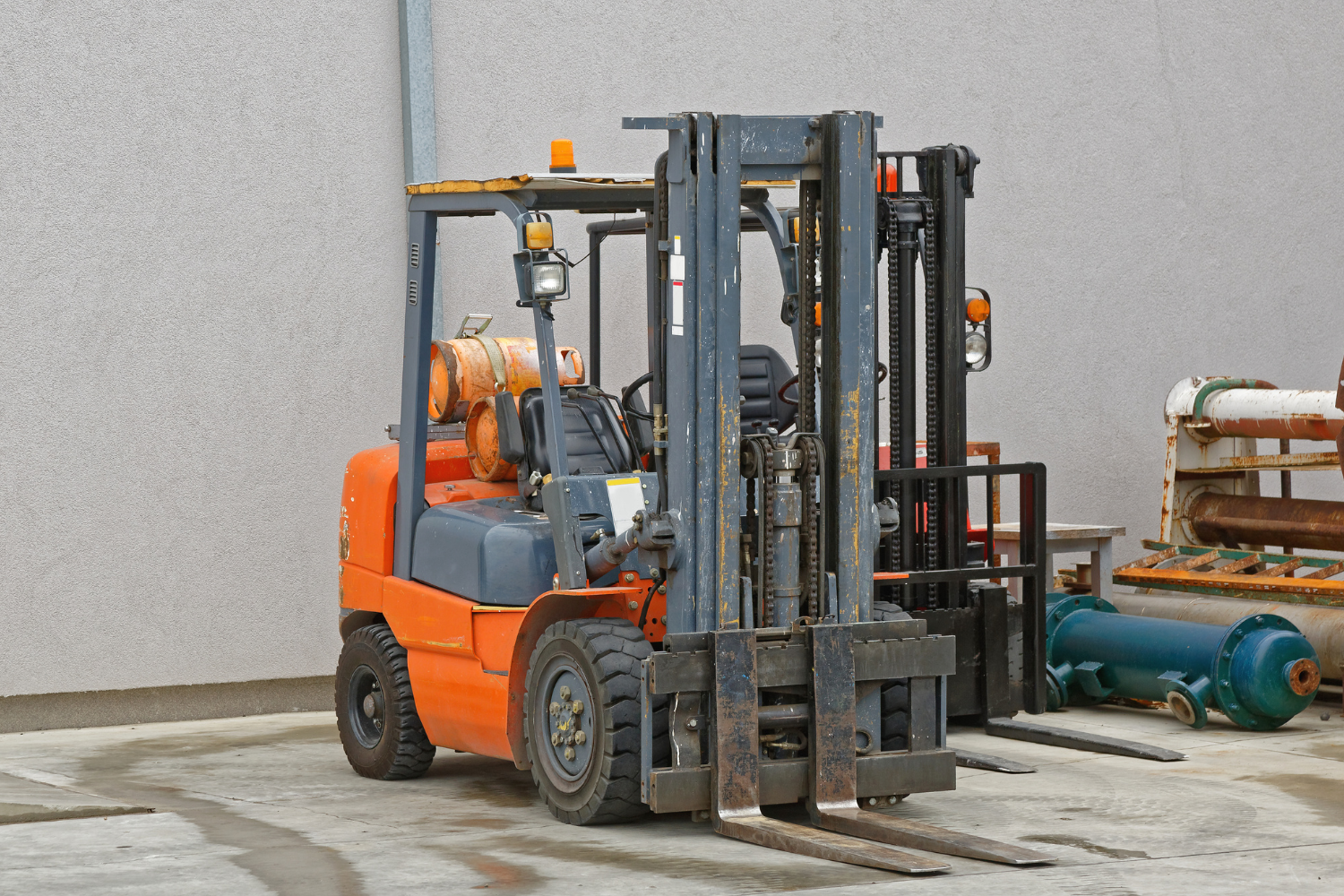
Not every 33 lb forklift propane tank can be used horizontally unless its orientation, valve, and locating pin match the truck.
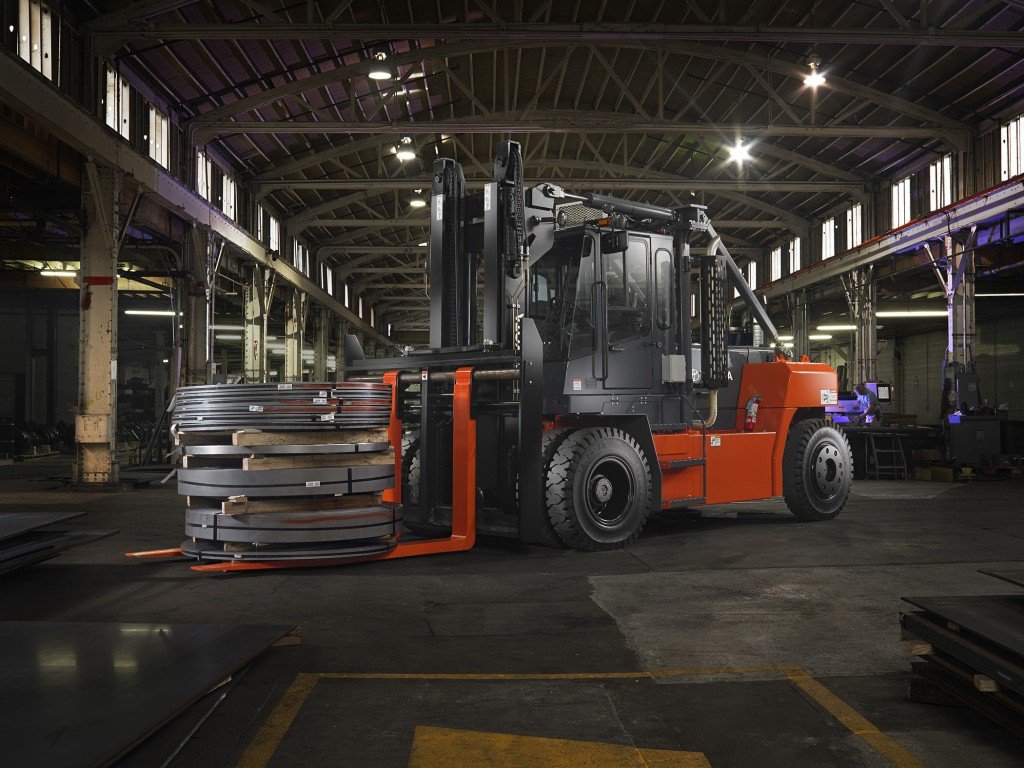
A 5000 lb capacity forklift usually weighs 7500 to 10000 lb unloaded, depending on fuel type, battery, and configuration.
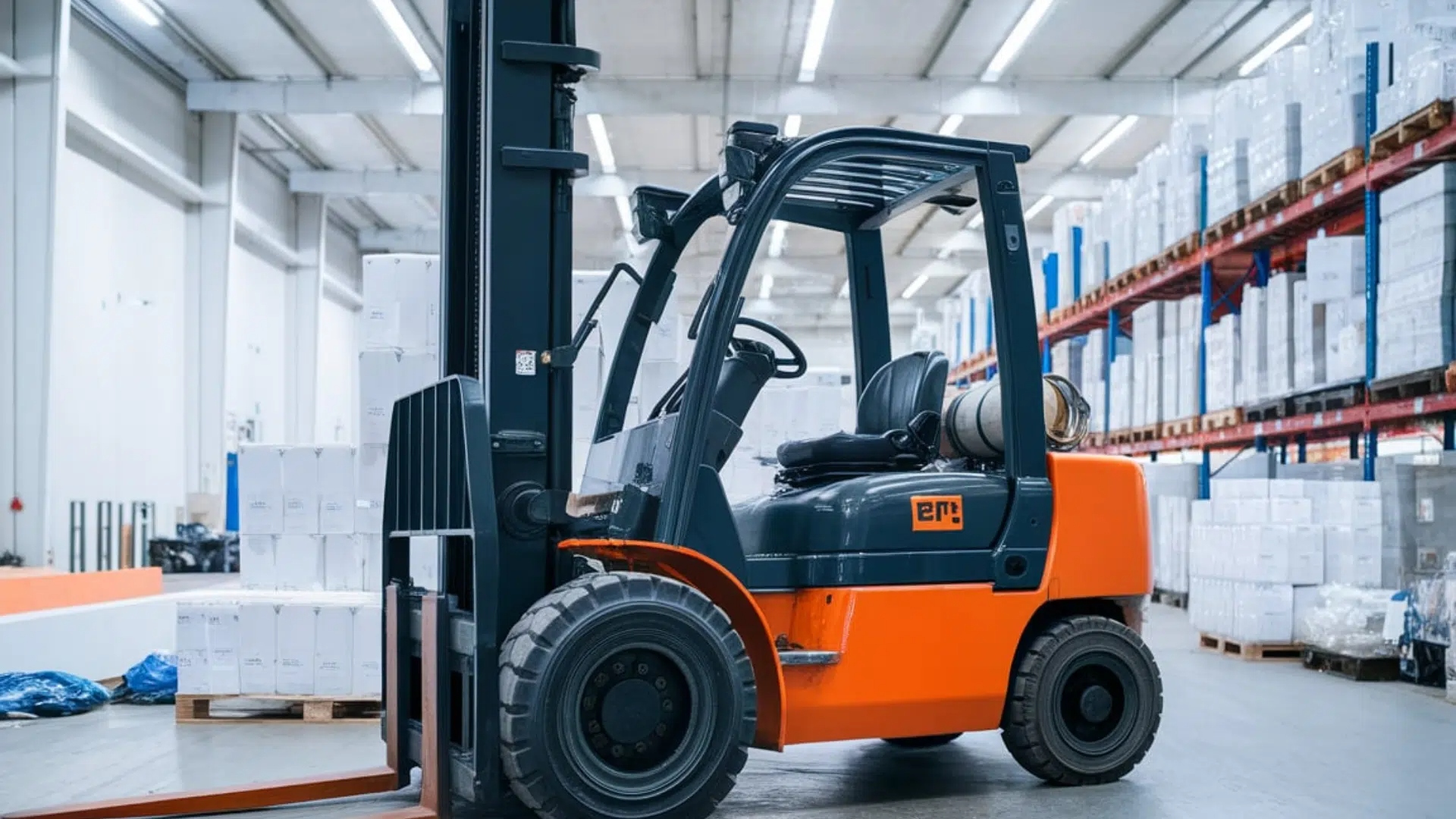
A 6000 lb capacity forklift usually weighs about 9500 to 11000 lb empty, depending on power type and configuration.
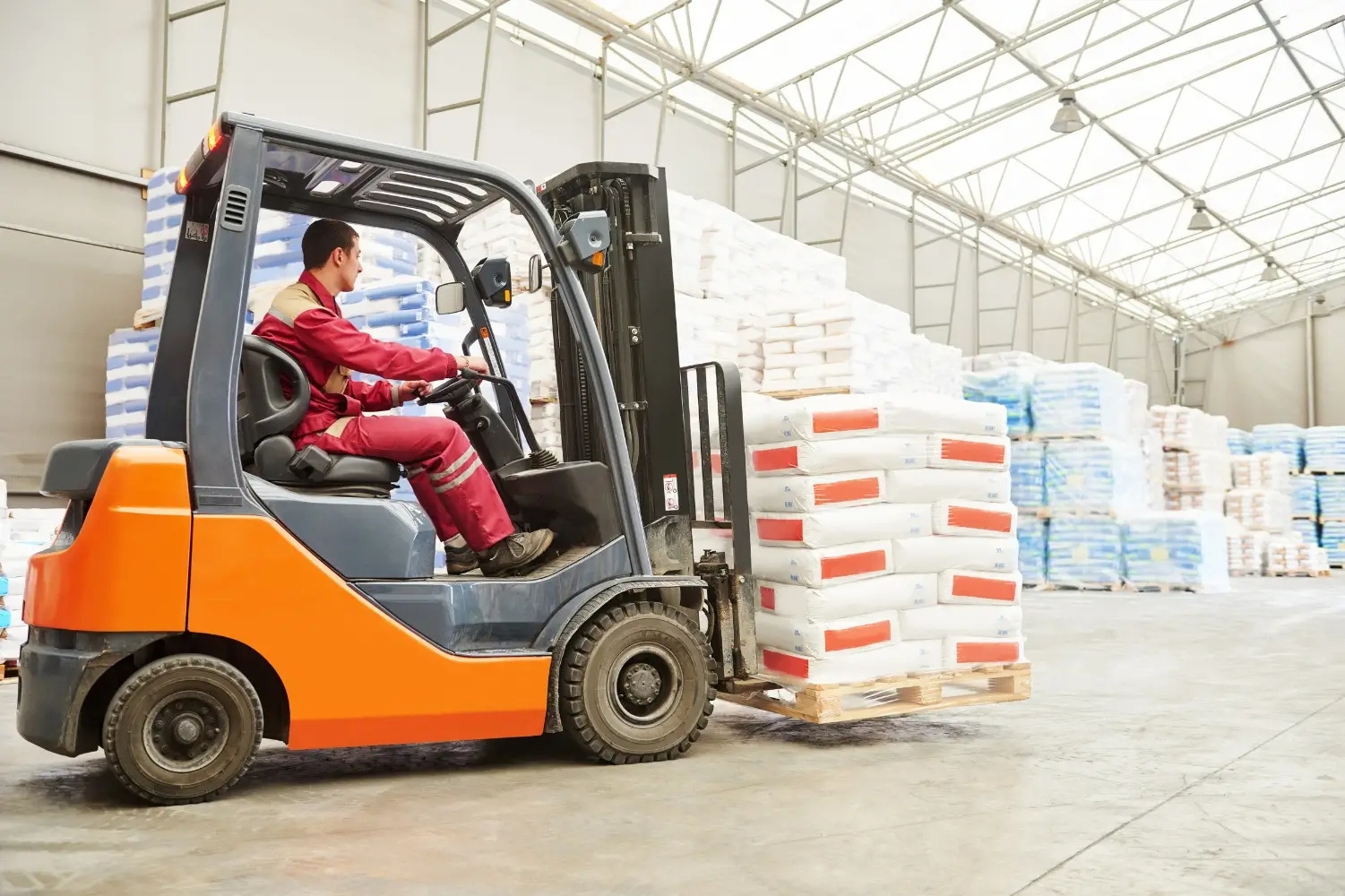
An unloaded 5000 lb capacity forklift usually weighs about 7500 to 9500 lb, with 9000 lb as a common estimate.
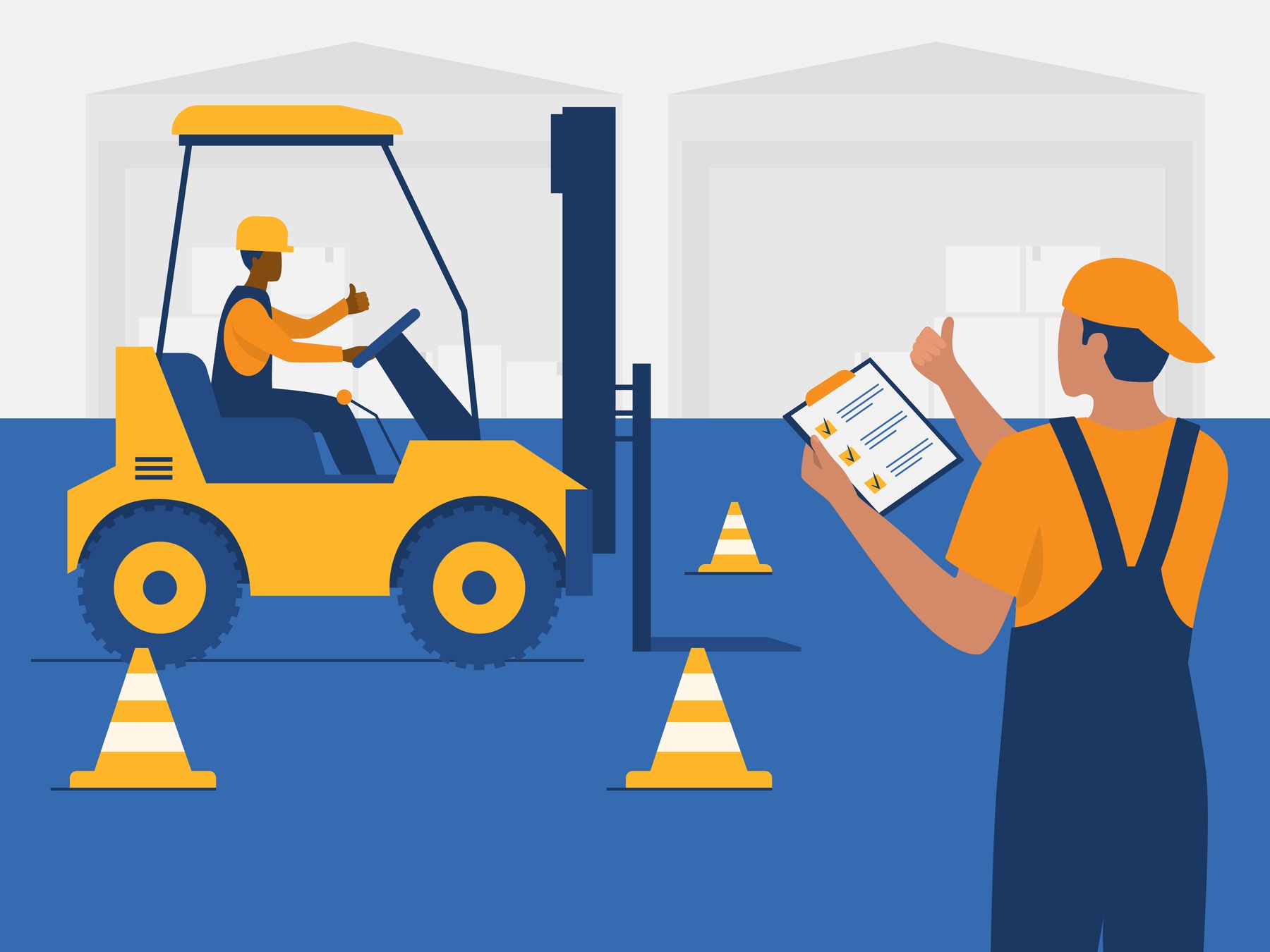
You should drive a forklift in reverse when the load blocks forward visibility or when ramp safety requires the load to face uphill.
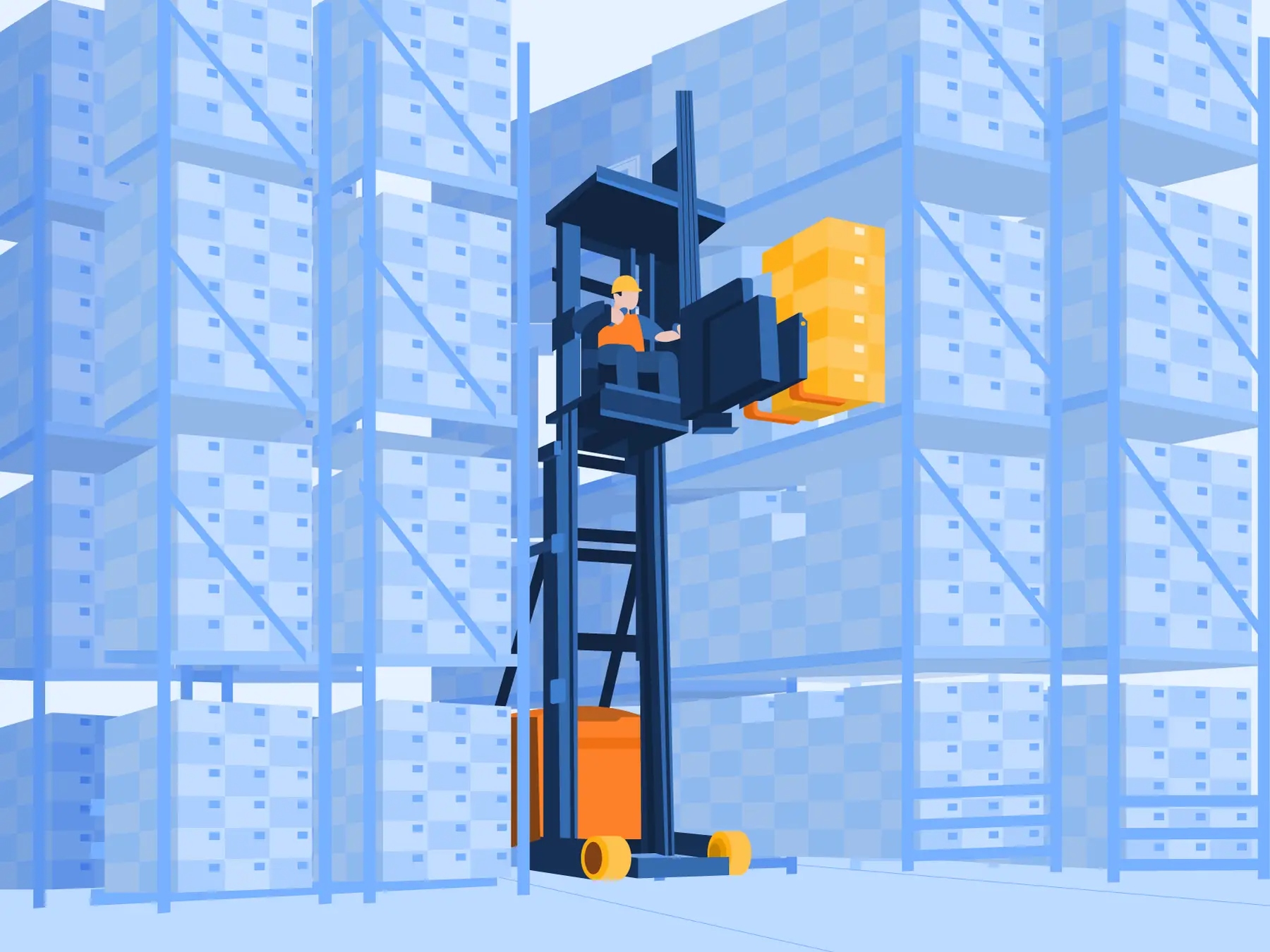
Selecting the right forklift for narrow aisle applications is essential for maximizing warehouse storage density and operational efficiency in spaces as tight as 8 to 10 feet. This guide compares top brands like Toyota, Raymond, Crown, Jungheinrich, Yale, and Liftron Material Handling, highlighting their key features and ideal use cases. Toyota’s System of Active Stability, Raymond’s high lift precision, Crown’s operator comfort, Jungheinrich’s fast-charging lithium-ion models, and Yale’s cold storage ratings are examined. Liftron’s DL SERIES stands out with its compact frame and zero-maintenance lithium-ion power, reducing total cost of ownership for modern e-commerce fulfillment. A comparative table provides a quick overview of models, typical aisle widths, power sources, and unique advantages. Final recommendations emphasize testing multiple models in your actual facility and investing in proper operator training for safety and productivity.

Rear end swing is one of the most dangerous dynamics in forklift operation, often causing tip-overs, collisions, and serious injuries. This article explains how rear-wheel steering in counterbalanced forklifts creates a pronounced lateral movement of the rear counterweight during turns, shifting the center of gravity and increasing accident risk. Key hazards include lateral tip-overs that can crush operators, unpredictable collisions with pedestrians and racking, load shifting, and loss of control—especially on slippery surfaces or with elevated loads. Factors like excessive speed, sharp turns, and uneven loads exacerbate the danger. Best practices to mitigate risks include reducing speed before turns, keeping loads low, maintaining clean floors, and using proper tires. Modern forklifts such as the Liftron DL SERIES feature advanced stability systems and precision steering to minimize swing. Operator training on rear swing dynamics is essential, and facilities should prioritize equipment maintenance and safe procedures to prevent swing-related accidents.
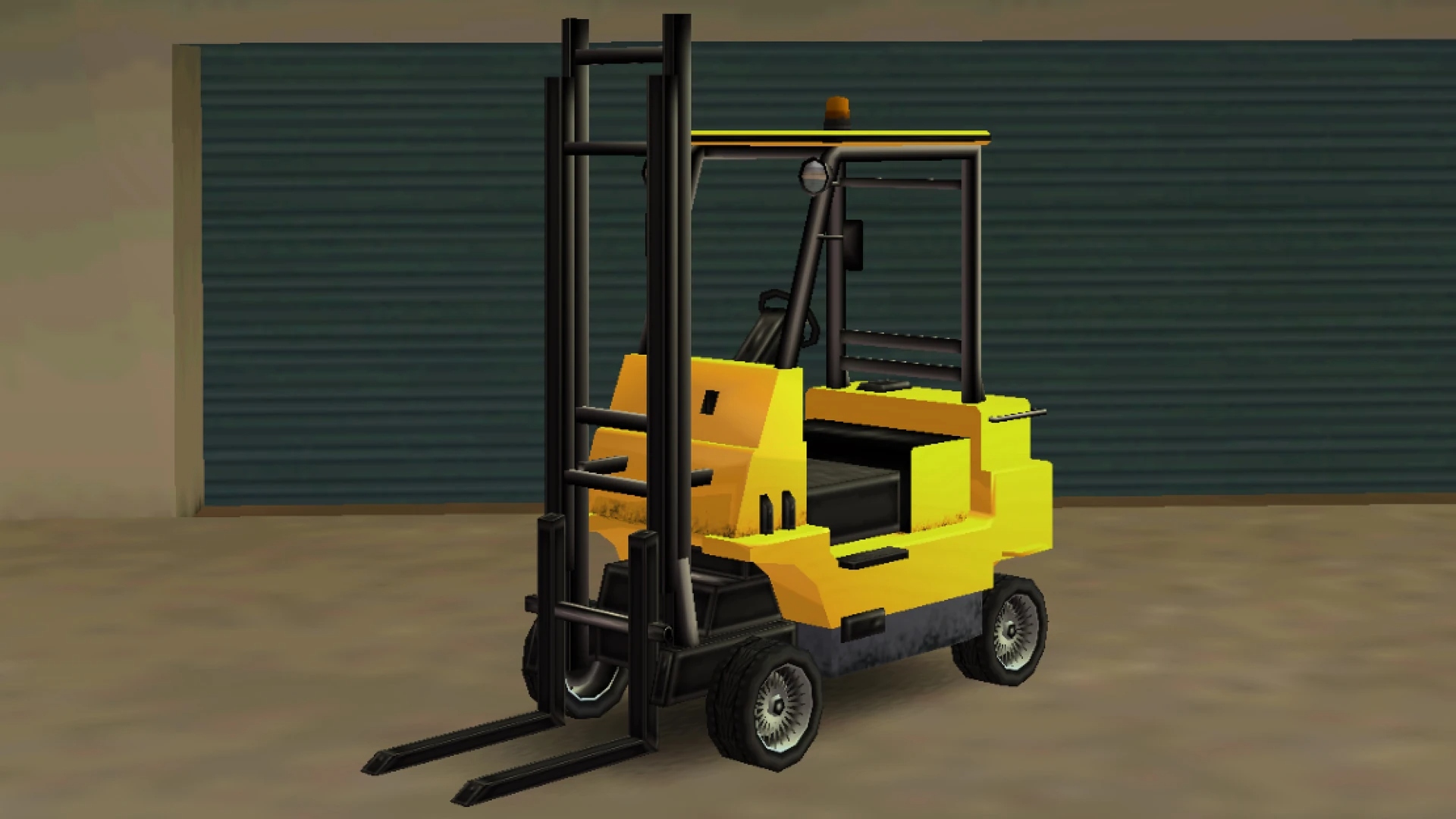
Learn why forklifts use rear steering instead of front steering, a design that provides exceptional maneuverability in tight warehouse aisles. This article explains how rear-wheel steering creates a tighter turning radius, improves load stability by keeping the front axle fixed, and gives operators better visibility of forks and load placement. Key differences between rear and front steering are compared, including turning radius, load stability, and operator control. Safety considerations such as tail swing are discussed, along with training tips for new operators. The article also explores how modern electric and lithium-ion forklifts, like those from Liftron Material Handling, integrate rear steering with advanced technologies such as steer-by-wire and central battery placement to enhance efficiency, reduce maintenance, and optimize warehouse layout planning. A must-read for fleet managers and warehouse designers evaluating equipment for high-density storage.

Most forklifts use rear-wheel drive because it provides superior traction, stability, and maneuverability essential for heavy lifting in warehouses and industrial settings. This design places the drive force at the rear where the engine or battery counterweights the front load, allowing for tight turning radii and preventing front wheel slippage. Rear-wheel drive offers key advantages including excellent load stability, enhanced traction on slippery surfaces, and simplified maintenance. While front-wheel drive exists in specialized equipment like pallet jacks and narrow-aisle reach trucks, rear-wheel drive remains the industry benchmark for heavy-duty applications. Modern innovations such as lithium-ion batteries further improve rear-wheel drive performance by delivering consistent power throughout shifts. Operators benefit from understanding rear-wheel handling characteristics, especially tail swing during turns. For optimal material handling productivity and safety, fleet managers typically choose rear-wheel drive counterbalance trucks, balancing power, maneuverability, and cost-effectiveness across various operational environments.
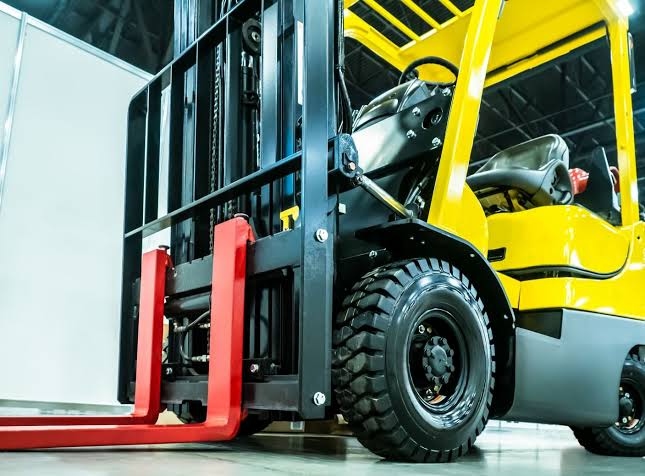
Forklift safety relies on three essential guards: the overhead guard, load backrest, and fork guards. The overhead guard protects operators from falling objects, while the load backrest prevents loads from shifting backward during travel. Fork guards shield fork tips and prevent lateral load displacement. Each guard works together as a safety triad, and neglecting any one can lead to accidents. Compliance with OSHA and ANSI/ITSDF B56.1 standards is critical, and regular maintenance—including daily inspections for cracks, bends, or debris—is necessary to ensure effectiveness. High-quality equipment, such as the Liftron DL SERIES, integrates reinforced overhead guards, adjustable load backrests, and durable fork guards to enhance protection and visibility. Prioritizing these safety features reduces accident risks, boosts productivity, and supports long-term operational value in warehouses, construction sites, and industrial facilities.