What Is a Forklift Freeze-Out Plug?
A forklift freeze-out plug is a small engine component that seals coolant passages and helps protect engine blocks from damage.

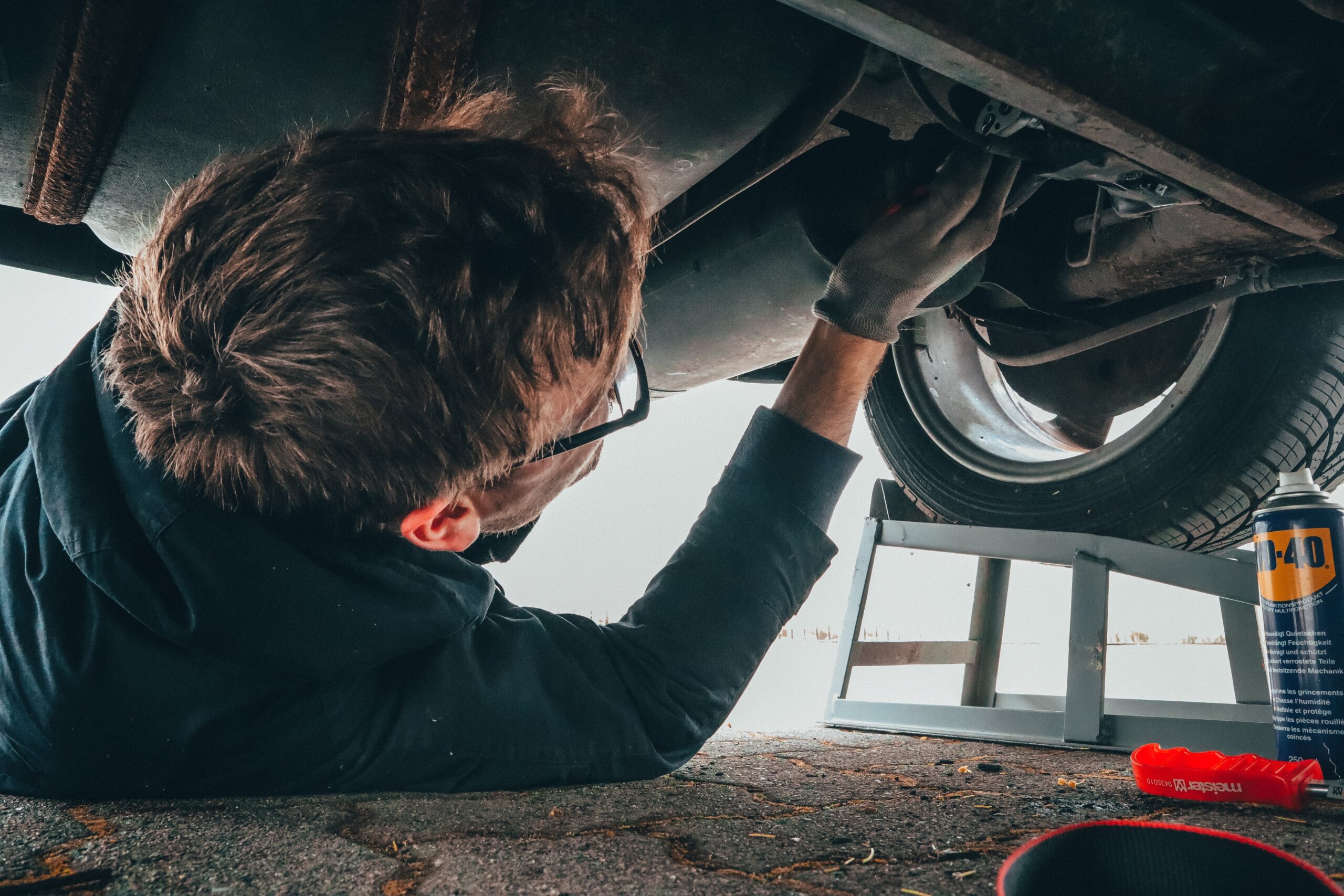
A forklift freeze-out plug is a small engine component that seals coolant passages and helps protect engine blocks from damage.
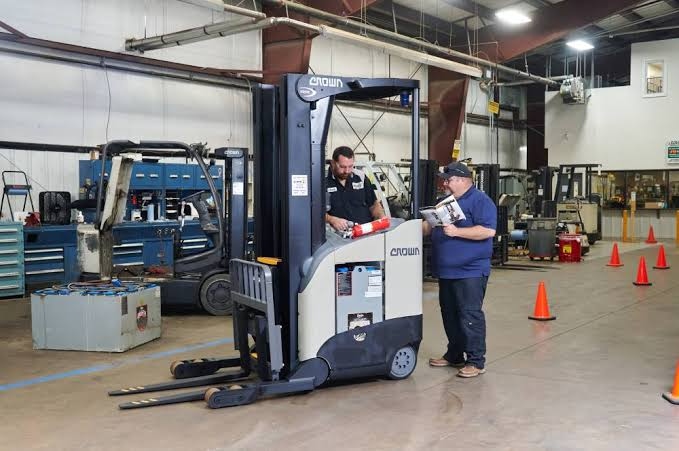
Plugging on a forklift is a motor braking method that slows the truck by reversing direction while moving.

A counterweight forklift uses a heavy rear mass to balance front loads, making it one of the most common forklift types.
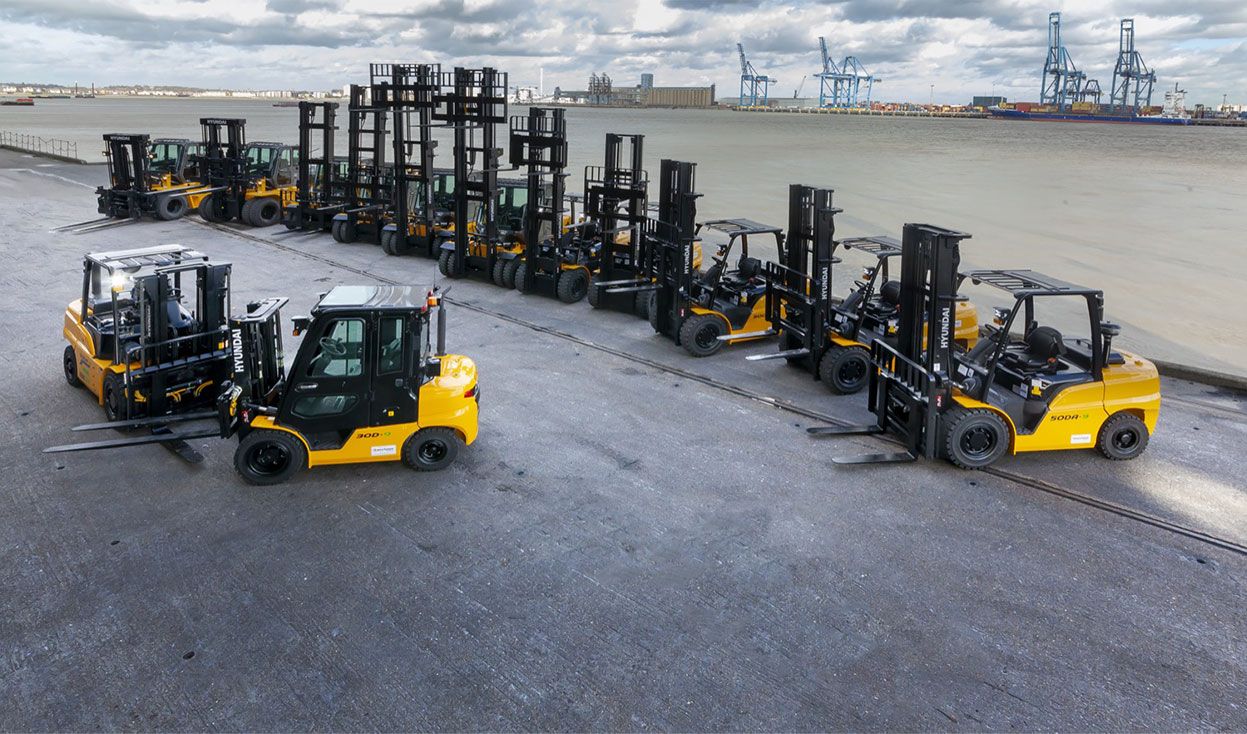
Forklifts are used across warehouses, manufacturing, construction, agriculture, shipping, recycling, and many other industries worldwide.
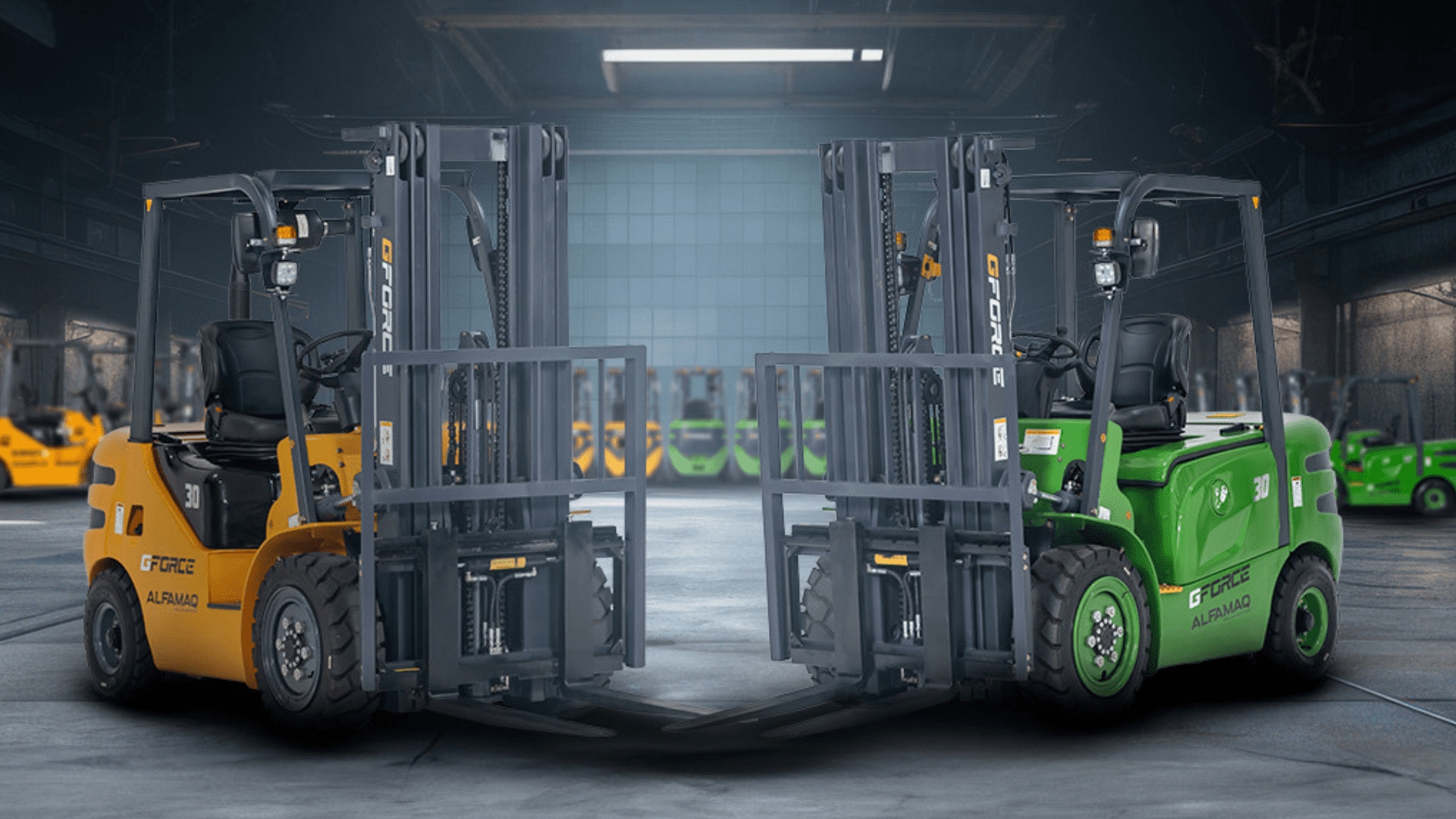
Parking a forklift safely requires a flat area, lowered forks, neutral controls, parking brake engagement, and proper shutdown.
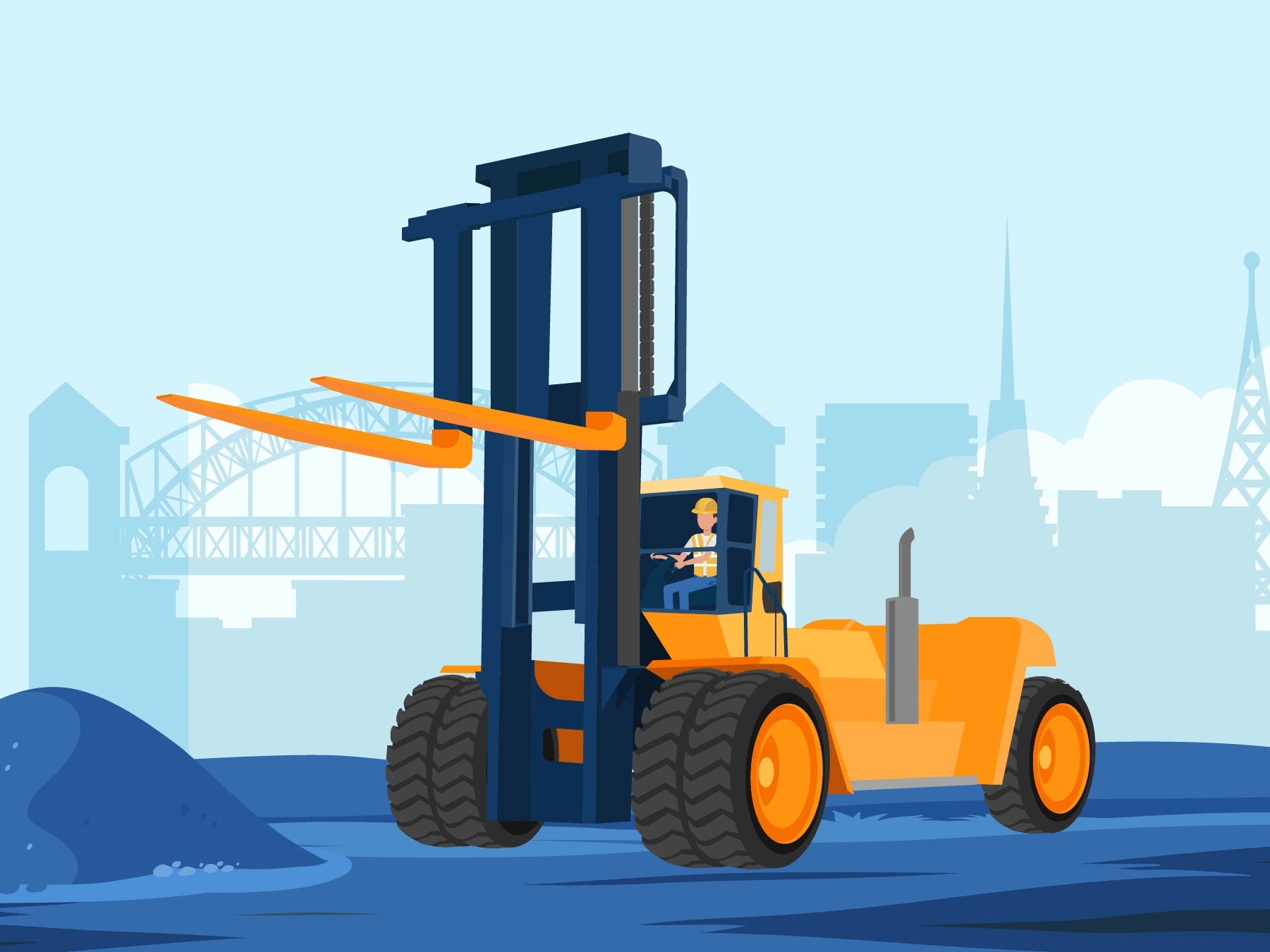
Wondering if a forklift counts as heavy equipment? The answer depends on size, capacity, and application. Standard warehouse forklifts are classified as material handling equipment, but large-capacity and rough-terrain models often cross into heavy equipment territory. This guide explores key classification factors including weight (from 3,000 lbs for standard units to over 20 tons for heavy-duty models), intended use across warehousing, construction, and port operations, and regulatory standards from OSHA and insurance providers. A comparison table highlights differences in weight, surface type, lift mechanism, and operator licensing between standard forklifts and heavy machinery like excavators. Learn when forklifts qualify as heavy equipment—such as those used in steel mills, on construction sites, or for container handling. Understand the safety, training, and maintenance implications, including additional certifications, daily inspections, and upkeep tailored to high-load components. Make informed decisions for your fleet with insights from Liftron Material Handling.
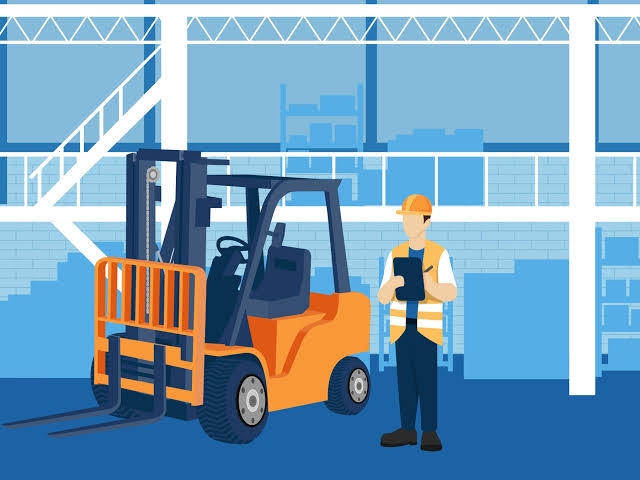
OSHA does not explicitly mandate backup alarms on all forklifts, but general safety regulations often require them when rear visibility is obstructed. This guide explains when and why audible or visual warning devices are necessary for compliance and accident prevention. Backup alarms become critical in crowded warehouses, construction sites, and high-noise environments where pedestrian traffic is common. Audible, visual, and combination alarms each serve distinct safety needs. Beyond compliance, installing backup alarms reduces collision risks, lowers insurance premiums, and fosters a culture of workplace safety. Legal considerations include OSHA standards, ANSI recommendations, and ADA accessibility requirements. Choosing the right alarm depends on operating environment, noise levels, and forklift compatibility. Regular installation and daily testing ensure reliability. For durable forklifts that can be customized with safety features like backup alarms, Liftron Material Handling offers industrial solutions designed with operator and pedestrian protection in mind.
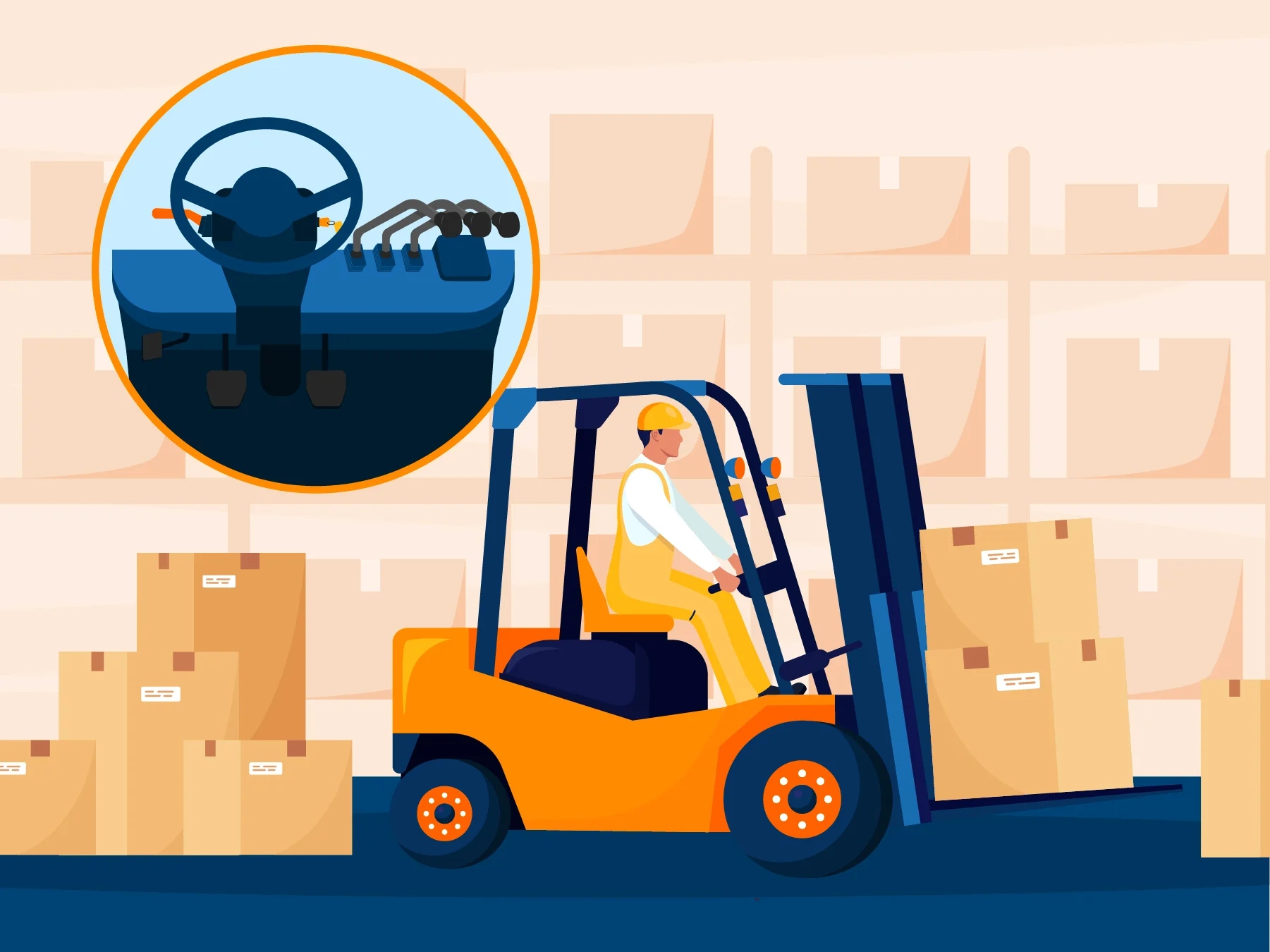
Not all industrial forklifts are equipped with a clutch. While traditional combustion forklifts often feature manual transmissions with a clutch pedal for precise torque control, modern models increasingly use automatic transmissions with torque converters, hydrostatic drives, or all-electric drivetrains that eliminate the clutch entirely. Electric forklifts, like the Liftron DL SERIES lithium-ion models, offer clutch-free operation with instant torque, smooth acceleration, and lower maintenance costs. Clutch-based forklifts remain relevant for rough terrain or heavy-duty outdoor applications where operator skill and mechanical simplicity are valued. However, the industry trend favors clutch-free options for indoor use, reducing operator fatigue and training time. When choosing a forklift, consider your application, operator experience, and maintenance budget. For most modern warehouses, clutch-free electric or automatic models provide higher productivity and lower total cost of ownership. Explore Liftron Material Handling’s lineup for advanced, clutch-free solutions that boost efficiency and comfort.
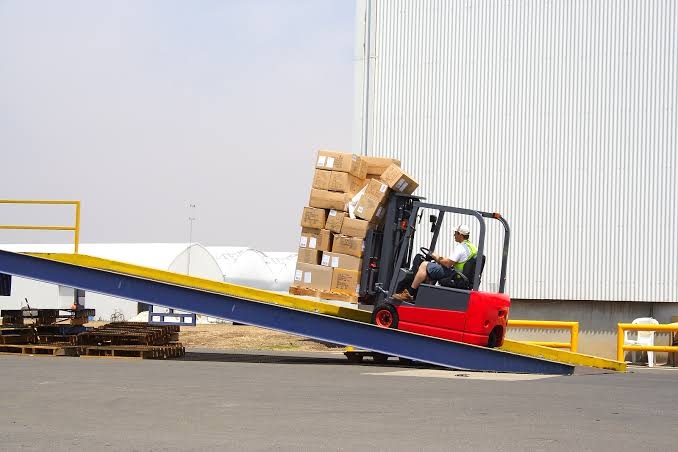
Operating a forklift safely requires proper training, thorough pre-shift inspections, and strict adherence to load handling and workplace protocols. Key safety measures include conducting daily checks on fluid levels, tires, brakes, and forks; wearing a seatbelt; using the three-point contact method when mounting; keeping loads stable and low at 4–6 inches; and tilting the mast back while traveling. Workplace awareness is critical—use horns at blind corners, maintain pedestrian distance, and follow speed limits. In narrow aisles, high-visibility masts and precise steering enhance safety. Pedestrian communication via hand signals or radios is essential, and ramps require keeping the load uphill. Parking involves lowering forks, engaging brakes, and disabling power. Avoid common mistakes like damaged forks or unstable loads. Only certified operators should handle forklifts, with OSHA requiring refresher training every three years. Modern lithium-ion models like the Liftron DL SERIES offer zero emissions, fast charging, and built-in safety systems, helping reduce downtime and improve overall workplace efficiency.
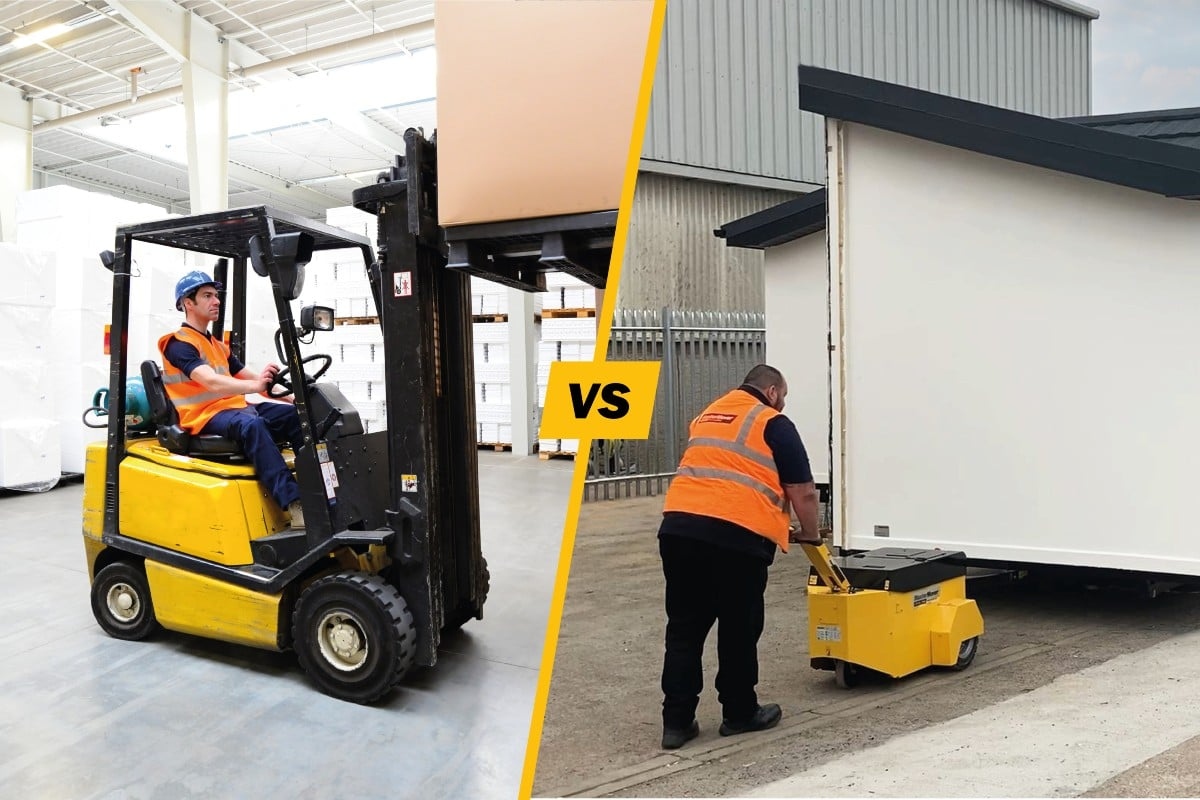
While often used interchangeably, tow motors and forklifts serve distinct roles in material handling. A forklift is designed for lifting and stacking loads vertically, using forks and a mast, ideal for warehouse operations and loading docks. In contrast, a tow motor is built for pulling heavy loads horizontally, utilizing a hitch or coupling instead of forks, making it suitable for towing trailers or carts across large facilities. Modern electric forklifts, like the Liftron DL Series, can perform both tasks, but dedicated equipment remains superior for specialized needs. This guide explores the functional differences, design variations, application scenarios, and safety considerations between these two machines, helping businesses choose the right equipment for optimal productivity and efficiency.