
does a forklift count as heavy equipment
When categorizing industrial equipment, the question often arises: does a forklift count as heavy equipment? Understanding this classification is crucial for safety, maintenance, and operational decisions in warehouses and construction sites.
Defining Heavy Equipment vs. Material Handling Equipment
Heavy equipment typically refers to large, powerful machines used in construction, earthmoving, and mining, such as bulldozers, excavators, and cranes. Forklifts, while substantial and powerful, fall under material handling equipment. However, the line can blur due to size, capacity, and application.
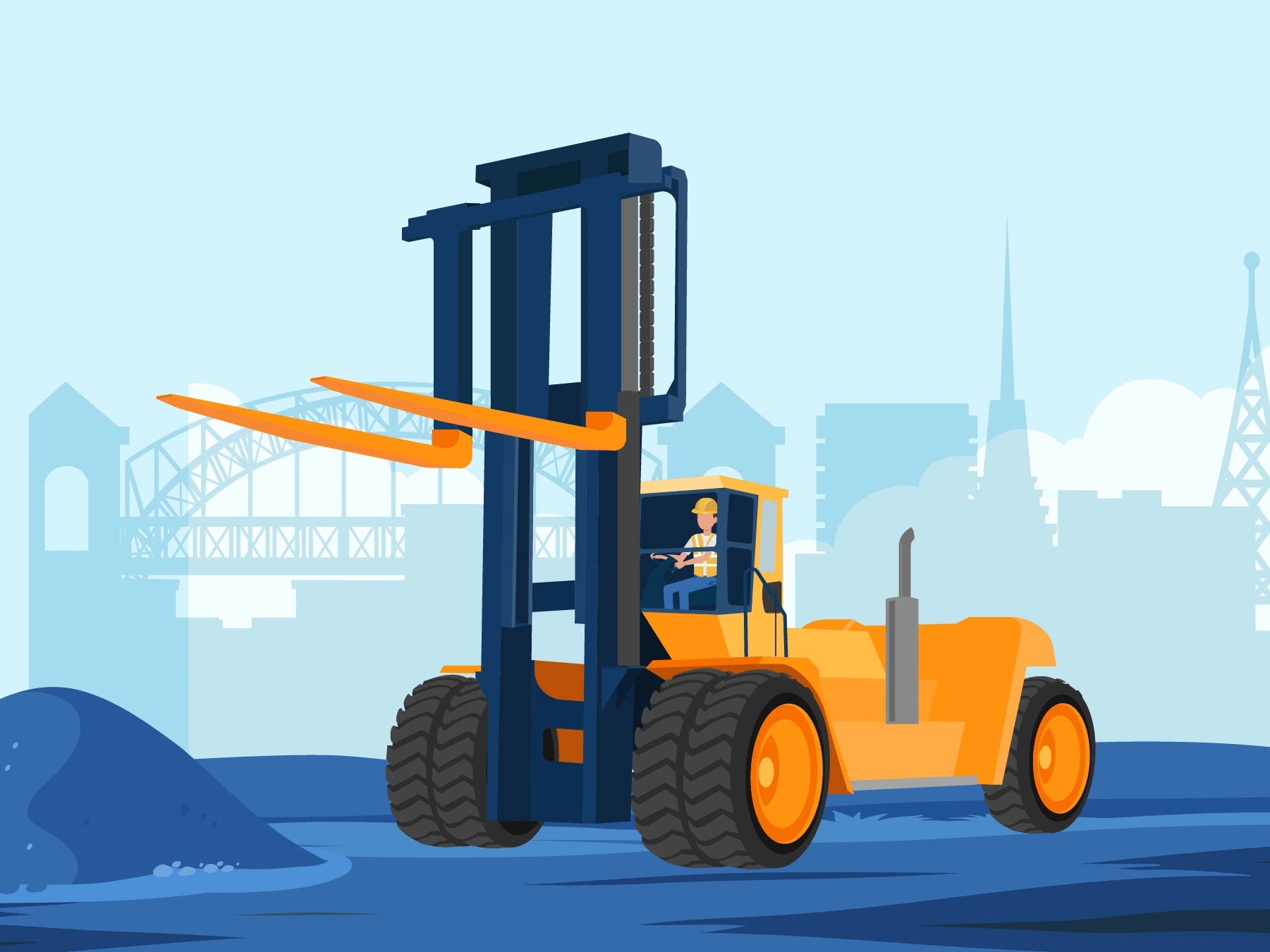
Most forklifts are designed for indoor or paved-surface use, moving loads on pallets. In contrast, heavy equipment often operates on rough terrain and handles bulk earth. Yet, some heavy-duty forklifts—like container handlers and rough-terrain models—are comparable in weight and function to small construction equipment.
Key Factors That Determine Classification
1. Weight and Capacity
Standard warehouse forklifts weigh 3,000–10,000 pounds. Heavy equipment like an excavator can weigh 20,000 pounds or more. However, large forklifts, such as those in the Liftron DL SERIES, can lift up to 10 tons. This places them near the lower end of heavy equipment weight classes.
2. Intended Use
- Construction: Rough-terrain forklifts lift materials on uneven ground, similar to telehandlers.
- Warehousing: Counterbalance forklifts move pallets on smooth floors.
- Ports and yards: Container handlers stack heavy containers, often classified as heavy machinery.
3. Regulatory Standards
OSHA classifies forklifts as industrial trucks, separate from heavy construction equipment. However, many insurance and rental companies categorize all large capacity lifts over 15,000 pounds as heavy equipment due to operational risks.
Forklifts vs. Heavy Equipment: A Comparison
| Feature | Standard Forklift | Heavy Equipment (e.g., Excavator) |
|---|---|---|
| Typical Weight | 3,000–10,000 lbs | 20,000–100,000+ lbs |
| Primary Surface | Paved, indoor | Rough terrain |
| Lift Mechanism | Forks, mast | Hydraulic arm, bucket |
| Regulatory Class | Industrial truck | Construction machinery |
| Operator License | Forklift certification | Heavy equipment license |
When a Forklift Crosses into Heavy Equipment Territory
Several scenarios push forklifts into the heavy equipment realm:
- Capacity: Forklifts lifting 20 tons or more, such as those used in steel mills.
- Terrain: All-terrain forklifts with large, pneumatic tires for construction sites.
- Attachments: Using forks, clamps, or booms for unique heavy objects.
- Military/Port Use: Heavy-duty forklifts moving cargo containers.
For these applications, Liftron Material Handling offers robust solutions that rival traditional heavy equipment in durability. Their models ensure high performance even in demanding environments.
Safety and Training Implications
If your forklift operates like heavy equipment—on rough terrain or lifting extremely heavy loads—operators may require additional training beyond standard OSHA forklift certification. Safety protocols should align with heavy equipment standards, including:
- Daily inspection of tires, hydraulics, and brakes.
- Use of seatbelts and rollover protection structures.
- Proper load securement for oversized items.
- Communication procedures in noisy environments.
Failing to distinguish the two can lead to equipment misuse, increased accident risk, and non-compliance with safety regulations.
Maintenance Differences
Standard forklift maintenance focuses on battery, tires, and hydraulic fluid. Heavy equipment requires more intensive servicing—engine overhauls, track tensioning, and emissions systems. Forklifts performing heavy duties, like the Liftron DL SERIES, benefit from maintenance schedules that blend both worlds. Lithium-ion models reduce some upkeep but still require attention to high-load components.
Industry Perspectives
Manufacturers often market larger forklifts as “heavy-duty” rather than heavy equipment. But in practice, many construction managers treat them as such. For example, a 50,000 lb capacity forklift used to move concrete blocks on a job site shares more with a bulldozer than a warehouse pallet jack.
Similarly, logistics and port operations classify container handling forklifts as heavy machinery due to their size, cost, and over-the-road transport requirements.
Conclusion: Does a Forklift Count as Heavy Equipment?
The answer depends on context. For most warehouse applications, no—forklifts are material handling equipment. But for large-capacity, rough-terrain, or specialized applications, they absolutely count as heavy equipment. Always assess weight, environment, and regulatory requirements. If in doubt, consult experts like Liftron Material Handling to ensure you have the right classification for safety, training, and compliance.
Ultimately, whether a forklift is heavy equipment is more than semantics—it affects operations, insurance, and liability. By understanding the nuances, you can make informed decisions for your fleet.

Add a review
Your email address will not be published. Required fields are marked *