are three of four wheel forklifts more powerful

are three of four wheel forklifts more powerful

Comparing three-wheel and four-wheel forklifts? Power extends beyond horsepower to lifting capacity, torque, traction, and efficiency. Three-wheel models excel in tight spaces with compact turning radii and agile maneuverability, ideal for indoor, smooth-floor operations under 4,000 lbs. Four-wheel units dominate heavy-duty tasks, offering superior stability, higher payloads up to 15,000 lbs, and better traction on rough or outdoor terrain. Modern lithium-ion options, like the Liftron DL SERIES, bridge the gap with smart energy management and consistent torque. Choosing the right forklift hinges on your specific application: evaluate aisle width, load weight, floor conditions, and duty cycle. Matching power to your operational needs ensures optimal productivity and cost-effectiveness, proving that power is contextual rather than wheel count alone.
are new liftron forklifts good

are new liftron forklifts good

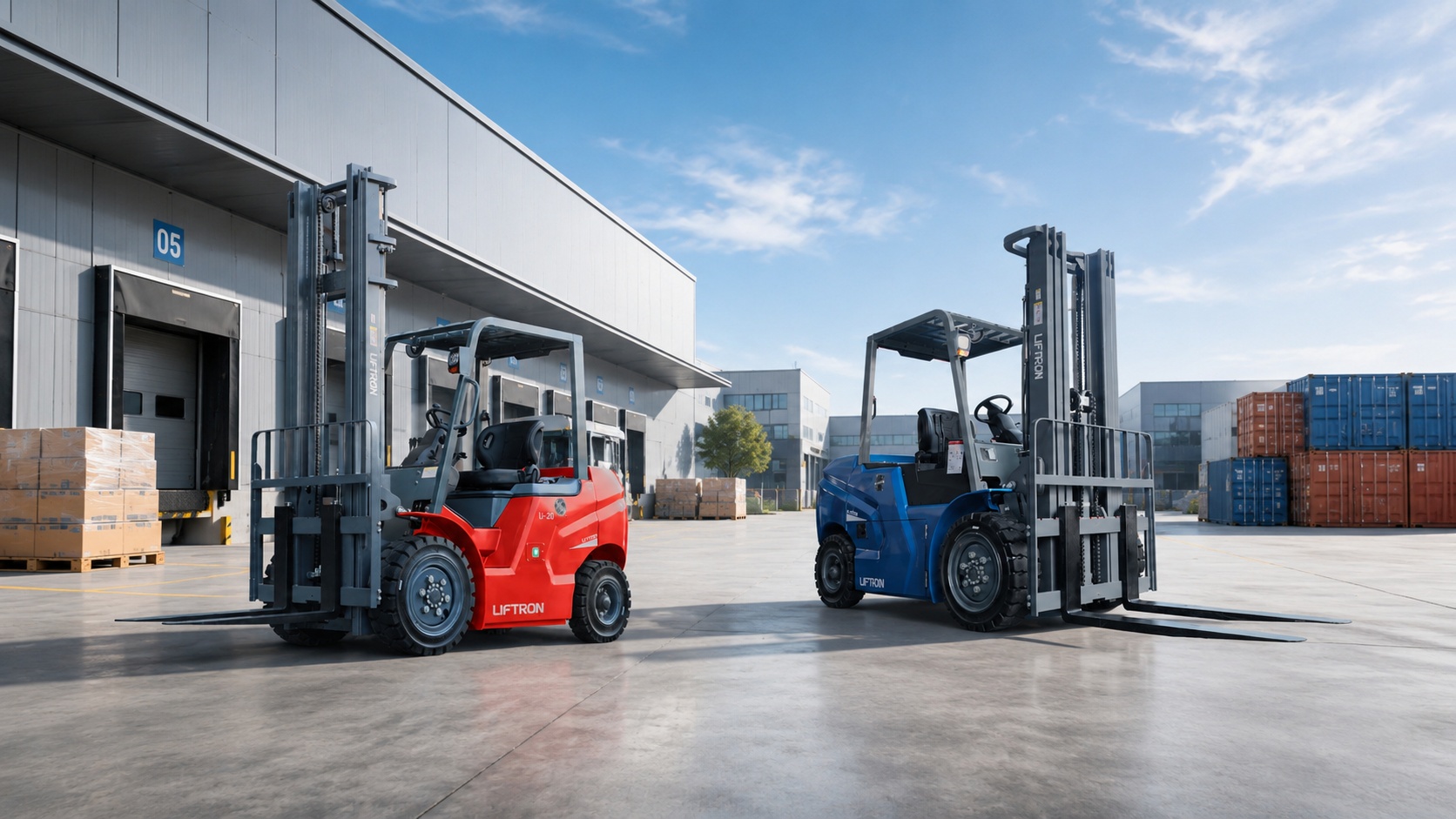
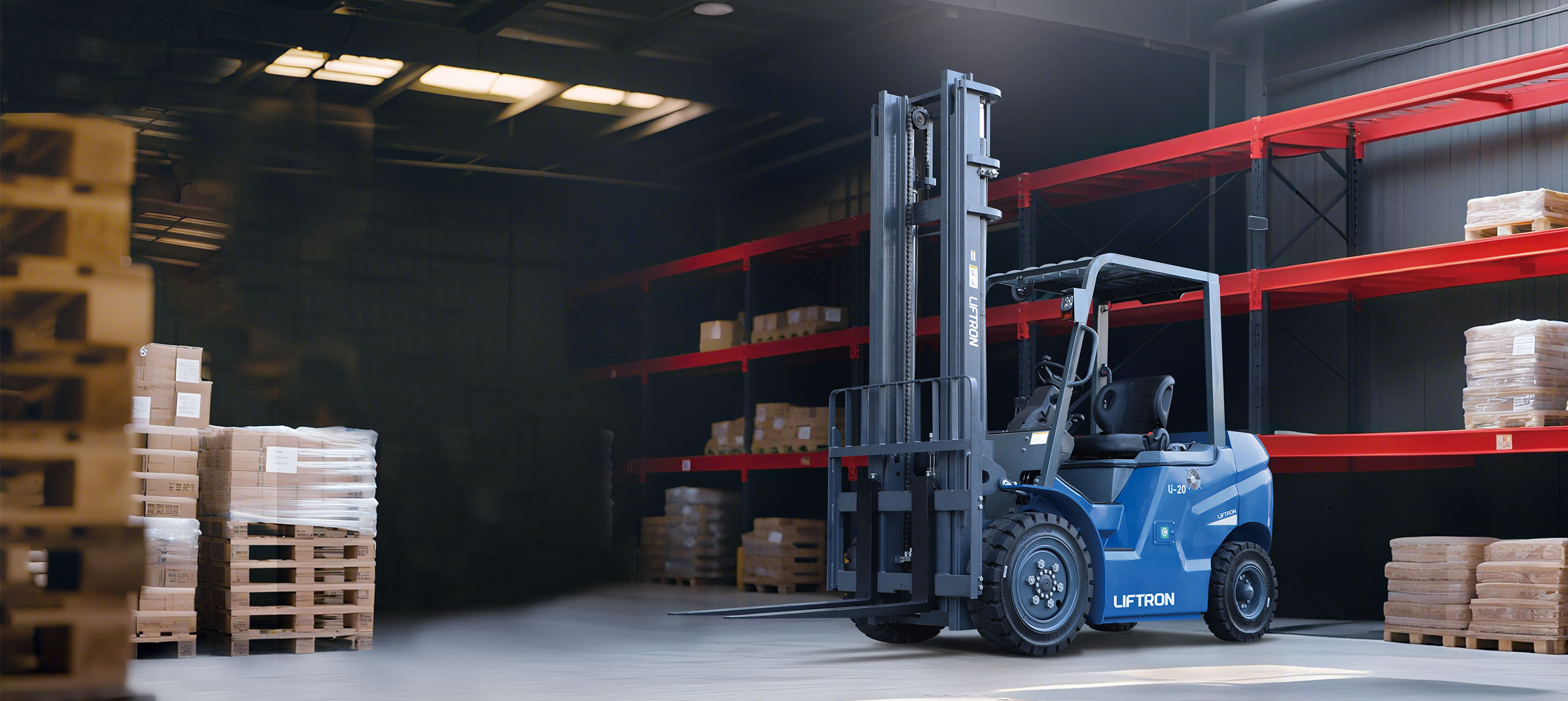
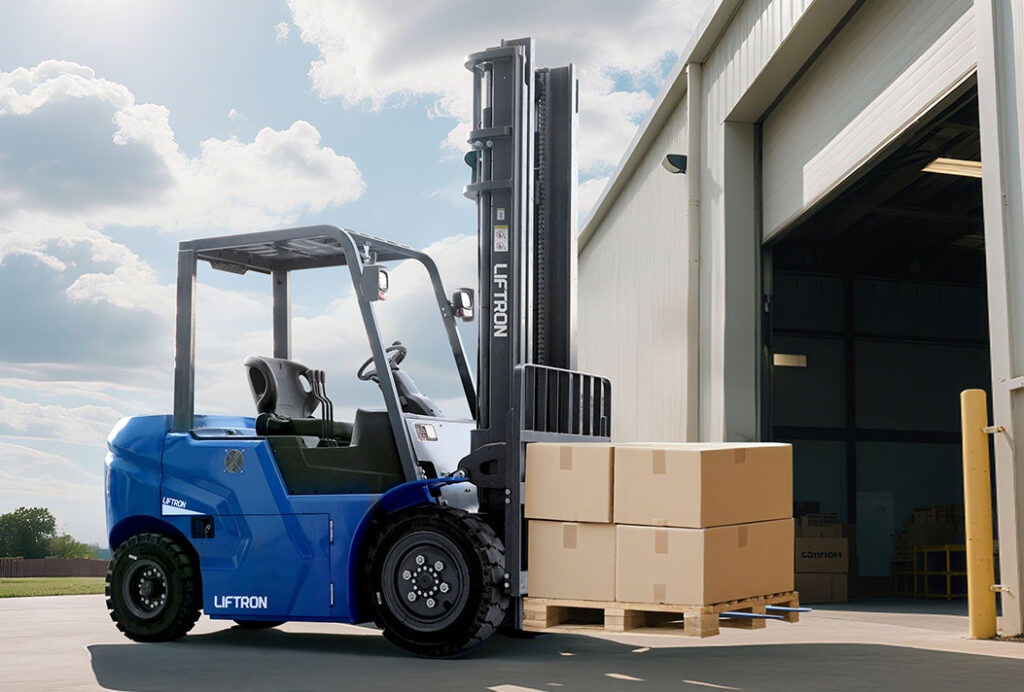
Are new Liftron forklifts worth the investment? This data-driven review evaluates build quality, performance metrics, and total cost of ownership against industry benchmarks. The DL Series lithium-ion models stand out with 2.5-hour fast charging, modular battery cells, and energy recovery up to 12%, translating into measurable savings—one operator cut electricity costs by 28%. User feedback highlights smooth acceleration and ergonomic comfort, while common complaints note limited dealer support and lower resale value compared to legacy brands. Performance tests show the Liftron DL 1.5T matches Toyota and Yale on lift speed and gradeability while drawing less energy per cycle. With simplified maintenance intervals and a robust 5-year battery warranty, these forklifts offer compelling ROI for single-shift warehouses and fulfillment centers. However, rural operations requiring immediate parts or 24/7 uptime may prefer established OEMs. Ultimately, Liftron’s new models deliver strong value for cost-conscious fleets prioritizing efficiency and upfront affordability.

are forklifts negative ground vehicles

are forklifts negative ground vehicles

Nearly all internal combustion and electric forklifts operate on a negative ground electrical system, where the negative battery terminal connects to the chassis. This universal standard simplifies maintenance, reduces corrosion, and enhances safety by minimizing stray electrical paths and arcing risks. Verifying polarity is straightforward using a multimeter or cable color coding, and it’s critical for safe jump-starting—improper hookups can cause sparks, explosions, or damage to sensitive electronics like controllers and battery management systems. The negative ground design also supports compatibility with diagnostic tools and aftermarket accessories, ensuring reliable fleet operations. Regular inspections of ground cables and connections, adherence to OEM guidelines, and proper training are essential to maintain integrity. For modern lithium-ion models, built-in safety systems often prevent jump-starting, requiring compatible charging stations instead. Understanding this grounding standard prevents costly errors, improves uptime, and ensures consistent performance across all forklift types, from ICE to electric pallet jacks.

are forklift and hi-lo the same

are forklift and hi-lo the same

“Hi-lo” is simply regional slang for a forklift—the two terms describe the same industrial machine with zero functional differences. This guide clarifies the terminology, explores why “hi-lo” persists in workplace jargon, and breaks down the ITA forklift classifications (Class I–V) to help you choose the right equipment. It also highlights modern advancements like lithium-ion technology, exemplified by the Liftron DL SERIES, which offers zero emissions, rapid charging, and reduced maintenance for indoor operations. Whether you’re navigating OSHA training, comparing electric vs. internal combustion models, or deciphering a veteran operator’s request, understanding these synonyms ensures safer and more efficient material handling. With practical safety tips and maintenance insights, this resource is your go-to for cutting through the confusion and making informed purchasing decisions in today’s evolving warehouse landscape.

how to secure a forklift for transport

how to secure a forklift for transport

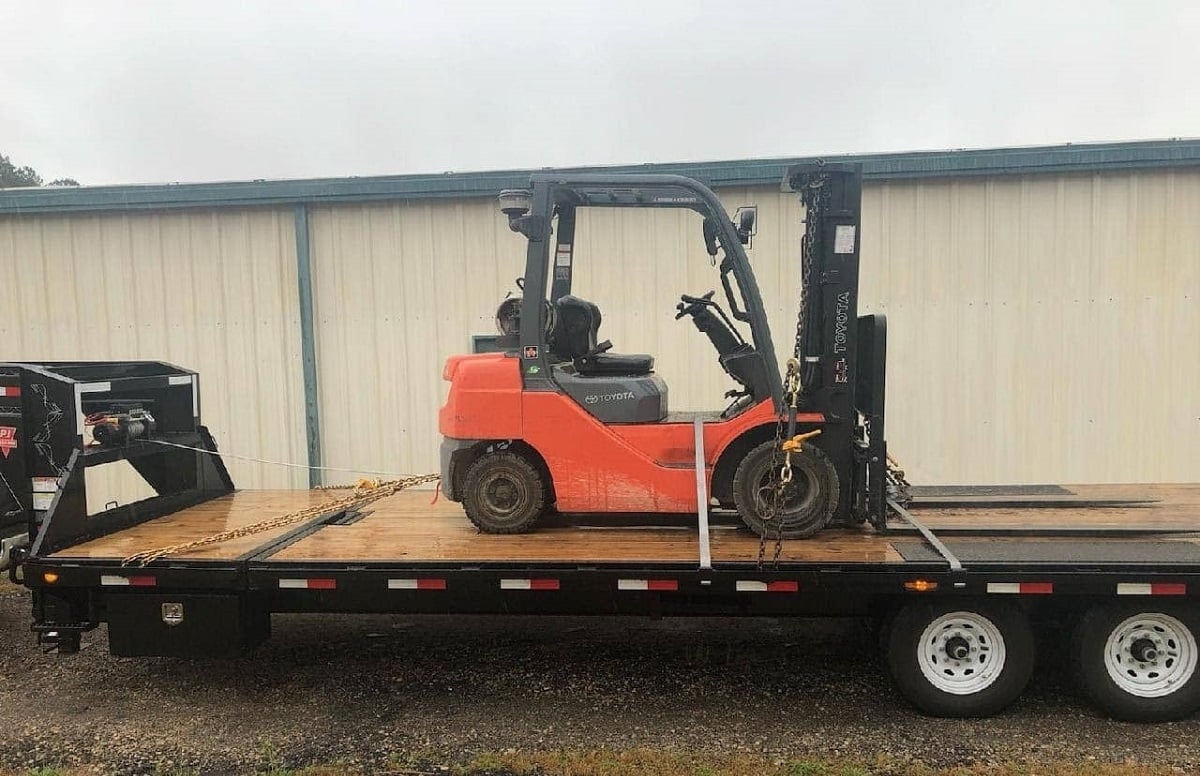
Transporting a forklift demands careful preparation to prevent damage, injury, and legal liability. Begin with a thorough pre-transport inspection of both the forklift and trailer, checking for leaks, tire condition, and secure tie-down points. Use grade 70 or 80 chains with proper ratings, attaching them to designated lugs on the frame, not vulnerable components like the mast. Lower the carriage, tilt the mast fully backward, and secure the forks to prevent movement. Chock all four wheels and engage the parking brake to stop rolling during transit. Apply at least four independent chains with ratchet binders, crossing them for stability while protecting hydraulic hoses and cables with guards. Position the load near the trailer’s center and verify overhead clearance. Conduct a final walk-around, confirm all binders are locked, and complete required documentation. Stop every few hours to re-tighten chains and inspect for shifting, ensuring safe, compliant delivery.

how to find reliable forklift parts and equipment suppliers

how to find reliable forklift parts and equipment suppliers

Finding reliable forklift parts and equipment suppliers is critical for reducing downtime, controlling costs, and ensuring workplace safety. This guide offers a practical framework for vetting vendors, covering essential criteria such as OEM versus aftermarket parts, inventory depth, technical expertise, warranty terms, and shipping logistics. Learn where to locate trustworthy dealers, how to evaluate new electric and lithium-ion models, and which red flags signal unreliable partners—from suspiciously low prices to poor communication. The article also emphasizes building strategic long-term relationships through vendor-managed inventory, leveraging digital e-commerce tools for efficient ordering, and optimizing costs without sacrificing quality. Compliance with safety standards and a structured decision-making process round out the advice, helping you secure a supplier that supports both immediate operational needs and future growth. With these insights, you can make informed, confident choices that keep your fleet running smoothly.

counterbalance forklift truck for rent liftron

counterbalance forklift truck for rent liftron

Renting a counterbalance forklift from Liftron Material Handling offers businesses flexibility without heavy capital investment, ideal for seasonal peaks, short-term projects, or testing new models. This guide covers key selection criteria, including load capacity, lift height, and fuel type, while highlighting the operational advantages of rental agreements—such as lower maintenance costs and access to modern safety features. Liftron’s rental fleet is rigorously inspected, with flexible terms, expert consultation, and responsive support to minimize downtime. The advanced lithium-ion powered DL SERIES is now available for rent, providing fast 1-2 hour charging, no battery maintenance, and 95% efficiency, reducing operational costs and environmental impact. Practical tips for maximizing rental efficiency, including operator training and charging scheduling, are also detailed. Cost comparisons show renting can be 30% cheaper for seasonal operations, with tax-deductible payments and included maintenance. Choose Liftron for reliable, flexible counterbalance forklift rentals that keep your warehouse productive and future-ready.

where can i rent an electric counterbalance forklift

where can i rent an electric counterbalance forklift

Renting an electric counterbalance forklift requires weighing national chains against specialized local dealers, each offering distinct benefits. National providers deliver convenience and flexible terms, while local dealers excel in service and newer technology, including lithium-ion models that charge rapidly and eliminate emissions. Comparing load capacity, battery type, maintenance response, and pricing structures is essential, with monthly rentals offering significant savings over daily rates. Costs vary by duration, with lithium-ion typically running 15–20% higher but cutting electricity expenses and boosting uptime. Online marketplaces provide quick quotes but may add hidden fees, so scrutinize delivery charges and inspect equipment upon arrival. For indoor or food-grade settings, sealed electric components and non-marking tires are critical. Securing the best deal involves sourcing multiple quotes, exploring rent-to-buy options, and confirming OSHA compliance. Ultimately, aligning your choice with operational demands ensures cost-effectiveness and safety across short-term needs or long-term projects.

rent electric forklifts for warehouses

rent electric forklifts for warehouses

Renting electric forklifts for warehouse operations offers a flexible, cost-effective alternative to purchasing, enabling businesses to manage seasonal demand spikes, test new technology, and preserve capital. This guide covers essential selection criteria, including load capacity, lift height, battery type (lithium-ion vs. lead-acid), and rental flexibility, along with a cost comparison highlighting maintenance savings and tax benefits. It also addresses operational strategies such as operator training, daily inspections, and telematics usage to maximize safety and efficiency. Environmental advantages, including zero emissions and support for sustainability goals, are explored. By choosing a reputable provider, warehouses can access well-maintained, modern equipment, reduce downtime risks, and optimize workflows without long-term commitment. Ideal for logistics managers seeking agility, this overview helps evaluate whether rental agreements align with dynamic inventory needs and financial objectives.

what are the top material handling companies

what are the top material handling companies

Choosing the right material handling equipment partner is pivotal for operational efficiency and long-term profitability. This guide examines top global providers, from Toyota and KION Group to Crown and Jungheinrich, highlighting their strengths in automation, ergonomics, and alternative energy solutions. It also covers emerging innovators like Mitsubishi Logisnext and EP Equipment, known for specialized, cost-effective offerings. Key selection criteria include total cost of ownership, automation readiness, service network, and energy strategy. A spotlight on Liftron Material Handling showcases the practical benefits of their lithium-ion DL SERIES forklifts, emphasizing fast charging, zero maintenance, and consistent performance in cold storage. The guide concludes with tailored recommendations, urging businesses to benchmark options against their specific load profiles, shift schedules, and automation goals to find a partner that simplifies operations rather than complicating them.

Back to Top
Product has been added to your cart