how can i get a cheap forklift

how can i get a cheap forklift

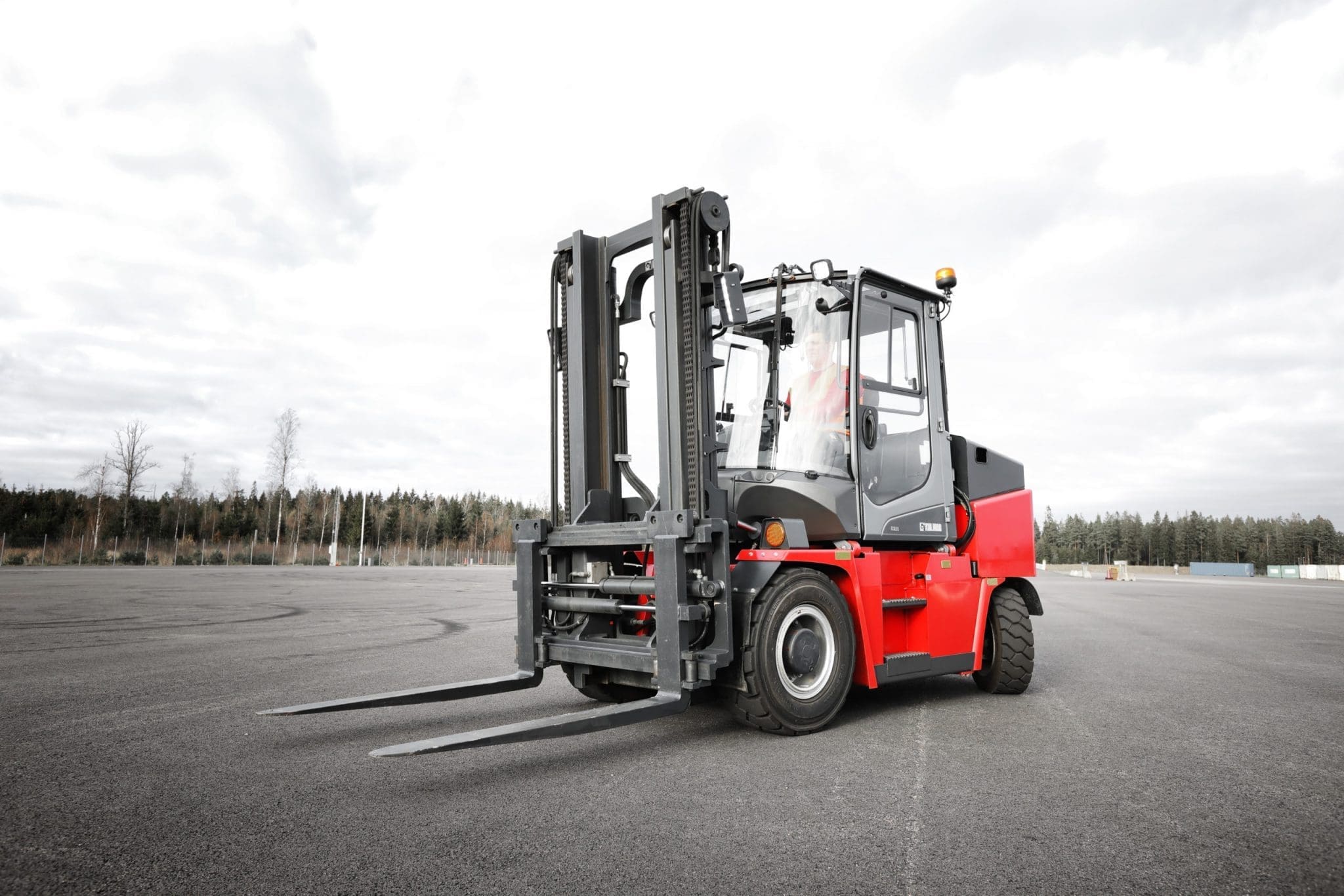
Securing an affordable forklift doesn’t require sacrificing quality or reliability. From certified used models and refurbished units to rentals, leases, and auction finds, budget-conscious buyers have more options than ever. The true secret lies in calculating total cost of ownership—factoring in energy, maintenance, downtime, and resale value—rather than just the purchase price. Lithium-ion retrofits, for instance, cut long-term expenses by up to 30%, making them a smart play even on a tight budget. Negotiation tactics like bundling purchases, shopping at quarter-end, and asking about aged inventory can also unlock significant savings. Safety compliance costs and proper equipment class selection must not be overlooked, as retrofitting can add unexpected expenses. Ultimately, partnering with a trusted dealer offers transparent histories, warranties, and financing options that protect your investment. A little patience and research can easily save thousands, ensuring you get a dependable machine that keeps operations running smoothly without breaking the bank.

how can i buy forklifts from china​

how can i buy forklifts from china​

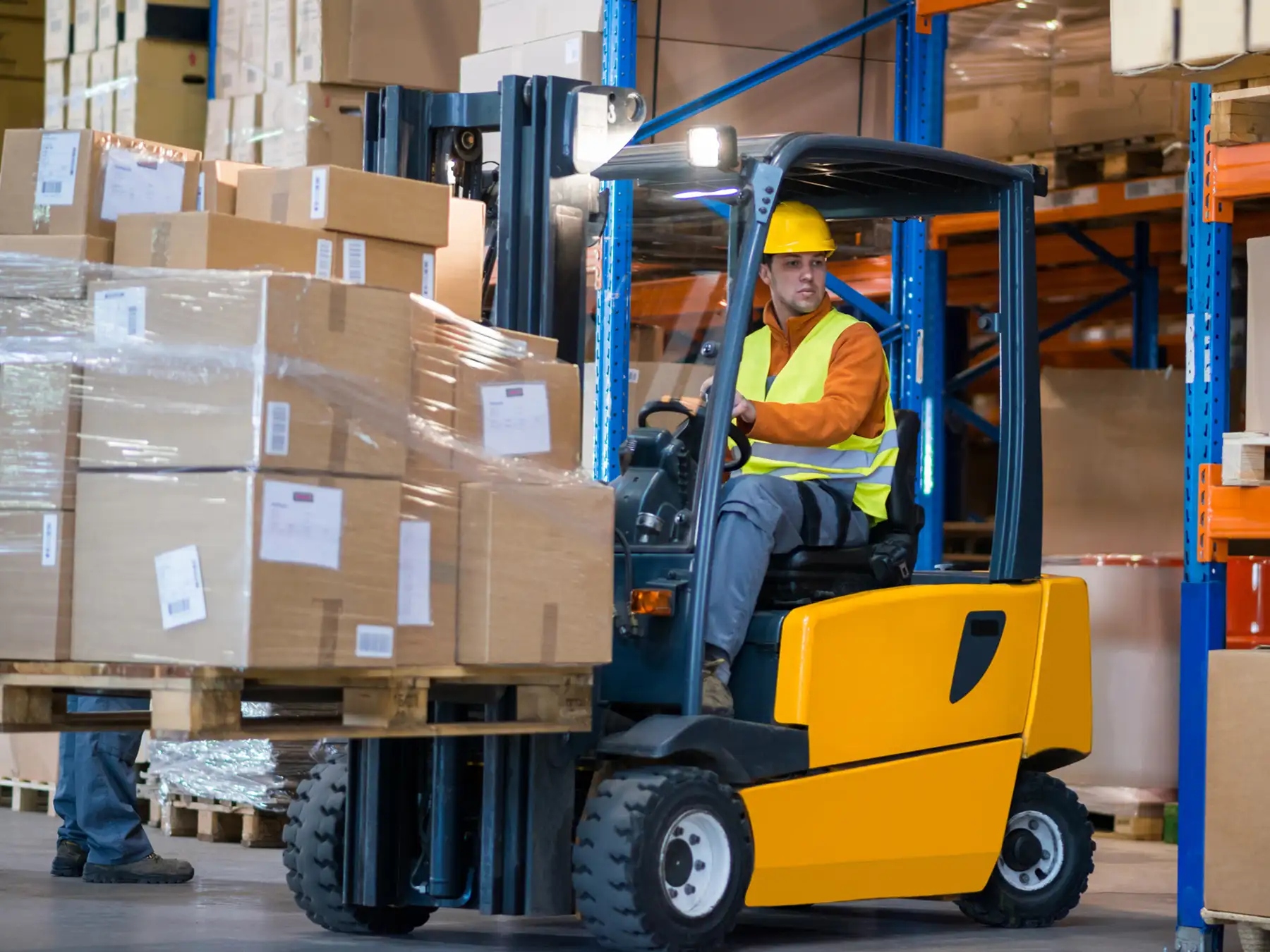
Discover how to buy forklifts from China with confidence, cutting costs by 30–50% while accessing advanced electric models. This comprehensive guide walks you through defining specifications—load capacity, lift height, fuel type, and environment—to finding vetted suppliers via B2B platforms, trade shows, and reputable manufacturers. Learn essential factory checks, from video tours to certification verification, and decode pricing structures like FOB, freight, and import duties to avoid hidden fees. Navigate shipping options, compliance standards for Europe, North America, or Australia, and secure after-sales support with spare parts and IoT diagnostics. Protect your investment with smart payment terms and contracts, ensuring quality and safety. Whether you explore lithium-ion innovations or trusted brands, this resource helps you source reliable equipment and streamline logistics, making Chinese forklifts a practical, profitable choice for your business.

does a side shifter increase a forklifts lifting capacity

does a side shifter increase a forklifts lifting capacity

A side shifter does not increase a forklift’s lifting capacity and typically reduces it by 5–10% due to added attachment weight and a forward-shifted load center. This guide explains the capacity loss mechanics, safety requirements like updated nameplates, and why precision positioning often outweighs the slight payload reduction. It covers capacity calculation formulas, alternative attachments, and tips for selecting a forklift with sufficient base capacity. For fleet managers, factory-integrated options, such as those offered on lithium-ion models, provide accurate derating curves and minimal impact. Prioritize updated capacity plates and operator training to ensure safe, efficient material handling.

do multi voltage forklift chargers charge multiple batteries simultaneously

do multi voltage forklift chargers charge multiple batteries simultaneously

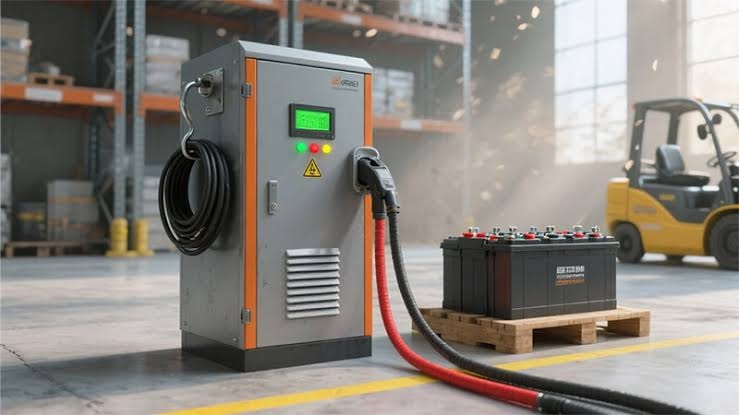
Multi-voltage forklift chargers typically charge one battery at a time, not multiple simultaneously. While these units automatically detect and adjust to various voltages (24V to 80V), their architecture limits them to a single battery pack due to current limitations, voltage detection conflicts, safety interlocks, and communication constraints with battery management systems. Attempting to charge multiple batteries via one output risks uneven charging, overcharging, or thermal imbalance. For facilities requiring concurrent charging, purpose-built multi-output chargers with independent channels are necessary, offering isolated circuits per battery. Standard multi-voltage chargers work well for sequential charging in small fleets, but high-throughput operations should invest in multi-bay solutions. Always verify manufacturer specifications before use, and never modify equipment or use parallel adapters. Modern lithium systems with CAN bus communication require dedicated single-battery pairing, making multi-battery support only possible with multiple communication ports. Choose chargers based on fleet size, voltage diversity, and operational workflow to optimize uptime safely.

do forklifts use hydrostatic transmissions

do forklifts use hydrostatic transmissions

Hydrostatic transmissions in forklifts use hydraulic pumps and motors instead of traditional gearboxes, offering smooth infinite speed control, reduced maintenance, and enhanced ramp handling with automatic rollback prevention. Ideal for stop-and-go warehouse operations, food processing, and cross-docking, HST systems eliminate clutch wear and provide precise load positioning via inching valves. However, they come with higher upfront costs, lower top speeds near 10–12 mph, and sensitivity to fluid contamination. Compare HST against automatic torque-converter and electric AC-drive models to match your capacity and energy needs. For emission-sensitive indoor use, lithium-ion electric options like the Liftron DL Series mimic HST smoothness without hydraulic fluid. Regular fluid checks, filter replacements, and hose inspections are essential for longevity. Choose hydrostatic for frequent direction changes and delicate handling; consider automatics or electrics for high-speed long-distance transport. Test drive both under real operating conditions to finalize your decision.

can you operate a forklift at night

can you operate a forklift at night

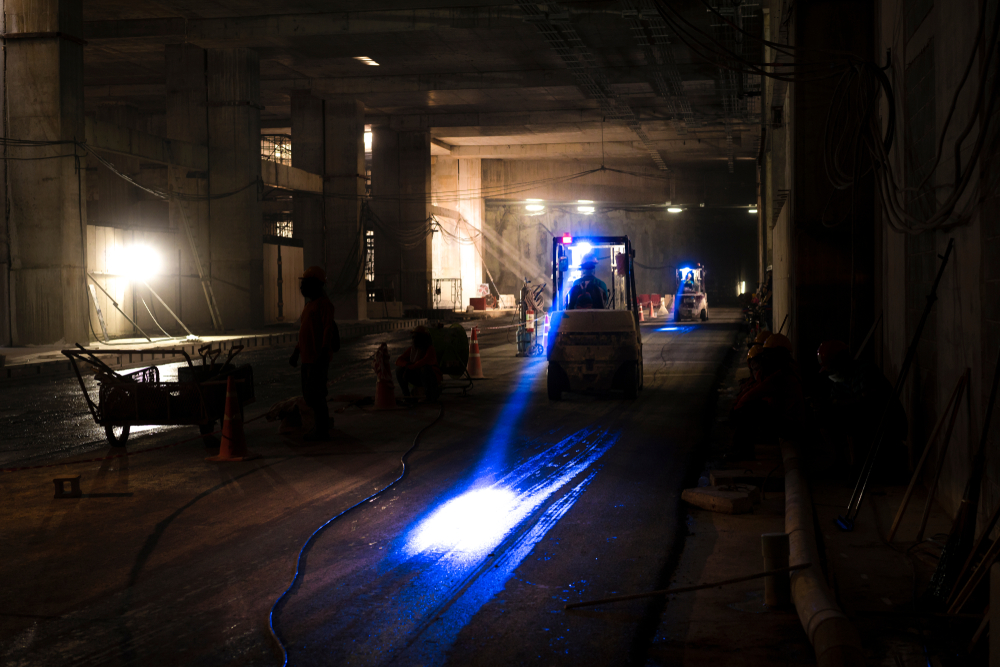
Nighttime forklift operation is legal and feasible, but only with proper lighting, rigorous equipment checks, and disciplined driving protocols tailored to low-light environments. Reduced visibility, glare, fatigue, and depth perception issues pose significant risks, requiring operators to slow down, increase following distances, and communicate more actively with pedestrians. Essential safety measures include equipping forklifts with forward and rear LED lights, blue spotlights, and maintaining warehouse illumination of at least 5 foot-candles in active aisles. Pre-shift inspections should prioritize light lenses, backup alarms, mirrors, battery charge (cold weather can reduce lithium-ion capacity by 20%), and glass cleanliness. Managing operator fatigue through scheduled breaks, rotation, and buddy systems is critical, alongside layout upgrades like motion-sensor lights, photoluminescent floor strips, and reflective markers. Lithium-ion models, such as the Liftron DL Series, offer reliable power, fast charging, and integrated lighting, reducing nighttime hazards. Documented risk assessments and emergency protocols, including personal flashlights and radio communication, complete a comprehensive night-operation safety strategy.

can you jack a forklift

can you jack a forklift

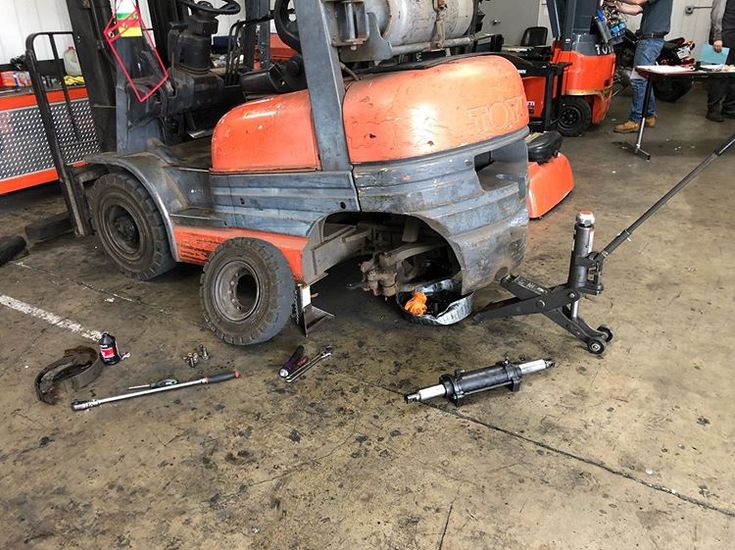
Jacking a forklift is a high-risk maintenance task that demands precise technique and equipment. This comprehensive guide outlines safe procedures for lifting heavy forklifts, covering essential jacking points, weight ratings, and step-by-step instructions. Learn the golden safety rules, including proper wheel chocking, jack stand usage, and battery removal for electric models. Discover where to place jacks on front and rear axles, understand the two-jack method for full lifts, and avoid common mistakes like using car jacks or lifting under counterweights. Special considerations for electric forklifts, including lithium-ion models, are detailed. The guide emphasizes consulting manufacturer specifications, using jacks rated for 1.5 times axle weight, and never working under an unsupported lift. Protect your crew and equipment with these expert tips for successful forklift maintenance.

can you drive a forklift over any type of surface

can you drive a forklift over any type of surface

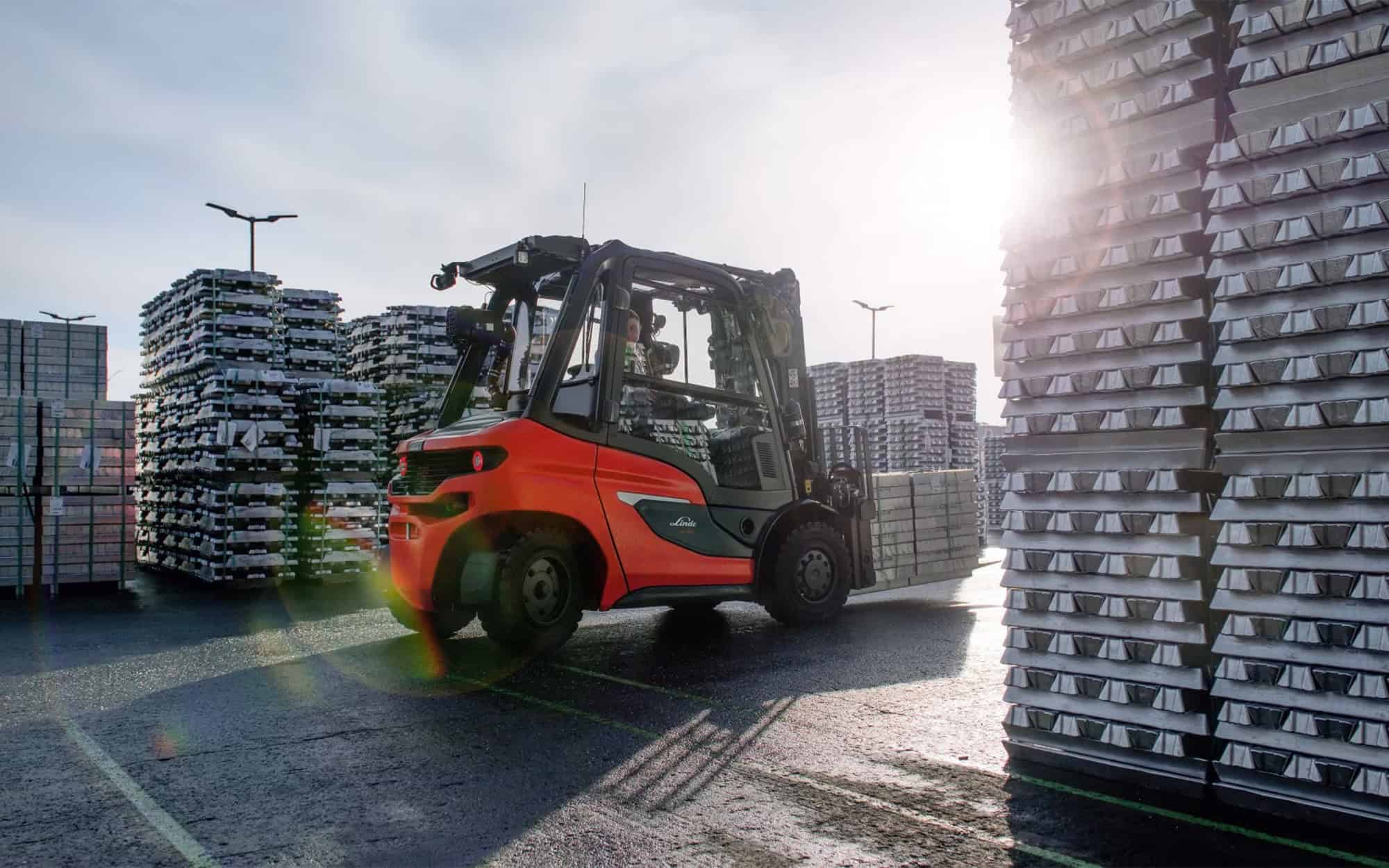
Operating a forklift safely across different surfaces depends on tire type, load weight, and ground conditions. Cushion-tire models suit smooth indoor concrete, while pneumatic-tire forklifts handle gravel, dirt, and packed earth, though deep mud, ice, and soft ground remain risky. Solid pneumatic tires offer puncture resistance for mixed environments but struggle in thick mud or sand. This guide breaks down surface-specific guidelines, including load capacity reductions—typically at least 20% on unpaved terrain—and center-of-gravity considerations to prevent tip-overs. It also highlights maintenance tips to avoid surface damage and recommends versatile models like the Liftron DL SERIES lithium-ion forklift for facilities transitioning between indoor floors and outdoor yards. Always conduct a site-specific risk assessment, verify surface load-bearing capacity, and adjust speed and load handling accordingly. By matching equipment to surfaces and following best practices, operators can maintain safety and efficiency across most common industrial and commercial settings.

can you drill holes in forklift forks

can you drill holes in forklift forks

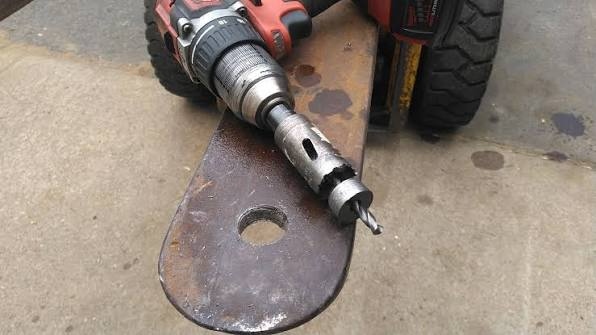
Drilling holes in forklift forks is unsafe and generally prohibited by manufacturers and safety standards. Forklift forks are engineered load-bearing components, and drilling creates stress concentration points, heat-affected zones, and metallurgical damage that can reduce load capacity by up to 35% or more, leading to sudden failure, dropped loads, and severe injuries. OSHA and ANSI/ITSDF regulations require manufacturer approval for any modifications, and drilling voids warranties and can result in legal liability, fines, and denied insurance claims. Safer alternatives include clamp-on attachments, factory-engineered mounting systems, or replacing forks with pre-drilled specialty models. If a hole is already drilled, the fork must be retired immediately—welding it shut is not safe. Regular inspections and choosing quality suppliers like Liftron Material Handling, which offers OEM-compliant new and used forklifts, ensure safe operations. Never drill; always replace or clamp.

can a hoisting hook be attached too a liftron forklift​

can a hoisting hook be attached too a liftron forklift​

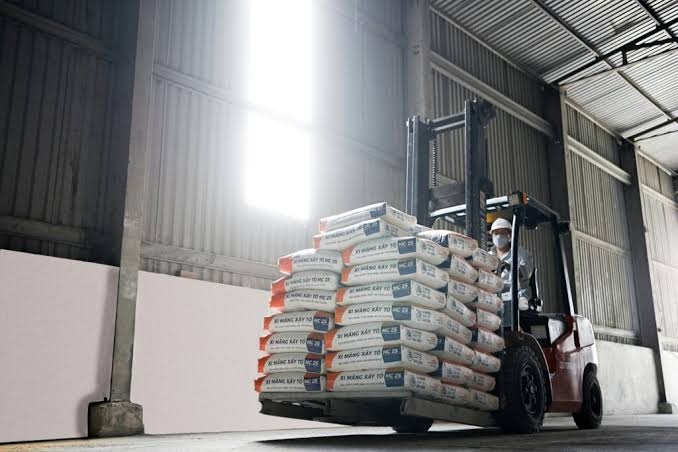
Attaching a hoisting hook to a forklift is widely discouraged due to fundamental design limitations and safety risks, as loads suspended from a hook introduce dynamic forces and load swings that exceed the forklift’s stability ratings. Manufacturer load charts assume centered, fork-based loads, and non-OEM hook modifications violate OSHA and ANSI standards, voiding compliance and increasing tip-over or structural failure risks. Real-world incidents show hook latches opening, mast wear, and tilt cylinder failures. Safer alternatives include certified fork-mounted jib crane attachments, overhead hoists, or using a Liftron DL SERIES lithium-ion forklift for precise fork-based tasks. Engineering calculations and case studies confirm that even rated hooks cannot compensate for lateral instability. Always seek manufacturer-approved attachments and respect the forklift’s engineered limits to prioritize operator safety and operational efficiency.

Back to Top
Product has been added to your cart