
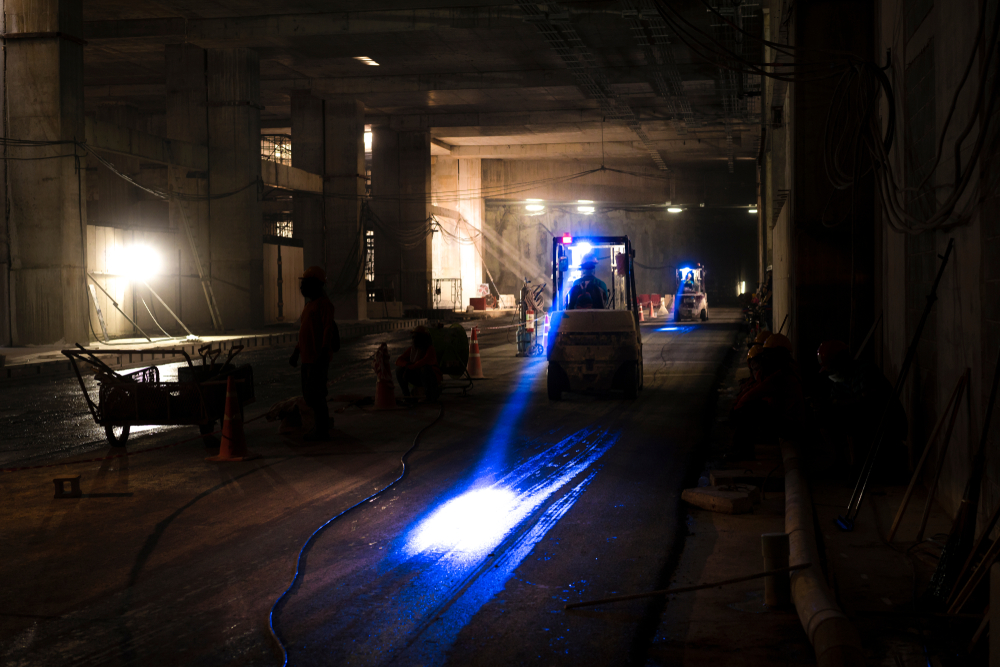
can you operate a forklift at night
Understanding Nighttime Forklift Operation: Safety and Best Practices
Operating a forklift after sunset introduces unique challenges, from reduced visibility to increased fatigue risks. Yes, you can operate a forklift at night, but doing so safely requires specific lighting, equipment checks, and operational protocols. This guide covers everything you need to know about nighttime material handling.
Is Nighttime Forklift Operation Legal and Allowed?
In most jurisdictions, forklift operation at night is perfectly legal, provided the worksite maintains adequate lighting. However, OSHA standards (29 CFR 1910.178) specifically require that forklifts be operated only in areas with sufficient illumination. Employers must ensure the entire travel path, load pickup points, and racking areas are clearly visible. If your facility operates shifts after dark or in dimly lit warehouses, you must install additional lighting or use forklift-mounted work lights.
Key Risks Associated With Nighttime Forklift Driving
- Reduced peripheral vision – Dark corners and shadows obscure pedestrians and racking edges.
- Glare from artificial lighting – Bright overhead lights can create harsh reflections on wet floors or shiny surfaces.
- Fatigue and drowsiness – The body’s natural circadian rhythm dips during late-night shifts, slowing reaction times.
- Depth perception issues – Limited contrast between pallets, floors, and walls increases the chance of misjudging distances.
- Equipment malfunction risk – Older battery-powered units may lose charge faster in cold nighttime temperatures, leading to sudden power loss.
Essential Lighting Requirements for Night Shifts
Proper illumination isn’t just about seeing – it’s about being seen. Every forklift used at night should be equipped with both forward-facing headlights and rear-facing taillights. Many modern units come standard with LED work lights that illuminate the fork tips and load area. For extra safety, consider adding blue spotlights or red zone lights that project a visible outline around the forklift, warning nearby workers.
Warehouse lighting itself should maintain at least 5 foot-candles of illumination in active aisleways and 2 foot-candles in storage areas, according to IES recommendations. If you rely on natural light in partially open facilities, ensure transitional zones have adequate artificial lighting to avoid sudden darkness.
Pre-Operation Checklist After Dark
Before starting any nighttime shift, perform a rigorous pre-shift inspection. Beyond the standard checklist (tires, brakes, horn, hydraulics), pay extra attention to:
- All light bulbs and lenses – Replace any cracked or burnt-out lights immediately, including dashboard indicators.
- Backup alarms and strobes – Verify that audible warnings are loud enough to overcome background noise in a quiet night environment.
- Mirror clarity – Wipe down mirrors and ensure they are properly angled to compensate for dark blind spots.
- Battery charge level – For electric models, confirm a full charge with extra reserve. Cold weather can reduce lithium-ion capacity by up to 20%.
- Window and glass cleanliness – Even minor smudges worsen glare at night when headlights hit them.
Driving Techniques for Low-Light Environments
Once you’re behind the wheel, adopt a defensive driving mindset. Reduce your speed by at least 25% compared to daytime operations. Give yourself double the following distance behind other vehicles or pedestrians. Always stop completely at aisle intersections and sound the horn before turning a blind corner. Avoid sudden braking, which can cause loads to shift when you can’t clearly see their center of gravity.
Pedestrian communication is critical at night. Many facilities enforce stricter protocols, such as requiring workers to wear high-visibility vests with reflective striping. As an operator, use your horn more frequently than during the day – even when you don’t see anyone, a short beep alerts unseen pedestrians to your presence.
Battery and Equipment Considerations for Extended Night Shifts
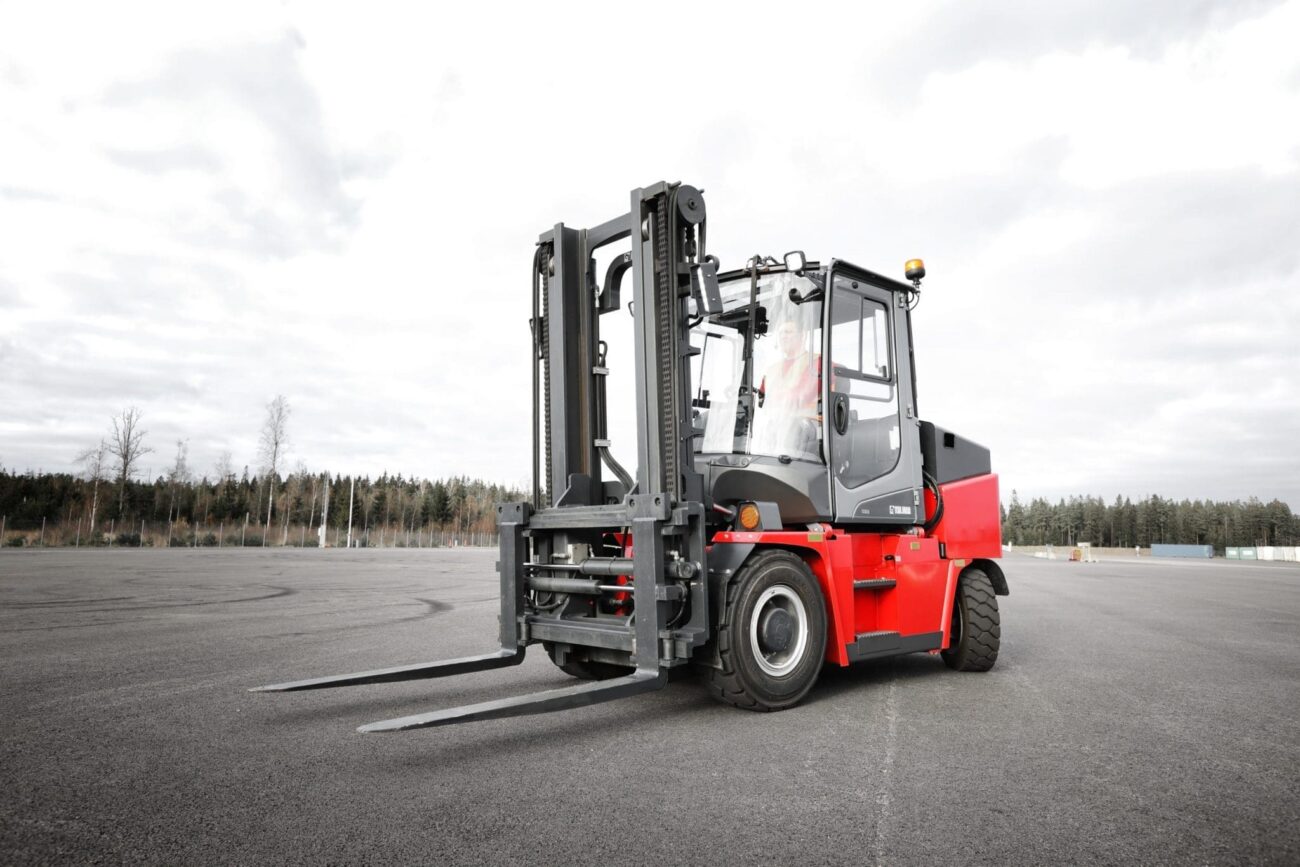
If your operation runs multiple nighttime hours, equipment reliability becomes paramount. Traditional lead-acid batteries degrade faster with frequent opportunity charging, but modern lithium-ion technology excels in multi-shift environments. Liftron Material Handling offers advanced electric forklifts designed for continuous operation. Their Liftron DL SERIES delivers consistent power output in cold conditions, with fast-charging capabilities that allow full recharge during meal breaks or shift handovers.
Lithium-ion batteries handle partial charges without memory effect, so you can top up between tasks. Additionally, they require zero maintenance, eliminating the risk of acid spills in dark environments where puddles are hard to see. For nighttime safety, the DL series also features integrated LED lighting packages and optional blue safety spotlights.
Managing Operator Fatigue During Night Operations
Even with perfect lighting, fatigue remains the number one hazard. The human body isn’t naturally active at 2 AM. Implement structured rotation schedules – no operator should continuously drive for more than 4 hours without a 15-minute break. Encourage short walks, stretching, and hydration. Avoid heavy meals before night shifts, as digestion diverts blood flow and increases drowsiness.
Some facilities implement “buddy systems” where operators check each other’s alertness every hour. Watch for micro-sleeps, such as head bobs or drifting steering. If an operator reports eye strain or feels heavy eyelids, they must immediately stop the forklift in a safe zone and report to a supervisor.
Warehouse Layout Modifications for Safer After-Hours Operation
Adjusting the physical space itself can dramatically improve night safety. Install motion-sensor lights at intersections and end-of-aisle locations. Paint floor edges with photoluminescent (glow-in-the-dark) strips that charge during the day and emit soft light at night. Use colored tape to mark pedestrian walkways more vividly. Also, ensure that all signage is backlit or highly reflective.
Also consider acoustic signage – using reflective mirrors at blind corners works well only when operators can see them. In very dark spaces, mirrors become useless. Reflective markers on racking posts, forklift masts, and walls help define boundaries without relying on overhead lighting.
Risk Assessment and Documentation
Every facility operating forklifts after dark must conduct a thorough job hazard analysis specific to night conditions. This assessment should document lighting levels at every workstation, measure traffic patterns, and evaluate emergency procedures (like power outages). Post inspection records of lighting levels in high-traffic zones. Update your training programs to include a dedicated module on nighttime navigation – many forklift training curriculums omit this critical component.
Emergency Protocols Unique to Nighttime
If a forklift breaks down in darkness or an accident occurs, response times lengthen. Pre-plan emergency exits for every aisle, and ensure that fire extinguishers are illuminated with glow markers. Every operator should carry a personal flashlight, even if the forklift has work lights. Establish a communication protocol – radios, not just horns – so that operators can call for help immediately. Finally, never leave a stalled forklift in an aisle; secure it with wheel chocks and hazard lights, then post a spotter if possible.
Ultimately, operating a forklift at night is safe and efficient when you combine proper equipment, disciplined driving habits, and robust workplace lighting. Investing in modern material handling solutions like the Liftron DL SERIES eliminates many traditional nighttime risks, offering superior visibility aids and reliable power. Review your current night operations today and identify any gaps in your safety protocols – your operators and your inventory depend on it.

Add a review
Your email address will not be published. Required fields are marked *