
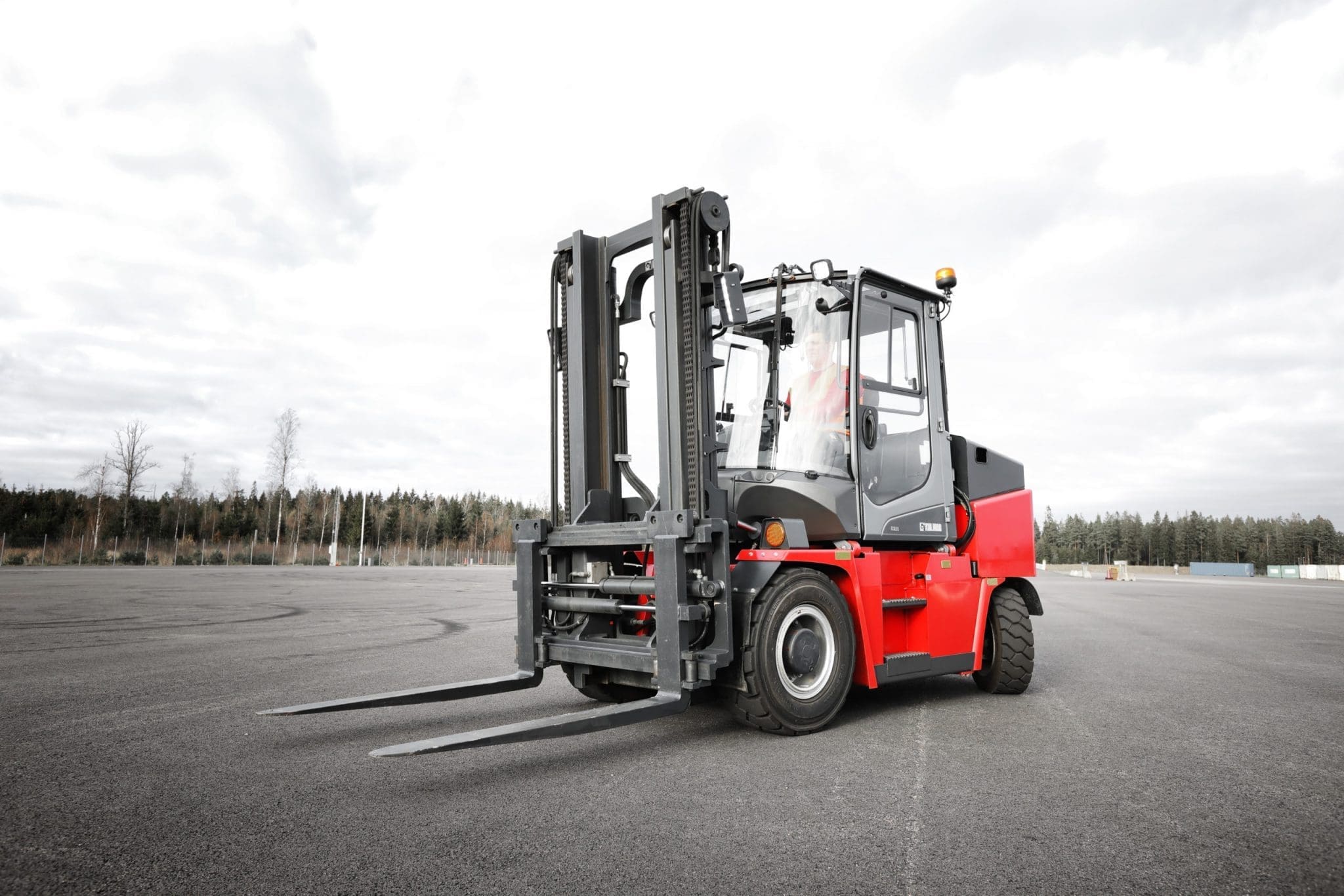
can you drive a forklift over any type of surface
Operating a forklift across varied terrain is common in many industries, but the question of whether you can drive one over any surface has a complex answer that depends on tire type, load weight, and floor or ground conditions. While standard cushion-tire forklifts are strictly for smooth, indoor concrete, pneumatic-tire models can handle gravel, dirt, and even mud with caution. The short answer is no—no forklift is universally safe on every surface, but with the right equipment and practices, you can safely operate on most common surfaces if you follow manufacturer guidelines and perform a site-specific risk assessment.
Understanding Forklift Tire Types and Surface Compatibility
The single most important factor determining which surfaces a forklift can handle is its tire configuration. Forklift tires fall into three main categories, each engineered for specific environments. Choosing the wrong tire for a surface not only damages the floor but also creates serious rollover risks that can cause injury or fatality.
1. Cushion Tires for Smooth, Indoor Surfaces
Cushion tires are solid rubber, pressed onto a steel rim, with a smooth tread pattern. They are designed for finished concrete floors, asphalt warehouse floors, and other hard, level surfaces. Because they provide low traction on loose or uneven ground, driving a cushion-tire forklift over gravel, grass, or dirt will result in wheel spin, loss of steering control, and rapid tire wear. Additionally, hard cushion tires can cause significant damage to soft surfaces, leaving ruts and cracks. If your facility has a loading dock or an outdoor yard, never use cushion-tire equipment without a dedicated, smooth transition mat.
2. Pneumatic Tires for Outdoor and Rough Terrain
Pneumatic tires are filled with air (or a solid foam substitute) and feature a deep, aggressive tread similar to light truck tires. These provide superior traction on loose gravel, packed dirt, sand, and even light mud. However, they are not suitable for very soft or saturated ground, where the vehicle may sink. Pneumatic-tire forklifts also have a higher ground clearance, allowing them to traverse small debris, uneven paving stones, and threshold edges. For most outdoor applications—construction sites, lumber yards, and recycling centers—pneumatic tires are the standard choice. But you must reduce speed when crossing wet grass or icy surfaces, as lateral slip remains possible.
3. Solid Pneumatic Tires for Mixed Use
Solid pneumatic tires are a compromise: they have the tread shape of pneumatics but are entirely solid rubber, eliminating the risk of punctures. They are ideal for environments with nails, scrap metal, or glass shards that could deflate a standard tire. These tires still struggle on thick mud or fine sand because they do not flex like air-filled tires, reducing contact patch. You can drive them over most rough concrete, compacted gravel, and even rail crossings, but avoid deep, loose snow or soft loam.
Surface-Specific Guidelines for Safe Forklift Operation
Beyond tire type, the actual condition of the surface matters as much as its material. The following breakdown covers common surfaces found in industrial, agricultural, and commercial settings.
| Surface Type | Can You Drive Over It? | Key Considerations |
|---|---|---|
| Finished concrete | Yes (all tires) | Smooth, dry concrete allows full capacity; wet concrete reduces traction by 20% |
| Rough concrete (cracked, pitted) | Yes (pneumatic only) | Cushion tires can get caught in cracks; reduce speed to avoid load shifting |
| Asphalt (hot or cold) | Yes (pneumatic) | Soft asphalt can be damaged by cushion tires; keep speed under 5 mph |
| Gravel (loose, small stones) | Yes (pneumatic) | Reduce load capacity by 15-20%; avoid sudden turns that cause wheel slip |
| Gravel (large, sharp) | No for cushion, cautious for pneumatic | Large stones can puncture pneumatic tires; use solid pneumatic if possible |
| Dirt (packed) | Yes (pneumatic) | Check for soft spots after rain; do not travel across slopes over 5% |
| Mud (wet, sticky) | No for most forklifts | Only specialized rough-terrain forklifts with deep tread and high clearance can operate |
| Grass (dry, short) | Yes (pneumatic) | Avoid wet or slippery grass; keep loads centered and low |
| Snow (compacted) | Yes (pneumatic or chains) | Use tire chains for ice; maintain extra stopping distance |
| Ice | No | Forklifts have no traction on ice unless equipped with studded tires, which are unusual |
| Wooden dock plates | Yes (all tires) | Ensure plate is rated for forklift weight; drive straight across |
| Metal grating or diamond plate | Yes (cushion or pneumatic) | Wet metal surfaces are extremely slippery; reduce speed dramatically |
| Expanded metal mesh | Yes (cushion) | Small wheels can catch; ensure mesh holes are smaller than tire width |
Load Capacity Reduction and Centre of Gravity on Rough Surfaces
Even if a surface seems traversable, carrying a full rated load over uneven terrain drastically increases the risk of tip-over. On smooth concrete, a forklift’s rated capacity assumes a specific load centre and level surface. When you drive over potholes, loose gravel, or railroad tracks, the dynamic forces cause the load to swing and shift, exceeding the stability triangle. As a rule, reduce your nominal capacity by at least 20% when operating on any unpaved surface. For example, a 5,000 lb capacity forklift should not carry more than 4,000 lbs over gravel. Also, avoid lifting the mast while moving; always travel with the forks lowered to approximately 4-6 inches off the ground.
Forklift Recommendations for Mixed Indoor/Outdoor Use
If your operation requires moving between smooth warehouse floors and rougher yard areas, consider a forklift specifically designed for multi-surface utility. Many manufacturers now offer models with pneumatic tires that are still agile enough for indoor aisles. One such solution is the Liftron Material Handling range, which provides versatile equipment suited for various surfaces. Their engineering focuses on stability and tire durability, making them a reliable choice for facilities with both concrete and compacted gravel zones.
The Role of Lithium-Ion Electric Forklifts on Varied Surfaces
Electric forklifts, especially those with lithium-ion batteries, have a different weight distribution than internal combustion models. The battery sits low in the chassis, lowering the centre of gravity, which can slightly improve stability on uneven ground. However, electric forklifts are also generally only offered with cushion or pneumatic tires depending on the model. If you need a machine that can handle both smooth indoor floors and occasional outdoor gravel, look for a model like the Liftron DL SERIES, which combines the clean operation of lithium-ion power with the ability to fit pneumatic tires. This series is designed for high throughput in mixed environments, offering both comfort and traction control on imperfect surfaces.
Surface Damage Prevention and Maintenance Tips
Driving any forklift over surfaces beyond their intended use can cause costly damage to both the vehicle and the ground. For example, cushion-tire forklifts on asphalt create ruts that later become drainage hazards. Similarly, pneumatic-tire forklifts on polished concrete can leave black marks from the tread compound. To mitigate this, always sweep or brush loose debris before entering indoor areas from outdoors. If you frequently transition between surfaces, consider installing a transition plate or a wash-down station to remove mud and stones from tires before re-entering the warehouse.
Check Surface Load Bearing Capacity
Before driving over any surface, verify that it can bear the combined weight of the forklift and its load. A standard forklift with a 5,000 lb load can exert point loads exceeding 10,000 psi at the wheel contact patch. Most outdoor soils cannot support that pressure, especially when wet. Use wide base plates or plywood sheets under wheels when moving across soft ground, but never rely on that as a substitute for proper tires.
Final Verdict: Surface-Specific Operation is Mandatory
No universal “yes” exists for driving a forklift over any surface. The correct answer is always determined by tire type, surface condition, load weight, and operator skill. For indoor-only operations, stick with cushion tires on sealed concrete. For any mix of outdoor surfaces, choose a pneumatic-tire forklift from a reputable brand like Liftron Material Handling, and when possible, select a model with advanced stability features such as the Liftron DL SERIES. Always perform a pre-shift inspection of tires, and walk the route to identify potential hazards before moving a load. Following these principles will keep your operators safe, your loads secure, and your surfaces intact across all common working environments.


Add a review
Your email address will not be published. Required fields are marked *