what is material handling equipment in a warehouse
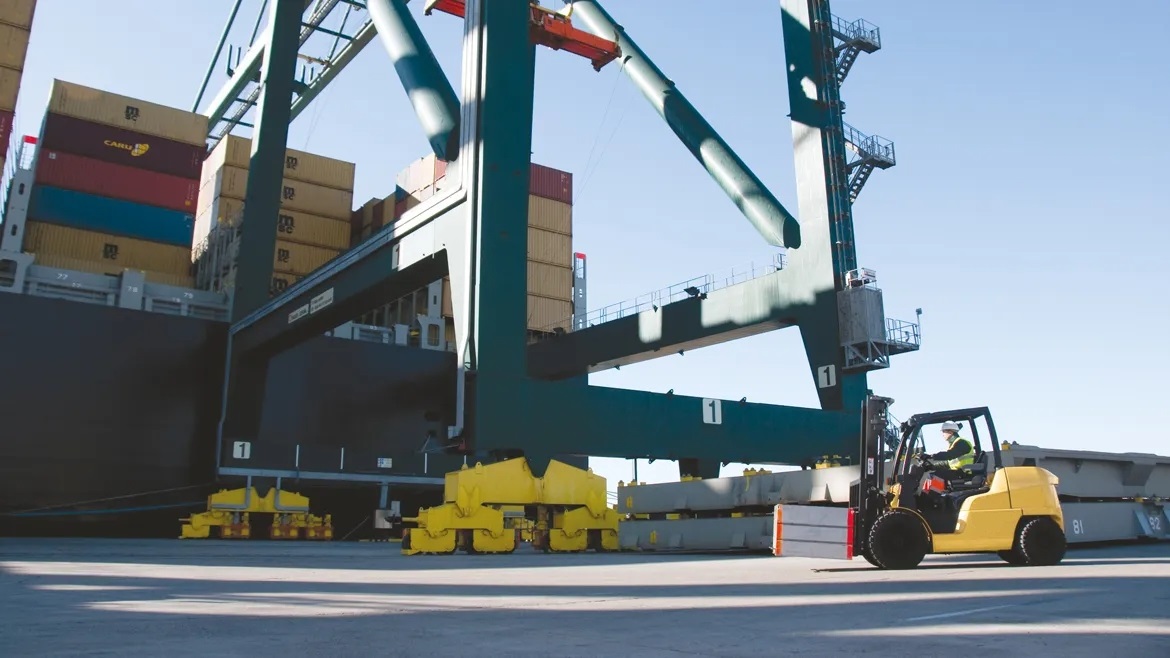
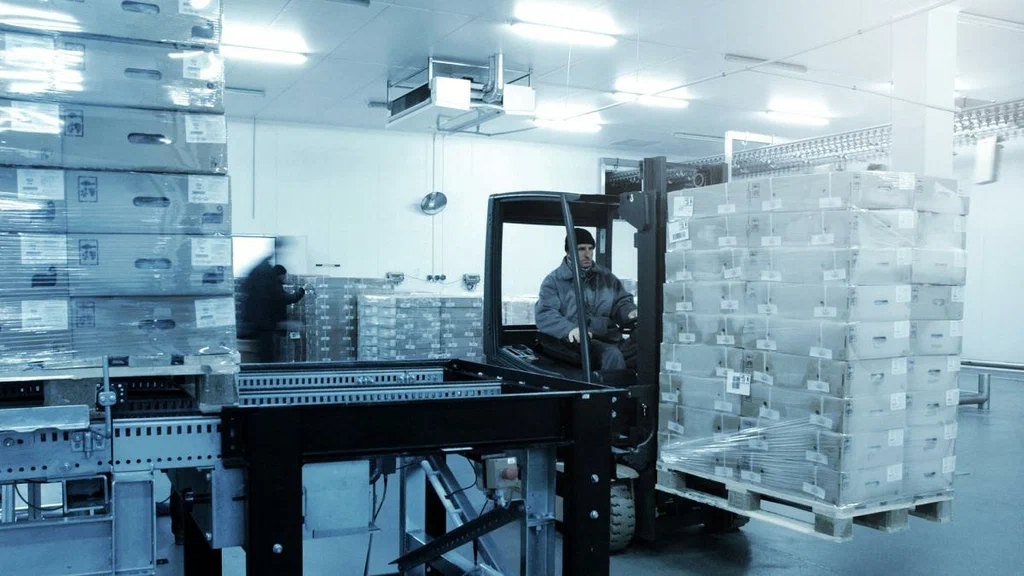
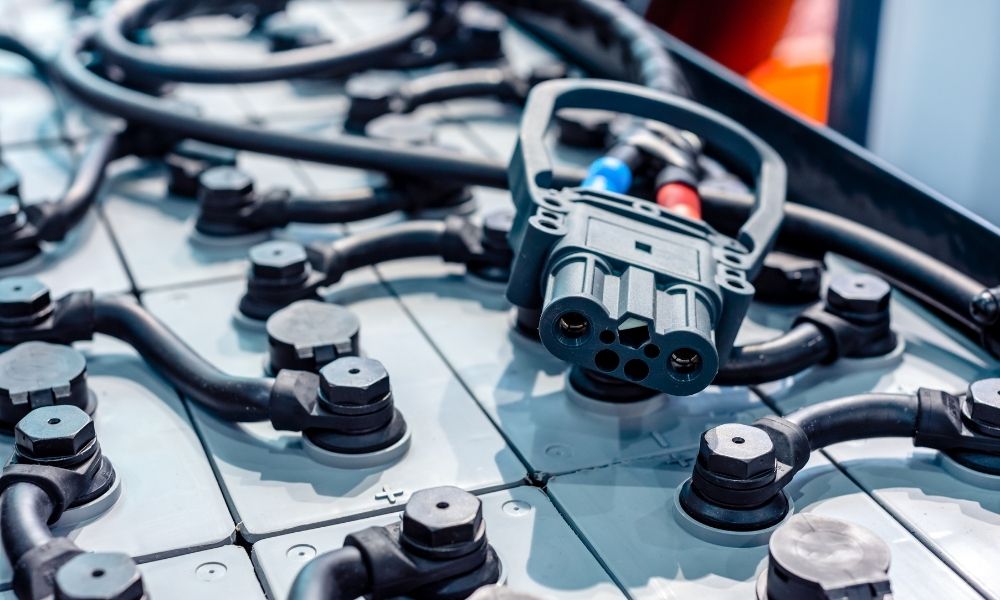
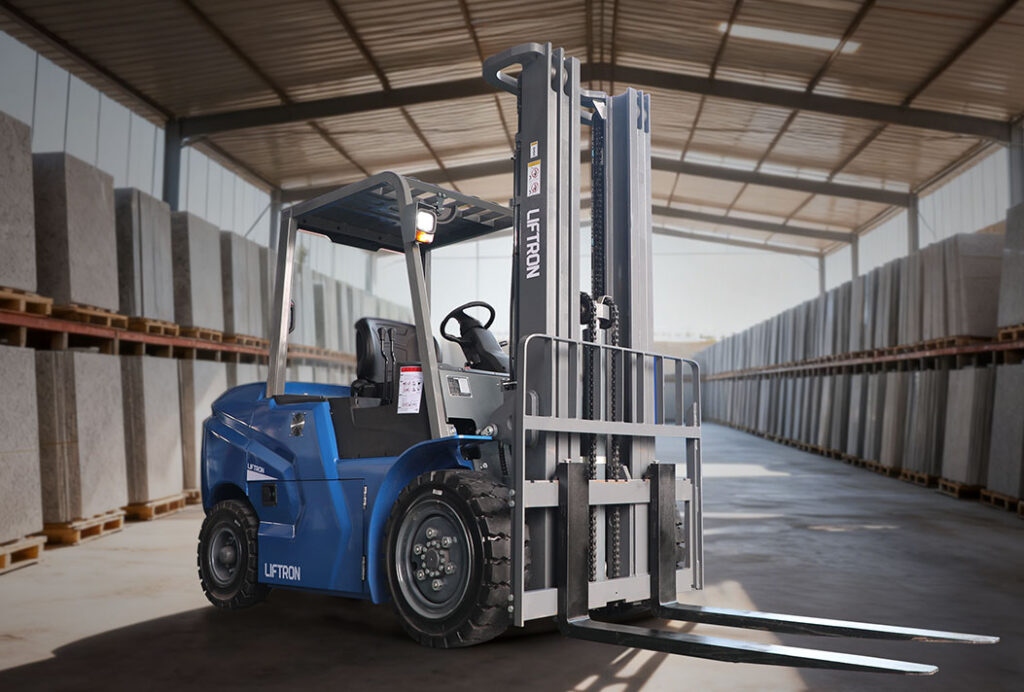
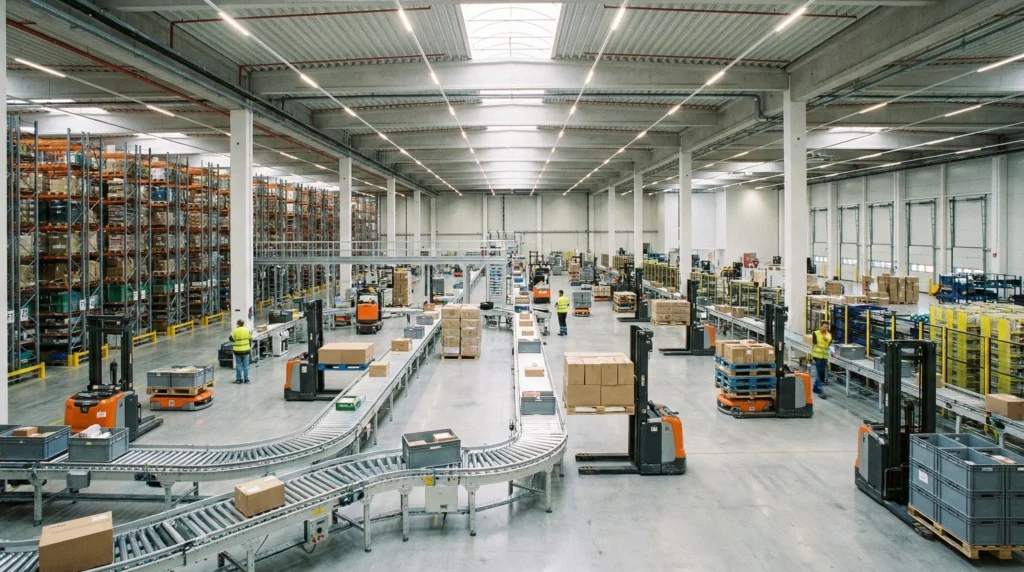
Discover the essential guide to warehouse material handling equipment, covering storage systems, conveyors, forklifts, AGVs, and dock gear. Learn how modern solutions like the lithium-ion powered Liftron DL SERIES enhance productivity, safety, and space utilization. This overview breaks down key selection factors—load capacity, aisle width, environment, and throughput—while highlighting benefits such as reduced cycle times, lower injury risks, and improved inventory accuracy. Explore the shift to lithium-ion technology, future trends in automation and IoT, plus maintenance best practices to maximize equipment lifespan. Ideal for logistics managers seeking to optimize operations and stay competitive in e-commerce and same-day delivery markets.