
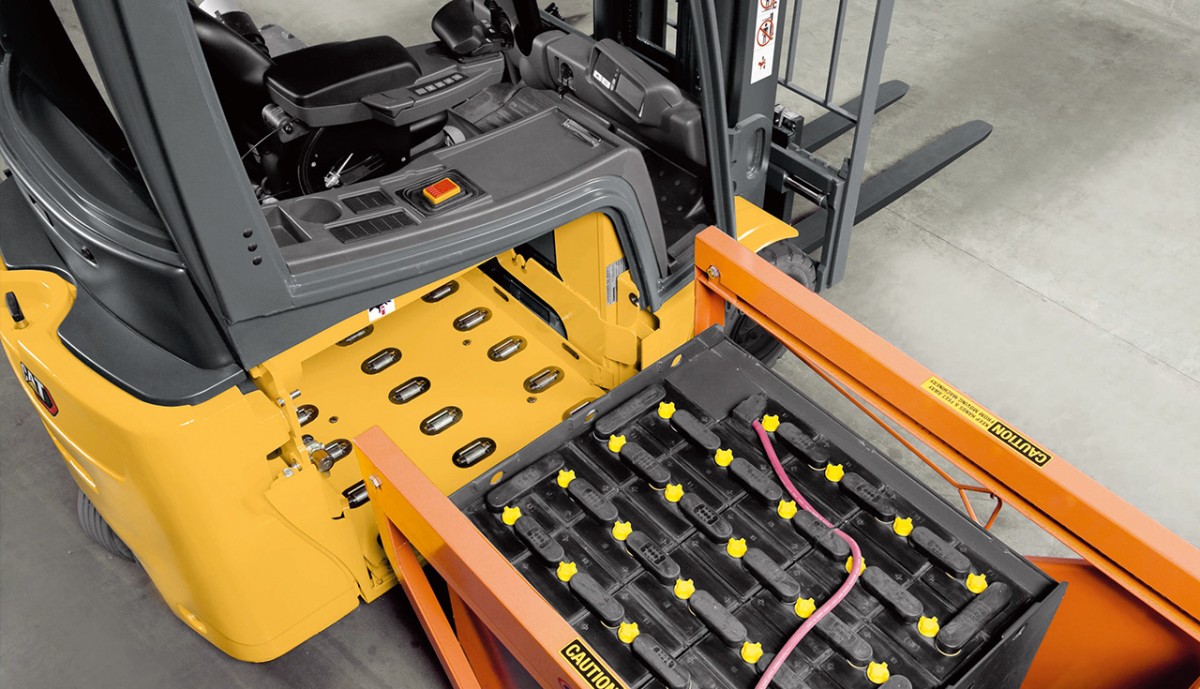
how to bring your forklift battery back to life
Forklift batteries are the heart of your material handling operations, and a dead or weak battery can halt productivity in an instant. While lithium-ion options are becoming popular, many facilities still rely on traditional lead-acid batteries that eventually lose their charge-holding capacity. Before you spend thousands on a replacement, explore these effective techniques to revive your forklift battery and get it performing like new again.
Why Do Forklift Batteries Fail?
Understanding the root causes of battery failure is the first step toward successful restoration. Most lead-acid forklift batteries deteriorate due to sulfation—a process where lead sulfate crystals harden on the battery plates, blocking chemical reactions. This occurs when batteries are left discharged for extended periods, over-discharged, or charged improperly. Other common issues include acid stratification, water loss, and corroded terminals. By identifying which problem affects your battery, you can apply the right recovery method.
Signs Your Battery Can Be Saved
- Battery still holds a partial charge (above 20% of rated capacity)
- No physical damage like cracks or bulging casing
- Cells have proper electrolyte levels (plates are covered)
- No severe overheating during normal use
- Voltage readings are consistent across all cells
Step-by-Step Restorative Charging Techniques
1. Equalization Charging
Equalization is the most effective method to dissolve sulfation. This process involves charging the battery at a controlled low current for an extended period, typically 2-3 hours after the normal charge cycle completes. Connect your charger to the battery and set it to equalization mode if available. If not, manually charge at 3-5 amps per 100 Ah of battery capacity. Monitor the electrolyte temperature—it should not exceed 115°F (46°C). This high-voltage charge breaks down sulfate crystals and returns them to the electrolyte solution. Perform equalization every 5-10 charge cycles as a maintenance measure, but use it more frequently for deeply sulfated batteries.
2. Pulse Conditioning with a Desulfator
Modern desulfators emit high-frequency electrical pulses that resonate with sulfate crystals, causing them to detach from the battery plates. Install a quality pulse conditioner directly on the battery terminals and leave it connected for 2-4 weeks. These devices work best on batteries with mild to moderate sulfation. For best results, run the desulfator while the battery is in a fully charged state. Many material handling professionals report 30-40% capacity recovery using this method alone. Look for desulfators specifically rated for industrial forklift battery voltages (24V, 36V, 48V).
3. Chemical Additives and Reconditioning Solutions
Battery reconditioning additives contain magnesium sulfate (Epsom salt) or specialized chelating agents that help dissolve sulfate deposits. Begin by fully charging the battery, then carefully remove the vent caps. Using a hydrometer, test the specific gravity of each cell—it should read between 1.265 and 1.285 at full charge. If readings are uniformly low, add the reconditioner following the manufacturer’s dosage (usually 1 ounce per cell). Then perform a complete charge cycle. The additive helps restore electrolyte conductivity and can improve capacity by up to 15% in recovering batteries.
Advanced Recovery: Manual Desulfation
For heavily sulfated batteries, manual intervention may be necessary. This procedure requires protective equipment and technical knowledge. First, inspect each cell’s specific gravity—if it reads below 1.100, the battery may be too far gone. For salvageable cells, drain old electrolyte and replace with fresh distilled water mixed with Epsom salt (10 grams per liter). Then charge the battery for 24 hours at a very low current (2 amps per 100 Ah). This slow charge allows the solution to penetrate deep into the plates. After charging, perform a load test. If capacity improves, drain the solution and refill with standard electrolyte. This process can restore 50% or more of lost capacity in many cases.
Preventive Maintenance to Extend Battery Life
| Maintenance Task | Frequency | Benefit |
|---|---|---|
| Water level check | Weekly | Prevents plate exposure and sulfation |
| Terminal cleaning | Monthly | Reduces resistance and voltage drop |
| Equalization charge | Every 10 cycles | Removes sulfate build-up |
| Load testing | Quarterly | Identifies capacity loss early |
| Full discharge test | Annually | Calibrates fuel gauge and monitors degradation |
Implementing these practices can double the lifespan of your current battery system. For facilities planning upgrades, consider modern solutions like the Liftron Material Handling lineup, which includes advanced battery technologies designed for maximum uptime.
When to Accept a Replacement
Not all batteries can be brought back to life. If your battery shows any of these signs, replacement is more cost-effective: voltage drops below 80% of rated capacity after full charge, physical damage to casing or terminals, specific gravity below 1.100 in any cell, or persistent overheating even after hydration. In these cases, continued restoration attempts waste time and energy. Instead, evaluate your operation’s daily energy requirements and choose a battery that matches your duty cycle.
The Future of Forklift Power
While restoration can extend the life of traditional lead-acid batteries, the shift toward lithium-ion technology represents a fundamental improvement. The Liftron DL SERIES offers opportunity charging, zero maintenance, and 3x longer lifespan compared to lead-acid batteries. These batteries eliminate the need for watering, equalization, and weekly maintenance—dramatically reducing downtime. Additionally, they feature built-in battery management systems that prevent over-discharge and over-charge, eliminating sulfation issues entirely. Although the upfront cost is higher, the total cost of ownership over 10 years is typically lower due to reduced labor and longer service life.
Final Restoration Tips
When attempting any restoration procedure, always prioritize safety—these batteries contain sulfuric acid and produce explosive hydrogen gas. Work in a well-ventilated area, wear acid-resistant gloves and goggles, and keep flames and sparks away. After any recharge cycle, allow the battery to cool for at least 30 minutes before handling. Document your restoration attempts with voltage and specific gravity readings before and after each procedure. This data helps you track progress and decide when to stop investing in an aging battery.
With the right techniques and a bit of patience, you can often double the useful life of a forklift battery. Start with simple equalization charges, progress to desulfation if needed, and only consider chemical additives when other methods prove insufficient. Combined with consistent preventive maintenance, these strategies ensure your material handling equipment remains productive for years to come.
Add a review
Your email address will not be published. Required fields are marked *