Are Denago Golf Carts Made in China?
Denago golf carts are connected to Chinese manufacturing, while the brand also maintains U.S.-based operations for certification, distribution, sales, and support.
Most factory-configured Tara electric golf carts reach 13 or 19 mph, while certain upgraded configurations may be capable of approaching 25 mph.
The best electric golf cart brand combines dependable construction, efficient lithium power, comfortable driving, practical technology, and accessible dealer support.
Most Nissan forklifts use ISO VG 32 anti-wear hydraulic oil, but the correct specification must be confirmed from the model and serial-number manual.
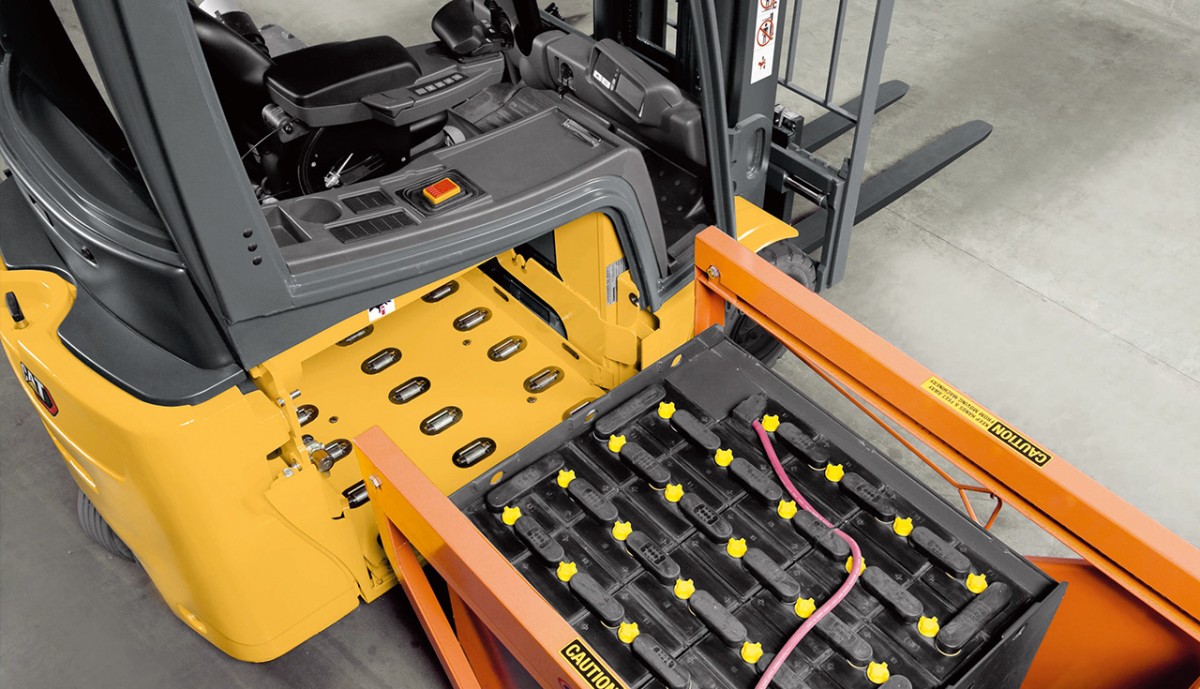
The best electric forklift depends on your load capacity, aisle width, operating surface, shift schedule, charging plan, budget, and local service support.
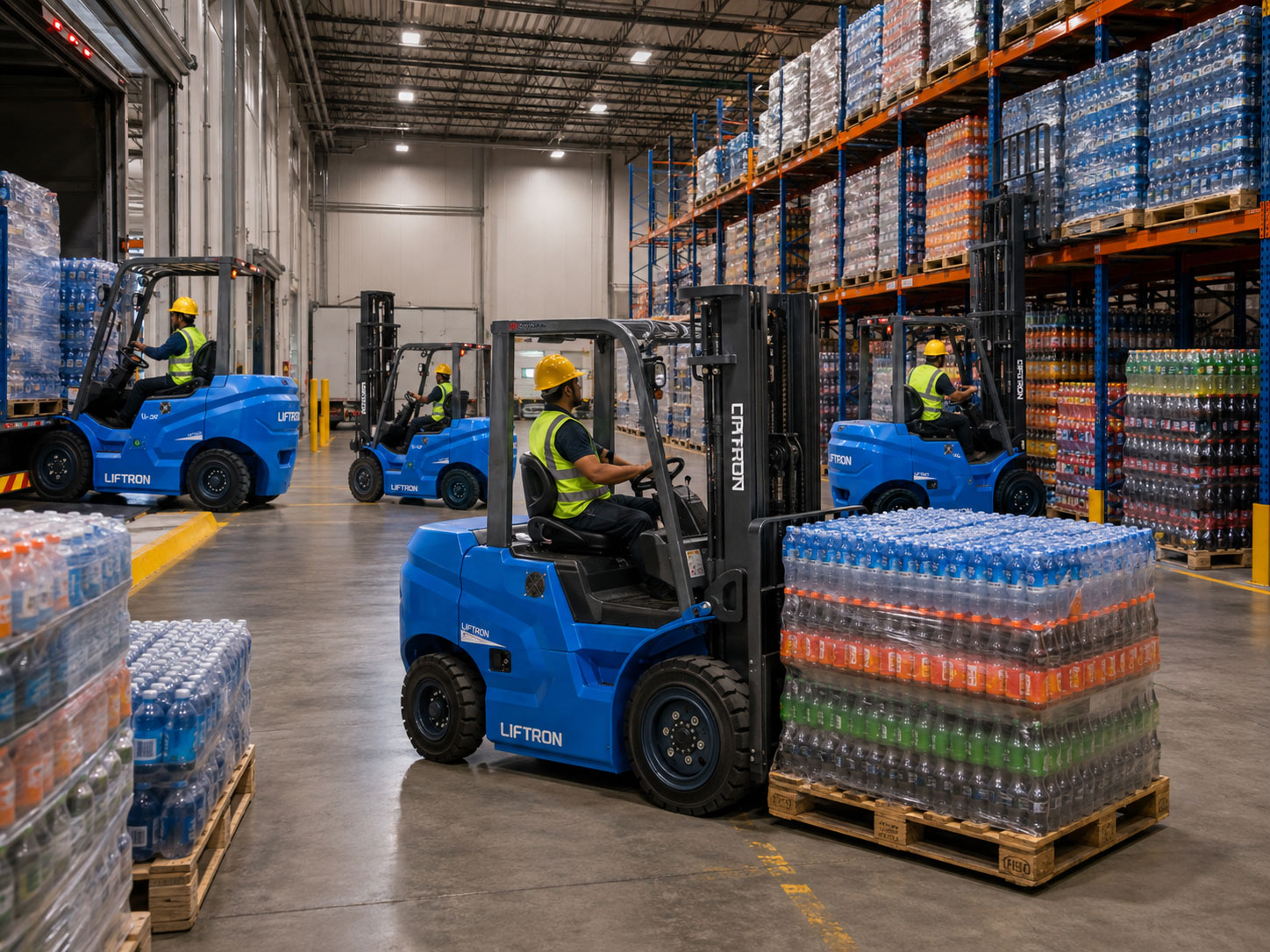
Applying for a forklift licence in India requires completing mandatory training and passing tests through state transport authorities or approved institutes. This guide outlines the step-by-step process, eligibility criteria, required documents, and applicable fees under the Motor Vehicles Act, 1988 and Factories Act, 1948. Candidates must be at least 18 years old (20 for heavy vehicles), meet medical fitness standards, and complete a recognized training program covering safe loading, maneuvering, and emergency protocols. The process includes obtaining a learner’s licence, practicing under supervision, and passing a driving test to secure a permanent heavy goods vehicle endorsement. Fees vary by state, typically ranging from ₹50 to ₹1,000. Licences require periodic renewal with updated medical certificates. Training on modern lithium-ion equipment, like the Liftron DL SERIES, offers advantages such as zero emissions and intuitive controls, making certified operators more attractive to employers across Indian industries.
Learn how to get forklift certified in North Carolina with this complete guide to OSHA-compliant training, including required steps, costs, and renewal information. Certification is mandatory for most industrial and warehouse jobs in NC and involves formal instruction, hands-on practice, and both written and practical exams. Programs typically cost between $100 and $300, last 4–8 hours, and are valid for three years. Training on modern equipment like the Liftron DL SERIES lithium-ion forklift provides added safety and efficiency benefits. Major cities including Charlotte, Raleigh, Greensboro, and Wilmington offer multiple training providers. Employers often cover certification costs. The guide also covers refresher training requirements, common topics, and tips for passing exams.
Discover how to get a forklift license in Canada with this complete guide covering certification steps, training costs, and provincial requirements. Learn about different forklift classes—from Class I to Class V—and find accredited training providers recognized by CSA, WorkSafeBC, or your local regulator. The process includes a theory course, written test with 80% pass mark, and hands-on practical evaluation. Certificates are valid for three years across Canada, with recertification options available. Training costs range from $150 to $400 and can be completed in one to two days. Provincial variations exist, such as Ontario’s minimum age of 18 and Quebec’s two-part “Carte de compétences” exam. Also explore tips for passing, employer requirements, and how to boost your job prospects with a valid forklift license in warehouses, construction, and logistics.
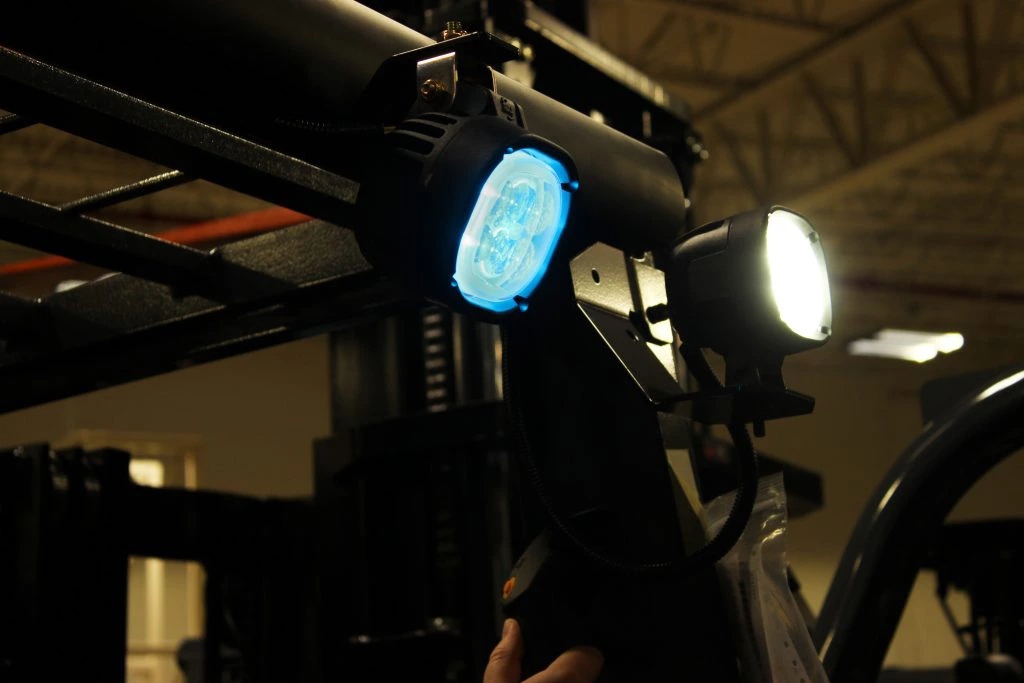
Maintaining a safe distance from operating forklifts is crucial for preventing workplace injuries and fatalities, with industry standards recommending a minimum of 10 feet (3 meters) in calm conditions and up to 20 feet or more in dynamic situations involving oversized loads, higher speeds, or turns. Factors such as load size and shape, travel speed, operator blind spots, surface conditions, and the forklift’s rear-wheel steering dynamics all influence the required safety buffer, which should be treated as a dynamic rather than static number. OSHA requires employers to implement segregation, training, and signage, while practical pedestrian tips include establishing eye contact with operators, using designated walkways, avoiding walking alongside or behind forklifts, and wearing high-visibility gear. Understanding forklift-specific risks like load shift and rear swing radius helps workers make informed decisions. Combining proper training, quality equipment, and engineering controls like barriers and proximity sensors creates a safer environment, where a margin of error is always built into distance calculations because even a few extra feet can prevent tragedy.
Learn how to obtain a forklift licence in Singapore with this complete guide covering eligibility, accredited training providers, course costs, and application steps. The mandatory Forklift Operator Certificate, overseen by the Workplace Safety and Health Council (WSHC), requires candidates aged 18+ to complete theory and practical modules, pass written and hands-on assessments, and receive certification valid for 2–3 years. Training fees range from $350–$650, with refresher courses available for renewal. Avoid common mistakes like neglecting pre-operation inspections or incorrect load handling. Modern electric forklifts, such as the Liftron DL SERIES, enhance training with smoother operation and advanced safety features. Whether you are a local or foreign worker, this resource helps you navigate requirements, choose the right provider, and operate safely in Singapore’s logistics industry.