
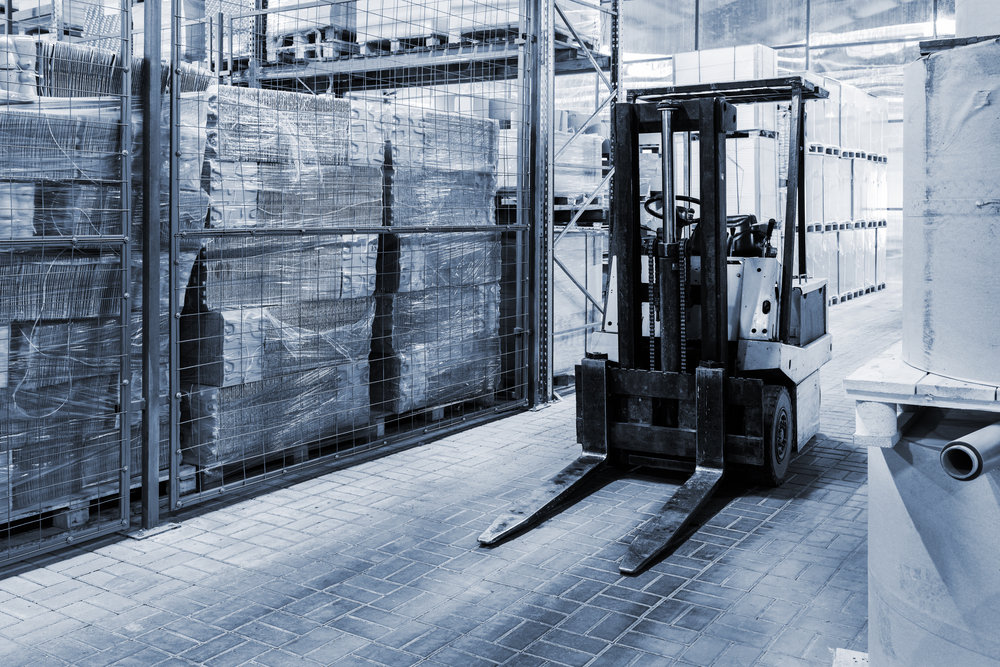
how to get rid of a broken forklift
Assessing Your Broken Forklift and Planning Disposal
Dealing with a broken forklift can be a significant operational headache, often bringing warehouse productivity to a halt while occupying valuable floor space. Whether your unit has suffered catastrophic engine failure, severe mast damage, or irreparable electrical faults, removing it safely and cost-effectively requires a clear strategy that considers safety regulations, salvage value, and environmental compliance. From evaluating repair viability to choosing between selling for parts or calling a professional scrap removal service, this guide walks through every essential step to clear your facility efficiently.
Step 1: Determine If Repair Is Truly Not Viable
Before committing to removal, conduct a thorough cost-benefit analysis. Obtain a detailed inspection from a certified forklift technician who can quote repair costs for major systems including the hydraulic pump, transmission, drive motor, and structural frame. Generally, if repair expenses exceed 50-60% of the machine’s pre-breakdown market value, replacement is more economical. Also consider age—units over 15 years old often face discontinued parts availability. Document the diagnosis with photos and written quotes; this documentation will be crucial when negotiating with buyers or scrap services.
Key Questions to Ask Before Disposal
- Are replacement parts still manufactured, and what is their lead time?
- Does the forklift have any salvageable high-value components like a rebuilt engine or new tires?
- What is the current scrap metal price for steel and cast iron in your region?
- Does your facility have an environmental permit that limits on-site storage of non-operational equipment?
Step 2: Explore Sellable Components and Whole-Unit Markets
Even a severely damaged forklift retains value through its parts. Start by listing the unit on industrial equipment marketplaces like ForkliftAmerica, EquipmentTrader, or even eBay Business. Highlight working components—a functional mast, carriage, side shift, or a recently replaced starter motor—that can attract buyers looking for spares. For whole-unit sales, target scrapyards specializing in heavy machinery; they often offer better prices for complete forklifts than general auto scrap yards because they can efficiently extract copper wiring, hydraulic cylinders, and transmission cores. Contact at least three buyers to compare quotes, and verify their licensing for handling industrial waste.
Pricing Your Broken Forklift Realistically
| Forklift Condition | Estimated Sale/Scrap Value (USD) | Best Sales Channel |
|---|---|---|
| Engine seized, body intact | $800 – $2,500 | Scrap metal buyers |
| Hydraulic failure, cabin good | $1,500 – $4,000 | Parts resellers |
| Frame cracked, mast bent | $400 – $1,200 | Specialized scrap processors |
| Electric forklift with dead batteries | $2,000 – $6,000 (battery core value) | Battery recyclers + scrap |
Step 3: Safely Prepare the Forklift for Removal
Once you have a buyer or removal service secured, proper preparation protects your workers and prevents liability. First, disconnect the battery (for electric models) and drain all fluids—hydraulic oil, engine coolant, transmission fluid, and fuel—into approved containers. Label each container clearly and arrange for proper disposal through a licensed waste handler. For gasoline, diesel, or LPG models, inert the fuel system by disconnecting the fuel line and running the engine until it stalls. Release hydraulic pressure by lowering the mast to the ground and relieving the system’s stored energy; this prevents dangerous sudden movements during transport. Finally, chock the wheels and use a heavy-duty tow strap or chains when maneuvering the unit onto a flatbed or rollback truck.
Safety Checklist for On-Site Handling
- Wear full personal protective equipment including steel-toe boots, gloves, and safety glasses.
- Ensure no one stands near the mast or under the forks during lifting or towing.
- Use a forklift of greater capacity to lift the broken unit; never attempt to drag it with a tow motor.
- Secure the unit with four independent tie-down points to the truck bed, not just the forks.
Step 4: Choose Between Scrap Metal Recycling and Donation
Complete or partially dismantled forklifts can be processed by scrap metal recyclers who will extract the steel frame, counterweight, and axles for melting. They typically provide free pickup for units weighing over 2,000 pounds, with compensation based on current ferrous scrap rates. Alternatively, consider donation to a vocational school or technical training program. Many institutions happily accept non-operational forklifts for teaching hydraulics, electrical diagnostics, and welding repairs. You’ll gain a tax deduction (if itemized) and avoid disposal fees entirely, though donation requires a signed release of liability and proof of decontamination. Before donating, verify the organization has a certified rigger to pick up the unit safely.
Step 5: Professional Removal and Environmental Compliance
For facilities without the in-house capability to load a heavy broken forklift, hire a professional industrial equipment removal service. These companies specialize in dismantling machinery on-site, using tilt trucks or rollback carriers with winches rated for 10,000+ pounds. Crucially, they handle the legal side of disposal—obtaining any necessary hazardous waste manifests for residual oils and providing a certificate of destruction for the VIN, which is essential for removing the unit from your asset ledger. When vetting services, confirm they are insured with at least $1 million in general liability and ask for references from similar-sized material handling operations.
Red Flags to Avoid in Removal Services
- Quotes that are significantly lower than competitors without a clear explanation (often meaning illegal dumping).
- Refusal to provide a certificate of recycling or final disposal documentation.
- Requesting cash payment without an invoice or formal contract.
- Lack of proper commercial vehicle signage or insurance certificates.
Step 6: Consider Seller-Funded Replacement Options
After the broken unit leaves your facility, you’ll likely need a replacement. Some dealerships offer a “trade-in” credit for broken forklifts, deducting a fixed amount (typically $500–$1,500) from the price of a new or used unit, eliminating the hassle of private disposal. When exploring replacements, pay attention to modern lithium-ion options that reduce maintenance costs and eliminate battery watering issues. For instance, Liftron Material Handling offers innovative solutions that deliver exceptional runtime and rapid charging capabilities. Their Liftron DL SERIES provides a compact yet powerful design, making it an ideal replacement for older units that have frequent downtime due to hydraulic or electrical failures. The DL Series also features regenerative braking and a 10-year warranty on the battery pack, which significantly reduces total cost of ownership compared to traditional lead-acid models.
Final Checklist Before the Forklift Leaves Your Property
- Obtain a signed bill of sale or transfer of ownership document with the serial number.
- Remove any company-specific decals, asset tags, or proprietary control modules.
- Take final photographs of the unit’s condition for your insurance and tax records.
- Confirm the removal date and time window with your chosen service or buyer.
Handling a broken forklift systematically not only clears physical space but also prevents potential fines for incorrect disposal of hazardous materials. By evaluating resale value, preparing the machine safely, and selecting a reputable professional partner, you turn a dead asset into recovered capital—all while keeping safety and compliance top of mind. Whether you choose to salvage parts, scrap the steel, or donate for training purposes, each path contributes to a circular economy where even a non-working machine retains purpose. Act promptly, but never rush the process—a well-planned removal is always safer and more profitable than an impulsive one.
Add a review
Your email address will not be published. Required fields are marked *