Is a Cherry Picker a Forklift?
A cherry picker is not a traditional forklift. A forklift lifts pallets and heavy loads, while a cherry picker lifts a worker to elevated shelves or work areas.


A cherry picker is not a traditional forklift. A forklift lifts pallets and heavy loads, while a cherry picker lifts a worker to elevated shelves or work areas.
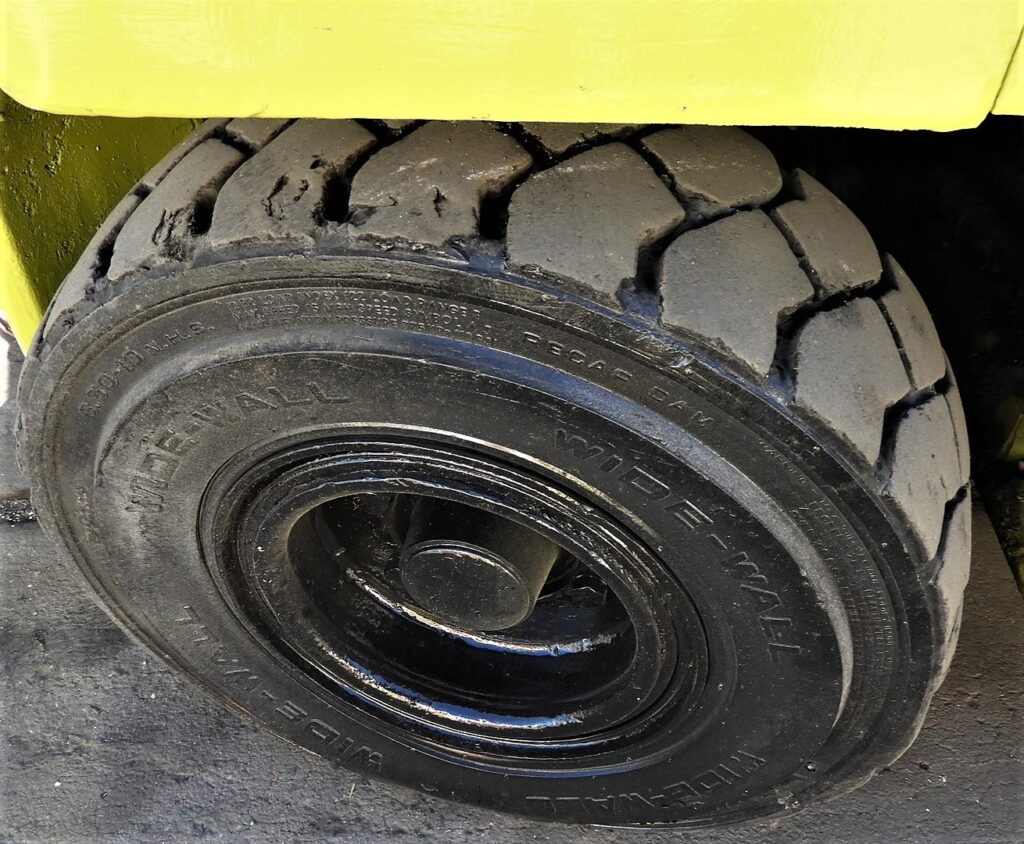
To avoid forklift accidents caused by worn tires, you must implement routine inspections, replace tires before failure, and enforce safe driving practices to maintain stability and prevent tip-over risks in industrial environments.
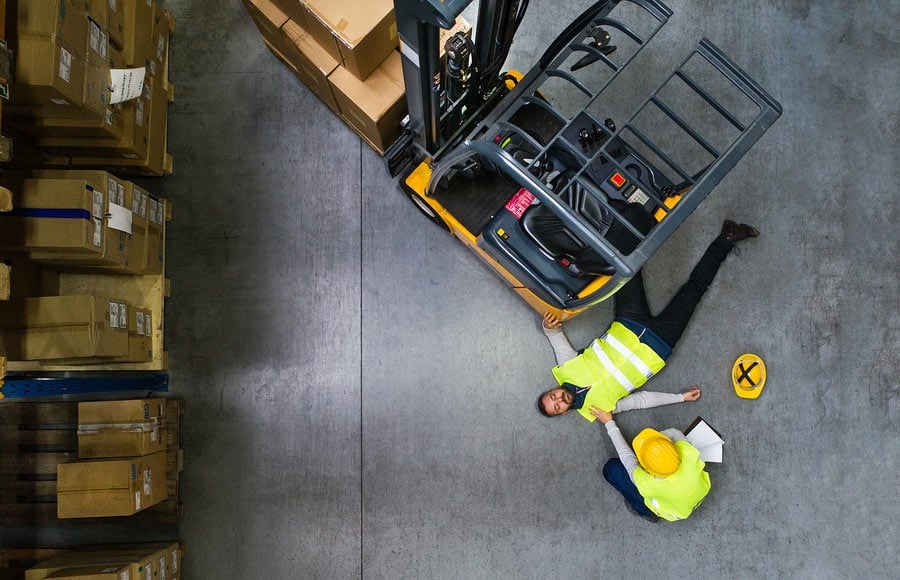
Preventing forklift accidents requires proper training, strict safety enforcement, pedestrian separation, equipment maintenance, and safe warehouse design to reduce risks and improve operational safety.
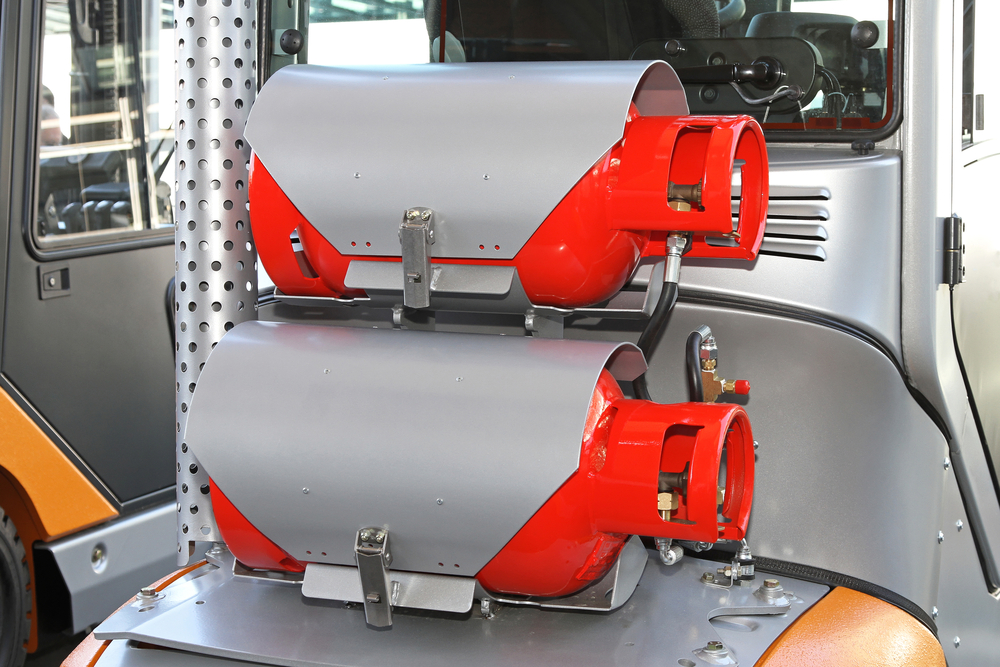
Forklift propane cylinder water capacity is usually stamped on the collar, but you can verify it with measurements and use it to estimate safe propane fill limits.

Proper watering timing is critical to maximizing forklift battery lifespan and preventing costly damage. The golden rule is to add distilled water only after a full charge and at least one hour of cooling—never before or immediately after charging. Adding water too early causes acid overflow, corrosion, and reduced capacity, while waiting too long leads to plate exposure and sulfation. This guide covers the step-by-step watering process, common mistakes to avoid, signs of low water levels, and frequency recommendations based on usage intensity and temperature. For high-volume operations, automated single-point watering systems offer precision and labor savings. Readers are also introduced to maintenance-free lithium-ion alternatives that eliminate watering entirely. Follow these best practices to extend battery life by up to 30% and avoid premature replacements.

Regular inspection of propane tanks on forklifts is essential for preventing leaks, fires, and equipment failure while ensuring safety and regulatory compliance. Before each shift, operators should perform a visual exterior check for dents, gouges, rust, or cracks, and examine the valve assembly, O-ring, and safety relief valve for wear or damage. The metal collar and fill ring must be secure and intact, and the date stamp must confirm the tank is within its required recertification period (every 5 or 12 years). After connecting the tank, a soap-and-water leak test should be conducted on all fittings—never use an open flame. Daily checks also include verifying secure mounting and strap condition, while weekly inspections should examine hoses for cuts or hardening. Any defect requires immediate removal from service and professional repair. Facilities seeking to eliminate propane hazards may consider lithium-ion electric alternatives, but regardless of fuel type, consistent inspection routines are key to safe warehouse operations.
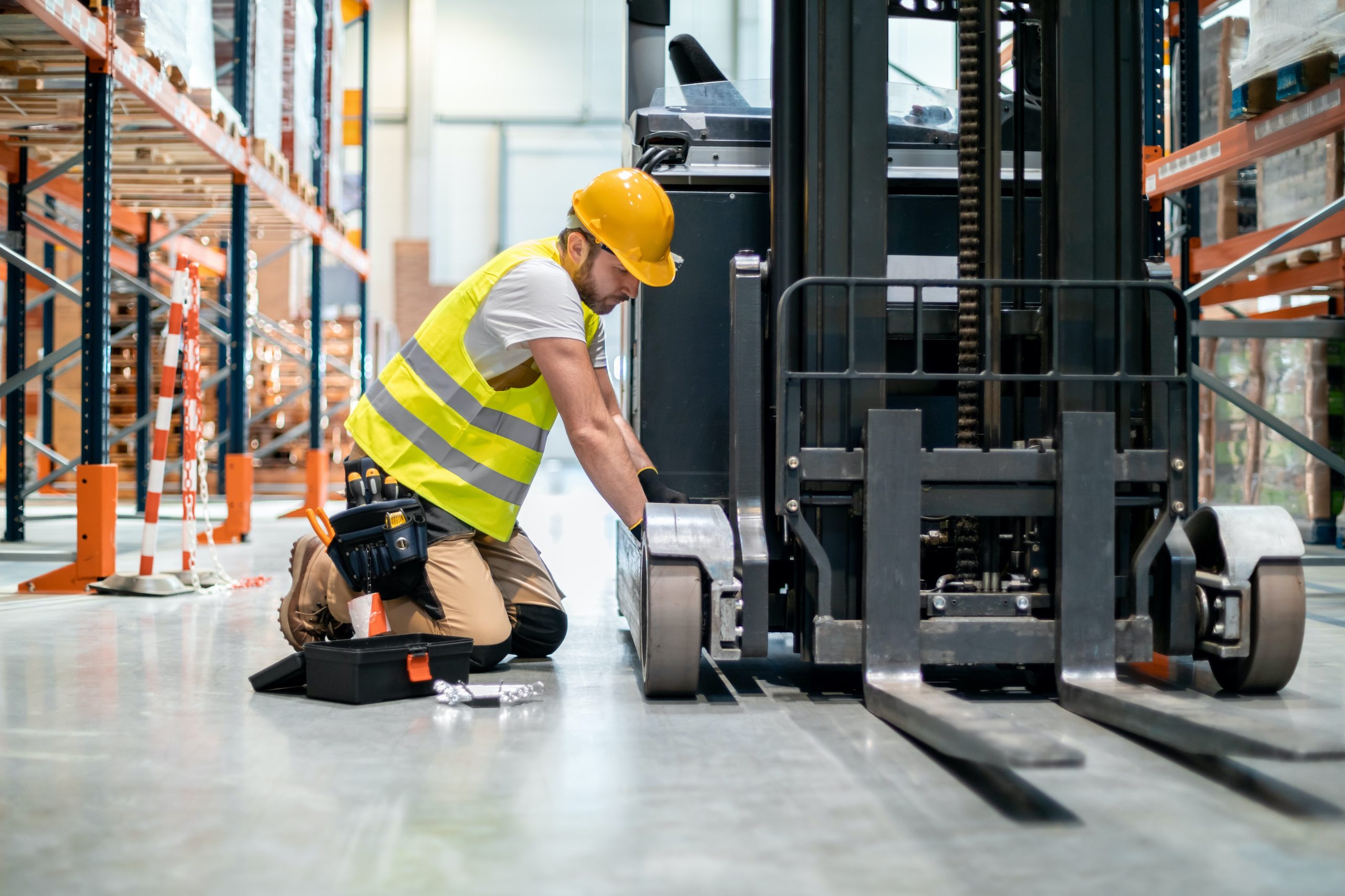
Forklift inspections are essential for workplace safety, regulatory compliance, and cost savings in warehouses and industrial settings. Regular daily checks help prevent accidents by identifying worn tires, leaking fluids, faulty brakes, and damaged forks before they cause dangerous failures or costly downtime. OSHA mandates inspections at least once per shift, with documented records required to avoid fines and legal liability. A proactive inspection program also extends equipment lifespan through early detection of minor issues, reducing unplanned repairs and optimizing fuel or battery performance. Key inspection areas include fluid levels, tires, brakes, forks, lights, and battery systems. Avoiding common mistakes like skipping busy-period checks or failing to document findings strengthens safety culture and operational reliability. For businesses seeking durable, safety-focused equipment, Liftron Material Handling offers forklifts designed for easy inspections and long-term performance. Investing in thorough daily inspections pays dividends in worker protection, reduced operating costs, and consistent productivity.
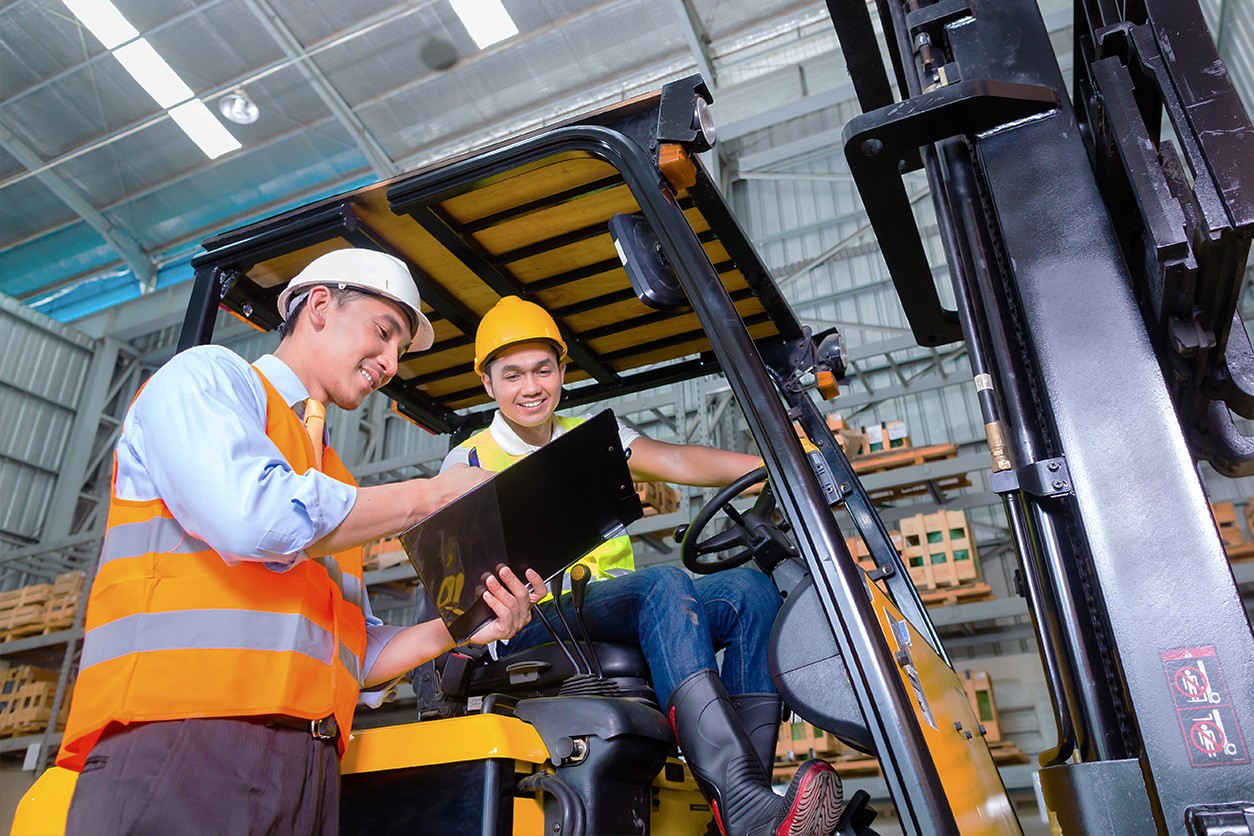
While OSHA does not mandate a single standardized form, it requires employers to conduct and document daily pre-shift inspections of forklifts under 29 CFR 1910.178(q)(7). A compliant inspection checklist must cover critical components such as brakes, steering, tires, lights, horn, forks, mast chains, and safety devices, with spaces for operator name, date, shift, forklift ID, defect notes, and corrective actions. Employers may use OSHA’s model template, industry-specific forms from the National Safety Council, or manufacturer-specific checklists from brands like Liftron Material Handling. Digital inspection apps are increasingly popular, especially for modern lithium-ion models, as they integrate with fleet management and telemetry systems to track battery health and performance. Inspectors must retain records for at least one year to demonstrate compliance and avoid OSHA fines of up to $15,000 per serious violation. Proper training and standardized forms are essential for reducing accident risks, as forklift incidents cause over 60 fatalities and thousands of injuries annually in the U.S.

Forklift inspections are essential for workplace safety and compliance with OSHA standards. Operators must perform daily pre-shift checks—including tires, forks, fluids, brakes, lights, and seatbelts—before each use. Weekly, monthly, quarterly, and annual inspections go deeper, covering hydraulics, masts, safety devices, and overall system health. Proper record keeping and checklist use prevent accidents, reduce downtime, and extend equipment life. Common mistakes like skipping components or failing to document findings can compromise safety. Effective operator training and adherence to manufacturer guidelines—such as those for specialized models like lithium-ion forklifts—further enhance reliability. Advanced monitoring solutions can simplify inspection schedules and alert operators to service needs. A consistent inspection routine fosters a culture of safety, protects workers, and ensures long-term equipment performance.

To test forklift brakes, check the brake pedal for firm resistance, perform a slow-speed stopping test in a clear area, verify the parking brake holds, and remove the forklift from service if any brake issue appears.