
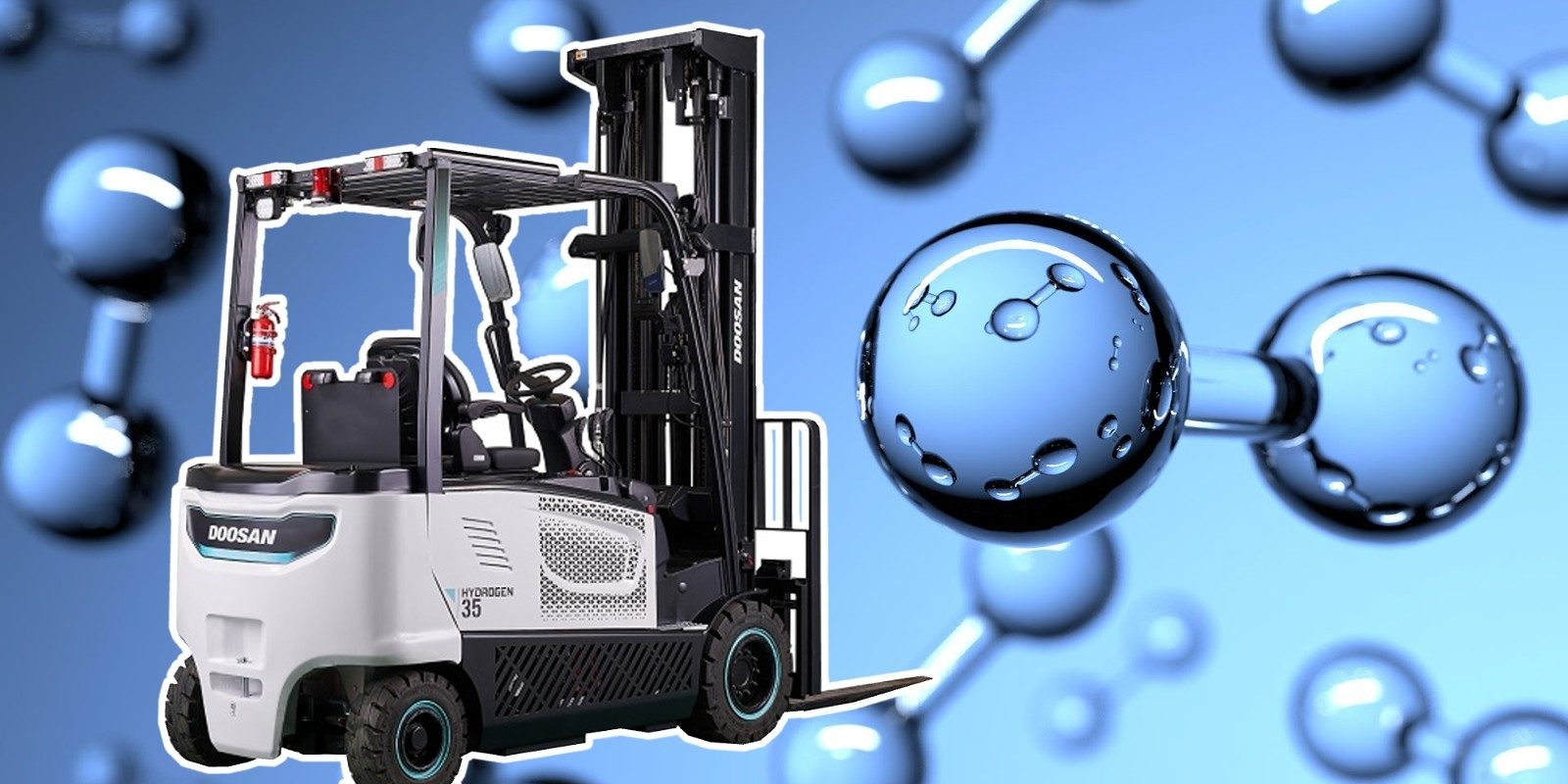
How Much Output Does a Hydrogen Forklift Put Out?
Hydrogen-powered material handling equipment is becoming more common in warehouses, logistics centers, cold storage facilities, and high-throughput distribution operations. When comparing hydrogen power with electric batteries, diesel, LPG, or lithium solutions, many businesses want to know how much output a hydrogen forklift can actually deliver during daily use.
The answer depends on the size of the truck, the rated power of the fuel cell, the hydraulic demand, lift capacity, drive motor design, and work intensity. A small warehouse unit may only require 15 kW to 20 kW of continuous output, while a heavier industrial truck may need much higher peak power for lifting, climbing ramps, and carrying dense loads.
What Does “Output” Mean on a Hydrogen Forklift?
When people ask about hydrogen forklift output, they usually refer to power output, measured in kilowatts. This describes how much usable electrical power the hydrogen fuel cell system can provide to the motors, hydraulic pump, electronics, and onboard systems.
Hydrogen fuel cells do not power the wheels directly like an engine. Instead, they convert hydrogen into electricity through an electrochemical process. That electricity powers the drive motor and lift systems, often working together with a small battery or capacitor that supports peak demand.
Typical Hydrogen Forklift Power Output Range
| Forklift Type | Typical Rated Output | Common Application |
|---|---|---|
| Light Warehouse Model | 15 kW – 20 kW | Indoor pallet movement, order staging, loading docks |
| Mid-Size Industrial Model | 20 kW – 35 kW | Distribution centers, manufacturing, medium-duty lifting |
| Heavy-Duty Model | 35 kW – 50 kW | High-capacity loads, 5-tonne applications, intensive operations |
For most warehouse environments, a hydrogen forklift does not need massive peak horsepower. Instead, it needs stable output, fast refueling, and reliable performance across multiple shifts.
Why Hydrogen Fuel Cells Provide Consistent Output
One of the biggest advantages of hydrogen forklifts is consistent power delivery. Traditional lead-acid batteries may experience voltage drop as the charge level decreases. This can reduce travel speed, lifting power, and overall responsiveness near the end of a shift.
Hydrogen fuel cells are different. As long as the tank has fuel and the system is operating correctly, the fuel cell can continue producing steady electrical output. This makes hydrogen attractive for high-demand operations that cannot afford performance loss during long shifts.
Consistent Output
Hydrogen forklifts can maintain stable power over extended use, which helps operators avoid the performance decline often associated with discharged batteries.
Quick Refueling
Hydrogen refueling can often be completed in just a few minutes, allowing a forklift to return to service quickly without long charging cycles.
Daily Operation
In multi-shift warehouses, hydrogen systems can reduce downtime by eliminating battery swapping and long charging windows.
Hydrogen Forklift Output vs Battery Forklift Output
| Category | Hydrogen Forklift | Battery Forklift |
|---|---|---|
| Power Consistency | Stable output while fuel is available | May decline as battery charge drops |
| Refueling / Charging | Fast hydrogen refueling | Requires charging time or battery swapping |
| Best Use Case | Multi-shift, high-throughput facilities | Indoor warehouses, controlled charging schedules |
| Infrastructure | Hydrogen storage and fueling station | Charging area and electrical supply |
How to Estimate the Output Needed for Your Operation
The power output needed for a hydrogen forklift depends on how hard the machine works. A light-duty warehouse application may need less power than a heavy manufacturing facility with long travel distances and frequent lifting.
- Check load capacity: Heavier loads require more lifting and drive power.
- Review lift height: Higher lifting demands may require stronger hydraulic performance.
- Measure travel distance: Long routes increase continuous power demand.
- Consider shift length: Multi-shift operations benefit from stable fuel cell output.
- Evaluate surface conditions: Ramps, rough floors, and outdoor areas increase power needs.
- Compare alternatives: Review lithium, LPG, and hydrogen options before selecting equipment.
What Is the Biggest Drawback of Using Hydrogen Fuel?
The biggest drawback of hydrogen fuel is infrastructure cost. A company cannot simply plug in a hydrogen forklift like an electric unit. It must have access to hydrogen supply, storage, dispensing equipment, ventilation planning, safety procedures, and trained operators.
Hydrogen systems can be very effective for large fleets, but smaller businesses may find the upfront cost difficult to justify. For companies with only a few machines, electric lithium equipment may be easier and more economical to manage.
This is why many facilities compare hydrogen systems with modern electric forklift options before making a final decision.
What Is the Lifespan of a Hydrogen Fuel Cell?
The lifespan of a hydrogen fuel cell depends on operating conditions, maintenance quality, duty cycle, and system design. In forklift applications, many fuel cell systems are designed for thousands of operating hours, often supporting several years of service in industrial environments.
To extend fuel cell life, companies should maintain clean hydrogen supply, follow inspection schedules, monitor cooling systems, and avoid operating equipment outside manufacturer recommendations.
Hydrogen Forklift Safety Considerations
- Use only approved hydrogen fueling stations
- Train operators on hydrogen refueling procedures
- Inspect hoses, connectors, and tanks regularly
- Maintain proper ventilation in fueling areas
- Follow emergency response procedures for leaks
When Does a Hydrogen Forklift Make Sense?
Hydrogen forklifts are most practical in facilities that run large fleets, long shifts, and continuous operations. They are especially useful where downtime from charging or battery changing would reduce productivity.
However, for smaller fleets or facilities without hydrogen infrastructure, electric options may be simpler to deploy. The best choice depends on fleet size, energy cost, facility layout, maintenance resources, and operating schedule.
Conclusion
A hydrogen forklift typically produces between 15 kW and 50 kW of power output. Standard warehouse models often operate around 15 kW to 20 kW, while larger heavy-duty machines can reach peak outputs near 50 kW.
Hydrogen fuel cells provide strong advantages in consistent output, fast refueling, and multi-shift operation. However, the main drawback is the need for dedicated hydrogen infrastructure. Before choosing hydrogen, compare your workload, fleet size, and facility needs with modern forklift solutions to find the most practical option.


Add a review
Your email address will not be published. Required fields are marked *