
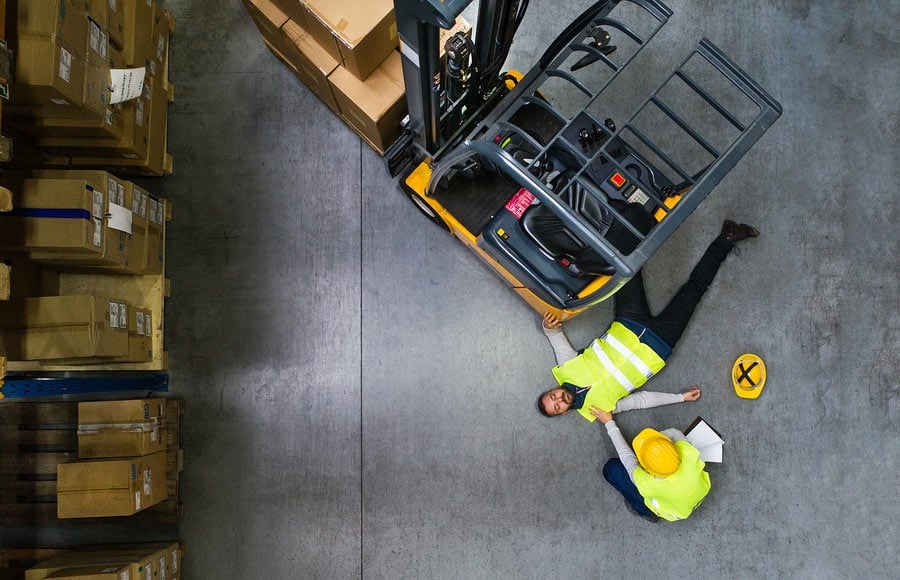
How to Prevent Forklift Accidents
Forklift safety is one of the most important aspects of warehouse and industrial operations. Every forklift operator must understand that accidents are rarely random—they are usually caused by preventable human error, poor planning, or lack of safety systems. Modern solutions from manufacturers like Liftron forklifts emphasize safety-first engineering and advanced control systems to reduce workplace risks.
Why Forklift Accidents Happen
Forklift accidents are typically caused by a combination of operator error, unsafe environments, and poor equipment maintenance. Understanding the root causes is the first step in prevention.
- Insufficient operator training
- High-speed operation in narrow aisles
- Poor visibility and blind spots
- Improper load handling
- Failure to maintain equipment
1. Training & Enforcement
Proper training is the foundation of forklift safety. Operators must be certified and regularly evaluated to ensure safe handling skills.
Training should include:
- Basic forklift operation and controls
- Load handling and stability principles
- Hazard recognition and response
- OSHA safety compliance rules
Even advanced equipment such as modern forklift systems cannot replace the need for trained operators.
2. Pedestrian Safety
One of the most common causes of forklift accidents is pedestrian collision. Clear separation between forklifts and workers is essential.
- Use marked pedestrian walkways
- Install warning lights and alarms
- Enforce high-visibility clothing rules
- Require eye contact before crossing paths
3. Proper Load Handling & Stability
Improper load handling is a leading cause of tip-over accidents. Operators must understand weight limits and balance principles.
| Safety Factor | Best Practice | Risk if Ignored |
|---|---|---|
| Load Center | Keep load centered on forks | Loss of stability |
| Lift Height | Keep load low while moving | Tip-over risk |
| Speed | Operate at controlled speeds | Collision or rollover |
4. Daily Equipment Maintenance
Regular inspection of every forklift ensures safe operation and prevents mechanical failures that can lead to accidents.
Daily checks should include:
- Brake system testing
- Tire condition inspection
- Hydraulic leak checks
- Steering responsiveness
- Warning lights and alarms
5. Workplace Design
Warehouse layout plays a major role in accident prevention. A poorly designed workspace increases collision risks and reduces visibility.
- Separate forklift and pedestrian lanes
- Use clear signage and floor markings
- Maintain adequate aisle width
- Ensure proper lighting in all areas
Step-by-Step Forklift Accident Prevention Plan
- Train all operators: Ensure certification and refresh training regularly
- Inspect equipment daily: Identify and fix issues before use
- Control traffic flow: Separate pedestrians and vehicles
- Monitor load handling: Enforce safe lifting practices
- Audit workplace safety: Conduct regular safety reviews
Common Forklift Safety Rules
Below are five essential safety rules every workplace should enforce:
- Always wear seat belts when operating
- Never exceed rated load capacity
- Keep forks low during movement
- Sound horn at intersections
- Never carry passengers on forks
Role of Modern Forklift Technology
Advanced systems from manufacturers such as Liftron integrate stability controls, improved braking systems, and operator assistance features that significantly reduce accident risks.
These innovations complement training and workplace safety measures, creating a more secure environment for all workers.
Conclusion
Preventing forklift accidents requires a comprehensive approach that combines training, equipment maintenance, pedestrian safety, and intelligent workplace design.
When properly implemented, these strategies can eliminate most common risks and ensure safer operations across all industrial environments. Every forklift should be operated with safety as the top priority.


Add a review
Your email address will not be published. Required fields are marked *