
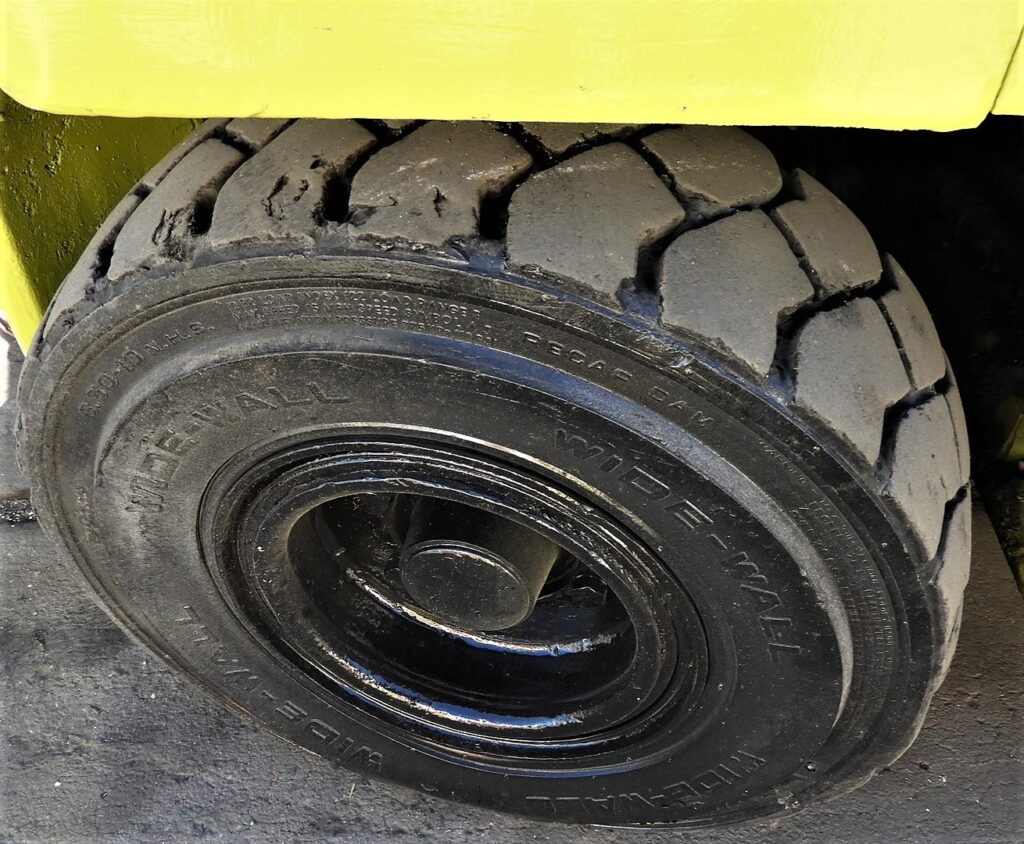
How Do I Avoid Accidents Caused by Worn Forklift Tires?
Forklift tire condition plays a critical role in workplace safety. Worn or damaged tires significantly reduce traction, stability, and load control. When operating a forklift, even minor tire wear can increase the risk of accidents, especially in high-speed warehouse or outdoor environments. Modern equipment from manufacturers such as Liftron forklifts is designed with durable tire systems to reduce operational hazards and improve stability.
Why Worn Forklift Tires Are Dangerous
Forklift tires support the entire weight of the machine and its load. When tires become worn, cracked, or uneven, they compromise stability and increase stopping distance.
Common risks include:
- Reduced traction on smooth or wet surfaces
- Increased risk of tipping during turns
- Uneven load distribution
- Longer braking distances
Even small surface damage can become a major safety issue if not addressed early.
1. Perform Routine Tire Inspections
Regular inspections are the first line of defense against tire-related forklift accidents. Operators should check tire condition before every shift.
| Inspection Item | What to Look For | Risk Level |
|---|---|---|
| Tread Wear | Uneven or smooth surfaces | High |
| Cracks | Visible sidewall or surface cracks | High |
| Flat Spots | Uneven rolling surface | Medium |
| Debris Damage | Embedded objects or cuts | Medium |
2. Practice Safe Forklift Operation
Operator behavior plays a major role in preventing tire-related accidents. Even the best-maintained forklift can become unsafe if driven improperly.
- Operate at controlled speeds
- Avoid sharp turns with heavy loads
- Keep loads low during movement
- Reduce speed on uneven surfaces
Proper training is essential for every forklift operator to ensure safe handling under different surface conditions.
3. Implement Proper Tire Maintenance Workflows
A structured maintenance program helps extend tire life and reduce unexpected failures.
- Daily checks: Inspect tires before each shift
- Weekly inspections: Evaluate tread depth and surface wear
- Scheduled replacements: Replace tires before reaching safety limits
- Documentation: Record tire condition and maintenance history
Types of Forklift Tires and Their Risks
Different tire types wear differently depending on operating conditions.
- Cushion tires: Best for indoor use but wear quickly on rough surfaces
- Pneumatic tires: Suitable for outdoor use but vulnerable to punctures
- Solid tires: Highly durable but still require monitoring for cracks and wear
Many modern forklift systems use solid tires designed for durability and reduced maintenance requirements in demanding environments.
Table: Tire Condition vs Accident Risk
| Tire Condition | Operational Impact | Risk Level |
|---|---|---|
| New / Good Condition | Stable handling and strong traction | Low |
| Moderately Worn | Reduced grip and slower response | Medium |
| Severely Worn | High instability and long braking distance | High |
Best Practices to Extend Forklift Tire Life
Extending tire lifespan reduces both maintenance costs and accident risks.
- Avoid overloading the forklift
- Keep travel surfaces clean and clear
- Use appropriate tire type for environment
- Train operators in smooth driving techniques
Well-maintained equipment from manufacturers like Liftron forklifts helps ensure consistent performance and longer tire life.
Step-by-Step Tire Safety Checklist
- Inspect tires before each shift
- Check for visible damage or wear
- Test forklift stability during movement
- Monitor braking performance
- Replace tires at recommended intervals
Conclusion
Preventing forklift accidents caused by worn tires requires a combination of regular inspections, safe operation practices, and structured maintenance procedures.
By identifying tire wear early and replacing tires before they fail, workplaces can significantly reduce accident risks and improve overall safety. Reliable equipment from forklift manufacturers like Liftron ensures better durability and safer operations in demanding environments.


Add a review
Your email address will not be published. Required fields are marked *