
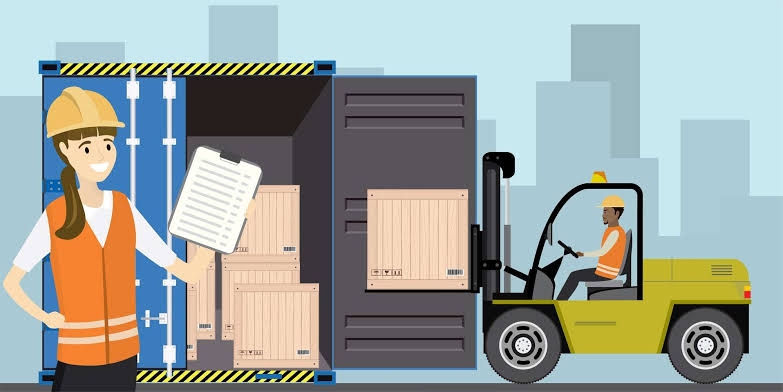
What Are the Different Types of Forklift License?
Understanding the different types of forklift licenses is essential for workplace safety, OSHA compliance, and efficient warehouse operations. Forklift licenses are categorized into seven standard classes based on machine design, power source, and operating environment. Because OSHA requires equipment-specific training, being certified in one class does not automatically qualify an operator to use another. This is especially important when working with advanced equipment such as modern Liftron forklifts.
The 7 Types of Forklift Licenses (OSHA Classification)
Class I: Electric Motor Rider Trucks
Used for indoor warehouse operations. These electric forklifts are quiet, efficient, and emissions-free.
Class II: Electric Narrow Aisle Trucks
Designed for tight warehouse aisles and high stacking operations.
Class III: Electric Hand or Hand/Rider Trucks
Includes pallet jacks and small stackers used for short-distance transport.
Class IV: Internal Combustion Cushion Tire Trucks
Used indoors on smooth floors, powered by LPG, gas, or diesel.
Class V: Internal Combustion Pneumatic Tire Trucks
Suitable for both indoor and outdoor heavy-duty operations.
Class VI: Electric/IC Tow Tractors
Designed for pulling loads rather than lifting them.
Class VII: Rough Terrain Forklifts
Built for construction sites and uneven outdoor surfaces.
Forklift License Comparison Table
| Class | License Type | Primary Use |
|---|---|---|
| Class I | Electric Rider Forklift License | Indoor warehouse operations |
| Class II | Narrow Aisle License | High-density storage |
| Class III | Pallet Jack License | Short-distance material handling |
| Class IV | Cushion Tire IC License | Smooth indoor floors |
| Class V | Pneumatic Tire License | Indoor/outdoor use |
| Class VI | Tow Tractor License | Material towing |
| Class VII | Rough Terrain License | Construction environments |
What Is the Best Forklift License to Get?
The best forklift license depends on your job role and work environment. For most warehouse jobs, Class I electric forklift certification is the most in-demand and widely used license.
Companies using modern lithium-powered equipment such as Liftron forklifts typically require Class I certification because these machines are designed for indoor warehouse operations.
Step-by-Step Forklift Licensing Process
- Enroll in OSHA-approved training program
- Complete classroom instruction
- Pass written knowledge exam
- Complete hands-on driving evaluation
- Receive equipment-specific certification
- Renew certification every 3 years
What Type of License Is Required for Liftron Forklifts?
Modern Liftron forklifts are lithium-powered electric machines designed for warehouse environments. They fall under Class I: Electric Motor Rider Trucks.
Why Forklift License Classification Matters
Proper licensing ensures that operators understand machine limitations, load capacity, and safe handling procedures. Each class behaves differently, and improper use can lead to serious accidents.
Training on equipment such as Liftron forklifts helps operators develop safe and efficient warehouse skills while reducing workplace risks.
Conclusion
Forklift licenses are divided into seven OSHA classes, each requiring specific training and certification. Understanding these categories helps operators choose the correct license for their job and ensures compliance with safety regulations.
For most warehouse professionals, Class I certification is the most valuable, especially when working with modern electric equipment like Liftron forklifts.
Add a review
Your email address will not be published. Required fields are marked *