

warehouse material handling solutions
Modern warehouses demand efficient, safe, and scalable systems to manage inventory flow, reduce labor costs, and maximize storage density. Selecting the right material handling equipment transforms operational bottlenecks into streamlined workflows. From pallet jacks to automated guided vehicles, every solution must align with your facility’s specific layout, throughput goals, and safety requirements. This guide explores proven strategies, equipment categories, and emerging technologies that drive measurable productivity gains.
Core Components of a Smart Material Handling Strategy
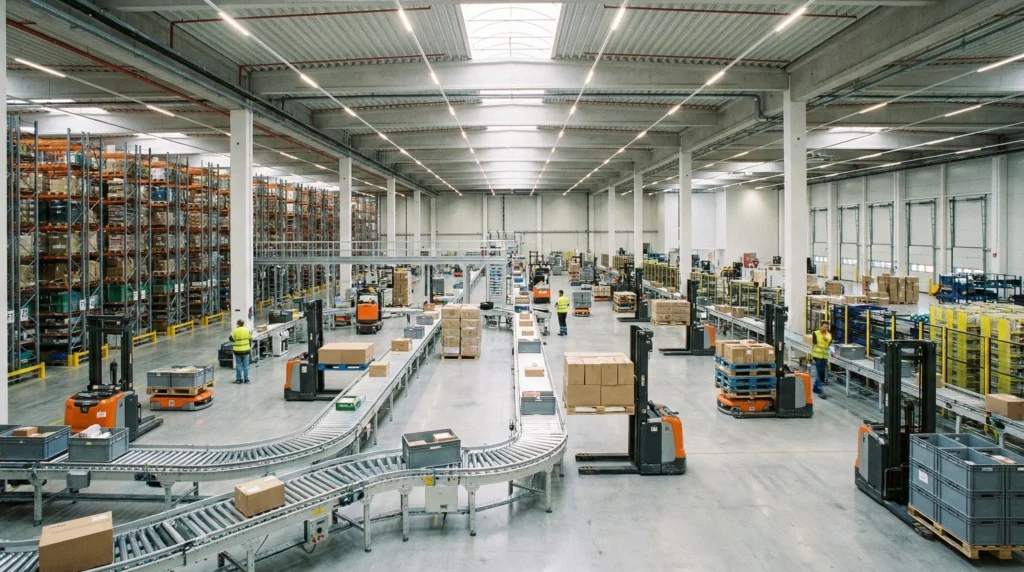
An integrated approach begins with analyzing your warehouse’s receiving, storage, picking, and shipping zones. The goal is to minimize travel time, eliminate redundant handling, and ensure ergonomic safety for workers. Key considerations include aisle width, racking configuration, load weights, and order profiles. A combination of manual, semi-automated, and fully automated equipment often yields the best return on investment, especially when paired with robust warehouse management software (WMS).
Pallet Handling and Storage Systems
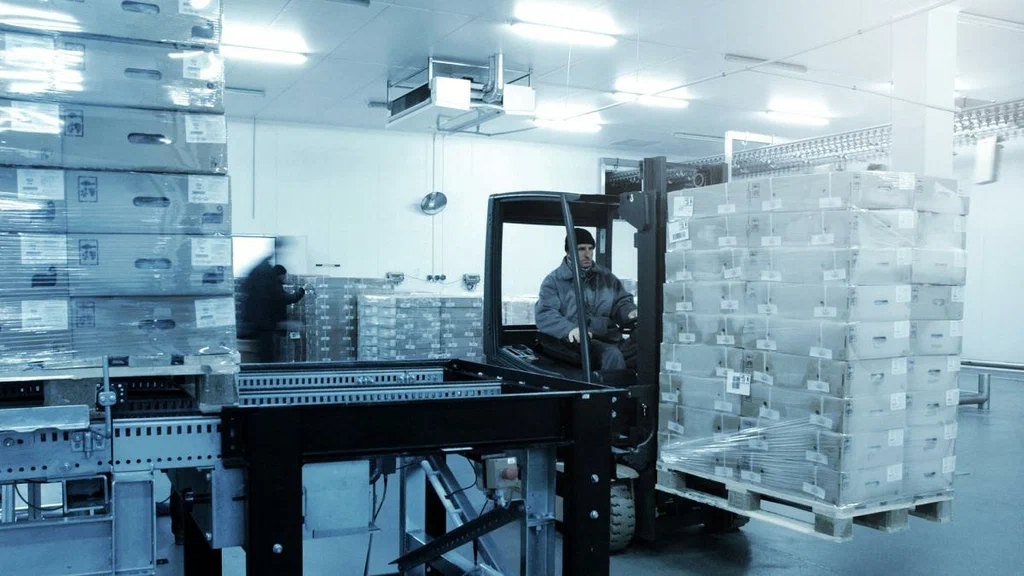
Pallet racks remain the backbone of most distribution centers. Selective racks offer 100% product accessibility, while drive-in and push-back systems maximize density for low-SKU operations. For high-frequency inbound and outbound flows, dynamic storage solutions like flow racks or shuttle systems reduce forklift travel and improve picking efficiency. When integrating any racking system, ensure your forklift fleet’s turning radius, lift height, and mast clearance are compatible with aisle dimensions.
Forklifts: The Workhorse of Load Movement
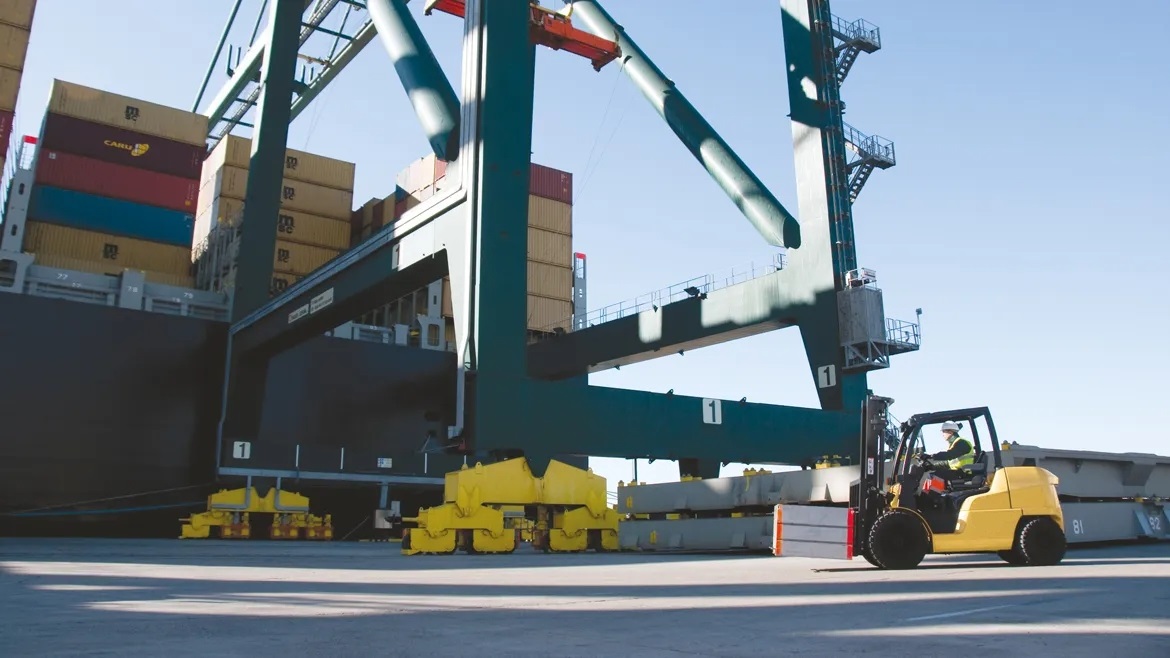
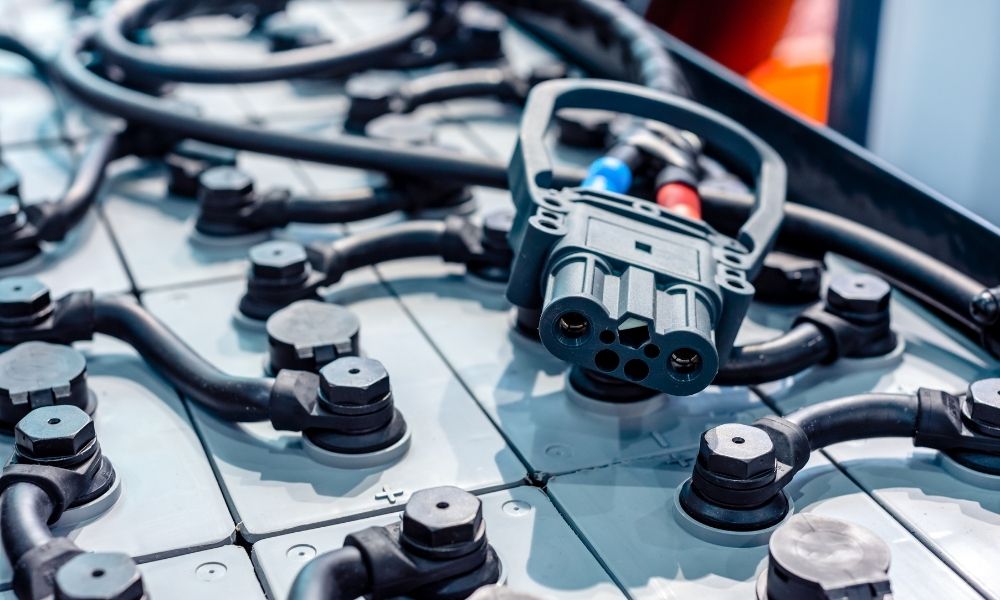
Counterbalance forklifts are ideal for loading docks and ground-level operations, while reach trucks excel in narrow aisles with heights up to 12 meters. For order picking, powered pallet jacks and stackers enhance operator comfort and speed. A growing trend is the adoption of lithium-ion battery technology, which eliminates battery change-out downtime and offers consistent power output throughout shifts. If you are evaluating electric forklifts, consider the Liftron Material Handling range, which combines advanced ergonomics with energy-efficient drive systems.
One standout option is the Liftron DL SERIES, engineered for long-duration applications with rapid opportunity charging. This series reduces total cost of ownership by up to 20% compared to traditional lead-acid models, thanks to zero maintenance requirements and a 30% longer battery lifespan. Its compact design and precise hydraulic controls make it suitable for both narrow aisles and heavy-duty dock work.
Automation and Robotics in Modern Warehousing
Automated guided vehicles (AGVs) and autonomous mobile robots (AMRs) are redefining repetitive tasks such as transport, sortation, and putaway. AGVs follow fixed magnetic or optical paths, ideal for predictable routes, while AMRs use LiDAR and cameras for dynamic obstacle avoidance. Both reduce labor dependency and improve picking accuracy by up to 99.9%. For mid-sized operations, implementing a hybrid model—where human pickers work alongside collaborative robots—offers flexibility without massive capital expenditure.
Conveyor Systems and Sortation Equipment
Conveyor belts, belt-over-roller, and roller conveyors streamline the flow of cartons, totes, and polybags. Vertical conveyors save floor space by moving goods between mezzanine levels. Sortation systems, including cross-belt and sliding shoe sorters, handle up to 600 items per minute, making them essential for e-commerce fulfillment centers. When choosing a conveyor, consider load weight, speed variability, and noise levels to ensure operator acceptance and maintenance ease.
Storage Optimization with Vertical Lift Modules (VLMs)
VLMs increase storage density by up to 85% while reducing picking time by 60%. These enclosed systems bring parts directly to the operator via an elevator mechanism, eliminating walk-and-search time. They also enhance security for high-value inventory and improve ergonomics by positioning items at optimal heights. For fast-moving items, integrating VLM software with your WMS enables batch picking and real-time inventory accuracy.
Safety, Ergonomics, and Regulatory Compliance
Workplace safety is non-negotiable. Implement mandatory training for all equipment operators, use speed limits in aisles, and install anti-collision sensors on forklifts. Ergonomic accessories—such as fork positioners, side shifters, and rotating forks—reduce strain and damage. Additionally, follow OSHA and local standards for battery charging areas, emergency exits, and load securement. Regular preventive maintenance of brakes, tires, and hydraulic systems prevents unexpected downtime and extends asset life.
Key Performance Indicators to Track
| Metric | Target | Measurement Method |
|---|---|---|
| Order picking accuracy | >99.5% | Scan-based verification |
| Equipment utilization rate | >80% | Telematics data |
| Average order cycle time | <4 hours | WMS timestamps |
| Damage rate per 1000 units | <0.5% | Quality reports |
| Forklift energy cost per pallet | <$0.02 | Charge data and usage logs |
Choosing the Right Solution Provider
Beyond equipment, a reliable partner offers layout design, simulation, installation, and ongoing support. Look for manufacturers with local service networks, available spare parts, and flexible rental options. A strong warranty covering mechanical and electrical components is critical. Moreover, ask for references from similar industries to verify performance claims.
Integrating Liftron Material Handling equipment into your operations provides access to tailored training programs and responsive after-sales care. Their engineers conduct site assessments to recommend the optimal fleet mix, whether that involves counterbalance trucks, pallet jacks, or the lithium-ion Liftron DL SERIES. This consultative approach ensures your investment aligns with both current needs and future growth plans.
Maintenance Strategies for Long-Term Reliability
Predictive maintenance using IoT sensors monitors hydraulic pressure, motor temperature, and battery discharge patterns. Alerts trigger service before failures occur, reducing unplanned downtime by up to 35%. For fleets, develop a color-coded inspection log for daily checks. Use genuine parts and certified technicians to maintain warranty validity. Additionally, train operators on daily pre-shift inspections—checking tires, forks, lights, and horns—to catch issues early.
Cost-Benefit of Upgrading Older Equipment
Older internal combustion trucks often have higher fuel costs, lower reliability, and produce emissions. Switching to electric or lithium-ion models reduces energy costs by 40–60% and cuts carbon footprint. Rebates from utility companies and green financing options further offset initial investment. Calculate total cost of ownership over five years, including purchase price, battery replacement, maintenance, and residual value. In most scenarios, modern electric equipment pays back within 18 months.
Future Trends and Smart Warehouse Integration
Looking ahead, 5G connectivity enables real-time tracking of every asset, and digital twins simulate material flow before physical changes are made. Exoskeletons assist workers in lifting heavy loads, reducing injury risk. Drones perform inventory counts in high racks, cutting cycle count time from days to hours. Blockchain enhances traceability of parts and maintenance history, improving compliance audits. By staying agile and adopting modular systems, your warehouse can adapt to seasonal peaks without capital overspending.
Ultimately, the best material handling solution is one that grows with your business. Regularly review your workflows, benchmark against industry standards, and pilot new technologies in controlled zones. Partnering with a single supplier who offers both hardware and software integration simplifies maintenance and ensures seamless communication between devices. With the right strategy, your warehouse becomes a competitive advantage rather than a cost center.

Add a review
Your email address will not be published. Required fields are marked *