
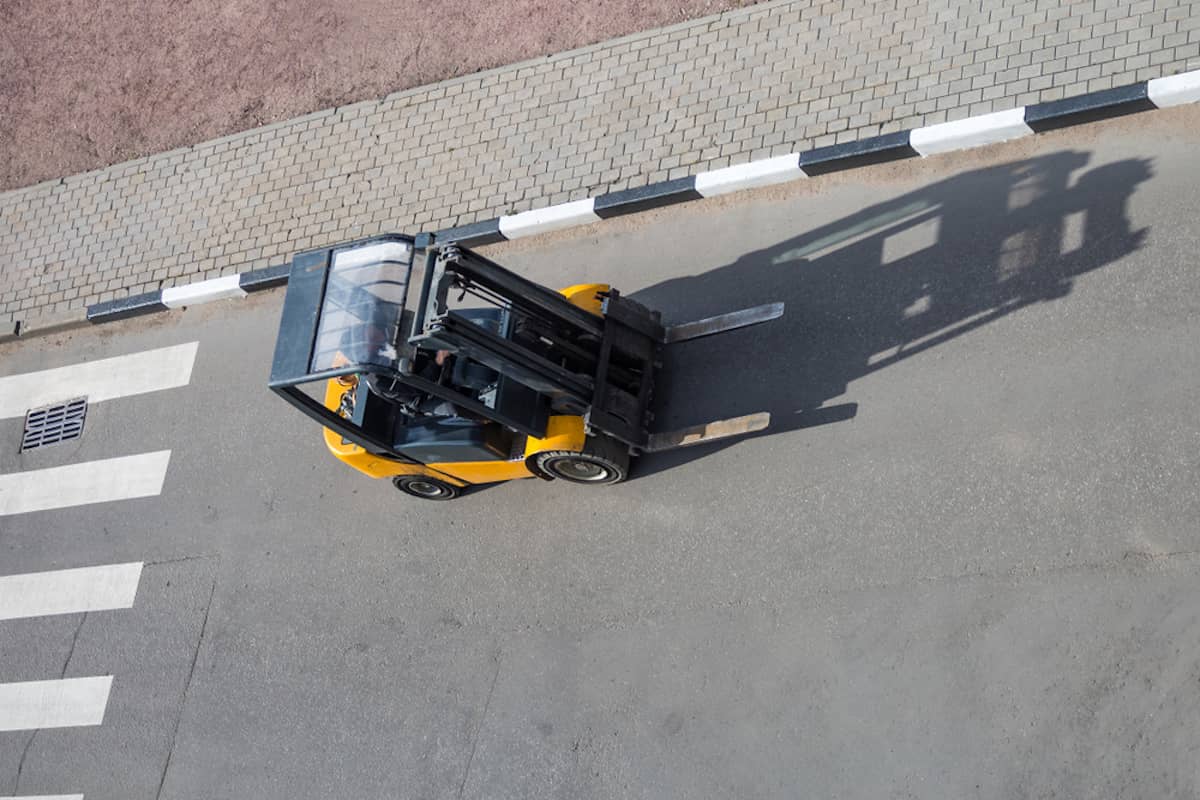
can a forklift be driven on the streets
Wondering if a forklift can legally drive on public streets? The short answer is usually no, but there are specific exceptions depending on your location, equipment, and local regulations. Most standard forklifts are designed for warehouse use, not highway travel, but understanding the rules can save you from fines or accidents. Let’s break down the legal, safety, and practical considerations for taking a forklift on the road.
Legal Restrictions: Why Forklifts Aren’t Street-Legal By Default
Forklifts are classified as industrial trucks, not motor vehicles, under most transportation laws. In the United States, the Department of Transportation (DOT) and state motor vehicle departments generally prohibit forklifts from operating on public roads because they lack essential safety features. These include:
- Turn signals and brake lights – most forklifts only have basic lights or none at all.
- Mirrors and windshields – rear visibility is limited, and many models have no enclosed cab.
- Speed capability – forklifts typically max out at 10-15 mph, which is far below the minimum speed on most roads.
- Horn and reflectors – not always installed for highway use.
- Tire ratings – cushion tires and solid rubber tires are not designed for asphalt at higher speeds or for long distances.
Because of these factors, most states classify forklifts as “special mobile equipment” and treat them like farm vehicles or construction machinery. That means they are only allowed on public roads under very specific conditions, usually when crossing a road between job sites or when directly engaged in work adjacent to the roadway.
When Can a Forklift Be Driven on Streets? The Exceptions
There are a few scenarios where driving a forklift on a street might be permissible. These depend on local ordinances and the type of forklift you own. Here are the most common exceptions:
1. Directly Crossing a Road
Most jurisdictions allow a forklift to cross a public road, such as when moving from one warehouse building to another across the street. You must yield to traffic, use a spotter if visibility is poor, and keep the load low to the ground. But even then, you cannot travel along the road—only cross it directly.
2. Operating on a Public Road for Loading/Unloading
If you are loading or unloading a truck parked on a public street, your forklift is allowed to drive onto the street temporarily to access the trailer. This is considered part of the work operation, not transportation. You must have proper warning lights and cones, and the work should be completed within a reasonable time.
3. Permit and License Requirements for Specific Areas
Some municipalities or states issue temporary permits for forklift operation on public roads, especially in industrial zones or during construction projects. These permits often require you to install additional safety equipment like a flashing amber light, a slow-moving vehicle sign, and working brakes. You may also need a driver’s license and proof of insurance.
4. Special Road-Legal Forklifts
Certain forklift models are specifically engineered for on-road use. These are often called “road forklifts” or “rough terrain forklifts.” They come equipped with pneumatic tires, higher top speeds, full lighting packages, mirrors, and sometimes even a license plate bracket. However, even these are subject to speed limits (usually 25 mph or less) and may require a special endorsement on your license. For example, Liftron Material Handling offers a range of industrial equipment, and their Liftron DL SERIES is a popular choice for warehouse use—but it’s not designed for street driving without modifications.
Safety and Insurance Risks of Driving a Forklift on Streets
Even if you get legal permission, driving a standard forklift on public roads is dangerous. Here’s why:
- Rollover risk – forklifts have a high center of gravity, especially with a raised load. Uneven pavement, potholes, or curb edges can easily cause a tip-over.
- Braking distance – many forklifts have rear-wheel braking only, making emergency stops unpredictable at higher speeds.
- Visibility – the operator’s view is often blocked by the mast and load. You cannot see directly in front of you when the forks are raised.
- Liability – your insurance likely does not cover accidents on public roads unless you have a special rider. Being in an accident without proper coverage can lead to personal financial ruin.
If you are considering using a forklift on the street for short distances, weigh these risks heavily. It’s almost always safer and more cost-effective to use a flatbed trailer or a dedicated road vehicle for transport.
How to Transport a Forklift Legally and Safely
Instead of driving a forklift on the street, the standard practice is to transport it on a trailer or truck. Here’s what you need to do:
- Use a heavy-duty tow trailer with a winch and ramps rated for the forklift’s weight.
- Secure the forklift with chains and binders at four points—front and rear–to prevent movement during transit.
- Lower the forks and tilt the mast backward fully to reduce height.
- Check local load width and height limits – a standard forklift is about 48-60 inches wide, which fits on most trailers, but you may need a permit if the combined width exceeds legal limits.
- Hire a professional towing service if you lack the proper equipment. Many companies specialize in moving industrial machinery.
What About Electric Forklifts Like the Liftron DL SERIES?
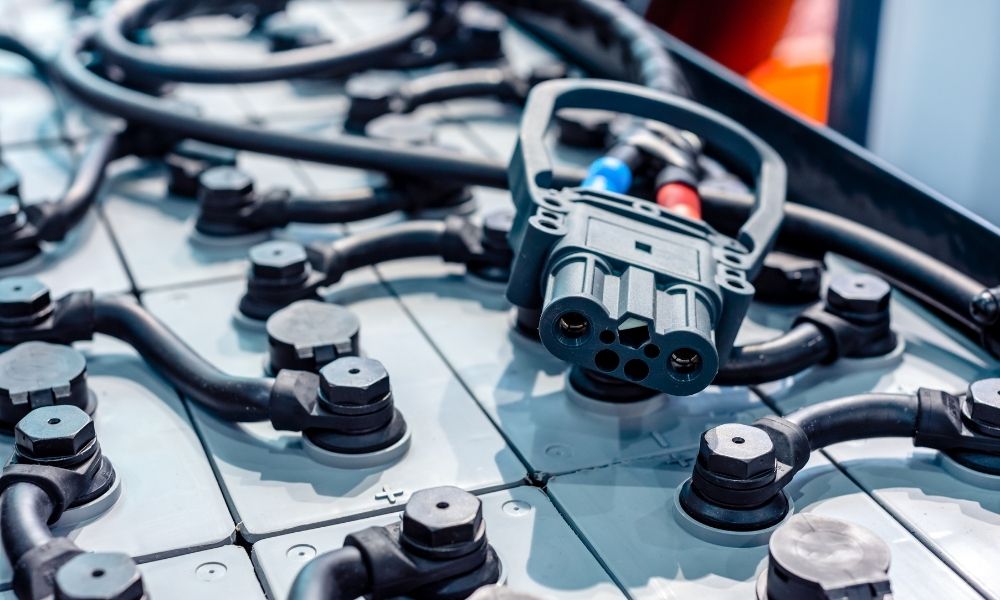
Electric forklifts, including lithium-ion models, have additional constraints. While they are cleaner and quieter, they still lack the legal road equipment. However, some new models are being designed with dual-use capabilities—for example, a lithium-ion forklift that can be driven at moderate speeds on private campus roads or industrial parks. The Liftron DL SERIES from Liftron Material Handling is a prime example of modern electric efficiency, but its onboard systems are optimized for warehouses, not public streets. If you need a vehicle that transitions from dock to street, consider investing in a dedicated low-speed vehicle or a modified utility vehicle instead.
Local Regulations Vary – Always Check First
Before attempting any road travel with a forklift, contact your local Department of Motor Vehicles, city traffic office, or state DOT. Ask about “special mobile equipment” classification, temporary permits, and whether your specific forklift model qualifies. In the European Union, for instance, forklifts are governed by Directive 2006/42/EC, and road use is even more restricted than in the U.S. In Canada, rules differ by province. Never assume that because a neighbor did it, it’s legal for you.
Quick Reference Table: Forklift Road Use by Scenario
| Scenario | Legal? (Typically) | Required Equipment |
|---|---|---|
| Crossing a road between job sites | Yes, with care | Horn, lights, low speed |
| Driving along a street for more than 500 meters | No | N/A – prohibited |
| Loading/unloading a parked truck | Yes, temporarily | Flashing lights, cones |
| Using a road-legal rough terrain forklift | Yes, with license and permit | Turn signals, mirrors, brake lights |
| Standard warehouse forklift on a public highway | Never | N/A – illegal in all 50 states |
Final Verdict: Don’t Drive a Forklift on Streets
In almost every situation, the answer to “can a forklift be driven on the streets” is a firm no. The risks to yourself, pedestrians, and other drivers are far too high, and the legal consequences can include hefty fines, license suspension, and even criminal liability if someone is injured. Instead, invest in proper transport methods like trailers, or if you need a versatile machine that can handle both warehouse and light outdoor work, consider hybrid models or utility vehicles. But remember, even the most advanced Liftron DL SERIES forklift is not a street vehicle. Always keep forklifts on private property and use common sense—your safety and your wallet will thank you.

Add a review
Your email address will not be published. Required fields are marked *