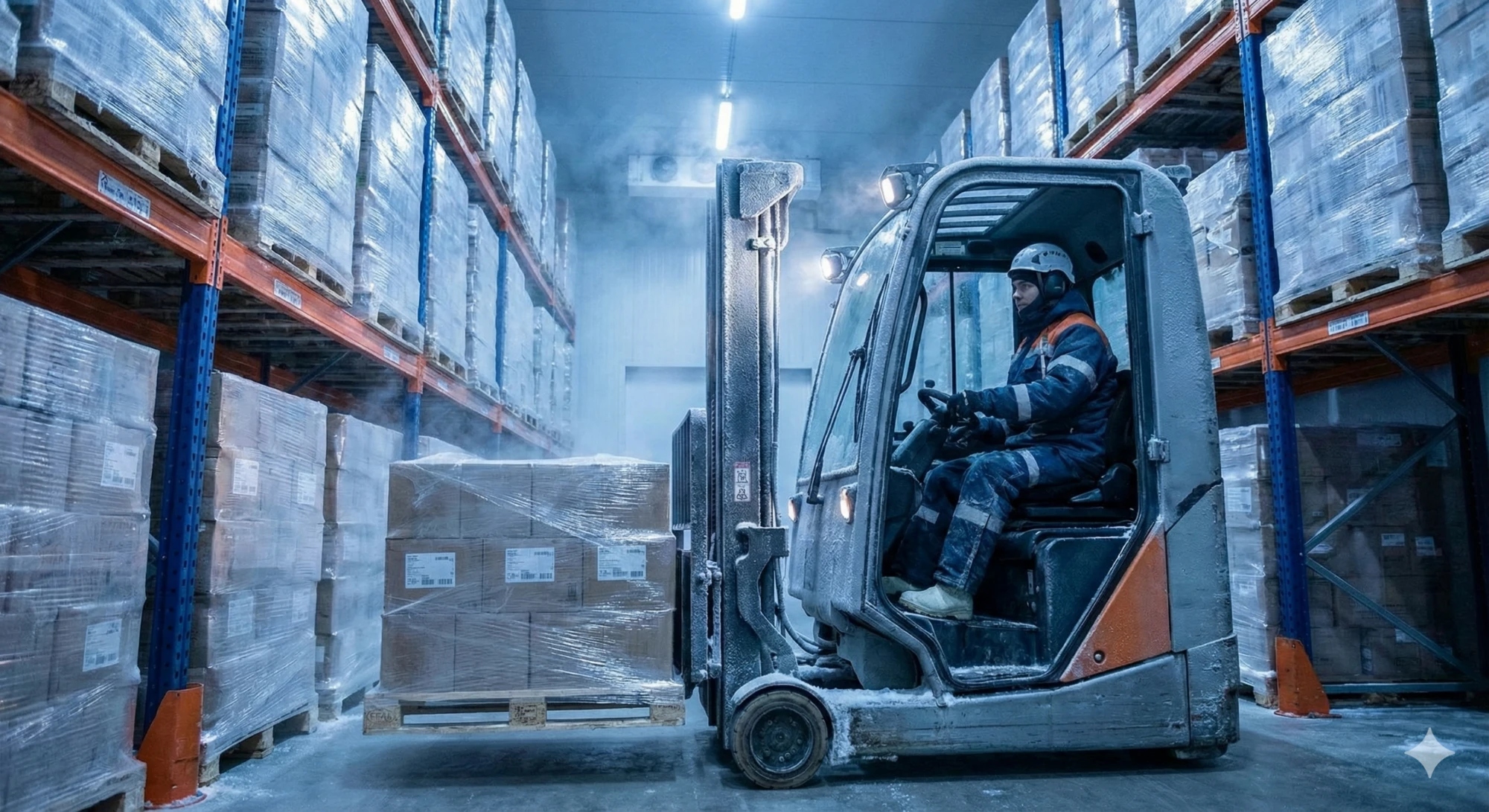
why do cold storage facilities prefer an electric forklift truck
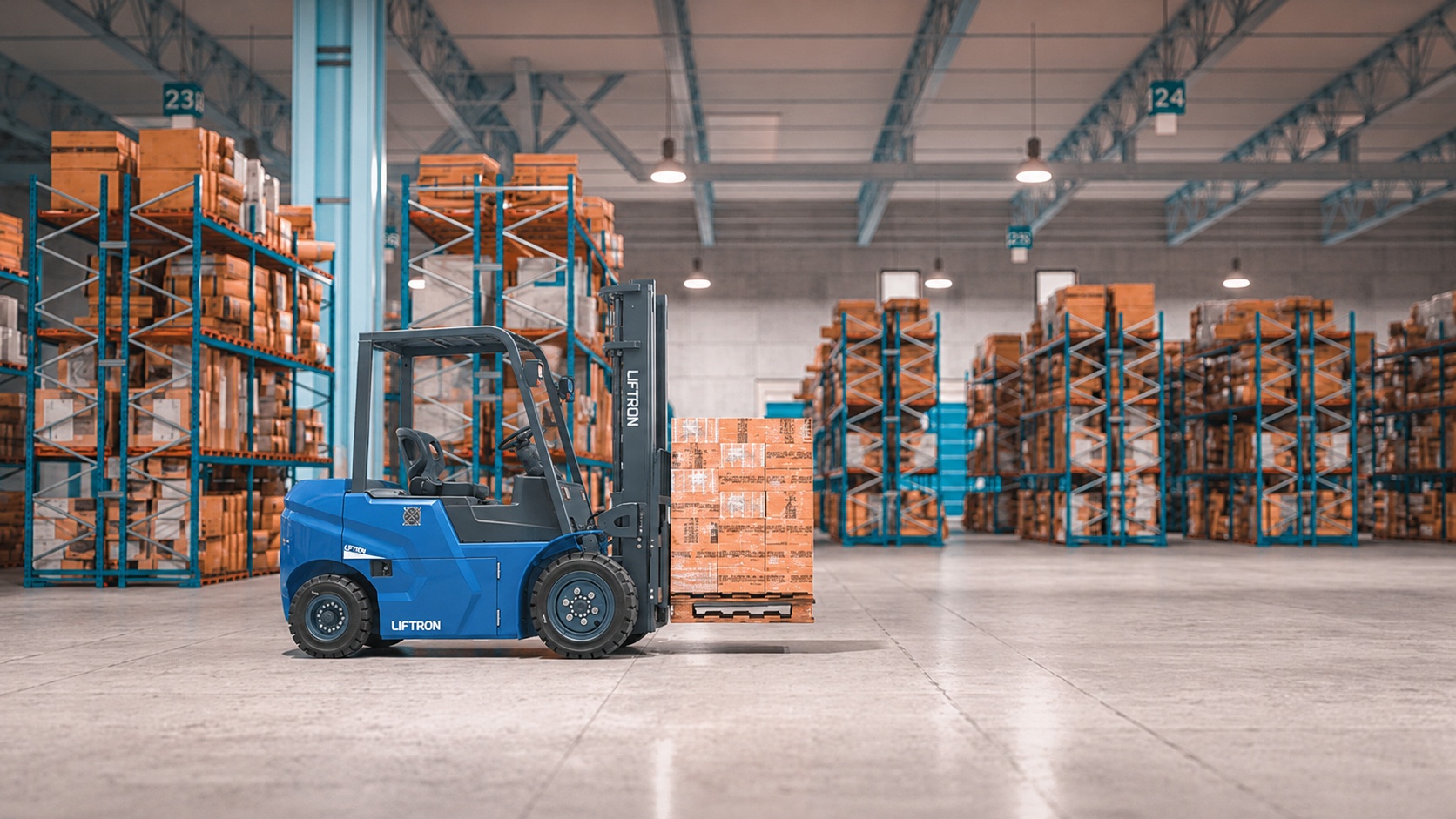
Cold storage operations demand forklifts that perform reliably in sub-zero temperatures while upholding food safety and efficiency. Unlike diesel or LPG models, electric forklifts deliver consistent power, zero emissions, and lower total ownership costs in environments from -20°C to -30°C. Lithium-ion batteries, such as those in the Liftron DL SERIES, maintain near-optimal capacity down to -30°C with built-in thermal management and opportunity charging, reducing downtime and battery fleet size by nearly 40%. Cold-proof hydraulics, reduced maintenance needs, and enhanced operator comfort further distinguish electric models. A comparative analysis highlights significant savings through lower energy use, minimized upkeep, and no ventilation requirements. These trucks also support automation integration and sustainability goals, including net-zero targets and regulatory compliance. As the industry shifts toward eco-friendly, cost-effective material handling, electric forklifts are becoming the strategic standard for modern cold storage facilities.