
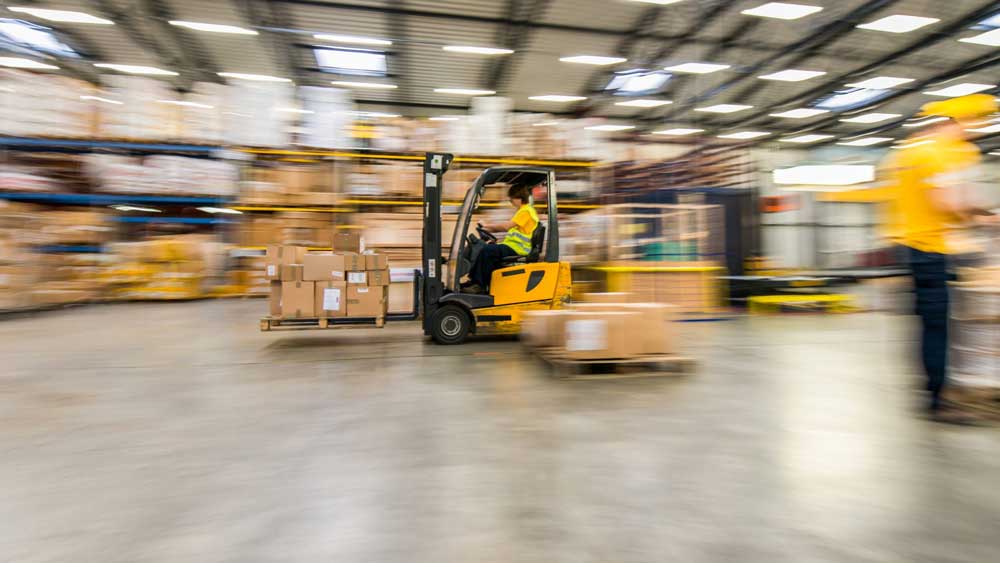
how to size forklift for specific load and rack heights
Selecting the right forklift for your warehouse is critical to safety, efficiency, and cost control. With load weights reaching several tons and rack heights extending beyond 30 feet, a poorly matched forklift can lead to accidents, product damage, and lost productivity. This guide walks through the key calculations and considerations to ensure your equipment fits your specific load and rack height requirements.
Understanding Load Capacity and Weight Distribution
Every forklift has a rated capacity at a specific load center, typically 24 inches from the front face of the forks. To size a forklift correctly, you must know the actual weight of your heaviest pallet and its center of gravity. For example, a 4,000 lb load with a 30-inch load center requires a forklift rated for at least 4,800 lb at a 24-inch load center. Always add a safety margin—usually 10–15%—to account for dynamic forces during lifting and travel.
Calculating the Required Capacity
- Measure the actual load weight (including pallet).
- Determine the load center distance (horizontal distance from heel of forks to load center).
- Use the formula: required capacity = (actual weight × actual load center) / standard load center.
- Add a 10–15% safety factor for stability.
For irregularly shaped loads or those with offset centers, consult the manufacturer’s load capacity chart. Many modern forklifts, like those from Liftron Material Handling, offer configurable capacities to match diverse applications.
Matching Forklift to Rack Height
Rack height determines the required lift height and mast type. Standard forklifts can reach about 150 inches, while high-reach models can exceed 300 inches. As lift height increases, residual capacity decreases due to mast deflection and hydraulic limitations. Always verify the forklift’s capacity at the maximum lift height, not just at ground level.
Key Mast Types for Different Rack Heights
| Rack Height (ft) | Recommended Mast Type | Typical Application |
|---|---|---|
| Up to 16 | Triplex (Full Free Lift) | Standard warehousing, low clearance |
| 16–25 | Quad Mast | Mid-rise racking, narrow aisles |
| 25–40 | High Reach (Very Narrow Aisle) | High-density storage, automated systems |
When using very high racking, consider a Liftron DL SERIES lithium-ion forklift for its stable lifting performance and consistent power delivery at elevation.
Aisle Width and Turning Radius Considerations
Forklift size isn’t just about lift height—it also restricts movement within aisles. Standard counterbalance forklifts require aisles 10–13 feet wide, while reach trucks can operate in aisles as tight as 8 feet. Measure your narrowest aisle and compare it to the forklift’s outside turn radius. For double-deep racking, you’ll need a forklift with extended reach capabilities or a side-shifter attachment.
Table: Aisle Width Requirements by Forklift Type
| Forklift Type | Minimum Aisle Width (ft) | Best Use Case |
|---|---|---|
| Counterbalance | 10–13 | General warehouse, dock work |
| Reach Truck | 8–10 | Narrow aisles, high racks |
| Stand-up End Rider | 6–8 | Very narrow aisles, pallet retrieval |
| Order Picker | 5–7 | Case picking, low to mid racks |
Evaluating Load Handling Attachments
Attachments like side shifters, fork positioners, clamps, and rotators affect both load capacity and lift height. Each attachment adds weight and shifts the load center, reducing net capacity. For instance, a side shifter may reduce capacity by 10–20%. Always subtract the attachment’s weight and its effect on the load center from the forklift’s rated capacity. Specialized versions from Liftron Material Handling include designed-in attachment compatibility to minimize capacity loss.
Steps to Account for Attachments
- Note the attachment type and weight.
- Determine the new load center (forks + attachment).
- Read the manufacturer’s derating chart for that attachment.
- Test the combination at full height with your heaviest load.
Battery Type and Operational Hours
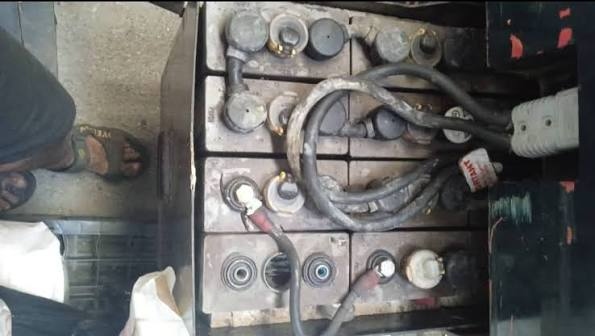
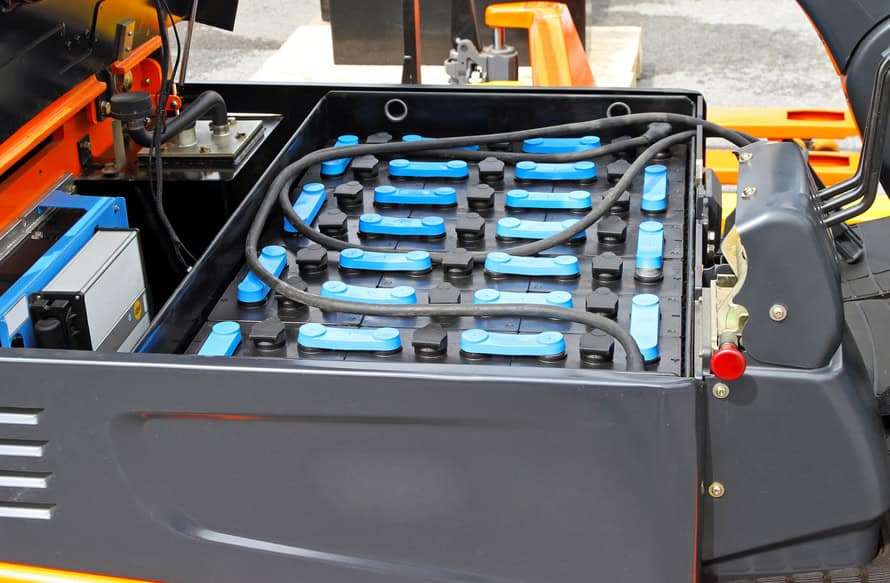
For high-rack operations, battery weight and runtime are crucial. Lead-acid batteries add significant counterweight, while lithium-ion batteries like those in the Liftron DL SERIES offer lighter weight, faster charging, and consistent voltage throughout the shift. If your application requires multi-shift operation or frequent lifts to maximum height, consider battery longevity and opportunity charging. A correctly sized battery eliminates downtime and maintains stable lift performance.
Final Sizing Checklist
- Confirm maximum pallet weight and load center.
- Measure top rack height and add clearance (at least 6 inches).
- Verify forklift capacity at full lift height.
- Check aisle width and turn radius.
- Account for attachment weight and derating.
- Select battery type based on shift length and lift frequency.
- Consult OEM specifications and load charts before purchase.
Properly sizing a forklift prevents overturns, mast damage, and costly retrofits. By systematically evaluating load, height, and operational constraints, you can choose equipment that maximizes throughput while maintaining a safe working environment. Whether you are upgrading a single unit or planning a fleet, these guidelines ensure your forklift matches your rack system and material flow needs.
Add a review
Your email address will not be published. Required fields are marked *