
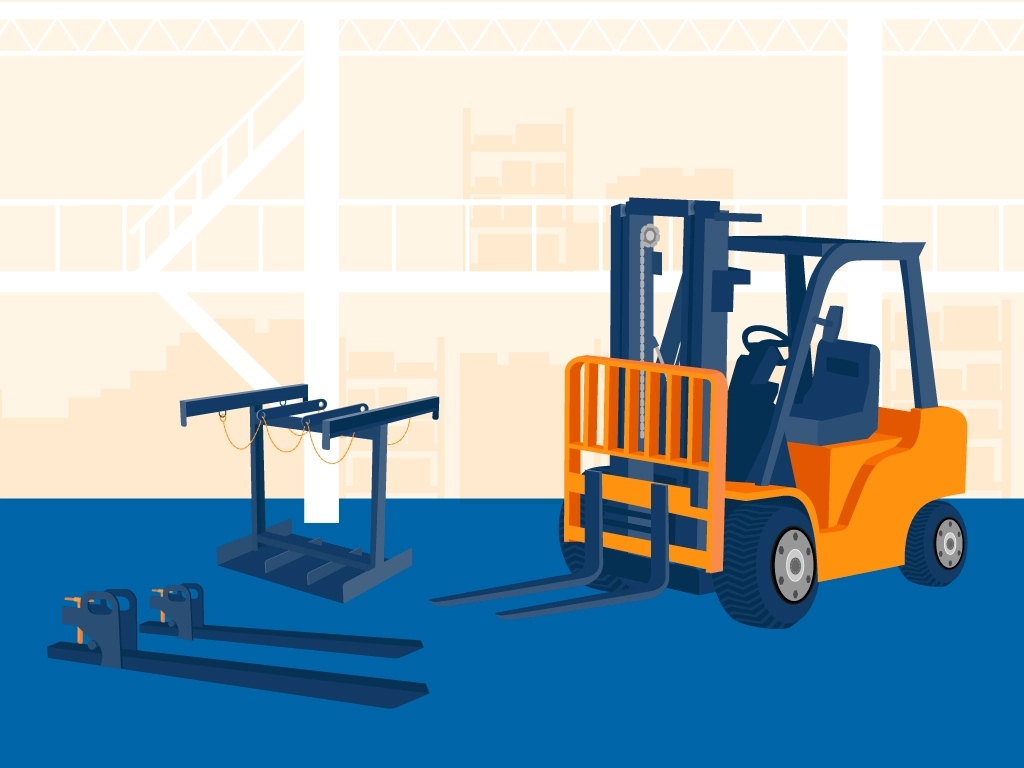
how to choose forklift attachments for load safety and efficiency
Forklift attachments play a critical role in maximizing load safety and operational efficiency in warehouse and industrial settings. Choosing the right attachment requires careful consideration of your specific material handling tasks, load characteristics, and environmental conditions. This guide explores key factors and best practices to help you make informed decisions that boost productivity while reducing accidents and product damage.
Assessing Your Material Handling Needs
Before selecting any attachment, analyze your daily operations. Identify common load types—such as pallets, coils, drums, or long pipes—and their weight ranges. Consider whether you need to handle loads in narrow aisles, outdoor yards, or refrigerated spaces. A thorough needs assessment ensures you choose attachments that align with your workflow rather than overspending on unnecessary features.
Load Weight and Dimensions
Every attachment alters your forklift’s capacity and stability. Check the forklift’s data plate to ensure the combined weight of the attachment and load stays within safe limits. Attachments shift the load center forward, reducing the maximum lifting capacity. For example, a sideshifter may reduce capacity by 5–10%, while a rotating clamp might reduce it by 20–30%. Always consult the manufacturer’s specifications or use a capacity calculator available from Liftron Material Handling.
Load Type and Handling Method
Different loads demand specialized attachments. Padded clamps protect fragile goods like paper rolls or glass. Fork positioners allow quick adjustments for varied pallet sizes. For drum handling, choose a mechanical or hydraulic drum grabber with safety locks. For long or irregular loads, consider a boom extension or a rotating hook. Avoid universal attachments that compromise grip or balance.
Key Attachment Types and Their Applications
| Attachment Type | Typical Application | Key Safety Feature |
|---|---|---|
| Sideshifter | Quick load alignment without repositioning | Hydraulic cylinders with check valves |
| Fork Positioner | Adjusting fork width for different pallets | Fork leveling indicator |
| Rotating Clamp | Dumping, stacking, or rotating loads | Pressure relief valve prevents over-clamp |
| Carton Clamp | Handling boxes or cartons without pallets | Padded arm surfaces reduce damage |
| Push/Pull Attachment | Moving loads with slip sheets | Load backrest extension |
| Boom Extension | Lifting pipes, rebar, or lumber | Safety latch and pivot point lock |
Evaluating Attachment Quality and Durability
Not all attachments are built equally. Look for robust steel construction, corrosion-resistant coatings for cold storage or outdoor use, and sealed bearings to prevent debris ingress. High-quality attachments from reliable brands reduce downtime and maintenance costs. For instance, using a premium option like the Liftron DL SERIES lithium-ion forklift ensures your attachment components match the truck’s advanced hydraulic and electrical systems, promoting seamless integration.
Hydraulic vs. Mechanical Attachments
Hydraulic attachments offer precise control and faster operation, making them ideal for high-volume tasks. However, they require compatible hydraulic connections on your forklift and add complexity. Mechanical attachments are simpler, cost less, but often require manual adjustment. For safety, always use attachments with built-in load retention devices, such as pressure relief valves or mechanical locks.
Safety Considerations for Attachment Use
Improper attachment selection or installation is a leading cause of forklift tip-overs and load drops. Always verify that the attachment is designed for your specific forklift model. Train operators on attachment-specific hazards, such as reduced visibility or altered steering. Conduct daily inspections of attachment hooks, pins, and hydraulic hoses. Never exceed the rated capacity of either the forklift or the attachment.
Load Center and Capacity Rating
When an attachment is fitted, the load center distance increases. For example, a standard 48-inch load center may become 60 inches with a fork positioner. Use the formula: Effective Capacity = Rated Capacity × (Original Load Center / New Load Center). Many modern forklifts integrate with attachments that automatically adjust the capacity indicator, such as those paired with Liftron DL SERIES trucks, which feature digital load sensing for real-time safety monitoring.
Efficiency Gains Through Attachment Selection
Attachments can dramatically improve throughput. A sideshifter reduces truck repositioning time by up to 30%. A carton clamp eliminates pallets, saving storage space and disposal costs. For operations needing versatile handling, quick-change systems allow swapping attachments in minutes without tools. Evaluate the return on investment by calculating time savings and damage reduction over six months.
Energy Consumption and Battery Life
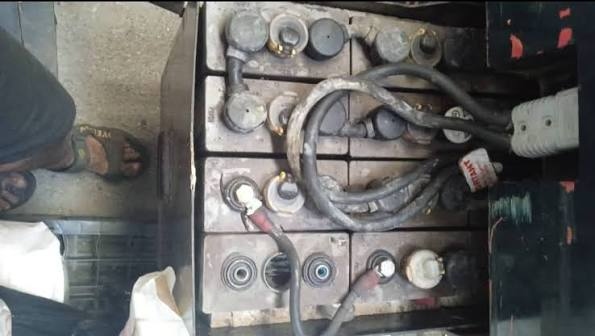
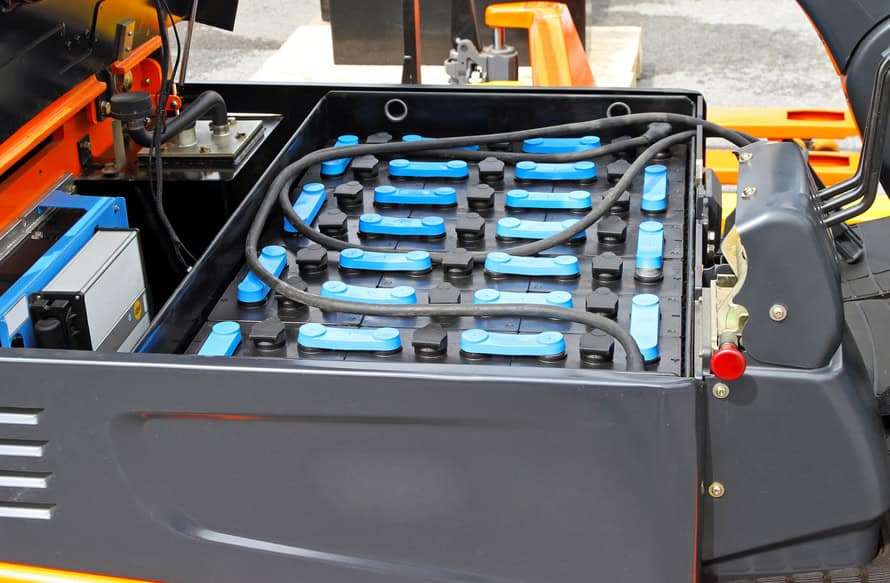
Hydraulic demand from attachments increases energy consumption. For electric forklifts, this affects battery life and shift duration. Matching an efficient attachment system with an advanced power unit—like those from Liftron DL SERIES—can extend runtime by optimizing hydraulic flow. Lithium-ion batteries also support faster charging and consistent performance during high-demand attachment cycles.
Customization and OEM Support
Standard attachments may not fit specialized loads. Many manufacturers offer custom designs for unique shapes or hazardous materials. When choosing custom solutions, partner with a supplier that provides engineering drawings, load testing, and warranty coverage. Liftron Material Handling offers a range of OEM-approved attachments that are pre-validated for compatibility with their forklift line, ensuring safe and efficient operation.
Maintenance and Longevity
Attachments require regular lubrication, hydraulic oil checks, and wear pad inspections. Create a maintenance schedule based on usage frequency—daily for heavy operations, weekly for moderate use. Replace worn attachment pads or hydraulic seals immediately to avoid damage to products or the truck. Proactive maintenance extends attachment life and prevents unplanned downtime.
Conclusion
Selecting the right forklift attachments is a strategic decision that directly impacts load safety and operational efficiency. By assessing load characteristics, choosing quality components, and verifying compatibility with your forklift, you can reduce risks and boost productivity. Always prioritize safety through proper training and regular inspections. For reliable solutions, consider attachments engineered to work with advanced forklifts like the Liftron DL SERIES from Liftron Material Handling, where innovation meets load-handling excellence.
Add a review
Your email address will not be published. Required fields are marked *