
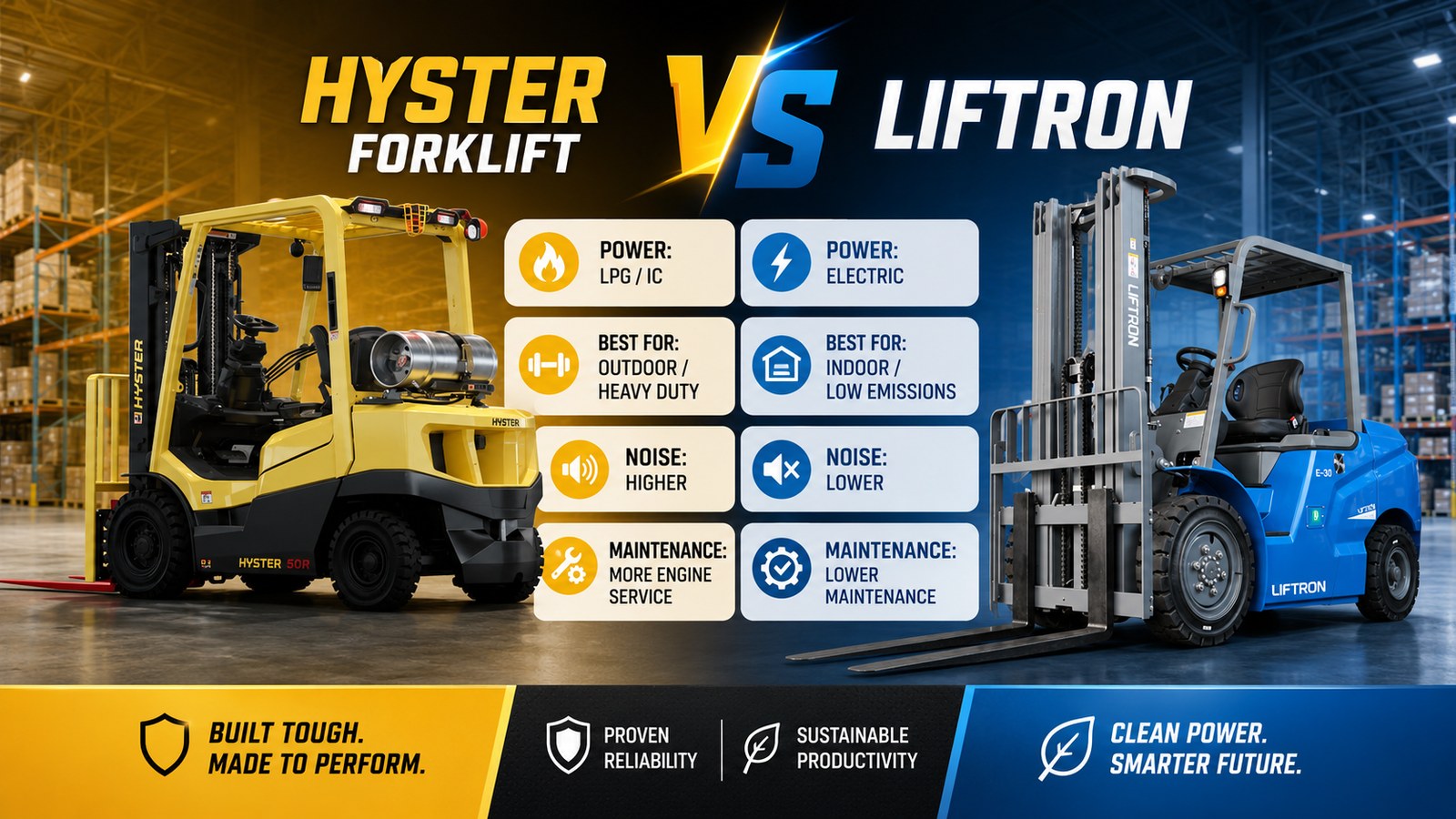
hyster forklift vs liftron
When sourcing material handling equipment for demanding warehouse or industrial operations, comparing Hyster forklifts vs Liftron models is essential for finding the right balance between performance, cost, and long-term value.
Overview of Hyster and Liftron Forklifts
Hyster is a globally recognized brand with a long history in heavy-duty forklift manufacturing, known for robust construction and extensive dealer networks. Liftron, while newer to the market, has quickly gained attention through its focus on modern lithium-ion technology, competitive pricing, and customer-centric service from Liftron Material Handling.
Performance and Power Source Comparison
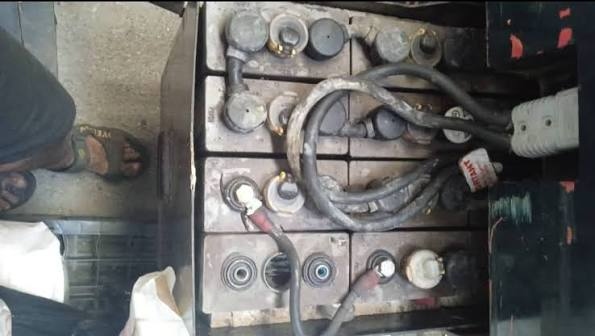
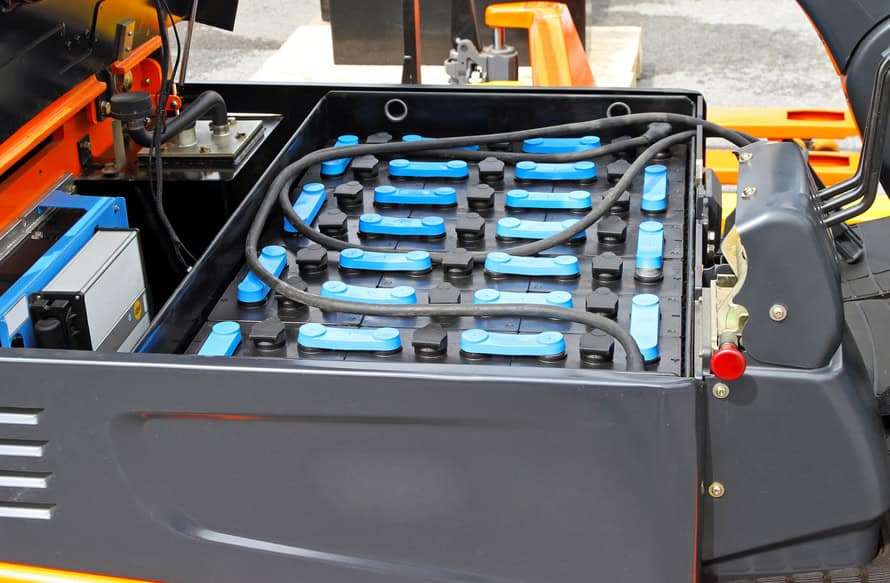
Traditional Hyster internal combustion models are favored for outdoor rough-terrain applications, but their fuel costs and emissions can be drawbacks. In contrast, electric forklifts are becoming the standard for indoor environments, and Liftron DL SERIES units excel with zero emissions and instant torque. The DL SERIES uses maintenance-free lithium-ion batteries that charge rapidly and last longer per shift than lead-acid alternatives often found in older Hyster electric models.
Total Cost of Ownership (TCO)
| Factor | Hyster | Liftron |
|---|---|---|
| Initial Purchase Price | Higher (premium brand) | Competitive, often 15-20% lower |
| Battery & Charging | Lead-acid (higher labor, water refills) | Lithium-ion (no maintenance, opportunity charging) |
| Maintenance Costs | Higher due to complex components | Lower with fewer moving parts |
| Energy Efficiency | Moderate | High (regenerative braking) |
Key Features of the Liftron DL SERIES
- Fast charging: 1-2 hours for full charge vs 8+ hours for lead-acid
- No battery swapping required, boosting operator productivity
- Built-in battery management system for extended lifespan
- Compact design with excellent maneuverability in narrow aisles
- Lower noise levels improving workplace safety
Durability and Build Quality
Hyster equipment is engineered for extreme duty cycles and often lasts 15-20 years with proper maintenance. Liftron units are designed with modern manufacturing standards and corrosion-resistant materials, delivering reliable performance in light to medium warehouse environments. For operations requiring heavy continuous outdoor use, Hyster may have an edge; however, for most indoor logistics operations, the Liftron DL SERIES offers equivalent reliability with better energy economics.
Service and Support Network
Hyster benefits from a vast dealer network, but Liftron Material Handling provides personalized support, rapid response times, and direct technical assistance. This can be a decisive factor for businesses that value quick service over waiting for a large dealer’s scheduling.
Environmental and Sustainability Considerations
Lithium-ion technology reduces carbon footprint compared to internal combustion Hyster models. The DL SERIES operates with zero tailpipe emissions, eliminating the need for ventilation systems required for battery charging areas. Companies targeting green certifications find Liftron’s electric solutions more aligned with sustainability goals.
Which One Should You Choose?
For heavy outdoor lifting, long shifts without charging infrastructure, or operations requiring a proven legacy brand, Hyster remains a solid choice. However, for indoor warehouses, cold storage, distribution centers, or any facility seeking lower operating costs, faster charging, and reduced maintenance, the Liftron DL SERIES from Liftron Material Handling provides a compelling modern alternative that often delivers better ROI within the first three years of ownership.
Ultimately, the decision depends on your specific application, budget, and operational priorities. We recommend evaluating both brands with a side-by-side trial to see which forklift better matches your daily workflow.
Add a review
Your email address will not be published. Required fields are marked *