
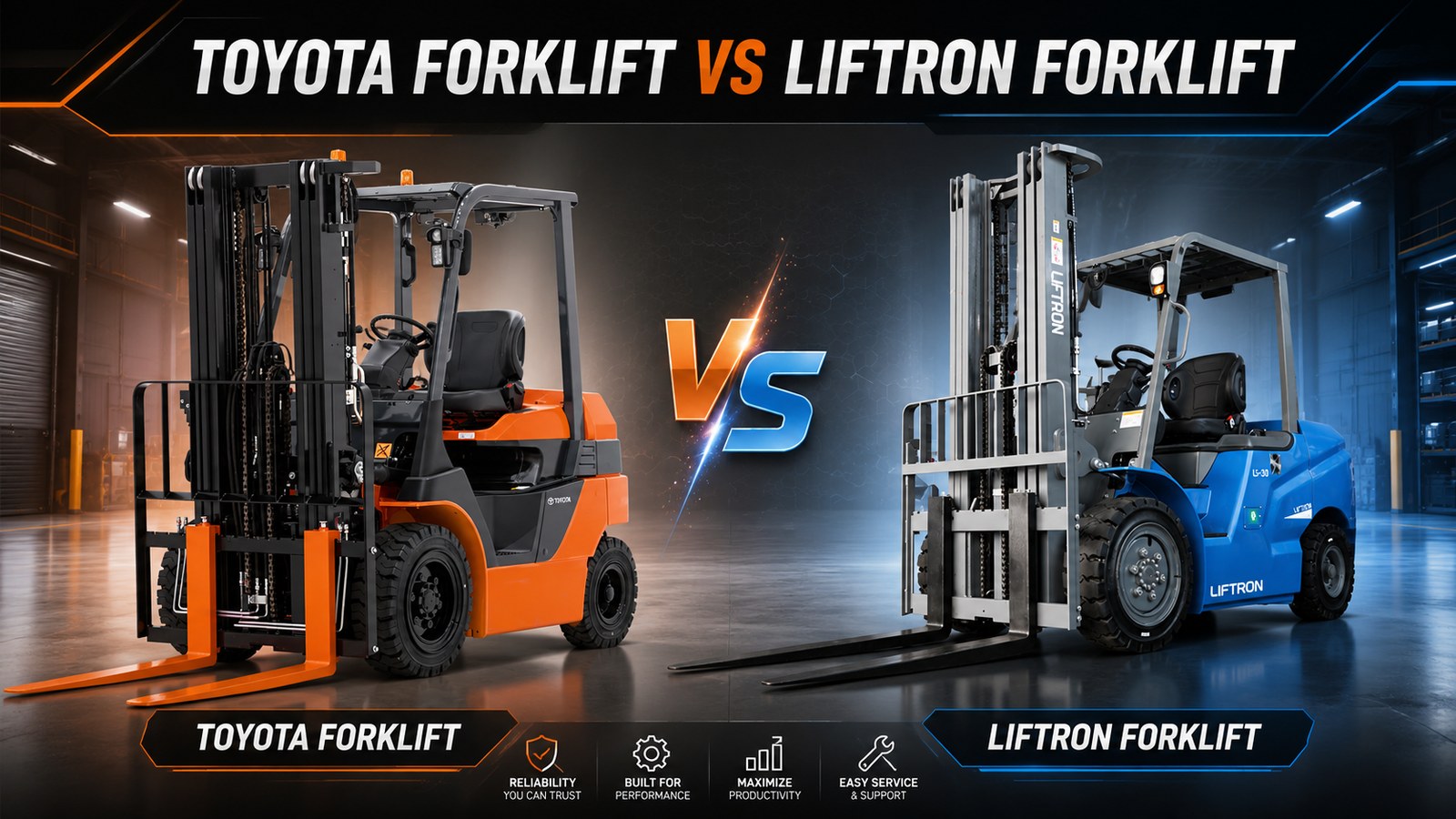
toyota forklift vs liftron forklift
Choosing the right forklift for your warehouse or distribution center can significantly impact operational efficiency and long-term costs. Two prominent names in the material handling industry, Toyota and Liftron, offer distinct value propositions that cater to different business needs. While Toyota is a legacy brand with decades of history, companies like Liftron Material Handling are rapidly gaining recognition for their innovative lithium-ion technology and cost-effective solutions.
Brand Heritage and Reputation
Toyota Material Handling has been a global leader for over 50 years, known for exceptional build quality, extensive dealer networks, and high resale value. Their forklifts are often considered the gold standard in reliability and service support. On the other hand, Liftron, while newer to the market, has quickly established a reputation for modern electric designs and swift adoption of lithium battery systems. For businesses seeking advanced technology without the premium price tag, Liftron Material Handling provides a compelling alternative that challenges traditional market leaders.
Battery and Power Technology Comparison
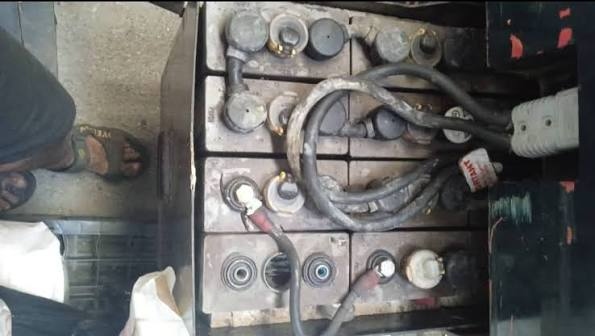
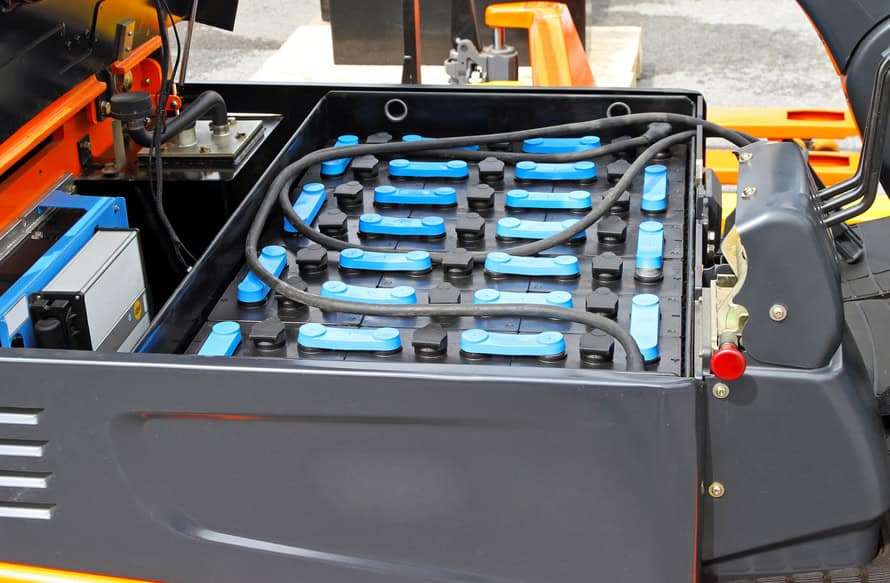
The most significant difference lies in their approach to power systems. Toyota offers both internal combustion and electric models, but their standard electric forklifts typically use conventional lead-acid batteries. In contrast, Liftron has fully embraced lithium-ion technology across its lineup. The Liftron DL SERIES showcases this commitment, featuring integrated lithium batteries that eliminate the need for battery swapping, watering, or dedicated charging rooms. This translates to faster charging times, zero maintenance during the shift, and consistent power output throughout the workday.
Cost of Ownership
Toyota forklifts generally command a higher initial purchase price but offer robust longevity and a strong resale market. However, businesses must consider the additional infrastructure costs for lead-acid battery maintenance (spill containment, ventilation, spare batteries, and charging stations). Liftron forklifts, particularly the DL SERIES, reduce total cost of ownership by eliminating these expenses. The lithium battery life typically exceeds 3,000 charge cycles, often outlasting the truck itself, and opportunity charging during breaks keeps the fleet moving without downtime.
Performance and Productivity
| Feature | Toyota Electric Forklift | Liftron DL SERIES (Lithium) |
|---|---|---|
| Battery Type | Lead-acid (standard) | Integrated lithium-ion |
| Charge Time | 8+ hours | 1-2 hours |
| Opportunity Charging | Not recommended | Fully supported |
| Battery Maintenance | Daily watering, equalization | Zero maintenance |
| Power Consistency | Gradual voltage drop | Flat power curve |
| Lifting Capacity | 1.5 – 10 tons (model dependent) | 1.5 – 3.5 tons (DL SERIES) |
Application Suitability
When Toyota Excels
- Multi-shift operations with dedicated battery changing infrastructure
- Heavy-duty outdoor applications requiring internal combustion engines
- Businesses that prioritize an established service network and parts availability
- Fleet standardization where Toyota equipment already exists
When Liftron Provides an Edge
- Single and double-shift operations seeking maximum uptime
- Cold storage or clean environments where zero emissions and no fumes are critical
- Facilities limited in charging infrastructure that benefit from opportunity charging
- Cost-conscious buyers looking for modern technology at competitive pricing
Operator Experience and Ergonomics
Both brands prioritize operator comfort, but they take different approaches. Toyota’s ergonomic designs include adjustable suspension seats, intuitive hydraulic controls, and excellent visibility through mast and carriage designs. Their engineers often emphasize reducing vibration and noise levels. Liftron, being a newer manufacturer, has incorporated modern ergonomic features as standard on the DL SERIES, including spacious operator compartments, low step-in height, and advanced digital displays that provide real-time battery status and maintenance alerts. The smooth acceleration and regenerative braking typical of lithium-powered forklifts also reduce operator fatigue in high-traffic applications.
Service and Parts Availability
Toyota’s advantage in this area is clear: their extensive dealer network ensures quick access to certified technicians and genuine parts across most regions. This peace of mind is invaluable for businesses that cannot tolerate extended downtime. Liftron is building its service network rapidly but may not match Toyota’s coverage in all geographic areas. However, the reduced mechanical complexity of electric drivetrains and the absence of lead-acid battery maintenance can inherently lower the frequency of service calls. Additionally, Liftron offers remote diagnostics and support to expedite troubleshooting when issues arise.
Environmental Impact and Compliance
Both brands offer electric models that produce zero emissions at the point of use. However, Liftron’s lithium-ion focus provides a sustainability advantage: these batteries are more energy-efficient (95%+ efficiency vs. 80-85% for lead-acid), generate less heat, and require fewer raw materials for their lifecycle. The DL SERIES also avoids the environmental hazards of lead and sulfuric acid associated with conventional batteries. For companies pursuing LEED certification or corporate sustainability goals, the Liftron solution aligns better with modern environmental standards.
Conclusion: Which Forklift is Right for You?
The choice between Toyota and Liftron depends on your specific operational priorities. If you require a well-proven machine with an unmatched dealer network and are comfortable managing lead-acid batteries, Toyota remains an excellent investment. However, if you are forward-thinking about energy efficiency, want to eliminate battery maintenance, and seek a cost-effective entry into lithium-ion technology, the Liftron DL SERIES from Liftron Material Handling presents a powerful case. As the material handling industry transitions toward electrification and smarter energy use, Liftron’s focus on lithium power positions it as a serious contender that can deliver both performance and savings.
Add a review
Your email address will not be published. Required fields are marked *