are fire extinguishers required on liftron forklifts

Are fire extinguishers required on liftron forklifts

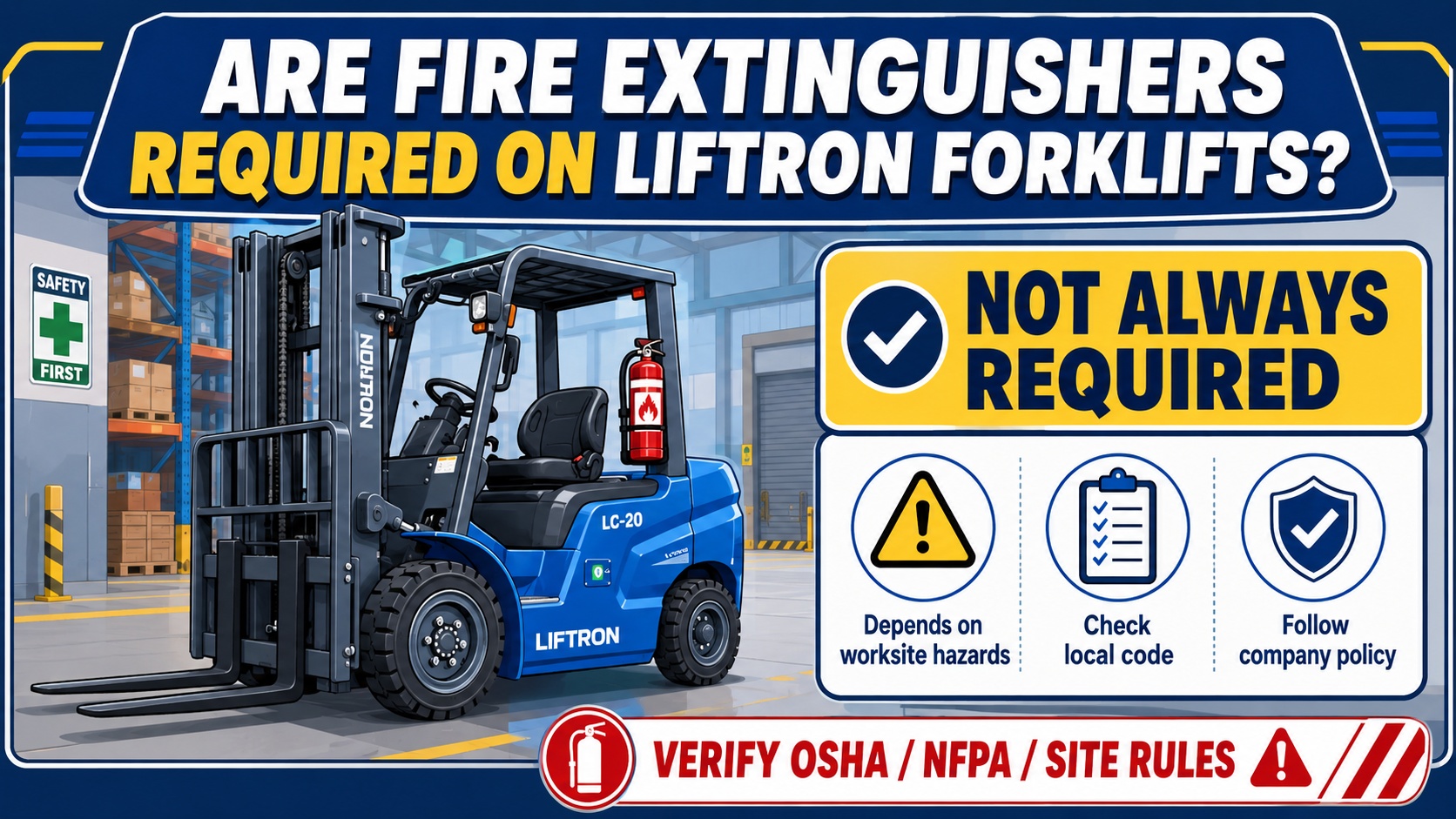
Are fire extinguishers required on Liftron forklifts? While OSHA does not explicitly mandate extinguishers on every powered industrial truck, compliance depends on local fire codes, workplace hazards, and travel distances. OSHA’s 29 CFR 1910.157 requires extinguishers within 75 feet of travel—meaning if a Liftron forklift operates near a wall-mounted unit, an onboard extinguisher may not be needed. However, environments with flammable liquids, lithium-ion batteries, or remote or hazardous locations often necessitate a portable extinguisher. NFPA 10 and local authorities may impose additional requirements. For Liftron DL SERIES lithium-ion models, Class ABC dry chemical extinguishers are common, but Class D agents are recommended for battery fires. Proper mounting, monthly inspections, and operator training on the PASS technique are essential. Fleet managers should conduct risk assessments and consult insurers to determine the best fire safety approach, ensuring personnel and equipment are protected.
how do i optimize forklift tire performance

How do I optimize forklift tire performance

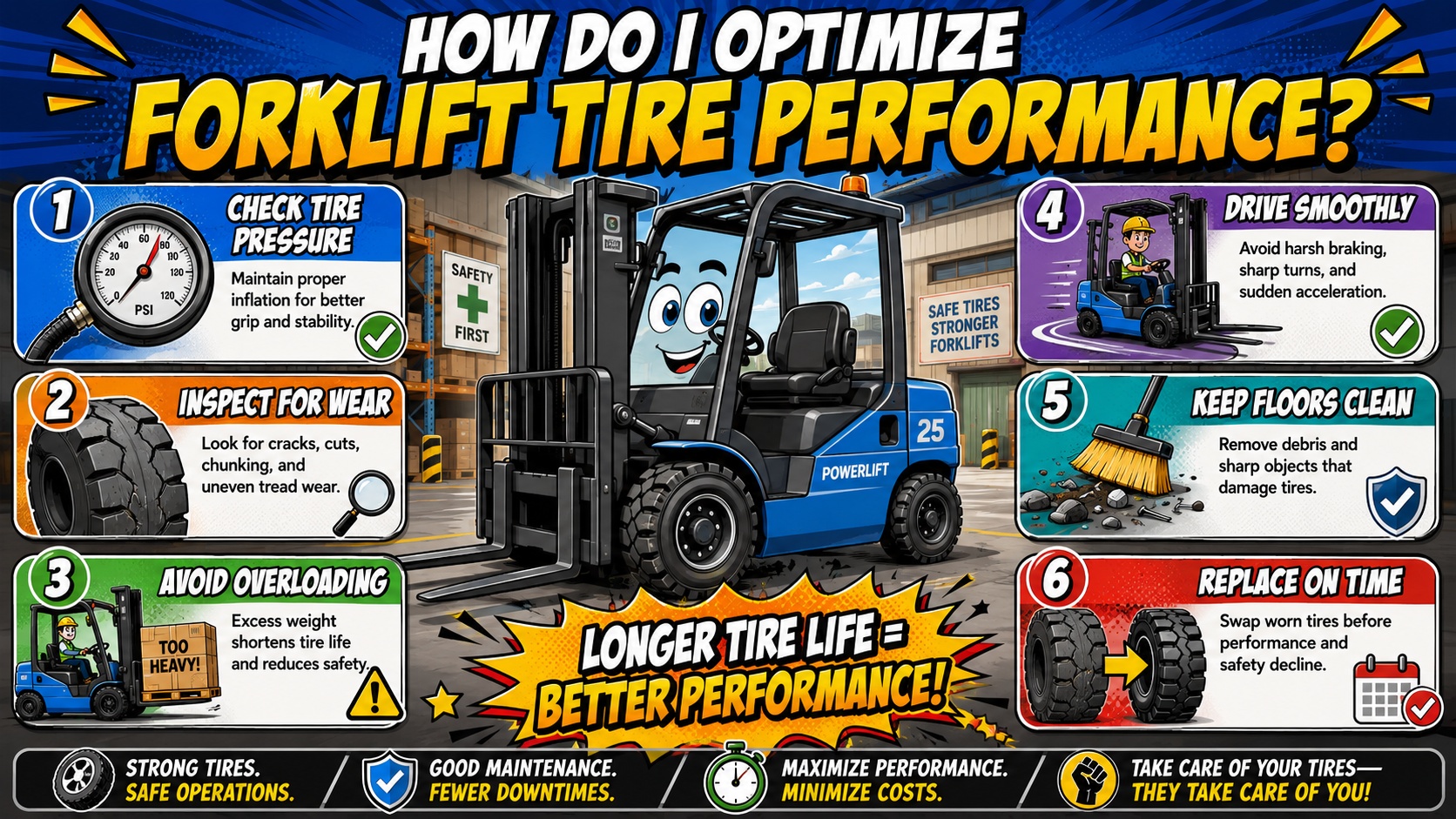
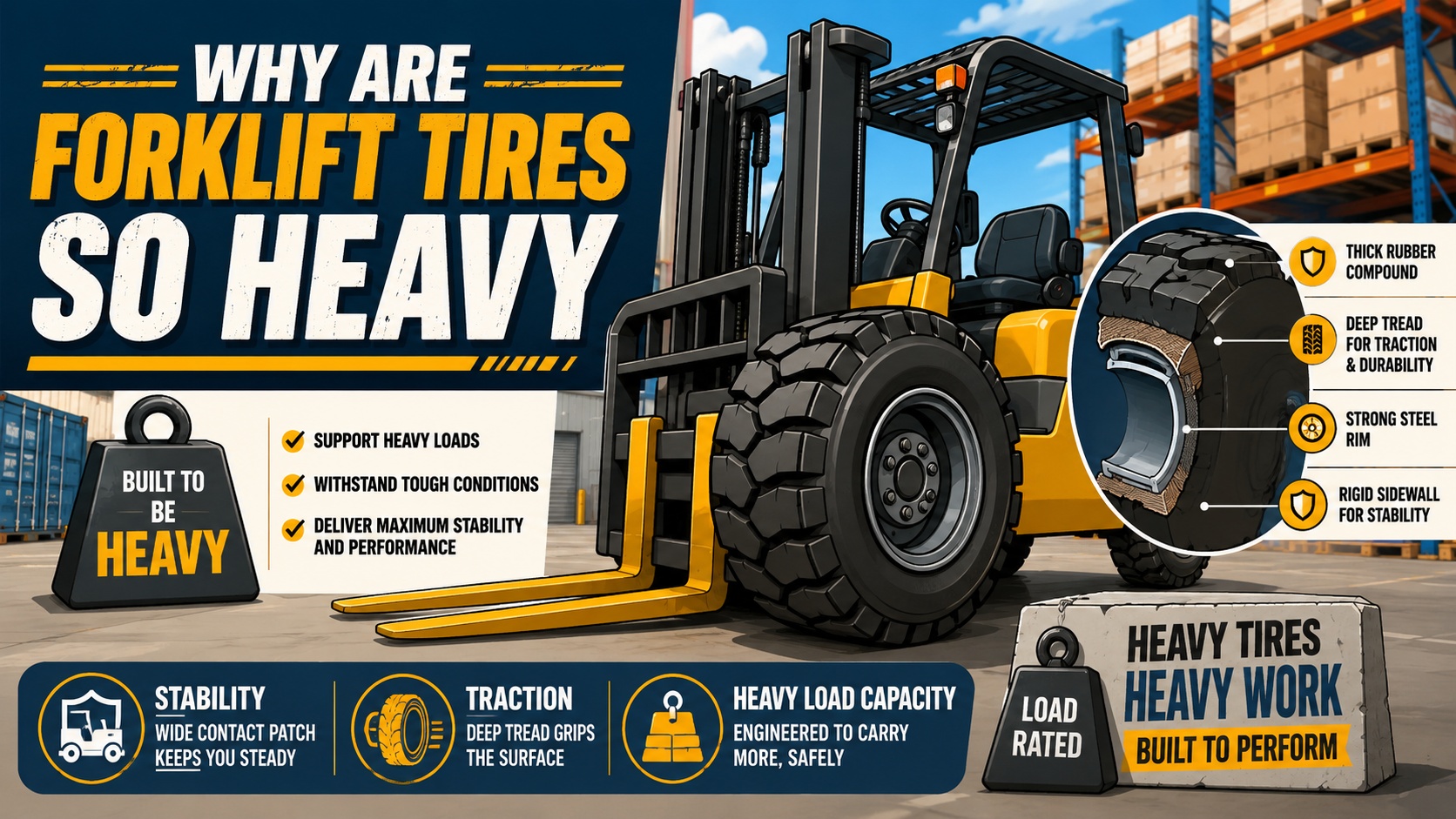
Optimizing forklift tire performance is key to reducing downtime, lowering costs, and improving warehouse safety. This guide explores pneumatic, solid, and polyurethane tire types, offering actionable strategies to extend lifespan by up to 30%. Learn how proper pressure maintenance, load management, and optimized driving techniques prevent common wear patterns like cupping and flat spots. Choosing the right tire compound for your floor surface—whether abrasive concrete or polished finishes—dramatically boosts traction and fuel efficiency. A case study shows a cold storage facility extending tire life from 4 to 14 months with the right compound and daily checks. Discover how Liftron Material Handling’s customizable tire solutions and the advanced DL SERIES integrate tire management for measurable gains in uptime and performance.

how long do a set of forklift tires last

How long do a set of forklift tires last

Forklift tire lifespan varies from 100 to over 1,000 hours depending on tire type, surface conditions, load weight, and operator habits. This guide explains key factors affecting longevity, such as cushion versus pneumatic tires, operating surfaces, and maintenance practices. Learn to maximize tire life through proper selection, operator training, and regular inspections. Case studies show improvements from 250 to 450 hours with strategic changes. Partner with a trusted manufacturer like Liftron Material Handling for durable equipment and advanced lithium-ion models that enhance tire durability. Implement actionable strategies to reduce replacement costs and improve fleet efficiency.

how to drive a liftron sit down forklift

How to drive a liftron sit down forklift

Master the essentials of operating a sit-down forklift with this practical guide covering pre-operation safety checks, mounting techniques, and driving fundamentals. Learn proper control of acceleration, steering with rear-wheel design, and load handling for pallet placement. Avoid common mistakes like overloading or sudden stops, and follow correct parking and shutdown procedures to maintain safety and equipment longevity. Designed for new operators and warehouse teams, this resource highlights key features of Liftron DL SERIES models, including ergonomic controls and diagnostic indicators. Prioritize workplace efficiency and accident prevention with step-by-step best practices aligned with OSHA standards.

a forklift operator may have how many blind spots

A forklift operator may have how many blind spots

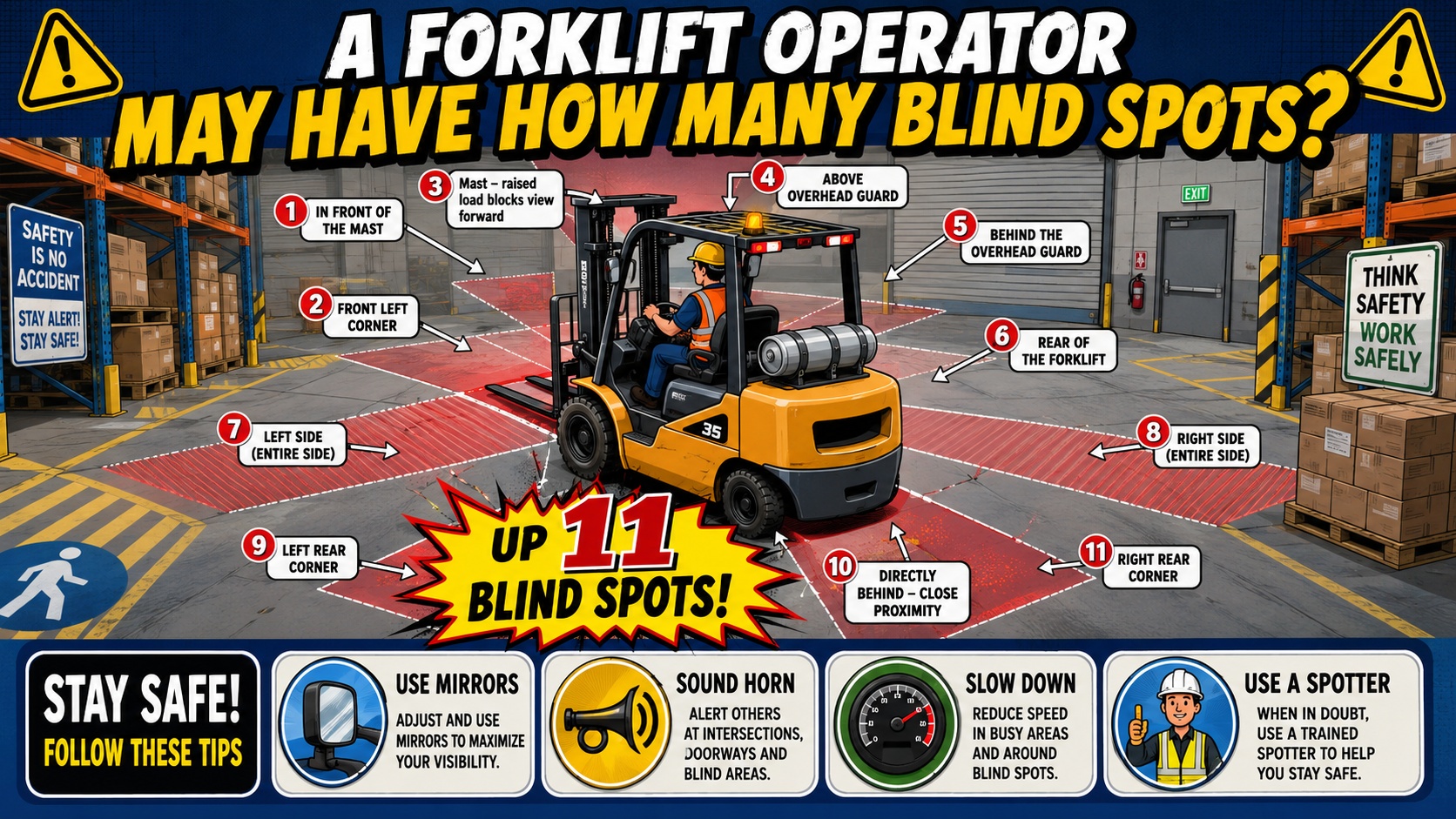
Understanding forklift blind spots is critical for warehouse safety, yet many operators underestimate how many hidden zones exist. A standard counterbalance forklift has between four to six major blind spots, including areas in front of the mast, behind the overhead guard, and at the rear corners—blind spots that expand dramatically with load size. This article explores the common causes and practical consequences of these visibility limitations, and highlights how modern equipment like the Liftron DL SERIES reduces risk through high-visibility masts, 360-degree camera systems, proximity sensors, and blue spot lights. A case study shows a distribution center eliminating blind-spot accidents after upgrading fleets. Discover best practices for managing forklift blind spots and how investing in smarter design can protect both operators and pedestrians.

Back to Top
Product has been added to your cart