
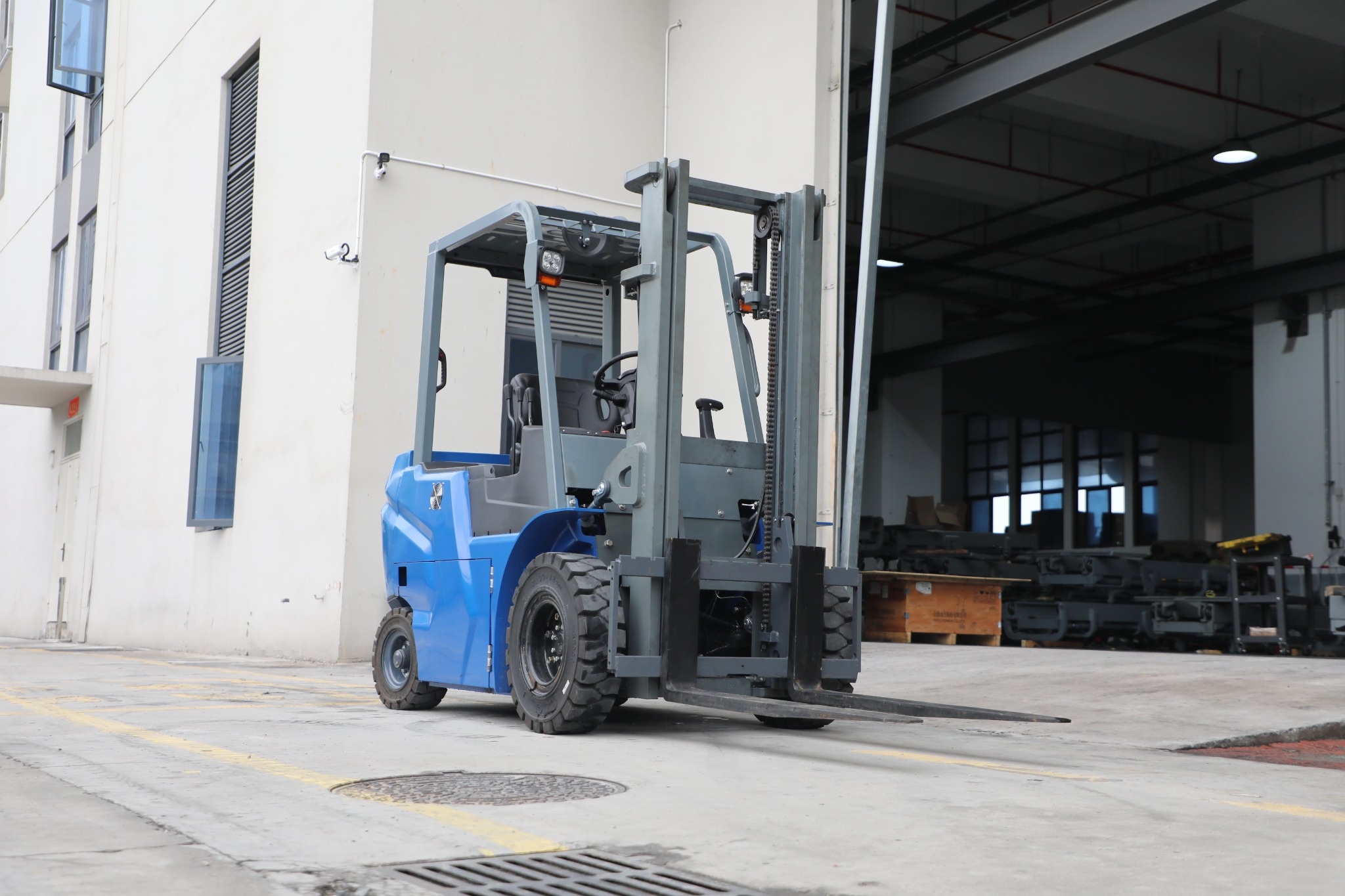
How to drive a liftron sit down forklift
Operating a sit-down forklift requires precision, safety awareness, and proper technique. For those new to industrial material handling, understanding the fundamentals of driving a Liftron Material Handling forklift ensures both productivity and workplace safety. This guide focuses on the essential steps and best practices for controlling these powerful machines, from pre-operation checks to maneuvering in tight warehouse aisles.
Pre-Operation Safety Inspection
Before stepping onto a Liftron DL SERIES, always perform a thorough walk-around inspection. Check tire pressure and tread condition, examine hydraulic hoses for leaks or abrasions, and verify that the mast and carriage move smoothly. Inside the cabin, ensure the seatbelt is functional, the overhead guard is secure, and all gauges—including battery charge and oil pressure—display properly. Never bypass a pre-shift checklist according to OSHA standards, as forklift accidents often stem from neglected maintenance. The Liftron Material Handling models come with integrated diagnostic indicators, making this check straightforward even for novice operators.
Mounting and Starting the Forklift
Proper Mounting Technique
Use the three-point contact method: grip the overhead guard or steering wheel with both hands, keep one foot on the step, and swing into the seat without carrying tools or loose items. Once seated, adjust the seat to comfortably reach the pedals and steering wheel. The Liftron DL SERIES offers an adjustable suspension seat for operators of varying heights.
Starting Procedure
Insert the key and turn to the “on” position, allowing the system to run a self-diagnostic check. On electric models like the Liftron Material Handling lithium-ion units, wait for the battery indicator to stabilize. Press the brake pedal, then start the engine or engage the electric drive. Allow the motor to idle for 30 seconds before engaging the transmission.
Basic Controls and Instruments
| Control | Function | Common Use |
|---|---|---|
| Steering wheel | Directional control | Steer with smooth, small corrections |
| Forward/Reverse pedal | Acceleration and direction | Press gently; avoid sudden starts |
| Brake pedal | Stopping and parking | Apply gradually to prevent load shift |
| Lift/lower lever | Vertical mast movement | Raise loads only when stopped |
| Tilt lever | Mast angle adjustment | For load stability during travel |
The Liftron DL SERIES features ergonomic fingertip controls, reducing operator fatigue during long shifts. Familiarize yourself with the horn and overhead guard before moving.
Driving Techniques for Sit-Down Forklifts
Starting and Stopping Smoothly
Press the forward pedal with gradual pressure. Forklifts have a low center of gravity but are rear-heavy when unladen. Avoid sharp acceleration, which can tip the truck. To stop, ease off the accelerator and smoothly apply the brake. Practice in an empty aisle until you can stop within a forklift length.
Turning and Maneuvering
Sit-down forklifts have rear-wheel steering, making the rear end swing wide. Before turning, reduce speed and check clearance behind the truck. For tight corners, use the “spot turn” method: stop, spin the steering wheel fully, then apply minimal power. The Liftron Material Handling models offer tight turn radii essential for warehouse racking systems. Always watch the counterweight to avoid striking pillars or inventory.
Loading and Unloading Pallets
When approaching a rack, align the forks at the correct height using the lift lever. Tilt the mast slightly forward for better visibility. Insert forks fully under the pallet without forcing. Lift the load a few inches off the ground, then tilt the mast back to secure the load. Travel in reverse if the load blocks forward vision. Never lift loads while the forklift is moving—park and stabilize first.
Common Mistakes to Avoid
- Overloading: Never exceed the capacity plate located on the overhead guard. The Liftron DL SERIES features a load weight indicator to prevent this.
- Incorrect gear usage: Use the correct speed for the environment; walking pace in congested areas.
- Neglecting visibility: Use mirrors and ask for a spotter when blind corners are present.
- Sudden stops: Loads can shift, causing instability. Brake gradually even in emergency situations.
Parking and Shutdown Procedure
After completing your task, park the forklift in a designated area. Lower the forks completely to the ground, tilt the mast forward slightly, and engage the parking brake. Turn the key to off and remove it if leaving the machine. For electric models like the Liftron Material Handling units, disconnect the battery key or switch off the main power to preserve charge. Never park on a slope or block emergency exits.
Maintenance Tips for Longevity
Regular maintenance ensures safe operation. Check fluid levels daily for internal combustion models; for electric forklifts like the Liftron DL SERIES, monitor battery water levels every 10 charge cycles. Lubricate mast channels and pivot points weekly. Keep tires properly inflated to avoid uneven wear. Maintain service logs and follow the manufacturer’s schedule—the Liftron Material Handling support team provides comprehensive service manuals and genuine parts for your fleet.
Conclusion: Master Your Forklift for Efficiency
Driving a sit-down forklift becomes second nature with practice and adherence to safety protocols. From pre-operation inspections to proper loading techniques, every step contributes to a smooth, accident-free workplace. By choosing advanced equipment like the Liftron DL SERIES, operators benefit from intuitive controls, improved visibility, and robust reliability. Whether you are training new staff or refining your own skills, investing time in proper forklift operation pays dividends in productivity and safety. Always contact your supervisor or the Liftron Material Handling training department for additional resources and site-specific procedures.
Add a review
Your email address will not be published. Required fields are marked *