how high can a standard forklift reach

How high can a standard forklift reach

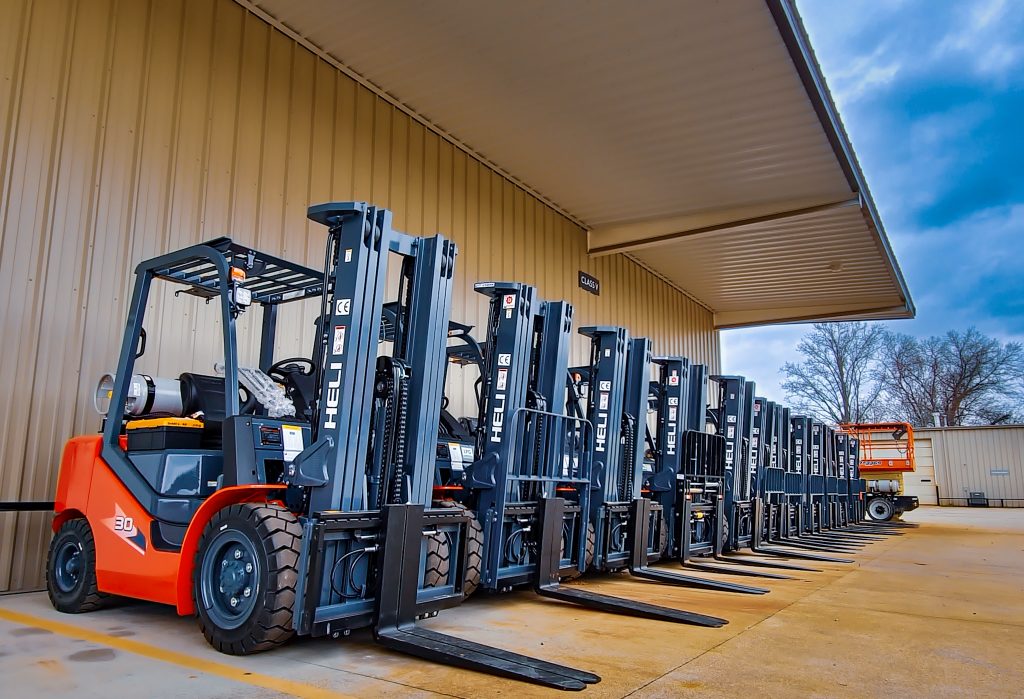
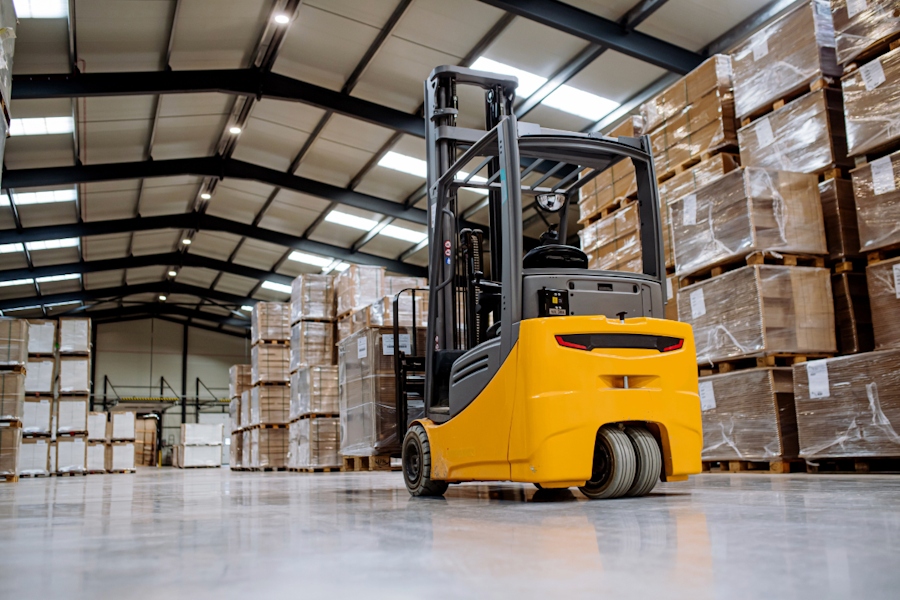
Standard forklifts typically reach lift heights of 10 to 20 feet, with tri-stage masts enabling higher stacking while maintaining stability. However, load capacity decreases as height increases, so consulting the load chart is essential. For operations requiring over 20 feet, specialized equipment like reach trucks, turret trucks, and VNA forklifts can lift loads to 40 feet or more, but demand wider aisles and additional training. Factors such as mast type, tire type, and forklift class also determine maximum reach. Safety is critical at height—always use overhead guards, never exceed rated capacity, and ensure loads are secure. The Liftron DL SERIES lithium-ion forklift offers an efficient 20-foot lift height with rapid charging and advanced stability features, ideal for busy warehouses. To choose the right lift height, measure racking systems, account for ceiling clearance and load weight, and consider tri-stage masts for flexibility. Invest in quality equipment to optimize storage space and operational efficiency.
who buys old forklift batteries

Who Buys Old Forklift Batteries?

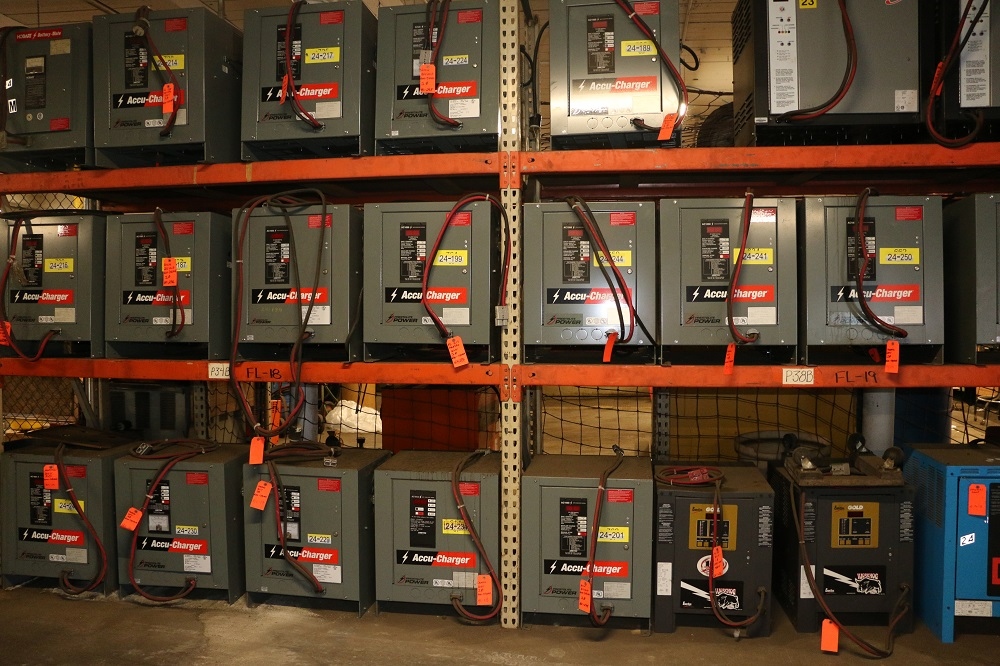
Old forklift batteries are heavy industrial components that still carry significant value even after they reach the end of their service life. Depending on their condition, they can be resold, refurbished, or recycled for valuable raw materials such as lead, plastic, and acid-neutralized compounds.

what do you do with old forklift chargers

What Do You Do With Old Forklift Chargers?

Old forklift chargers are often overlooked components in material handling systems, yet they contain valuable metals, electrical components, and reusable parts. When they reach the end of their service life, proper disposal or recycling can still generate value while supporting environmental sustainability.

how to repurpose old forklift truck tyres​

How to Repurpose Old Forklift Truck Tyres

Old forklift truck tyres are extremely durable and made from dense solid rubber designed to withstand heavy industrial workloads. Instead of discarding them, these tyres can be repurposed into useful, creative, and commercial applications that extend their lifecycle and reduce waste.

where to scrap old forklift in utah

Where to Scrap Old Forklift in Utah

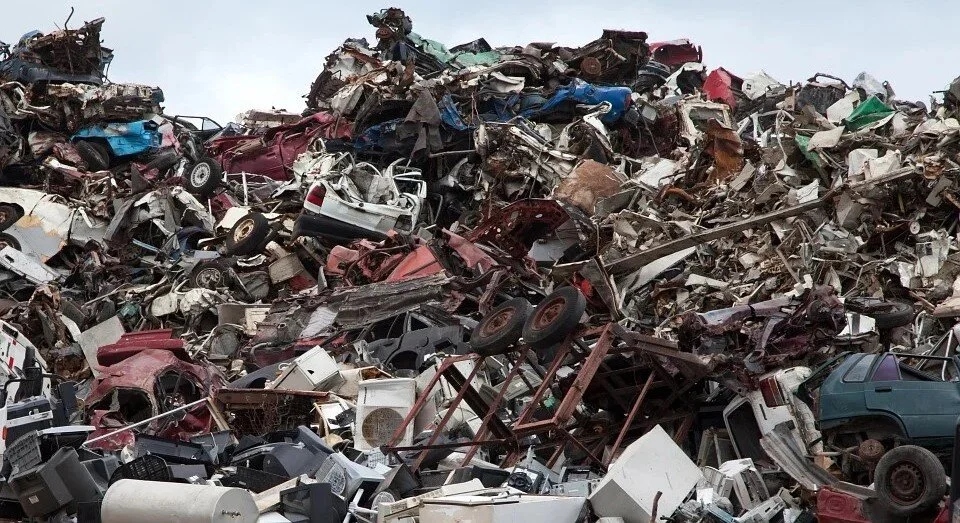
Scrapping an old forklift in Utah requires finding a licensed scrap yard or industrial recycling facility that can safely handle heavy equipment. Whether your machine is non-running, damaged, or fully worn out, these facilities will dismantle it and recycle valuable metal components.

how to install a strobe light to an old forklift

How to Install a Strobe Light on an Old Forklift

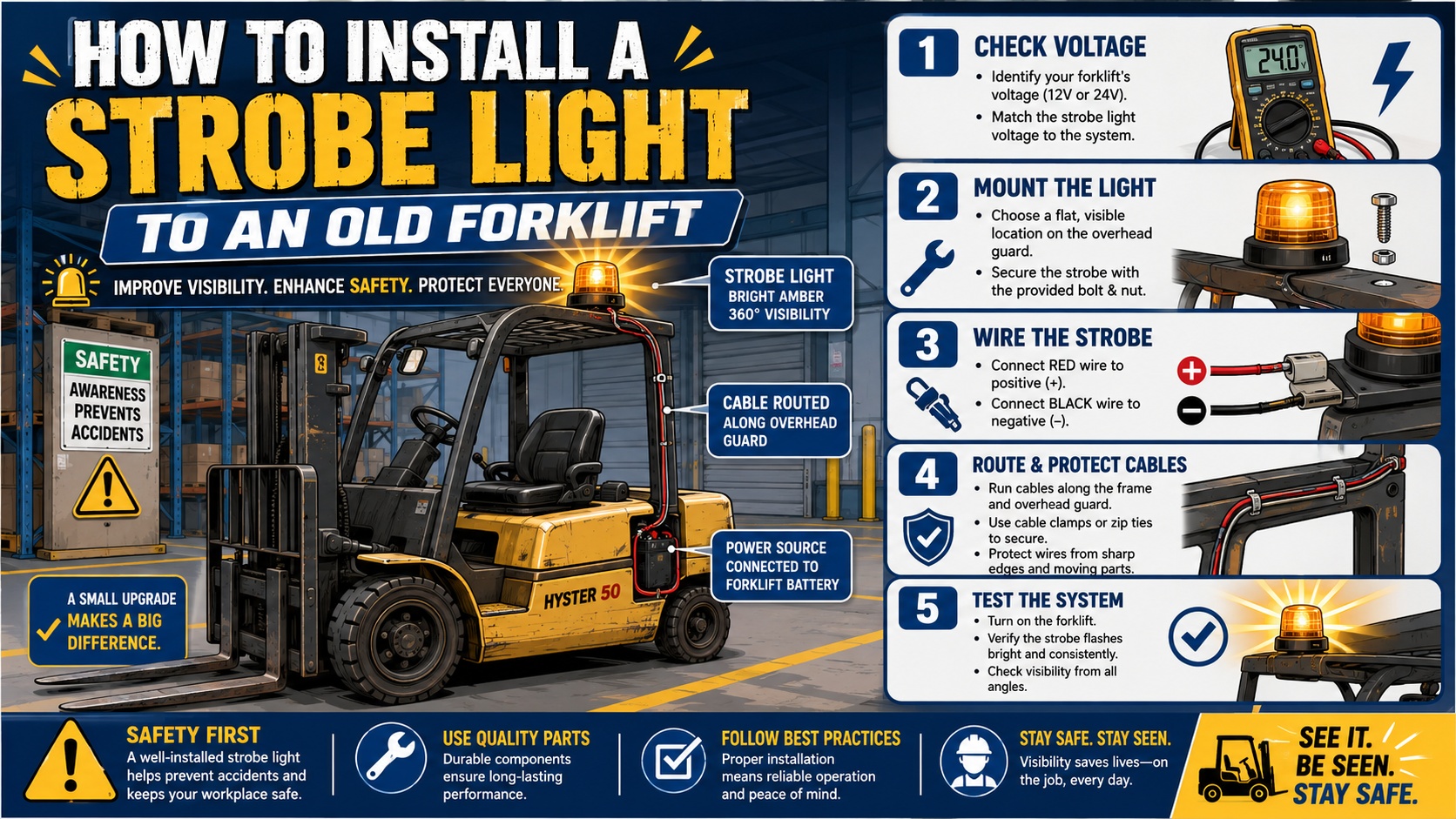
Installing a strobe light on an older forklift is a practical upgrade that improves visibility and workplace safety, especially in busy warehouses, loading docks, and industrial environments where pedestrian traffic and machinery operate closely together.

how to get rid of an old forklift​

How to get rid of an old forklift

Disposing of an old, non-functional, or outdated forklift requires careful planning to ensure safety, profitability, and environmental compliance. This guide outlines the best methods for removal, including selling functional units through online marketplaces or auctions, donating to nonprofits for tax deductions, recycling scrap metal after draining hazardous fluids, and trading in for modern alternatives through dealer programs like those offered by Liftron Material Handling. Key steps include assessing the forklift’s condition—checking the engine, hydraulics, and battery type—and preparing it by cleaning, gathering records, and removing fluids. Avoid common mistakes such as overlooking parts value, neglecting local transport permits, or improper battery disposal. Professional removal services handle heavy, non-running units for costs between $200 and $800. By choosing the right disposal method, you can recover value, reduce environmental impact, and efficiently transition to newer, more efficient equipment.

who buys old forklifts

Who buys old forklifts

Looking for buyers for your used forklift? A strong resale market exists for pre-owned material handling equipment, including dealers, rental companies, small businesses, and international exporters. Key buyers value brand reputation, low operating hours, detailed maintenance records, and engine type—with electric and lithium-ion models like the Liftron DL SERIES in high demand for their efficiency and low upkeep. To maximize sale value, clean the unit, gather service documentation, price competitively, and advertise through online marketplaces, equipment auctions, classifieds, or trade-in programs. Timing matters too; selling in early spring or before major maintenance intervals can boost offers. Highlight trusted manufacturer lineage and advanced features to differentiate your listing. Whether upgrading or downsizing, a strategic approach helps you turn aging equipment into capital quickly.

what to do with old liftron forklift batteries​

What to do with old liftron forklift batteries

Proper disposal and recycling of old Liftron forklift batteries is essential for environmental safety, regulatory compliance, and operational efficiency. Lead-acid and lithium-ion batteries contain toxic materials that require certified handling to avoid soil and water contamination. Options for end-of-life batteries include recycling through licensed facilities—recovering nearly 99% of components—repurposing for stationary energy storage, or utilizing core exchange programs that offer credits on new purchases. Professional removal and transportation by licensed haulers ensure safety and compliance with DOT and OSHA regulations. For those upgrading, the Liftron DL SERIES lithium-ion batteries provide longer life, faster charging, and zero maintenance, reducing long-term waste and disposal complexity. A step-by-step checklist guides safe handling from inspection to obtaining a recycling certificate. Responsible battery management supports sustainability goals, improves ESG profiles, and may qualify for tax incentives. Contact Liftron Material Handling for tailored advice and modern solutions.

when to replace stand up forklift tires​

When to replace stand up forklift tires

Recognizing when to replace stand up forklift tires is essential for safety, efficiency, and cost control. Worn tires reduce traction, increase tipping risks, damage warehouse floors, and strain mechanical components. Common tire types include polyurethane band tires for indoor use, solid rubber for rough surfaces, and pneumatic for extreme conditions. Key signs of replacement include visible tread wear under 1/8 inch, cracks, missing chunks, cupping, metal showing, vibration, slipping on inclines, and uneven axle wear. Even without visible damage, replace tires every 1,500 to 2,000 operating hours, or sooner for heavy-duty use. Regular inspections—daily visual checks, monthly tread depth measurements, and bearing checks—help catch issues early. Worn tires lead to reduced traction, operator fatigue, floor damage, and fire hazards. Extend tire life through proper pressure, rotation, clean floors, smooth operation, operator training, and alignment checks. Trusted suppliers like Liftron Material Handling offer durable replacement tires for maximum uptime and safety.

Back to Top
Product has been added to your cart