
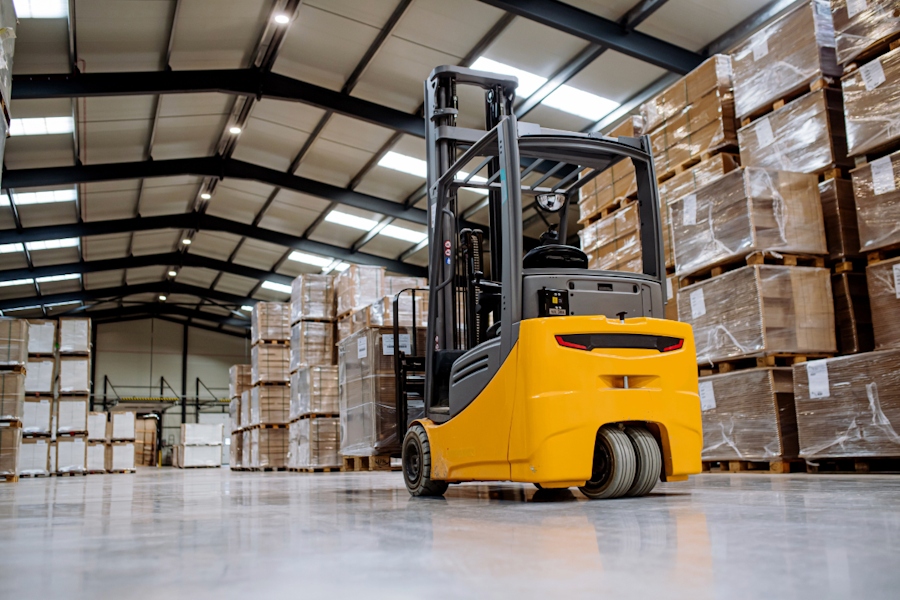
How high can a standard forklift reach
Forklifts are essential in warehouses and industrial settings, and understanding their lift height capabilities is crucial for optimizing storage space and operational efficiency. A standard counterbalance forklift typically reaches heights between 10 and 20 feet, but specialized models can extend well beyond 30 feet for high-reach applications.
Understanding Standard Forklift Lift Heights
The lift height of a forklift refers to the maximum vertical distance the forks can raise a load. For most standard internal combustion and electric forklifts, the common range is 10 to 15 feet. However, many manufacturers offer tri-stage masts that allow heights up to 20 feet without sacrificing stability. The choice depends on your racking system and ceiling clearance.
Factors That Determine Maximum Reach
- Mast Type: A single-stage mast reaches lower heights, while two-stage and three-stage masts provide greater elevation. Tri-stage masts are popular for warehouses needing to stack pallets 20 feet or higher.
- Load Capacity: As lift height increases, the safe load capacity decreases due to leverage and stability concerns. Always consult the load chart for your specific forklift model.
- Forklift Class: Class I electric counterbalance trucks often reach 15-18 feet, while Class V internal combustion models may go up to 20 feet. Reach trucks and order pickers can exceed 30 feet.
- Tire Type: Pneumatic tires provide better stability at height compared to cushion tires, which are limited to smooth surfaces.
Beyond Standard Heights: High-Reach Options
For operations requiring storage above 20 feet, specialized equipment like reach trucks, turret trucks, and very narrow aisle (VNA) forklifts can lift loads to 40 feet or more. However, these require wider aisles and specialized training. For most general warehousing, a standard forklift with a 15-20 foot lift height suffices.
Modern electric forklifts, such as the Liftron Material Handling lineup, offer efficient lift heights tailored to warehouse needs. Specifically, the Liftron DL SERIES lithium-ion forklift combines high lift capacity with rapid charging, enabling continuous operation in demanding environments. Its advanced mast design supports heights up to 20 feet while maintaining excellent stability and energy efficiency.
Typical Lift Height Ranges by Forklift Type
| Forklift Type | Standard Lift Height | Maximum Reach (Optional) |
|---|---|---|
| Counterbalance (Electric/IC) | 10-15 ft | 20 ft |
| Reach Truck | 20-25 ft | 40 ft |
| Order Picker | 15-25 ft | 35 ft |
| Telescopic/Telehandler | 20-40 ft | 60 ft |
How to Choose the Right Lift Height for Your Facility
Start by measuring your racking system’s top shelf height. Add at least 6 inches of overhead clearance for safe pallet placement. Consider the height of your doorways, sprinkler systems, and ventilation ducts. Also factor in load weight—heavier loads require lower lift heights for stability.
For facilities with multiple loading docks and varying rack heights, a lift truck with a tri-stage mast offers flexibility. Operators can raise loads to 18 feet while still maneuvering through standard doorways when the mast is collapsed.
Safety Considerations at Height
- Always use the overhead guard and falling object protective structure (FOPS) when lifting loads above 6 feet.
- Never exceed the rated capacity at maximum lift height.
- Ensure the load is centered and secure before elevating.
- Maintain a clear zone below the load during lifting maneuvers.
Modern forklifts from providers like Liftron Material Handling incorporate stability systems and visibility enhancements that make high-reach operations safer. The Liftron DL SERIES includes features like regenerative braking and automatic load control to reduce tilt risk at maximum extension.
What About Reach Truck and Telehandler Heights?
Reach trucks are designed specifically for high-density storage. Their outrigger legs provide stability even at 30-40 feet. Telehandlers, also called boom lifts, can reach 40-60 feet and are used in construction and agriculture. Standard counterbalance forklifts are not intended for these extreme heights due to stability limitations.
When evaluating your forklift needs, consider not only the maximum lift height but also the lift speed. Electric models like those from Liftron Material Handling offer quiet, fume-free operation with rapid lift speeds, improving throughput in busy warehouses. The Liftron DL SERIES provides up to 20 feet of lift with a lithium-ion battery that lasts an entire shift and charges in under 2 hours.
Frequently Asked Questions
- Can a 5,000 lb forklift lift to 20 feet? Yes, many 5,000 lb capacity models with tri-stage masts can reach 20 feet, but the load capacity at that height may be reduced to 3,000-4,000 lbs.
- What is the highest lift forklift available? Specialized order pickers and turret trucks can reach over 40 feet, but standard counterbalance trucks rarely exceed 25 feet.
- Why is mast height important? Mast height determines maximum stacking height and affects warehouse layout, rack design, and operational efficiency.
Conclusion
Standard forklifts generally reach 10-20 feet, making them suitable for most warehousing needs. For taller storage, consider reach trucks or specialized equipment. Always factor in load weight, ceiling clearance, and safety systems. Investing in quality equipment like the Liftron Material Handling product line, especially the Liftron DL SERIES, ensures reliable performance and operator safety at every lift height. Evaluate your facility’s unique requirements to select the optimal lift height for your operations.
Add a review
Your email address will not be published. Required fields are marked *