
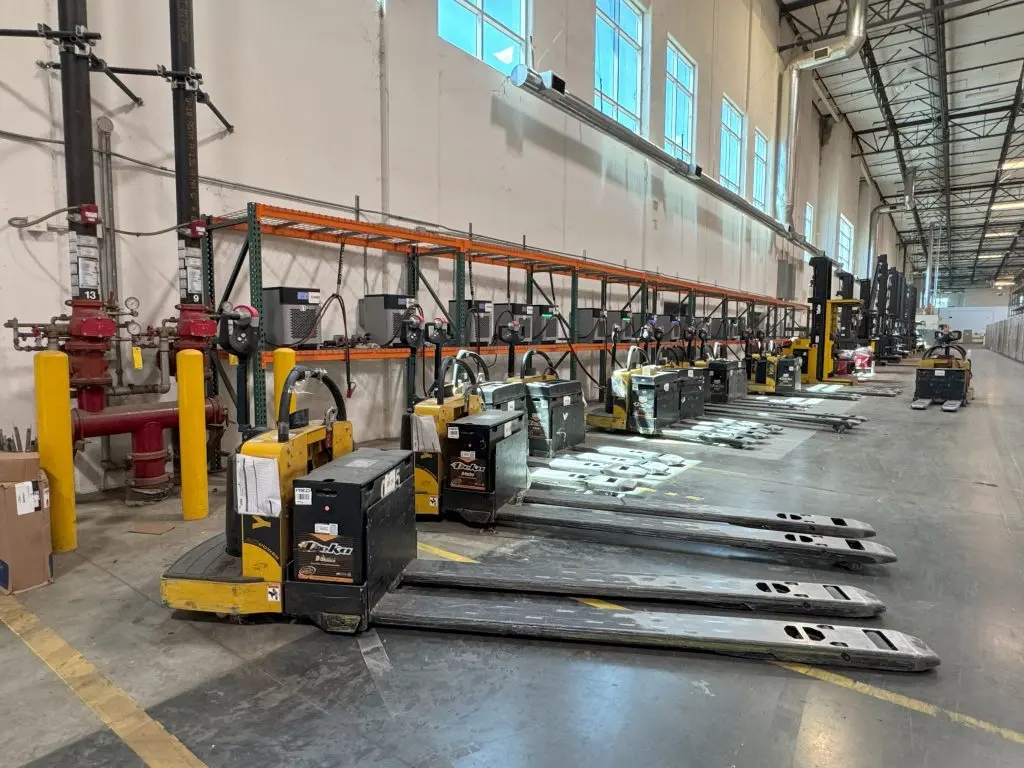
What Do You Do With Old Forklift Chargers?
In industrial environments using forklifts, chargers are essential for maintaining electric fleet uptime. However, as technology advances, older chargers are often replaced with more efficient smart charging systems.
What Are Forklift Chargers Made Of?
Forklift battery chargers are built with heavy-duty electrical components designed to handle high voltage and continuous industrial use. These materials give them recycling value even after they stop working.
- Copper wiring and coils
- Aluminum heat sinks
- Steel casing and frame
- High-voltage transformers
- Electronic control boards
Options for Dealing With Old Forklift Chargers
There are several practical ways to dispose of or reuse outdated forklift charging equipment.
1. Trade-In or Resale
If the charger is still functional or partially working, it can often be sold to refurbishing companies or equipment resellers.
- Refurbishment shops may repair and resell units
- Warehouses may purchase used backup chargers
- Some dealers offer trade-in credit
2. Scrap Metal Recycling
Old chargers contain valuable metals, especially copper, which makes them attractive to scrap yards.
- High copper recovery value
- Aluminum heat sinks can be recycled
- Steel casing is widely recyclable
3. E-Waste Disposal
For non-functional or damaged chargers, certified e-waste facilities ensure safe disposal of hazardous electronic components.
- Safe handling of circuit boards
- Environmental compliance recycling
- Proper disposal of electronic waste
Step-by-Step: How to Dispose of Forklift Chargers
- Inspect condition: Determine whether the charger is repairable or scrap-only.
- Check specifications: Record model, voltage, and capacity information.
- Separate components: Remove detachable cables if required.
- Contact buyers: Reach out to scrap yards or refurbishers.
- Compare offers: Evaluate resale vs recycling value.
- Schedule pickup: Arrange transportation if needed.
Why Recycling Forklift Chargers Matters
Proper recycling of industrial equipment reduces environmental impact and helps recover valuable raw materials that can be reused in manufacturing.
- Reduces electronic waste
- Recovers copper and aluminum
- Supports sustainable industry practices
- Prevents hazardous disposal issues
How Much Are Scrap Forklift Batteries Worth?
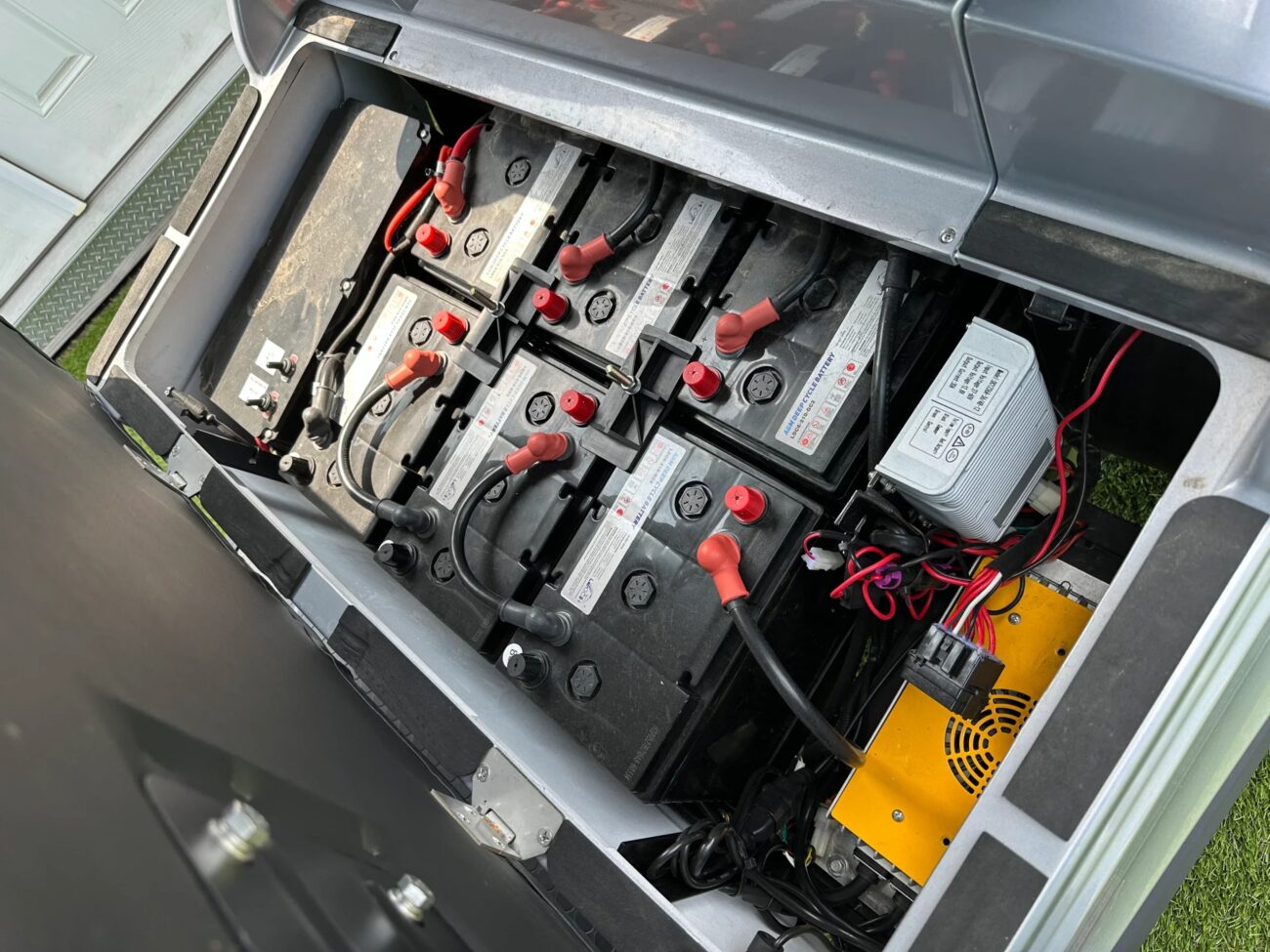
While chargers themselves have scrap value, forklift batteries are often even more valuable due to their lead content. The price depends on weight, condition, and market demand for lead and industrial metals.
- Lead-acid batteries: higher scrap value per unit weight
- Lithium batteries: recycling depends on recovery systems
- Prices vary by region and metal markets
Best Practices Before Disposal
Before disposing of or selling forklift chargers, it is important to follow safety and documentation procedures.
- Disconnect all power sources
- Ensure safe storage before transport
- Label equipment clearly
- Follow local environmental regulations
Conclusion
Old forklift chargers should never be simply discarded. They contain valuable materials that can be reused, recycled, or refurbished. Choosing the right disposal method can reduce waste and even generate financial return.
As more facilities upgrade to modern electric systems in forklifts, proper recycling of chargers and components will continue to play an important role in sustainable warehouse operations.



Add a review
Your email address will not be published. Required fields are marked *