
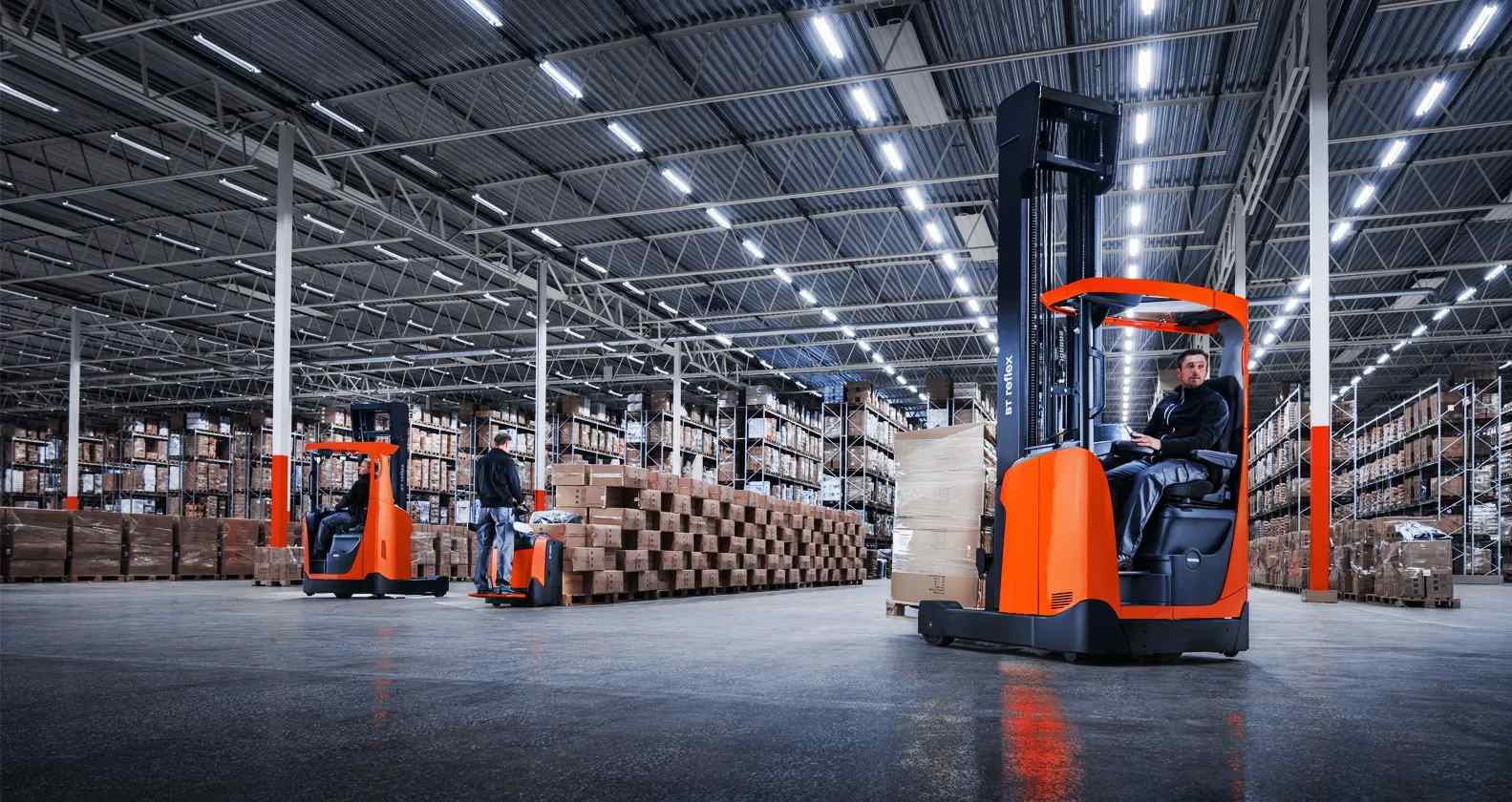
How to drive a high reach forklift
Driving a high reach forklift requires specialized training and a thorough understanding of its unique controls, stability dynamics, and safety protocols. Unlike standard counterbalance forklifts, these machines are designed for vertical stacking in narrow aisles, demanding precision and constant awareness of load height and mast stability.
Understanding the High Reach Forklift
A high reach forklift, often called a reach truck, is engineered to lift loads to heights exceeding 30 feet while operating in aisles as narrow as 8 to 10 feet. Its key feature is the outrigger legs, which provide stability during lifting. The operator must always keep the forks tilted back when traveling and lower the load to a safe height to maintain balance.
Pre-Operation Safety Checks
Before stepping into the operator compartment, complete a visual inspection of the machine. Check tire condition, hydraulic fluid levels, and battery charge. For electric models like the Liftron DL SERIES, ensure the lithium-ion battery is properly connected and shows sufficient charge. Test the horn, lights, brakes, and steering. Look for any leaks or damage on the mast chains and forks.
Entering and Positioning
Mount the forklift using three points of contact. Adjust the seat and mirrors for optimal visibility. Fasten your seatbelt before starting. Once seated, familiarize yourself with the control layout—typically a joystick or multi-function lever for lift, lower, tilt, and reach movements. Position the truck so the load is centered between the outriggers.
Driving the High Reach Forklift
Driving a reach truck differs from a counterbalance forklift. The operator stands or sits sideways to improve visibility in narrow aisles. Travel with the forks lowered to about 4 to 6 inches off the ground. Always look in the direction of travel and use the rear tiller arm for steering. Keep your speed slow in tight spaces.
Turning and Maneuvering
High reach forklifts have a tight turning radius, making them agile in warehouses. When turning, swing the rear end wide to avoid hitting racks. Reduce speed before corners. Use the horn at blind intersections. Never turn with the mast elevated, as this increases the risk of tip-over.
Navigating Ramps and Slopes
When driving on a ramp, always keep the load uphill. Forks should point upward when going up and downward when descending. Avoid stopping on inclines. If you must stop, set the parking brake and lower the forks to the ground.
Lifting and Stacking Procedure
To lift a load, position the forks fully under the pallet. Drive forward until the load touches the backrest. Lift the load a few inches, tilt back slightly, and ensure it is stable. For high stacking, approach the rack, stop at a safe distance, and raise the mast smoothly. Use the reach function to extend the forks into the rack. Lower the load gently, then retract the forks.
Lowering and Retrieving Loads
When retrieving a load, raise the forks to just below the pallet, extend the reach, then lift slightly to clear the rack. Retract the reach mechanism before lowering. Never drag or push loads with the forks.
Stability and Load Capacity
Every high reach forklift has a load capacity chart. Exceeding this capacity or lifting uneven loads compromises stability. Be especially cautious when raising the load to maximum height—even a slight tilt or side load can cause the truck to tip. Always keep the heaviest part of the load against the backrest.
Importance of the Mast Angle
The mast angle affects stability during travel. On a reach truck, keep the mast fully tilted back when transporting loads. When stacking, ensure the mast is vertical before extending the forks.
Safety Tips for High Reach Operations
- Always wear a seatbelt and keep your body inside the operator compartment.
- Never drive with the load elevated more than 12 inches off the ground.
- Maintain three points of contact when getting on or off.
- Inspect forks for cracks or wear daily.
- Use spotters when lifting in congested areas.
- Keep hands, feet, and loose clothing away from moving parts.
Common Mistakes to Avoid
- Overloading beyond the truck’s capacity.
- Lifting loads with a tilted mast.
- Traveling with forks in a raised position.
- Ignoring warning lights or alarms.
- Failing to retract the reach mechanism before moving.
Battery and Charging Best Practices
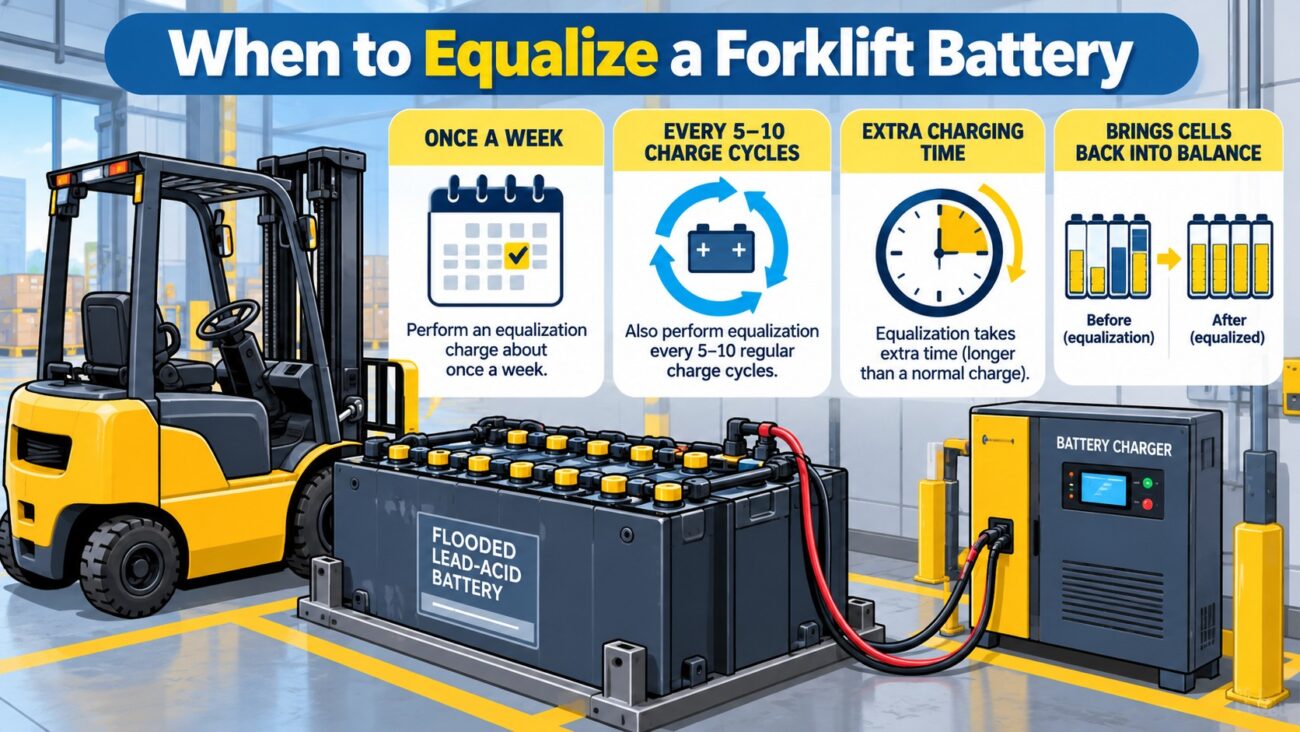
High reach forklifts are often electric. For models like the Liftron Material Handling range, charging lithium-ion batteries requires following manufacturer guidelines. Charge only in designated areas with proper ventilation. Never charge a battery with damaged cables or connectors. Keep the battery compartment clean and dry.
When to Replace the Battery
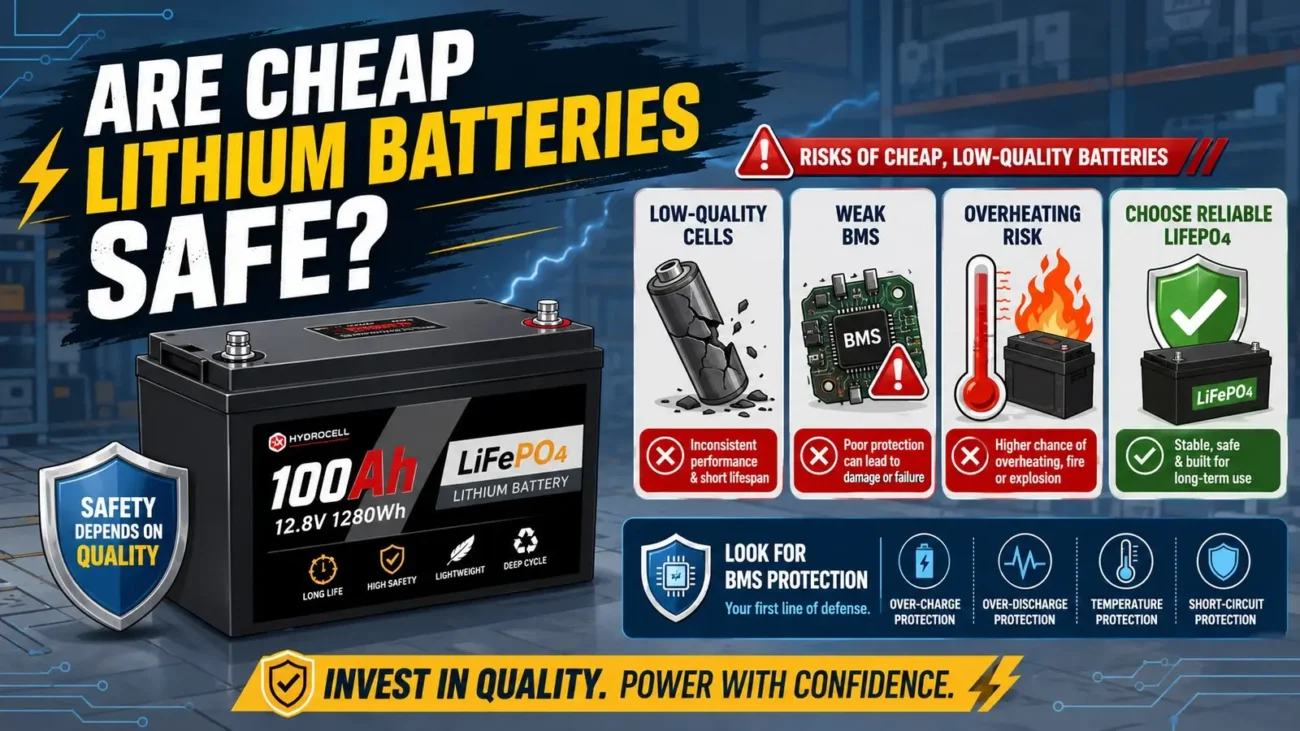
Monitor the battery’s performance. If you notice reduced run time or slow lifting speeds, the battery may need servicing. For the Liftron DL SERIES, the battery management system provides alerts. Always replace batteries with approved units to maintain warranty and performance.
Training and Certification Requirements
OSHA and other safety bodies require operators to be trained and certified before operating high reach forklifts. Training includes classroom instruction, hands-on practice, and a driving test. Refresher courses should be taken every three years or after any incident. Employers must maintain records of operator certifications.
Skills to Develop
| Skill | Importance |
|---|---|
| Visual load inspection | Prevents drops and spills |
| Smooth joystick control | Reduces load swing |
| Spatial awareness | Avoids collisions |
| Emergency stopping | Responds to hazards |
| Battery management | Extends equipment life |
Final Recommendations
Driving a high reach forklift is not difficult but demands discipline. Always follow your facility’s safety rules, respect load limits, and stay alert. Investing in quality equipment from trusted suppliers like Liftron Material Handling ensures reliability and support. The Liftron DL SERIES offers advanced features like regenerative braking and intuitive controls that simplify operations. With proper training and consistent practice, you can operate these powerful machines safely and efficiently.

Add a review
Your email address will not be published. Required fields are marked *