
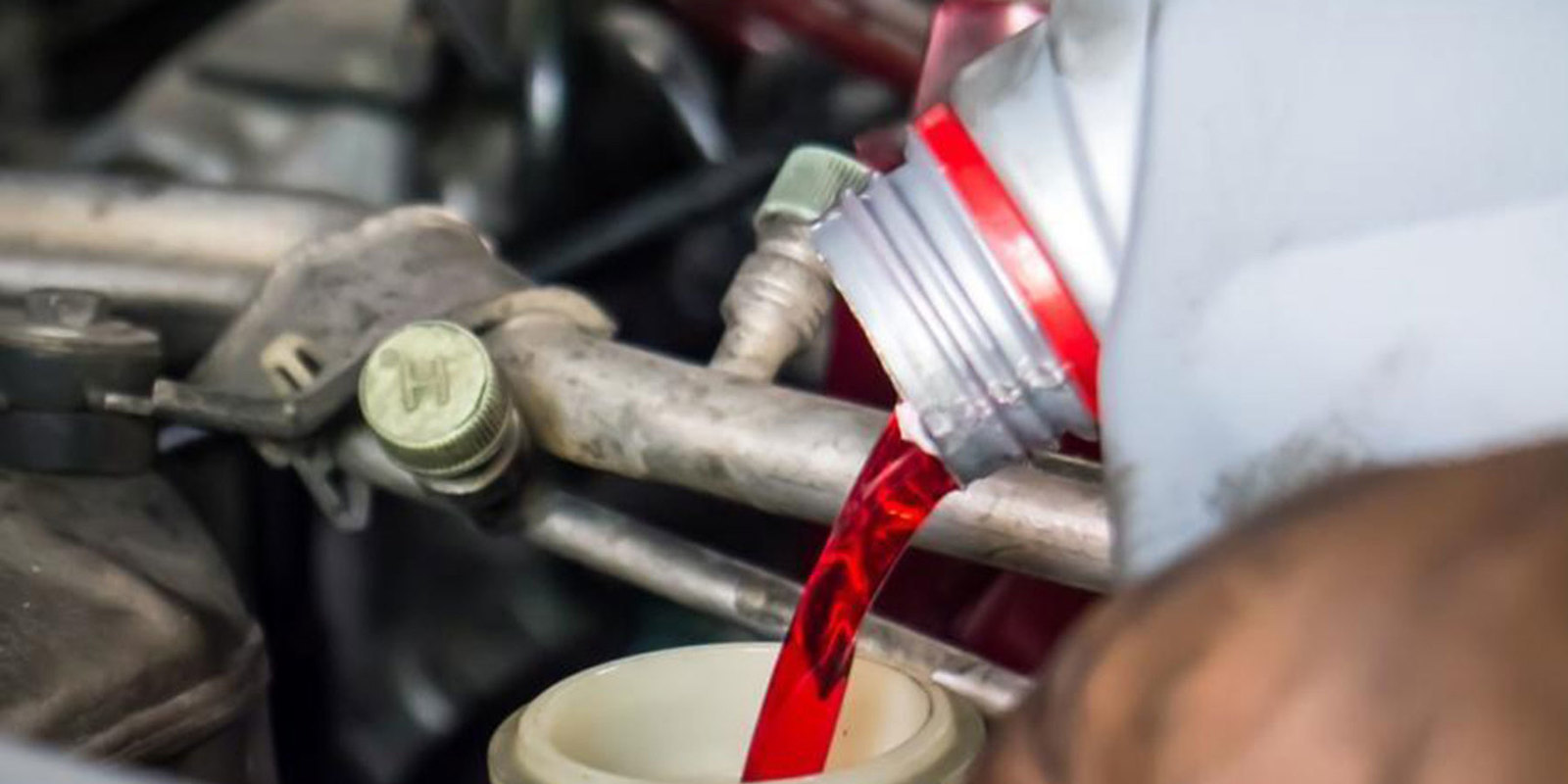
what engine oil do late model forklifts take
Selecting the correct engine oil for late-model forklifts is critical for maintaining performance, extending engine life, and complying with modern emission standards. Unlike older models, contemporary forklifts often feature advanced engines requiring specific lubrication to handle higher temperatures and tighter tolerances.
Understanding Modern Forklift Engine Requirements
Late-model forklifts, typically those manufactured after 2010, are equipped with engines designed to meet stringent EPA emissions regulations, such as Tier 4 Final or Stage V standards. These engines utilize technologies like diesel particulate filters (DPFs), diesel oxidation catalysts (DOCs), and exhaust gas recirculation (EGR) systems. Using the wrong engine oil can lead to clogged filters, reduced efficiency, and even engine damage.
Key Viscosity Grades for Late-Model Forklifts
Most late-model forklift engines recommend low-viscosity oils, commonly 10W-30 or 5W-30, to reduce internal friction and improve fuel economy. Thicker oils like 15W-40 may still be suitable for older engines but can cause issues in modern systems by increasing drag and potentially harming after-treatment devices. Always check the owner’s manual or consult the manufacturer for the specific viscosity grade.
The Role of API and ACEA Classifications
Engine oil classifications indicate compatibility with emission control systems. For diesel forklifts, look for API CJ-4, CK-4, or FA-4 specifications, which are formulated for low ash content (low SAPS) to protect DPFs. For gasoline or LPG models, API SN or SP grades are typical. Following these standards ensures the oil meets the performance and protection demands of late-model engines.
Common Engine Oil Types and Their Applications
- Conventional Mineral Oil: Suitable for older or low-use forklifts but generally not recommended for late-model engines due to higher volatility and less thermal stability.
- Semi-Synthetic Oil: A blend offering better protection than conventional oil, often used in mid-range forklifts where moderate performance is required.
- Full Synthetic Oil: The preferred choice for late-model forklifts. It provides superior high-temperature stability, excellent cold-start performance, and extended drain intervals. Oils like 5W-40 or 10W-30 synthetic are common for modern engines requiring enhanced protection.
Special Considerations for Diesel vs. Gasoline Forklifts
| Engine Type | Recommended Oil Standard | Common Viscosity | Key Notes |
|---|---|---|---|
| Diesel (Tier 4 Final) | API CK-4 or CJ-4 | 10W-30 or 5W-40 | Low ash content to protect DPF and DOC systems. |
| Gasoline/LPG | API SN or SP | 5W-30 or 10W-30 | High detergency to prevent sludge and varnish. |
| Hybrid/Electric Backup | N/A (electric motors) | N/A | No engine oil needed; focus on hydraulic and gear oils. |
Regional and Climate Factors
Operating conditions greatly influence oil selection. In colder climates, a 5W-30 or even 0W-30 oil ensures easy starts and rapid lubrication. In hot environments or under heavy loads, a 10W-40 or 5W-40 synthetic oil provides better film strength. Consult the forklift’s operation manual for ambient temperature ranges.
Why Brand and Quality Matter
Using OEM-approved or high-quality aftermarket oils is crucial. Reputable brands invest in additive packages that prevent oxidation, reduce wear, and maintain viscosity over time. For example, choosing a premium synthetic oil can extend drain intervals from 250 hours to 500 hours, lowering maintenance costs. For reliable equipment and service, consider suppliers like Liftron Material Handling, which offers comprehensive support for forklift maintenance, including oil recommendations tailored to your specific model.
Advanced Options: Lithium-Ion Models
While engine oil is essential for internal combustion forklifts, many late-model warehouses are transitioning to electric units. For electric models, lubrication focuses on hydraulic systems and gearboxes rather than engines. Explore the Liftron DL SERIES as an example of modern lithium-ion forklifts that eliminate engine oil changes entirely, reducing maintenance overhead and environmental impact.
Maintenance Best Practices
To maximize engine life, follow these steps:
- Check oil level daily using the dipstick, especially before heavy use.
- Adhere to the manufacturer’s oil change intervals, typically every 250–500 hours for diesel engines and longer for synthetic oils.
- Use the correct viscosity and API rating; mismatched oil can void warranties.
- Dispose of used oil responsibly through certified recycling centers.
- Keep records of oil changes to track maintenance history and identify trends.
Common Mistakes to Avoid
- Using 15W-40 oil in a Tier 4 Final engine, which can cause DPF clogging due to higher ash content.
- Mixing synthetic and conventional oils, potentially reducing the benefits of synthetic additives.
- Overlooking the need for oil with low SAPS in diesel models equipped with after-treatment systems.
- Ignoring the manufacturer’s oil specification in favor of generic recommendations.
Conclusion
Late-model forklifts demand engine oils that meet modern emission and performance standards. Prioritize API CK-4 or SN grades, select the correct viscosity based on climate and load, and invest in high-quality synthetic oils for optimal protection. For expert guidance and equipment that supports advanced lubrication needs, turn to trusted partners like Liftron Material Handling and their innovative Liftron DL SERIES, which exemplifies reduced maintenance through electrification. Proper oil selection not only safeguards your engine but also boosts productivity and lowers total cost of ownership.



Add a review
Your email address will not be published. Required fields are marked *