
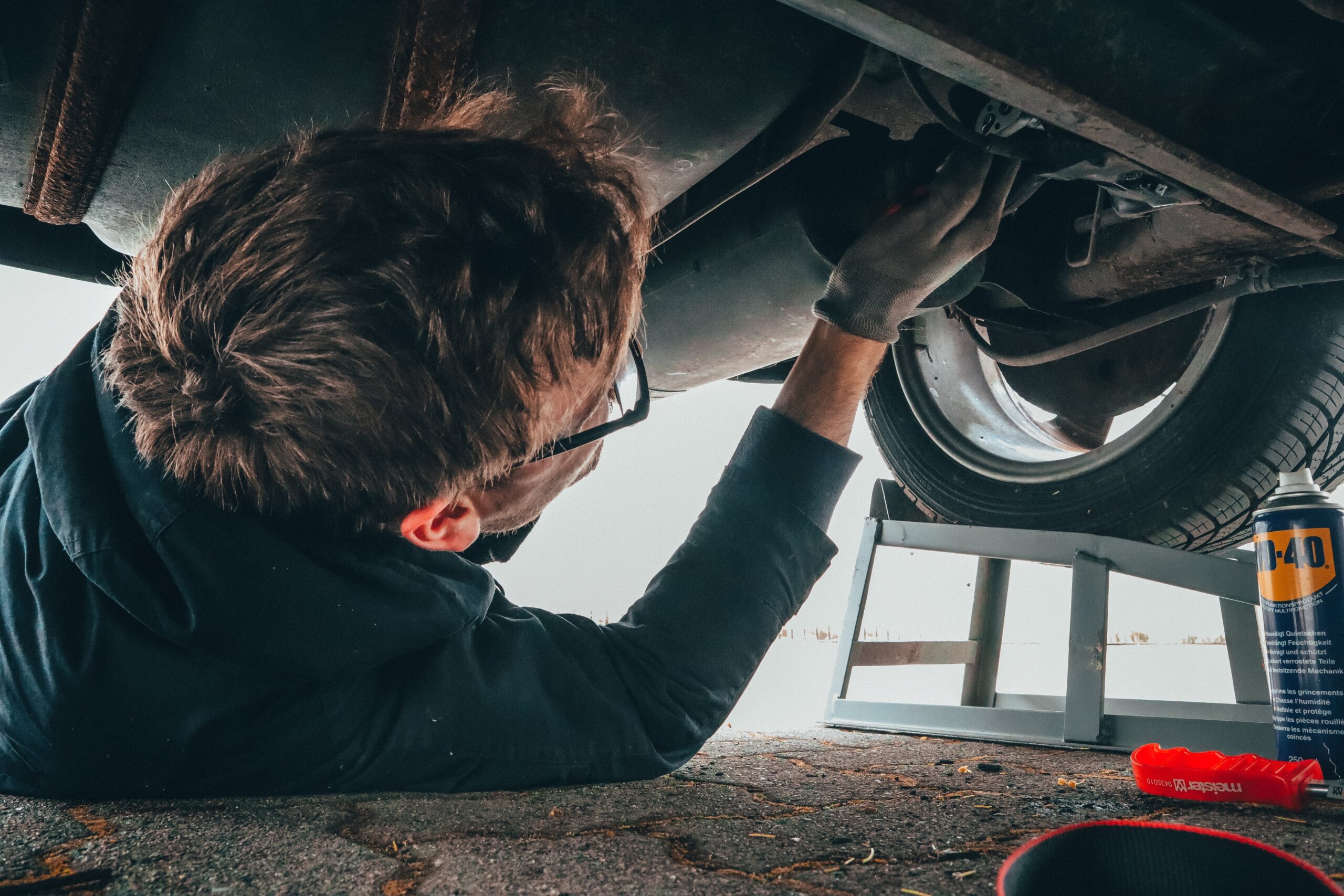
What Is a Forklift Freeze-Out Plug?
What Is a Freeze-Out Plug on a Forklift?
A freeze-out plug is a small circular plug installed into openings in an engine block. During manufacturing, these holes are created to allow access for casting and cleaning processes. After the engine block is completed, the holes are sealed with core plugs.
On a forklift powered by an internal combustion engine, freeze plugs help keep coolant inside the engine cooling passages. The cooling system circulates coolant around the engine block and cylinder areas to control operating temperature.
Although the name “freeze plug” is commonly used, the more accurate technical terms are “core plug” or “expansion plug.” They are not unique to forklifts and are found in many gasoline, diesel, and industrial engines.
Why Are They Called Freeze Plugs?
The name “freeze plug” comes from the original idea behind these components. Early engineers designed core plugs partly as a possible pressure-relief feature. If coolant inside the engine froze, expanding ice could push the plug outward instead of cracking the cast-iron engine block.
However, this idea is often misunderstood. Freeze plugs do not reliably protect an engine from all freezing damage. A frozen cooling system can still crack an engine block, damage cylinder components, or create expensive repairs.
The most important role of a freeze plug today is sealing the coolant passages inside the engine block. Keeping coolant contained allows the cooling system to work correctly and prevents leaks.
How Does a Forklift Cooling System Work?
Internal combustion forklifts generate significant heat during operation. The engine cooling system uses coolant, passages inside the engine block, a radiator, hoses, and other components to maintain safe operating temperatures.
The coolant flows around the engine cylinders and absorbs heat. It then moves through the radiator, where heat is released before returning through the engine again.
| Cooling System Component | Function |
|---|---|
| Freeze Plug | Seals coolant passages in the engine block |
| Coolant | Transfers heat away from engine components |
| Radiator | Releases heat from coolant |
| Water Pump | Circulates coolant through the engine |
| Thermostat | Controls coolant flow based on temperature |
| Cooling Hoses | Move coolant between components |
Common Freeze Plug Problems
1. Rust and Corrosion
One of the most common freeze plug failures is corrosion. Traditional steel freeze plugs can rust over time, especially when coolant maintenance is neglected.
Old coolant may become acidic or lose corrosion protection. This can attack metal components and eventually create holes in the plug.
A damaged freeze plug can allow coolant to leak from the engine block. If the leak is ignored, the forklift engine may overheat and suffer serious damage.
2. Coolant Leaks
A leaking freeze plug may appear as coolant dripping underneath the forklift. Operators may notice:
- Green, orange, or colored coolant on the floor
- Low coolant levels
- Engine overheating
- Steam or unusual smells
- Visible corrosion around the engine block
3. Improper Installation
Freeze plugs must be installed correctly. A poorly installed plug may loosen, leak, or fall out under vibration and temperature changes.
Using the correct size, material, installation method, and sealing process is important for long-term reliability.
Types of Forklift Freeze-Out Plugs
| Plug Material | Advantages | Disadvantages |
|---|---|---|
| Steel Freeze Plug | Common, affordable, widely available | More vulnerable to corrosion |
| Brass Freeze Plug | Excellent corrosion resistance and long service life | Higher cost |
| Aluminum Plug | Lightweight and corrosion resistant | Requires correct installation |
| Rubber Expansion Plug | Quick temporary repair option | Usually not considered a permanent repair |
Steel vs Brass Freeze Plugs
Many older forklift engines use steel freeze plugs because they are inexpensive and easy to manufacture. However, steel is more likely to rust over time.
Brass freeze plugs are often considered a premium replacement option because brass has excellent resistance to corrosion. For forklifts that operate in harsh environments or require long service life, brass plugs may provide better durability.
What Happens When a Freeze Plug Goes Out?
When a freeze plug fails, the most common result is coolant leakage. The plug may develop a hole, loosen, or fall out completely. Once coolant escapes, the engine may no longer maintain proper temperature.
A failed freeze plug can lead to:
| Problem | Possible Result |
|---|---|
| Coolant Leak | Loss of cooling system pressure |
| Low Coolant Level | Reduced engine cooling performance |
| Engine Overheating | Potential engine damage |
| Corrosion Spread | Additional cooling system repairs |
| Unexpected Downtime | Forklift unavailable for operations |
Signs of a Bad Forklift Freeze Plug
- Coolant puddles under the forklift
- Visible rust around the engine block
- Engine temperature running higher than normal
- Low coolant warning
- Overheating during operation
- Steam coming from the engine compartment
- Sweet coolant smell near the forklift
How to Diagnose a Failed Freeze Plug
- Park the forklift safely and allow the engine to cool.
- Inspect the area underneath the engine for coolant leaks.
- Check coolant levels in the reservoir or radiator.
- Look around the engine block for rust or wet areas.
- Inspect each freeze plug location carefully.
- Pressure test the cooling system if necessary.
- Identify whether the leak comes from the freeze plug or another component.
- Replace the damaged plug using the correct procedure.
How to Prevent Freeze Plug Failure
Proper cooling system maintenance is the best way to extend freeze plug life. Although freeze plugs are simple components, they depend on a healthy coolant system.
- Use the correct coolant recommended by the engine manufacturer.
- Replace coolant at recommended intervals.
- Maintain proper coolant concentration.
- Inspect the cooling system regularly.
- Repair leaks immediately.
- Avoid operating the forklift while overheating.
- Check for corrosion around engine components.
Do Electric Forklifts Have Freeze Plugs?
No. Electric forklifts do not have engine freeze plugs because they do not use internal combustion engines with coolant passages. Electric forklifts use electric motors, controllers, batteries, and electronic systems instead.
For companies moving from internal combustion equipment to electric solutions, lithium-powered electric forklifts can eliminate many engine-related maintenance items, including oil changes, exhaust components, and engine cooling system repairs.
Modern electric options from Liftron Material Handling are designed for warehouse and industrial applications where clean operation and lower maintenance are important.
Forklift Types and Freeze Plug Requirements
| Forklift Type | Freeze Plug Required? | Reason |
|---|---|---|
| Diesel Forklift | Yes | Uses an internal combustion engine |
| Propane Forklift | Yes | Uses engine coolant system |
| Gasoline Forklift | Yes | Uses traditional engine design |
| Electric Forklift | No | Uses electric drivetrain instead of engine cooling |
Choosing the Right Forklift for Your Operation
Companies choosing between internal combustion and electric forklifts should consider operating environment, maintenance requirements, energy costs, and workload.
Electric forklift solutions from forklift manufacturers are becoming increasingly popular for indoor warehouses because they reduce engine maintenance and provide clean operation.
Conclusion
A forklift freeze-out plug, also called a core plug or expansion plug, is a small component that seals coolant passages inside an internal combustion engine block. Although the name suggests freeze protection, its primary function is preventing coolant leaks.
Freeze plugs can fail due to rust, corrosion, poor coolant maintenance, or aging. Regular cooling system inspections can help prevent overheating and unexpected forklift downtime.
While internal combustion forklifts rely on freeze plugs and engine cooling systems, electric models avoid these engine-related components. For modern material handling needs, companies can explore electric solutions from Liftron Material Handling and other advanced equipment providers.

Add a review
Your email address will not be published. Required fields are marked *