a safe place to park a forklift is​

a safe place to park a forklift is​

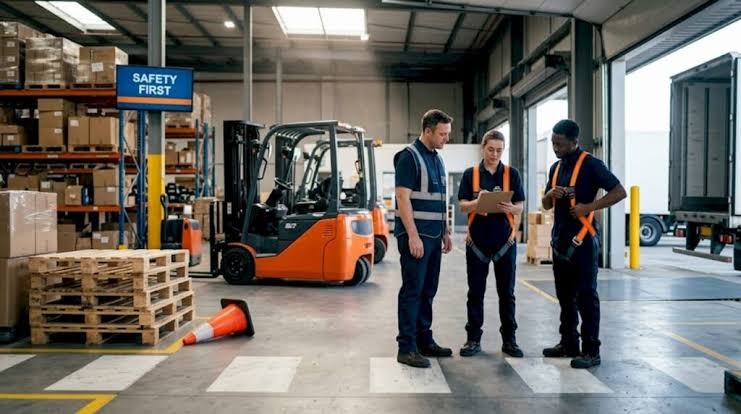
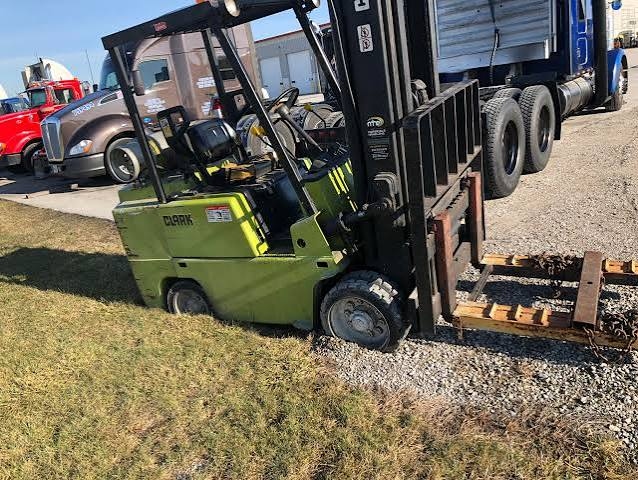
Properly parking a forklift is essential for workplace safety, regulatory compliance, and equipment longevity. Forklifts left in unauthorized areas or without following correct procedures can lead to tip-overs, collisions, and battery leaks. Best practices include using designated, flat, and debris-free parking zones away from pedestrian walkways and storage racks. The correct parking procedure requires lowering forks fully to the ground, engaging the parking brake, turning off the engine, and removing the key. Common mistakes to avoid include parking on inclines without chocks, leaving forks raised, and failing to set the brake. Regular operator training and adherence to OSHA standards help prevent accidents and fines. Investing in reliable equipment, such as the Liftron DL SERIES with automatic brake engagement and lithium-ion batteries, further enhances safety. Following these guidelines reduces risks, extends equipment life, and supports efficient operations.

what is a slip sheet forklift

what is a slip sheet forklift

Slip sheet forklifts are specialized material handling vehicles that use a push-pull attachment to move loads on thin, cardboard-like sheets instead of traditional pallets, reducing material costs and increasing storage density by up to 10%. This guide explains how these forklifts work, their key components like platens and hydraulic systems, and the advantages over pallet-based systems, including lower weight, recyclable materials, and sustainability benefits. It covers industries that benefit most, such as food, paper, chemical, and automotive sectors, and provides a comparison with standard forklifts. Tips for choosing the right model highlight the Liftron DL SERIES with lithium-ion power and fast charging. Safety considerations, maintenance advice, and integration with warehouse automation are also addressed, along with environmental impact and future trends like autonomous operation. Ideal for logistics professionals seeking cost-effective, space-saving, and eco-friendly material handling solutions.

what should i consider when choosing material handling equipment

what should i consider when choosing material handling equipment

Choosing the right material handling equipment is crucial for optimizing operational efficiency, workplace safety, and long-term costs. This guide walks through key evaluation factors, including load capacity, facility layout, workflow demands, and total cost of ownership. Learn how to assess load characteristics, navigate space constraints, and select from equipment types like forklifts, conveyors, pallet jacks, and stackers. Environmental conditions, power source options, and safety considerations are covered, along with maintenance support, future scalability, and regulatory compliance. Technology integration, such as telemetry and WMS connectivity, is also explored. A structured approach—mapping workflows, measuring physical constraints, modeling growth, and comparing lifecycle costs from multiple suppliers—ensures your investment aligns with operational needs. Involving operators in the selection process and testing equipment under actual conditions leads to solutions that maximize productivity and deliver strong returns.

what does liftron material handling do

what does liftron material handling do

Liftron Material Handling delivers advanced electric and lithium-ion forklifts, pallet jacks, and stackers designed to boost productivity and sustainability across industries like automotive, pharmaceuticals, and e-commerce. Their innovative DL SERIES lithium-ion forklifts offer fast 1-2 hour charging, over 3,000 battery cycles, zero direct emissions, and minimal maintenance compared to traditional lead-acid models. With IoT connectivity, regenerative braking, and intelligent battery management, fleet managers can track usage and optimize energy in real time, achieving up to 30% higher uptime. Beyond equipment, Liftron provides custom fleet analysis, operator training, leasing options, and nationwide support. Their solutions cut energy costs by up to 25% over three years while supporting green logistics. Future developments include AGVs and hydrogen fuel cell prototypes for heavy-duty applications. Partnering with Liftron means choosing reliable, high-performance machinery and a clear path toward smarter, cleaner material handling operations.

what is liftron material handling

what is liftron material handling

Liftron Material Handling delivers high-performance forklifts and warehouse solutions powered by advanced lithium-ion technology, designed to maximize efficiency, safety, and sustainability. Specializing in electric equipment like pallet jacks, stackers, and order pickers, the brand serves diverse industries including food and beverage, retail, automotive, and e-commerce. The standout DL SERIES lithium-ion forklifts offer rapid charging in under two hours, zero maintenance, and capacities from 1.5 to 3 tons, making them ideal for multi-shift operations. Key features include ergonomic design, built-in safety systems, regenerative braking, and integrated telematics for real-time fleet optimization. Compared to lead-acid and internal combustion alternatives, Liftron’s equipment reduces energy costs by up to 30% over five years, eliminates emissions for better indoor air quality, and achieves a payback period under two years for high-utilization facilities. With robust after-sales support and modular components for easy maintenance, Liftron partners with businesses to modernize logistics infrastructure and meet sustainability goals.

what is causing your forklift steering problem

what is causing your forklift steering problem

Forklift steering problems like hard steering, wheel play, erratic turning, and pulling can disrupt operations and create safety hazards. Common causes include low or contaminated power steering fluid, worn linkage components such as tie rods and kingpins, damaged hydraulic pumps or cylinders, tire issues like uneven wear or low pressure, and electrical faults in sensors or steering motors on electric models. Diagnose issues by checking fluid levels, inspecting linkages, testing hydraulic pressure, verifying tires, and reading ECU error codes. Regular preventive maintenance—including daily fluid checks, joint lubrication, tire rotation, and hydraulic system inspections—reduces failures. For persistent problems, professional service is recommended. Upgrading to modern forklifts, like the Liftron DL SERIES, offers precise electronic steering, lower maintenance, and improved reliability. Early diagnosis and quality equipment keep operations safe and efficient.

what is the best forklift brand

what is the best forklift brand

Discover what makes a forklift brand the best choice for your warehouse by evaluating reliability, innovation, and total cost of ownership. From established leaders like Toyota and Crown to modern lithium-ion innovators such as Liftron Material Handling, the ideal brand depends on your specific operational needs. Key factors include build quality, advanced lithium-ion technology for lower maintenance and energy costs, and strong local dealer support. Electric and lithium-ion models, like the Liftron DL SERIES, are gaining preference for indoor use and cold storage due to faster charging, zero battery maintenance, and consistent power output. By comparing strengths across brands and focusing on long-term value over purchase price, you can select a forklift that boosts productivity, reduces downtime, and aligns with sustainability goals.

when to replace common forklift parts

when to replace common forklift parts

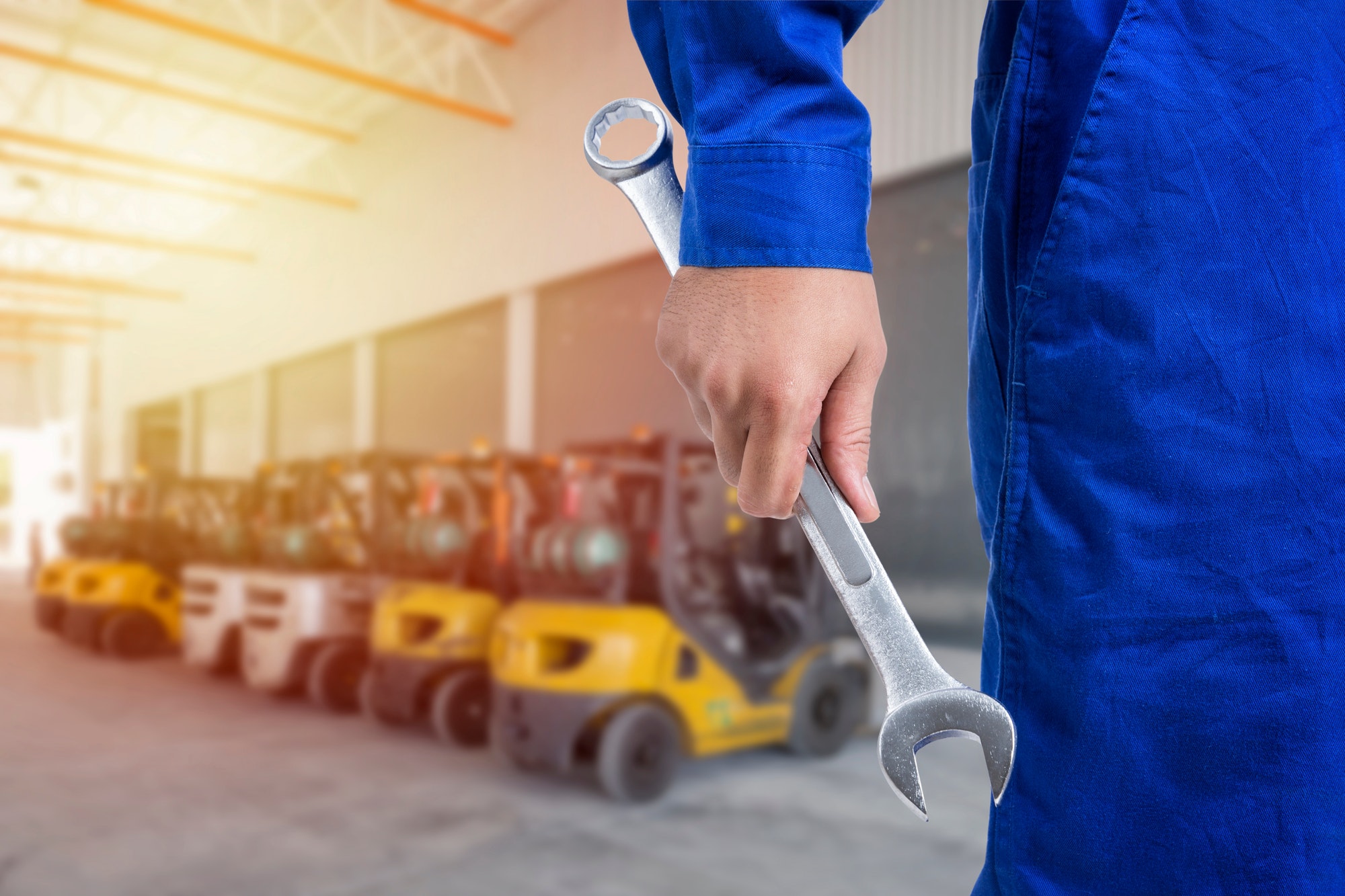
Timing replacements of common forklift parts like tires, brakes, forks, chains, and batteries is essential for safe, efficient warehouse operations. Knowing the specific inspection intervals and failure indicators helps prevent costly breakdowns and accidents. Tires should be replaced when tread depth falls below 1/4 inch, brake pads when thinner than 1/8 inch, and forks if heel wear exceeds 10%. Hydraulic hoses typically last two to three years, while lead-acid batteries endure 1,500 to 2,000 cycles before capacity drops below 80%. Lift chains and rollers need replacement if elongation surpasses 3%. Proactive maintenance using a log based on operating hours, plus daily and weekly checks, extends equipment lifespan. Modern lithium-ion options, such as the Liftron DL SERIES, offer longer lifecycles and reduced maintenance. Implementing a preventive program with professional servicing and stocking critical spares ensures reliable operation and maximizes your forklift investment.

why buy a previously leased forklift

why buy a previously leased forklift

Previously leased forklifts offer a smart, cost-effective alternative to buying new, delivering certified quality and savings of 20-40%. These lease returns are well-maintained due to strict contractual obligations, providing low-hour machines with full service histories and warranty options. With immediate availability, they eliminate long lead times, making them ideal for peak seasons or urgent replacements. Their lower depreciation curve and eco-friendly benefit of extending equipment life align with both budget and sustainability goals. Key factors like hour meter readings, battery condition, and tire wear should be checked before purchase. Trusted dealers like Liftron Material Handling offer professionally vetted inventory, financing, and service plans. Whether choosing an internal combustion or advanced lithium-ion model, previously leased forklifts deliver reliable performance and fast productivity without the premium price of new equipment.

simple ways to increase a forklifts lifespan

simple ways to increase a forklift’s lifespan

Maximize your forklift investment with essential maintenance tips that extend equipment lifespan and reduce costly downtime. Daily pre-shift inspections catching small issues early, proper battery care for both lead-acid and lithium-ion models like the Liftron DL SERIES with opportunity charging, consistent lubrication every 50-100 hours, and operator training to avoid overloading and harsh driving all prevent premature failure. Keep tires properly inflated, store equipment indoors, and follow manufacturer service schedules for filters, brakes, and hydraulics. Monitor telemetry data to identify operator patterns needing correction. A structured parts replacement timetable—air filters every 500 hours, hydraulic fluid at 1,000 hours, brake pads at 2,000 hours—prevents minor wear from becoming major breakdowns. Combine daily inspections, responsible operation, and professional servicing from providers like Liftron Material Handling to keep forklifts running efficiently for 10,000+ hours and years beyond the average.

Back to Top
Product has been added to your cart