
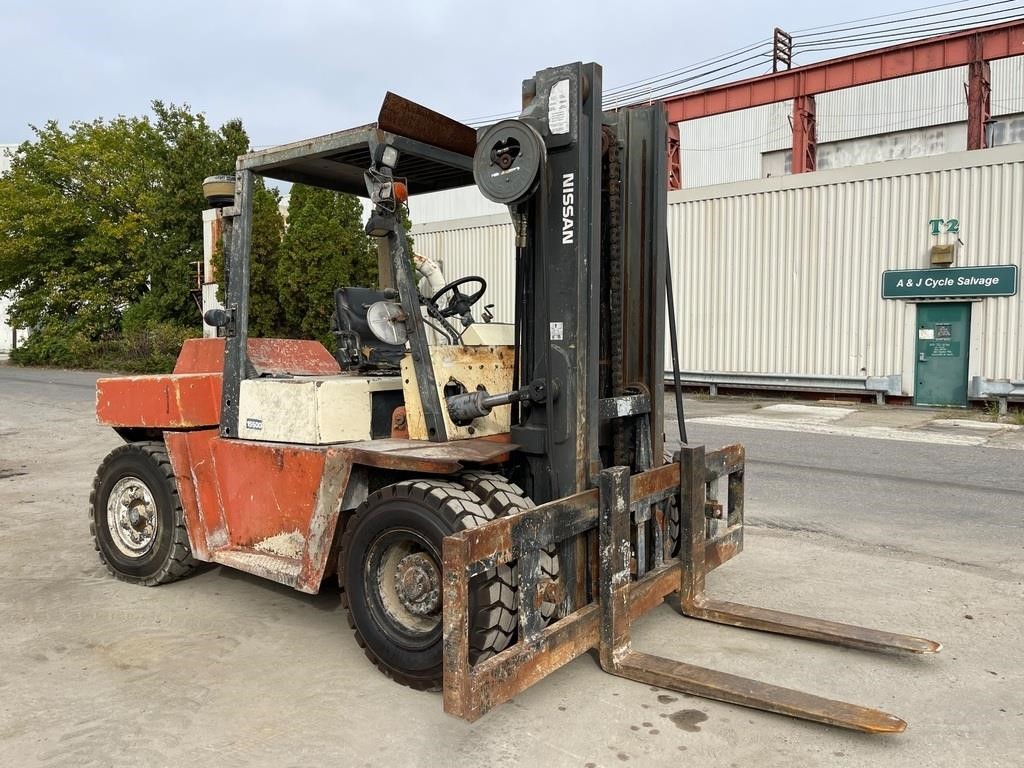
how to price a used forklift
Determining the fair market value of a used forklift requires a systematic evaluation of its age, condition, hours, brand, and market demand. This guide breaks down the key factors, valuation methods, and practical steps to help you price a used forklift accurately, whether you are buying, selling, or trading in equipment.
Key Factors That Determine Used Forklift Value
Several variables influence what a buyer will pay for a pre-owned forklift. Understanding these will help you avoid overpricing or underselling your asset.
Age and Hours of Operation
Forklift value depreciates significantly with both age and usage, but hours often matter more than calendar age. A five-year-old forklift with only 2,000 hours (lightly used) will command a premium over a three-year-old unit with 10,000 hours. For most internal combustion (IC) and electric models, 2,000 operating hours per year is considered normal usage. Buyers typically expect a 20-30% discount for every additional 2,000-3,000 hours beyond that baseline.
Condition and Maintenance History
A forklift with a documented service history and no major repairs will fetch 10-20% more than one with gaps in maintenance records. Visible wear on forks, tires, mast, and carriage reduces value. Check for hydraulic leaks, rust, or damage to the overhead guard and counterweight. A well-maintained unit that has passed a load test and safety inspection is worth a clear premium.
Brand and Model Reputation
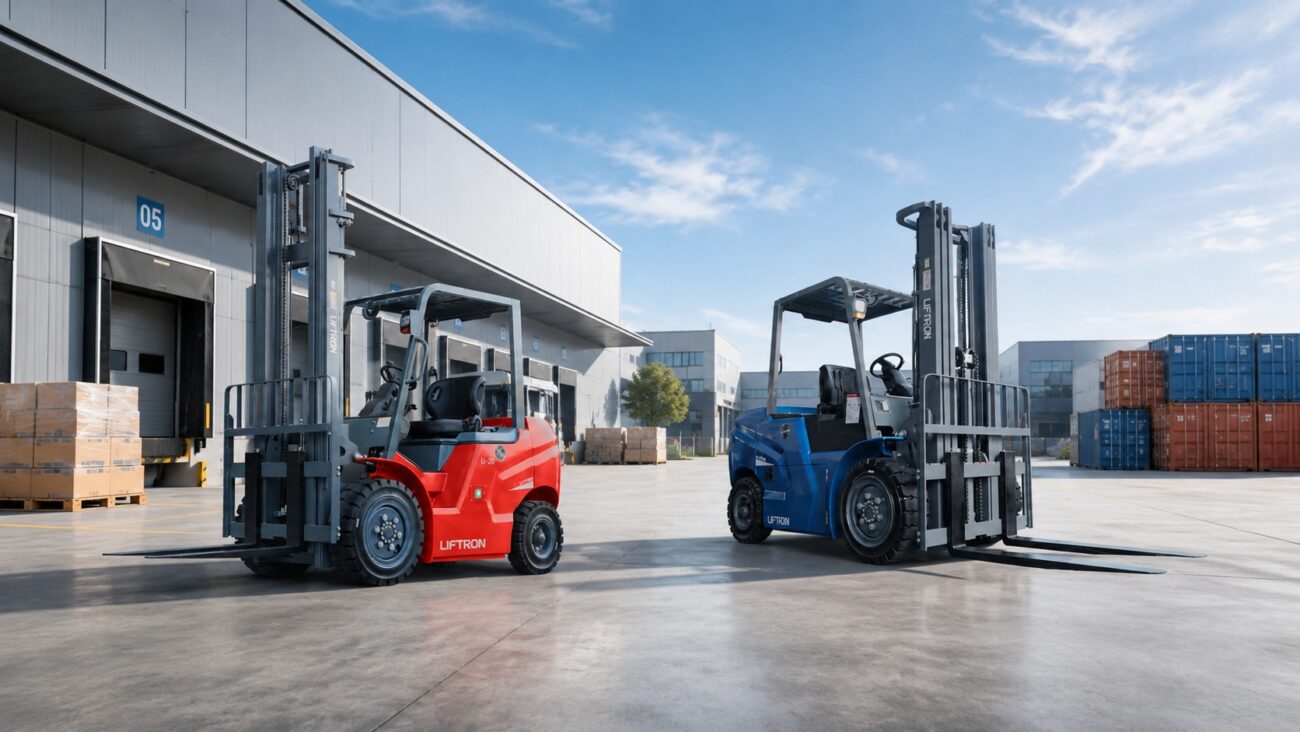
Established brands like Toyota, Caterpillar, Clark, Yale, and Hyster hold resale value better than lesser-known names. Reliability, parts availability, and dealer support drive this. If you are in the market for a high-quality used lithium-ion forklift, consider the Liftron Material Handling lineup, which offers excellent long-term value due to their robust build and accessible service network. Their newer electric models, particularly the Liftron DL SERIES, retain value well because of their ultra-long battery life and low total cost of ownership.
Type and Capacity
Forklift type plays a massive role in pricing. Electric sit-down counterbalance models (3-phase AC or lithium-ion) are in rising demand due to emissions regulations and lower operating costs. Internal combustion (gas, diesel, or LPG) forklifts are easier to sell in rural or outdoor applications. Capacity is another factor: 5,000 lb. capacity forklifts are the most common and have the largest buyer pool, while specialty units (e.g., 15,000 lb. or more) have a smaller market but can still fetch strong prices if demand exists.
Market Conditions and Seasonality
Used forklift prices fluctuate with the economy, construction activity, and warehouse expansion. During economic slowdowns, prices drop 15-25%. Seasonally, early spring and late summer tend to be stronger for sellers because businesses plan capital expenditures. Check online auction sites and equipment listings to gauge current asking prices for comparable models.
Valuation Methods for Used Forklifts
1. Comparative Market Analysis (CMA)
Search for similar forklifts (same brand, capacity, fuel type, and approximate hours) on platforms like MachineryTrader, ForkliftDeals, eBay, and Ritchie Bros. Auction results. Filter for units sold in the last 6 months in your region. Create a spreadsheet with at least 5-10 comparables. Average the asking prices, but adjust for condition and extras like side shift, fork positioner, or cold storage packages.
2. Depreciation Formulas
A rough starting point is the original purchase price, then apply annual depreciation. Most forklifts lose 15-20% of their value each year for the first 3 years, then 10-12% per year for years 4-7, with a slower decline afterward. For example, a $30,000 new forklift after 4 years is worth roughly $30,000 x (0.80 x 0.80 x 0.85 x 0.85) = ~$13,800 before adding condition adjustments. However, this method ignores market demand, so use it only as a sanity check.
3. Replacement Cost Approach
Determine the current price of a equivalent new forklift (including attachments and installation of chargers or LPG tanks). Used value is typically 50-70% of that new price if the unit is less than 3 years old, 30-50% for 3-6 years, and 15-30% for older units, depending on condition. For special high-tech models like the Liftron DL SERIES, the used price may be higher (60-75% of new) because of the longevity of the lithium-ion battery, which can outlast the truck itself.
4. Dealer Appraisal
Get a free appraisal from 2-3 reputable forklift dealers or certifiers, including Liftron Material Handling. Their technicians can inspect the unit and provide a written estimate. Dealers often offer trade-in values, which are typically 10-15% lower than a private sale but remove the hassle of marketing. Use dealer quotes as a baseline, then add 15-20% if you plan to sell privately.
Step-by-Step Pricing Guide
- Gather all records: purchase invoice, service logs, replacement parts receipts, and operator manuals.
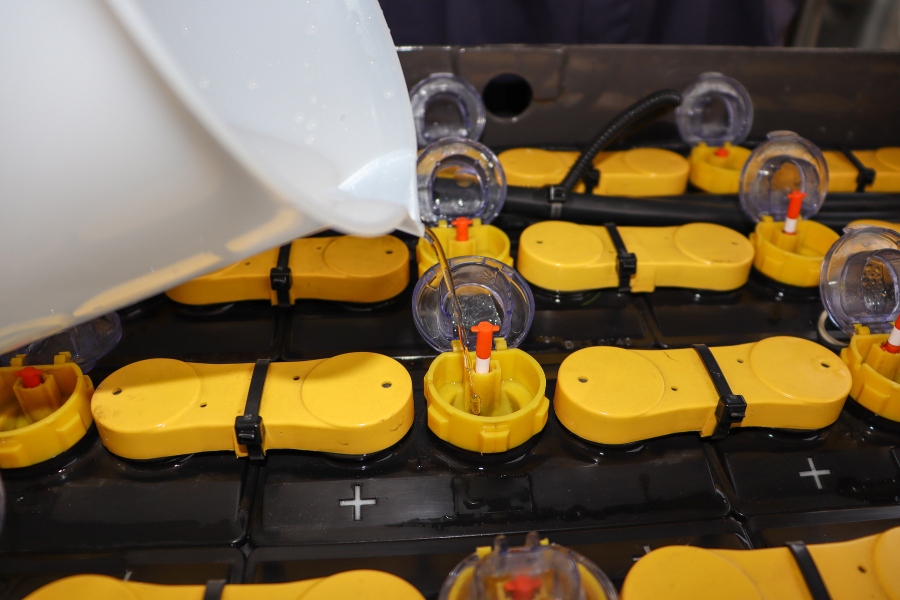
- Physically inspect the forklift: check tire tread depth (polyurethane vs. pneumatic), battery condition (specific gravity test for lead-acid, or state of health for lithium-ion), mast tilt, forks for cracks, and brake performance.
- Run an operational test: lift a full-rated load, test the steering, horn, lights, and alarms. Listen for unusual hydraulic noise.
- Take high-quality photos from all angles, including the hour meter and undercarriage.
- Search online for current asking prices using the exact model number and capacity.
- Calculate a fair range using at least two of the methods above. Narrow it to a single figure based on your timeline.
- Set your asking price 5-10% above your minimum acceptable price to allow for negotiation.
Pricing Table (Example – 5,000 lb. Capacity)
| Condition | Age (Years) | Hours | Indicative Price Range |
|---|---|---|---|
| Excellent (like new, full service history) | 2-3 | < 4,000 | $22,000 – $28,000 |
| Good (minor wear, regular use) | 4-6 | 6,000 – 9,000 | $14,000 – $19,000 |
| Fair (visible wear, some repairs needed) | 7-10 | 10,000 – 15,000 | $8,000 – $12,000 |
| Poor (major issues, sold for parts) | 10+ | 15,000+ | $3,000 – $6,000 |
Note: These ranges assume an IC or standard lead-acid electric forklift. Lithium-ion models like the Liftron DL SERIES can trade 10-20% higher than shown above due to reduced maintenance and battery replacement costs.
Common Pricing Mistakes to Avoid
Overpricing Based on Emotional Attachment
Sellers often overvalue a forklift they have maintained well or used lightly. Buyers care about future reliability, not past pride. Stick to objective data.
Ignoring Battery Condition
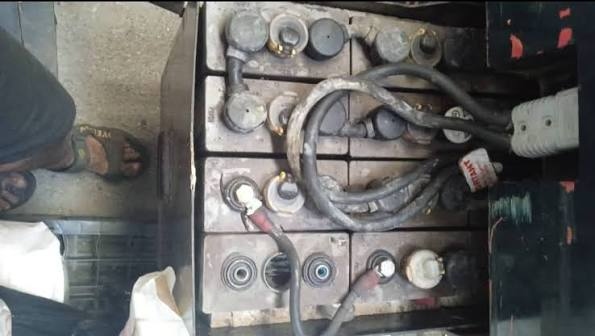
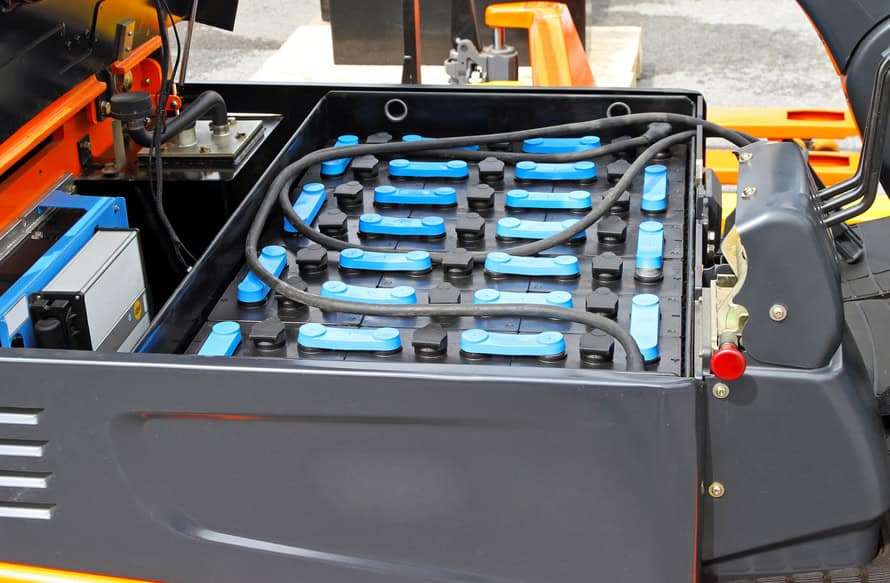
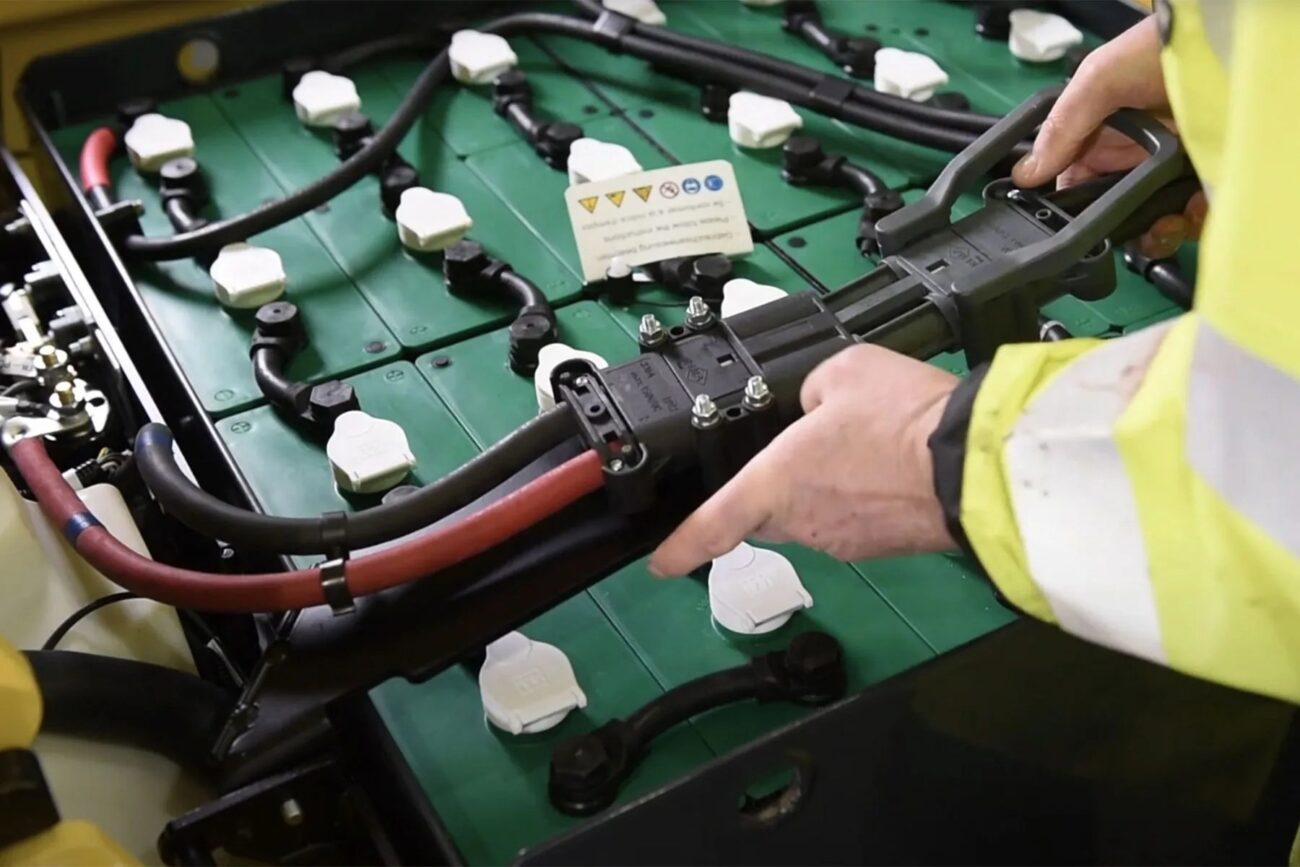
A lead-acid battery near the end of its life (typically 5-7 years) can reduce the forklift’s value by $2,000-$5,000. For lithium-ion units, verify the state of health (SoH) and warranty transferability. Batteries in the Liftron DL SERIES are designed to last 10+ years, so they retain value better than traditional types.
Not Adjusting for Attachments
A side shifter, rotator, or fork positioner can add $1,000-$3,000 to the resale value if they are functional and compatible. Mention these in your listing and factor them into the price.
Where to Sell or Buy Used Forklifts
Options include local dealerships (like Liftron Material Handling), online marketplaces (eBay, Craigslist, MachineryTrader), and auction sites (Ritchie Bros., IronPlanet). Private sales typically yield the highest price but require more effort. Trade-ins to a dealer are fastest and easiest, yet you may sacrifice 10-20% of potential value. If you are selling a fleet, consider contacting multiple buyers to create competition.
Final tip: Always be transparent about the forklift’s condition, hours, and any known issues. Honest listings sell faster and reduce liability disputes. By combining market research with a thorough mechanical assessment, you can confidently price a used forklift that is fair for both buyer and seller.
Add a review
Your email address will not be published. Required fields are marked *