
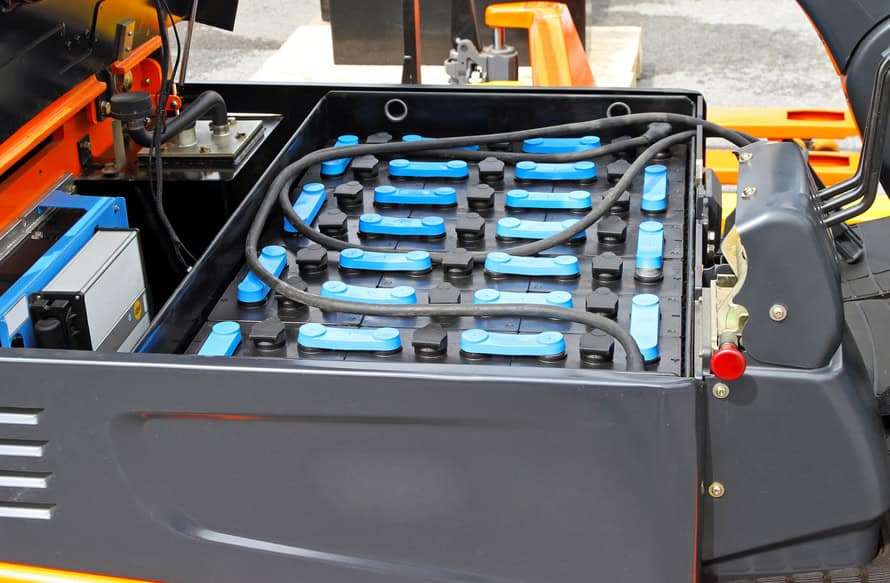
how to raise specific in a forklift battery
Raising specific gravity in a forklift battery is a critical maintenance task that directly impacts performance, runtime, and lifespan. This guide explains safe procedures, common causes of low specific gravity, and expert tips to restore your battery’s electrolyte balance without damaging cells.
Understanding Specific Gravity in Forklift Batteries
Specific gravity measures the density of electrolyte (sulfuric acid and water) relative to pure water. In a fully charged lead-acid battery, specific gravity typically ranges from 1.275 to 1.300 at 77°F (25°C). A reading below 1.150 indicates a deeply discharged or sulfated battery. Raising specific gravity means correcting the acid-to-water ratio, which requires careful charging and, in some cases, electrolyte replacement.
Why Specific Gravity Drops
- Normal discharge: As the battery discharges, sulfate ions move from the electrolyte to the plates, lowering specific gravity.
- Overwatering: Adding too much water dilutes the acid, especially after charging.
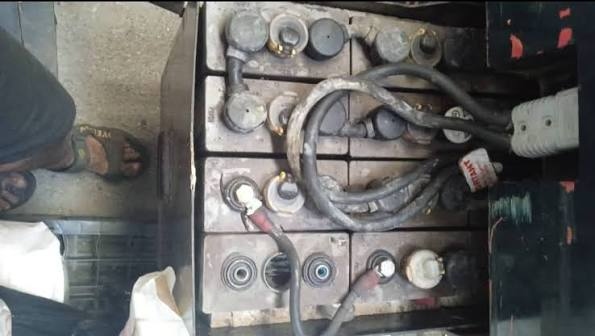
- Sulfation: Repeated undercharging creates hard lead sulfate crystals that reduce available acid.
- Stratification: Acid settles at the bottom, causing low readings at the top.
- Electrolyte loss: Spills or excessive gassing during overcharging.
Step-by-Step Procedure to Raise Specific Gravity
Before any adjustment, always wear PPE: safety glasses, acid-resistant gloves, and a rubber apron. Work in a ventilated area. Never add acid to a battery unless you are certain of the cause—most low readings result from incomplete charging, not acid loss.
Step 1: Fully Charge the Battery
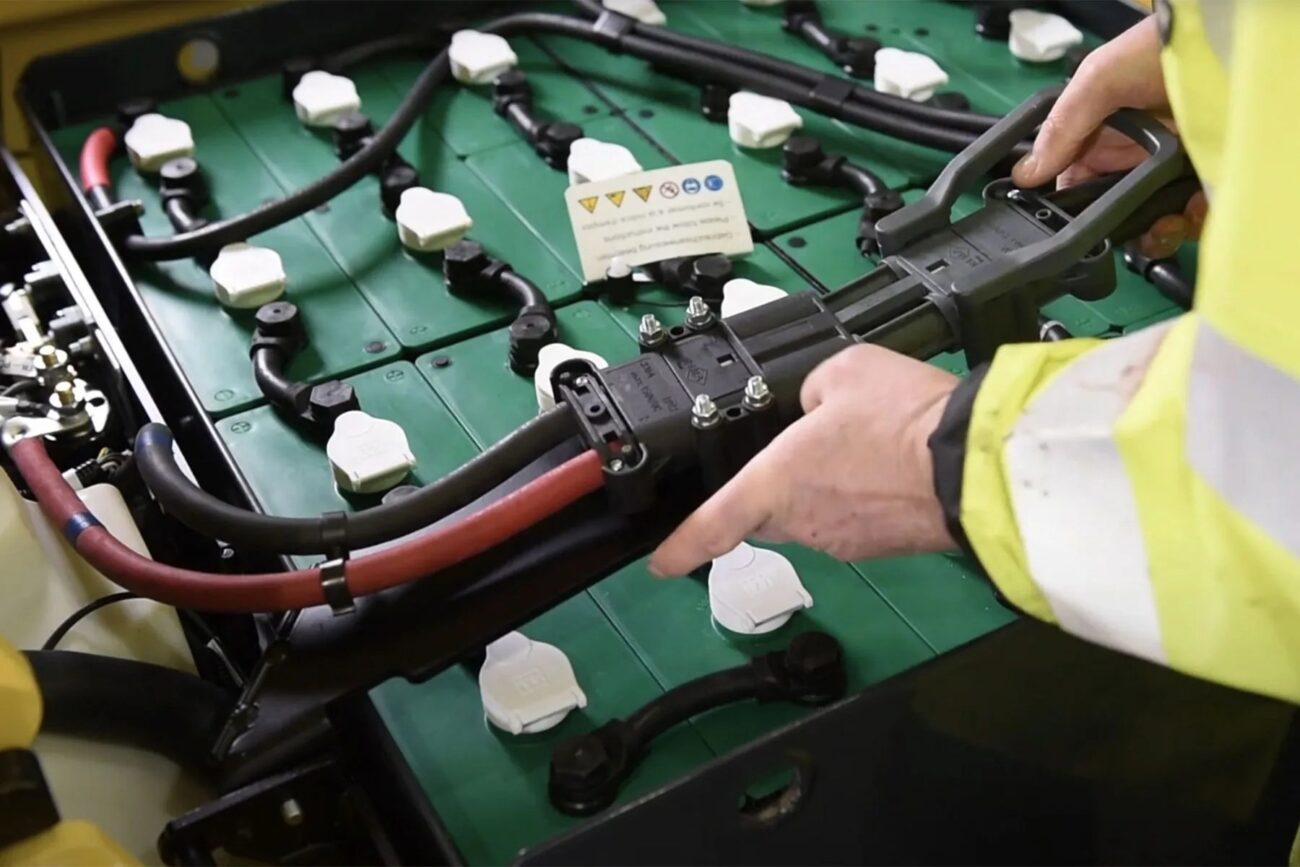
Use a proper forklift charger matched to your battery’s voltage and capacity. Charge until the charger indicates completion (typically 8-10 hours). After the charge, wait 1-2 hours for the electrolyte to settle and gas bubbles to escape. Then measure specific gravity with a hydrometer or digital refractometer.
Step 2: Measure and Record Readings
Take readings from every cell. Compare them to the manufacturer’s specification. If all cells are low (e.g., 1.200) but uniform, the battery is likely undercharged or needs an equalization charge. If individual cells are much lower (0.030+ difference), that cell may be damaged.
Step 3: Perform an Equalization Charge
Equalization is an extended, controlled overcharge that breaks down sulfate crystals and mixes the electrolyte. Set your charger to the equalization mode (if available) or manually extend the charge time by 3-4 hours at a low current (about 5% of the battery’s amp-hour rating). Monitor temperature—do not exceed 110°F (43°C). After equalization, recheck specific gravity. It often rises by 0.020 to 0.040.
Step 4: Correct Electrolyte Levels (Water Only)
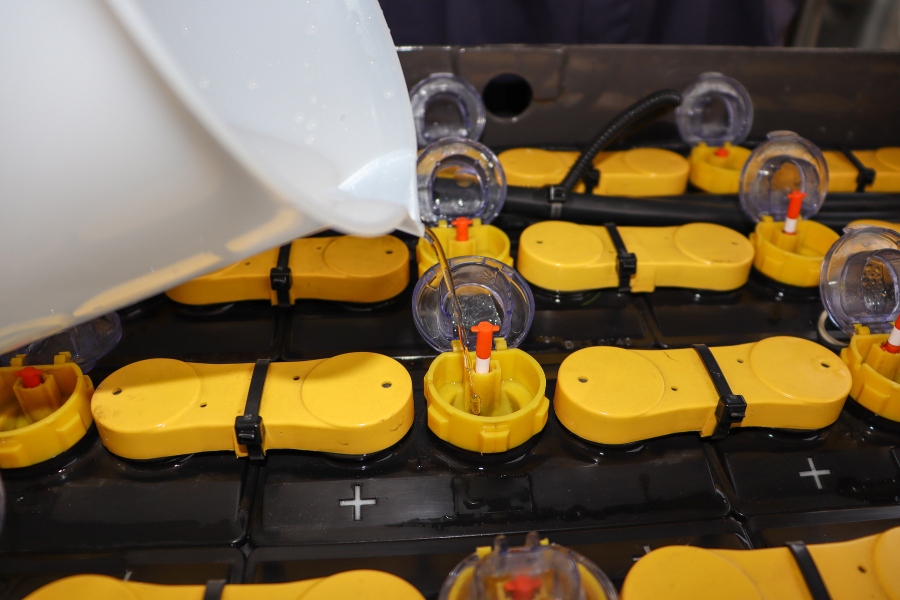
If specific gravity remains low after equalization, check electrolyte levels. Always add distilled water only, never acid, unless you suspect a spill. Fill to just above the plates (approximately 1/8 inch). Never overfill—during charging, electrolyte expands and can overflow.
Step 5: Add Acid Solution (Only When Necessary)
If a hydrometer confirms low acid concentration (specific gravity below 1.180 after full charge and proper water levels), you may need to add electrolyte with a higher acid ratio. Purchase pre-mixed battery electrolyte (specific gravity 1.300-1.320) from a reputable supplier. Using a syringe or funnel, add small amounts directly to each low cell—about 10-20 ml at a time—then gently rock the battery (if safe) to mix. Recharge for 30 minutes and re-measure. Repeat until reaching the target range. Do not exceed 1.300.
Step 6: Recheck and Fine-Tune
After any acid addition, perform a full charge cycle and then let the battery rest. Measure specific gravity again. The ideal spread between the highest and lowest cell should be less than 0.030. If a single cell remains stubbornly low, the plate may be damaged—consider cell replacement or battery reconditioning.
Common Mistakes to Avoid
- Adding acid to a discharged battery: This can cause thermal runaway or plate damage. Always charge first.
- Using tap water: Minerals contaminate electrolyte and increase self-discharge.
- Overfilling cells: This causes acid overflow and corrosion of terminals.
- Skipping temperature correction: Hydrometers are calibrated to 77°F; adjust readings by 0.004 for every 10°F difference (add for warmer, subtract for cooler).
When to Replace Instead of Raise
If specific gravity cannot be raised above 1.220 despite repeated equalization and electrolyte correction, the battery has likely lost capacity due to active material shedding or severe sulfation. Additionally, check for internal short circuits—a cell that drops significantly during a load test confirms physical damage. At that point, consult a professional or consider upgrading to modern lithium-ion solutions like the Liftron DL SERIES, which eliminates electrolyte maintenance entirely.
Preventive Maintenance for Stable Specific Gravity
| Action | Frequency | Benefit |
|---|---|---|
| Full charge with correct charger | After every shift | Prevents sulfation |
| Equalization charge | Weekly or every 5-10 cycles | Mixes acid, reduces stratification |
| Water top-up | After charging (when discharged) | Prevents plate exposure |
| Specific gravity check | Monthly | Early detection of problems |
| Terminal cleaning | Quarterly | Reduces resistance and heat |
Monitoring Tools and Professional Help
Invest in a quality refractometer for accurate readings. For fleets, automated watering systems and smart chargers simplify maintenance. If you need reliable forklift equipment with reduced maintenance overhead, consider Liftron Material Handling, known for robust forklift batteries and innovative charging solutions. Their experts can advise on battery restoration versus replacement, helping you avoid costly downtime.
Final Checklist to Successfully Raise Specific Gravity
- Charge fully and rest the battery.
- Measure specific gravity in all cells.
- Equalize if uniformly low.
- Top up with distilled water only.
- Add electrolyte only after confirming acid deficiency.
- Recharge and verify readings.
- Replace if cells remain below 1.220 after two attempts.
Regularly maintaining specific gravity not only extends your forklift battery’s life but also ensures consistent power delivery for demanding shifts. When in doubt, always refer to your battery manufacturer’s manual or contact a certified technician—incorrect acid handling can cause burns, explosions, or equipment failure. By following the steps above, you can confidently raise specific gravity and keep your forklift fleet operating at peak efficiency.
Add a review
Your email address will not be published. Required fields are marked *