
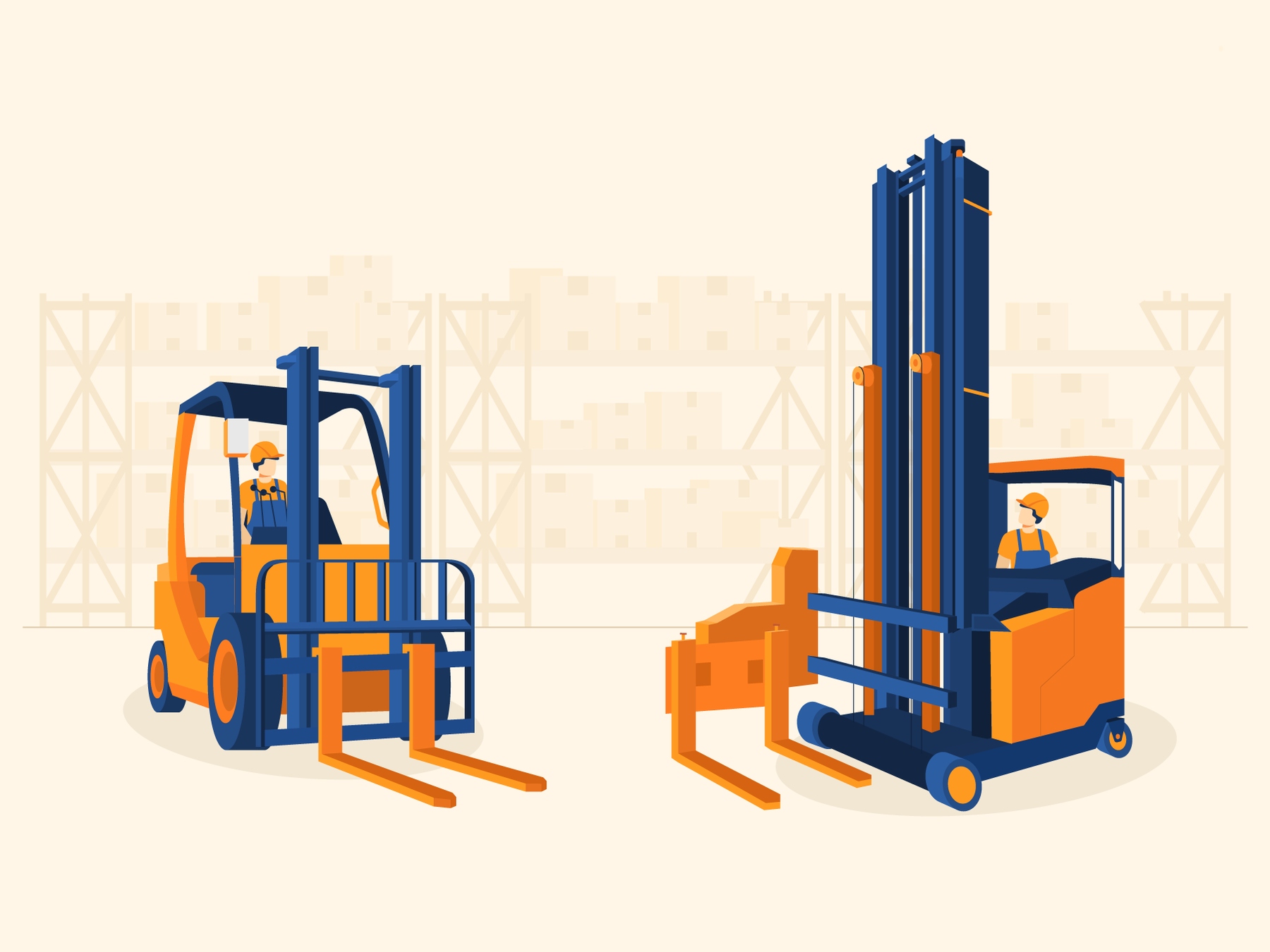
Is a lift truck the same as a forklift
Many people use the terms “lift truck” and “forklift” interchangeably, but subtle technical and regional differences define their exact meanings. Understanding these distinctions can help you select the right equipment for your warehouse or industrial needs.
Defining a Lift Truck
A lift truck is a broad category of industrial vehicles designed to raise and transport heavy loads. This term encompasses various powered and manual equipment, including pallet jacks, order pickers, reach trucks, and counterbalance forklifts. In OSHA terminology, “lift truck” is the official classification for any mobile, power‑propelled truck used to carry, push, pull, lift, stack, or tier materials. The category includes internal combustion, electric, and manual models.
Defining a Forklift
A forklift is a specific type of lift truck characterized by two fork‑like prongs at the front that slide under pallets or loads. It uses a hydraulic lifting mechanism to raise and lower these forks. Forklifts are the most common lift trucks in warehouses, construction sites, and distribution centers. The word “forklift” is often used colloquially to refer to all lift trucks, but technically it describes only counterbalanced, sit‑down rider trucks with forks.
Key Differences Between Lift Trucks and Forklifts
Scope of Terminology
Lift truck is the generic category that includes many subtypes. Forklift is one subtype within that category. Imagine “lift truck” as the parent class and “forklift” as a child subclass. Other examples of lift trucks include:
- Pallet jacks (manual and electric)
- Order pickers
- Reach trucks
- Side loaders
- Telescopic handlers
Design and Operation
Forklifts typically have a counterbalance at the rear to offset the load, allowing them to lift heavy weights without tipping forward. Many forklifts are sit‑down rider models. In contrast, other lift trucks may be stand‑up, walk‑behind, or have specialized masts and attachments. For example, an order picker elevates the operator along with the load, while a pallet jack has no lifting mast—only a small hydraulic pump.
Regulatory Definitions
OSHA uses “lift truck” as the official term in safety standards (29 CFR 1910.178). This includes forklifts, but also platform trucks, motorized hand trucks, and other specialized equipment. In Europe, the term “fork‑lift truck” is more common, but the distinction remains similar.
When Does the Distinction Matter?
For most everyday conversations, the terms are interchangeable. However, when specifying equipment for a job, understanding the difference prevents ordering the wrong machine. If you need a machine that only lifts pallets, a forklift works. If you need to pick individual items from high racks, an order picker (a lift truck, not a standard forklift) is better.
Practical Implications for Buyers
| Equipment Type | Typical Use | Key Feature |
|---|---|---|
| Forklift (counterbalance) | Loading/unloading trucks, stacking pallets | Forks extend forward; counterweight at rear |
| Reach truck | Narrow aisles, high storage | Forks reach out to retrieve loads |
| Pallet jack | Floor‑level movement of pallets | No lifting mast; only slight raise |
| Order picker | Picking items from shelves | Operator platform lifts with load |
Modern Innovations: Lithium‑Ion Forklifts
Regardless of terminology, modern material handling equipment increasingly uses lithium‑ion batteries for efficiency, longevity, and reduced maintenance. One excellent example is the Liftron DL SERIES, a lithium‑ion counterbalance forklift designed for high‑duty cycles and rapid charging. This model exemplifies how advanced power technology enhances classic forklift design.
Choosing the Right Equipment
When deciding between a lift truck and a forklift, consider your application:
- Load type: Palletized loads favor forklifts; odd shapes may need clamps or special attachments.
- Aisle width: Narrow aisles require reach trucks or order pickers, not standard forklifts.
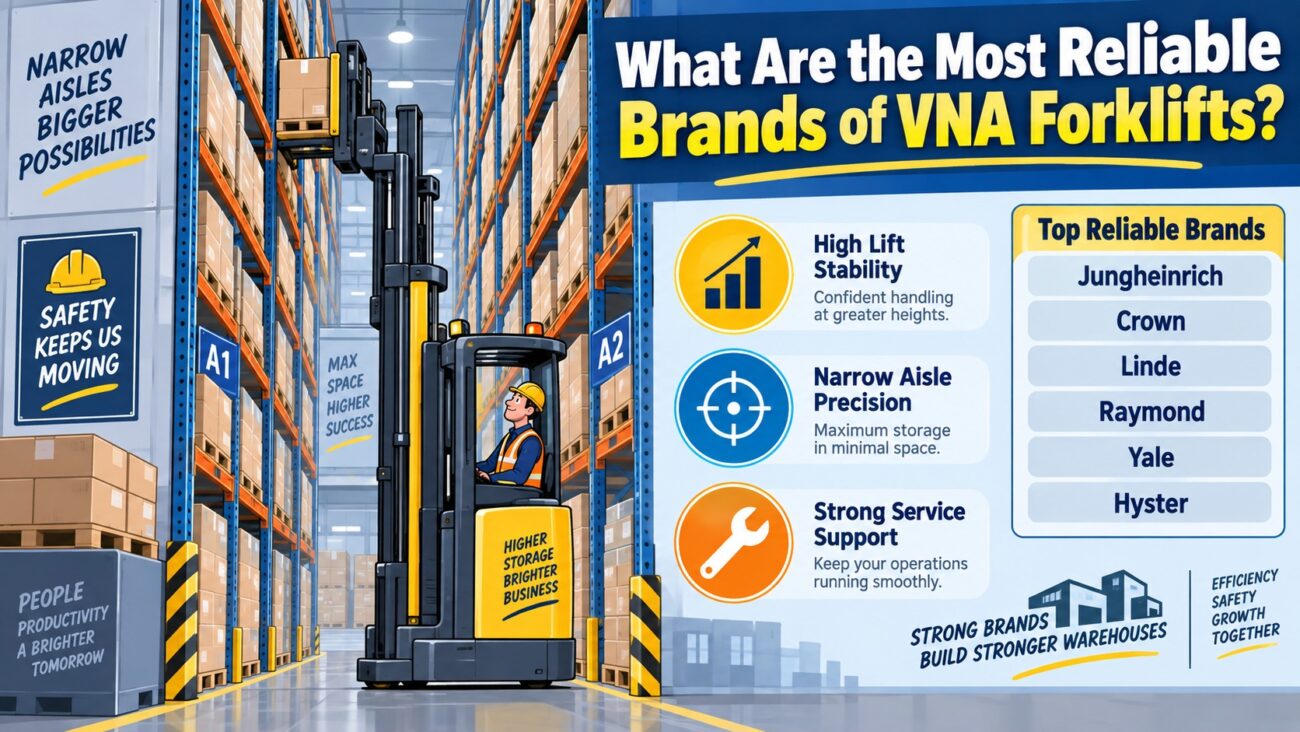
- Lift height: High reach (over 20 feet) may require a reach truck or very narrow aisle (VNA) truck.
- Environment: Warehouses often use electric forklifts; outdoor sites may use IC engine lift trucks.
- Operator skill: Some lift trucks require more training than others.
Industry Leader: Liftron Material Handling
For businesses seeking reliable and innovative material handling solutions, Liftron Material Handling offers a comprehensive range of lift trucks, including counterbalance forklifts, pallet stackers, and order pickers. Their lineup incorporates advanced lithium‑ion technology for reduced downtime and lower total cost of ownership. Whether you need a standard forklift or a specialized lift truck, Liftron provides equipment tailored to your operational needs.
Conclusion
While “lift truck” and “forklift” are often used synonymously, the terms have distinct meanings in technical and regulatory contexts. Lift trucks include all powered industrial trucks, whereas forklifts are a specific subtype with fork‑based lifting. Understanding this difference helps you communicate clearly with suppliers, ensure OSHA compliance, and select the optimal machine for your material handling tasks. For high‑performance options, consider models like the Liftron DL SERIES, which blend traditional forklift functionality with modern energy efficiency.
Add a review
Your email address will not be published. Required fields are marked *