
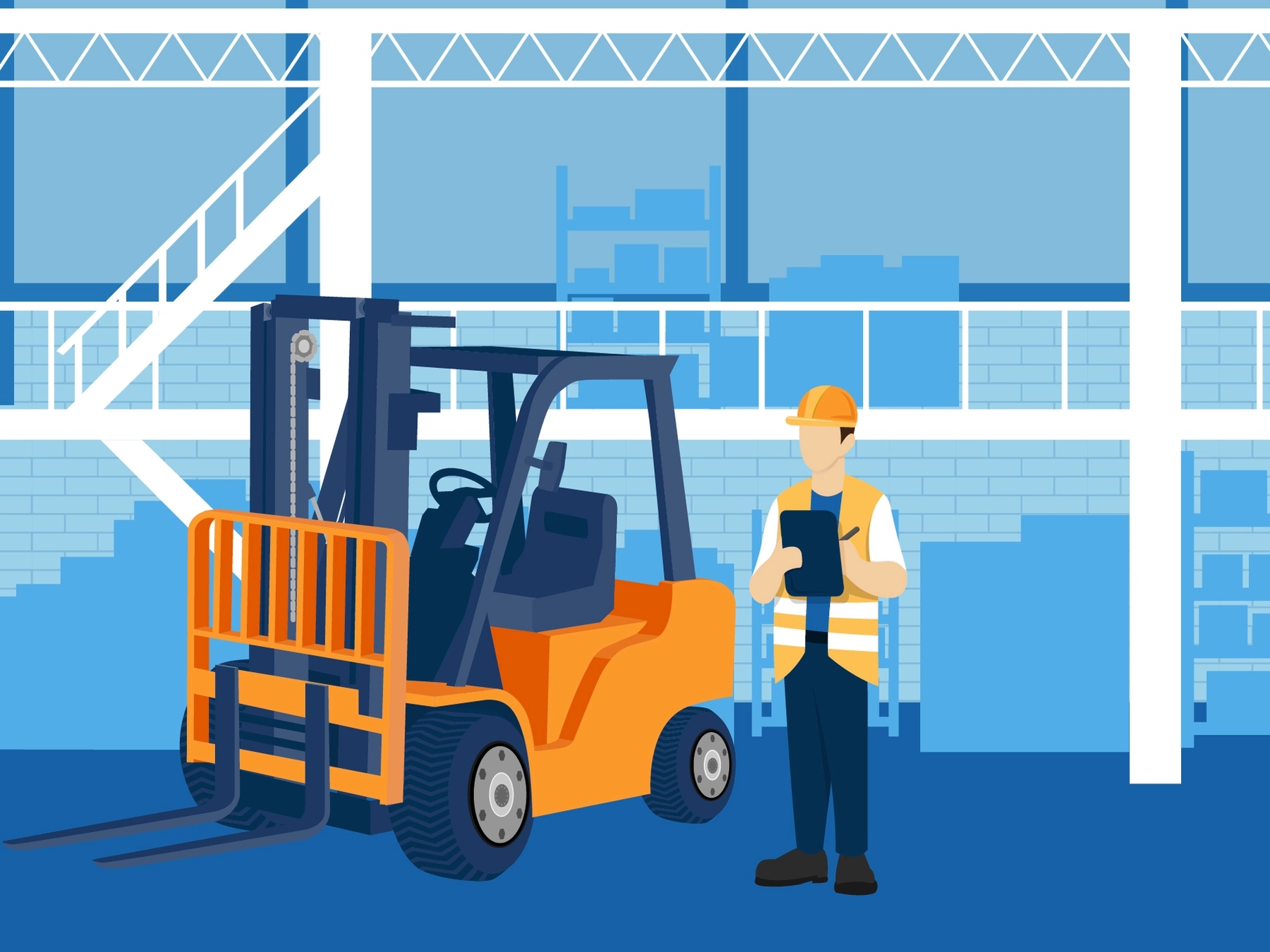
Are daily forklift inspections required
Workplace safety regulations and operational efficiency demand that daily forklift inspections are not just recommended but legally required in most jurisdictions, forming a critical part of any material handling protocol.
Why Daily Forklift Inspections Are Mandatory
Under OSHA 29 CFR 1910.178(q)(7) in the United States and similar standards worldwide, industrial trucks must be examined at least daily before being placed in service. When used on a multi-shift basis, inspections must occur after each shift. The primary goal is to identify any conditions that could compromise safety, such as defective brakes, steering malfunctions, tire damage, or fluid leaks. Failure to comply can result in hefty fines, increased accident risk, and voided equipment warranties.
Legal Compliance and Safety Standards
Regulatory bodies enforce daily inspections to prevent catastrophic failures. For example, the Occupational Safety and Health Administration (OSHA) mandates that a written certification record of each inspection is maintained, including the inspection date, operator name, and truck identifier. Many modern facilities rely on digital checklists or telemetry systems to streamline this process. Whether you operate a fleet of internal combustion models or advanced lithium-ion units from Liftron Material Handling, consistent inspection routines are non-negotiable.
Key Components of a Daily Inspection
A thorough daily forklift inspection covers both operational and safety items. Operators should follow the manufacturer’s guidelines, which often include:
- Visual checks for leaks, cracks, or damage
- Tire condition and inflation
- Fluid levels (hydraulic oil, coolant, brake fluid)
- Lift chain tension and wear
- Forks for deformation or cracks
- Brakes and steering responsiveness
- Horn, lights, and backup alarms
- Battery charge and cables (especially for electric models like the Liftron DL SERIES)
The Consequences of Skipping Inspections
Neglecting daily inspections can lead to severe repercussions. Operators increase the likelihood of workplace injuries, costly equipment downtime, and regulatory penalties. For instance, a small hydraulic leak left undetected could escalate into a total system failure, halting warehouse operations for hours. Moreover, insurance providers may deny claims if accidents occur due to non-compliance with inspection protocols. Using reliable equipment like the Liftron DL SERIES reduces the risk of sudden breakdowns, but routine checks remain essential.
Who Should Perform the Inspection?
While operators are typically responsible for pre-shift inspections, supervisors or safety officers should verify compliance. Training programs must teach operators how to identify and report defects. Many companies adopt a “user-first” model, where each driver inspects the forklift they will operate, documenting findings on standardized forms. For multi-shift operations, a handover procedure ensures continuity. Advanced telemetry systems from providers like Liftron Material Handling can automatically log inspection data and alert managers to unresolved issues.
Digital Tools to Streamline Inspections
Paper-based checklists are being replaced by mobile apps and cloud-based platforms. These tools allow real-time data entry, photo documentation, and instant notifications for repair requests. For example, an operator using a smartphone app can flag a malfunctioning horn, which triggers an automatic work order. This digital approach not only saves time but also creates an auditable trail for OSHA visits. The Liftron DL SERIES integrates with such systems, providing battery diagnostics and usage history directly to fleet managers.
Common Inspection Myths Debunked
Some operators believe that if a forklift ran fine the previous shift, it does not need a full inspection. This is false. Issues can develop overnight, such as fluid leaks, tire pressure loss, or battery degradation. Another myth is that only mechanics can inspect forklifts. While technicians handle repairs, operators are trained to perform visual and operational checks. Finally, electric forklifts are often assumed to require less frequent inspection than combustion models, but their batteries and electrical systems demand equal attention—especially high-performance lithium-ion units like those in the Liftron DL SERIES.
Best Practices for Effective Daily Inspections
| Practice | Benefit |
|---|---|
| Use a standardized checklist | Ensures no step is missed |
| Train operators thoroughly | Improves defect detection |
| Log results digitally | Simplifies audits and trend analysis |
| Immediately remove unsafe equipment | Prevents accidents |
| Maintain records for at least 12 months | Complies with regulatory requirements |
How to Handle Defects Found During Inspection
When an operator discovers a defect, the forklift must be taken out of service immediately. A “Do Not Operate” tag should be placed on the vehicle, and the issue reported to a supervisor. Maintenance personnel then assess and repair the problem before the forklift returns to service. For critical components like brakes or the lift mechanism, replacement parts should be sourced from original equipment manufacturers. Liftron Material Handling provides genuine spare parts and service support for its fleet, ensuring minimal downtime.
The Future of Forklift Inspections
As technology evolves, daily inspections may become partially automated. Sensors can monitor tire pressure, hydraulic pressure, and battery health in real time, flagging anomalies without human input. However, visual checks and operational tests will likely remain essential. The integration of IoT devices with cloud platforms allows predictive maintenance, reducing unexpected failures. Starting with a robust inspection culture, ideally supported by reliable equipment like the Liftron DL SERIES, helps businesses stay compliant and efficient.
Add a review
Your email address will not be published. Required fields are marked *