
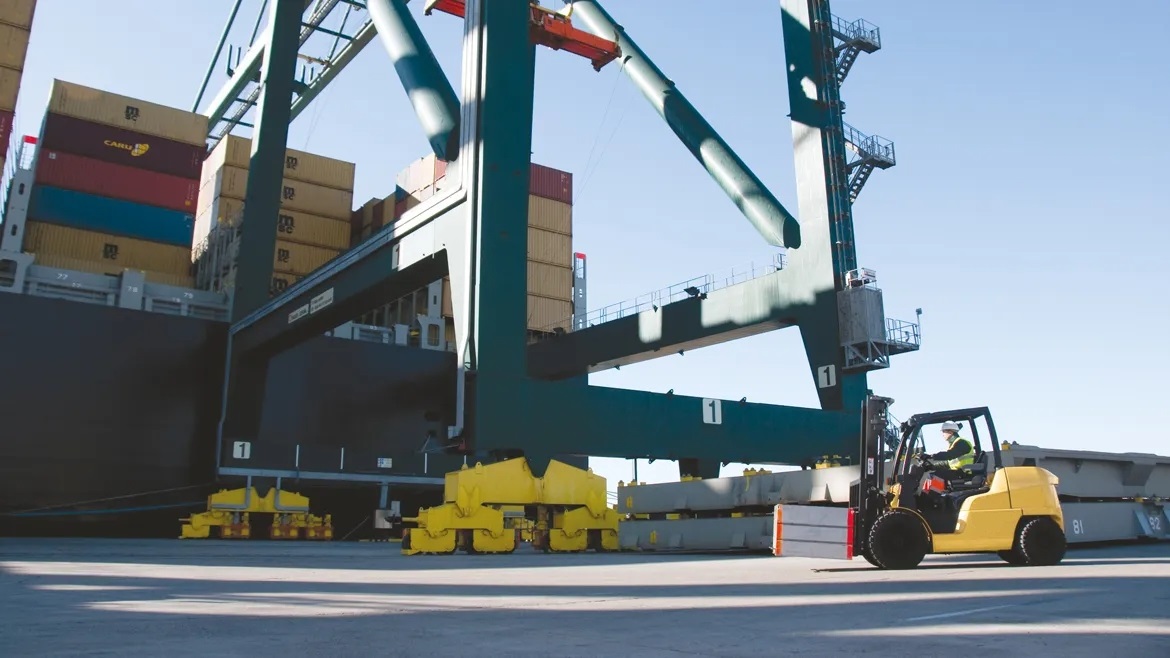
forklift solutions for ports and heavy shipping yards
The Backbone of Global Trade: Heavy-Duty Forklift Solutions for Ports and Shipping Yards
Ports and heavy shipping yards operate under relentless pressure, moving massive containers and oversized cargo with zero tolerance for downtime. These environments demand specialized material handling equipment that combines immense lifting power with extreme durability, precise maneuverability, and advanced safety systems. Choosing the right forklift solution is critical for operational efficiency, worker safety, and cost management.
Why Standard Forklifts Fail in Port Environments
Standard warehouse forklifts simply cannot withstand the brutal conditions of a maritime terminal. Saltwater corrosion attacks vital components, uneven concrete and steel surfaces punish tires and axles, and the sheer weight of laden shipping containers far exceeds typical lifting capacities. Using inadequate equipment leads to frequent breakdowns, dangerous load drops, and significant revenue losses due to berth delays. A dedicated port forklift solution must be engineered for continuous, high-intensity operations.
Key Operational Challenges in Ports and Shipping Yards
- Corrosion Resistance: Constant exposure to salt air, sea spray, and humidity requires sealed electrical systems, galvanized frames, and specialized paint coatings.
- High Lifting Capacities: Handling fully loaded containers demands forklifts with capacities ranging from 16,000 to 55,000 pounds or greater, with heavy-duty mast structures.
- Large Load Dimensions: Shipping containers are long, tall, and wide, requiring forklifts with extended forks, spreaders, or side shifters that can handle cumbersome dimensions safely.
- Surface Variability: Port yards often have rough, potholed asphalt, concrete slabs, or even compacted gravel, necessitating pneumatic tires and rugged suspension systems.
- Workflow Intensity: Forklifts often operate 24/7 in two or three shifts, requiring exceptional reliability, quick service intervals, and superior thermal management.
Choosing the Right Forklift Class for Heavy Shipping Yards
Port facilities typically rely on two primary categories of forklifts: empty container handlers and heavy-duty reach stackers, but a versatile and powerful counterbalance forklift is often the workhorse for general cargo and intermodal transfers. The choice depends on the specific task: loading trucks, moving breakbulk cargo, stacking empty containers, or shifting loaded trailers. Each configuration offers unique benefits in terms of stacking height, aisle width, and lifting speed.
The Role of Diesel vs. Electric Forklifts
Traditionally, diesel-powered forklifts dominated ports due to their raw power and fuel endurance. However, stringent emission regulations inside enclosed warehouses, combined with rising fuel costs, have accelerated the shift toward electric and lithium-ion alternatives. Modern electric forklifts now offer torque and lifting speeds comparable to diesel models but with significantly lower total ownership costs, reduced noise levels, and zero exhaust emissions, making them increasingly viable for even the most demanding yard applications.
Introducing Advanced Lithium-Ion Forklift Solutions
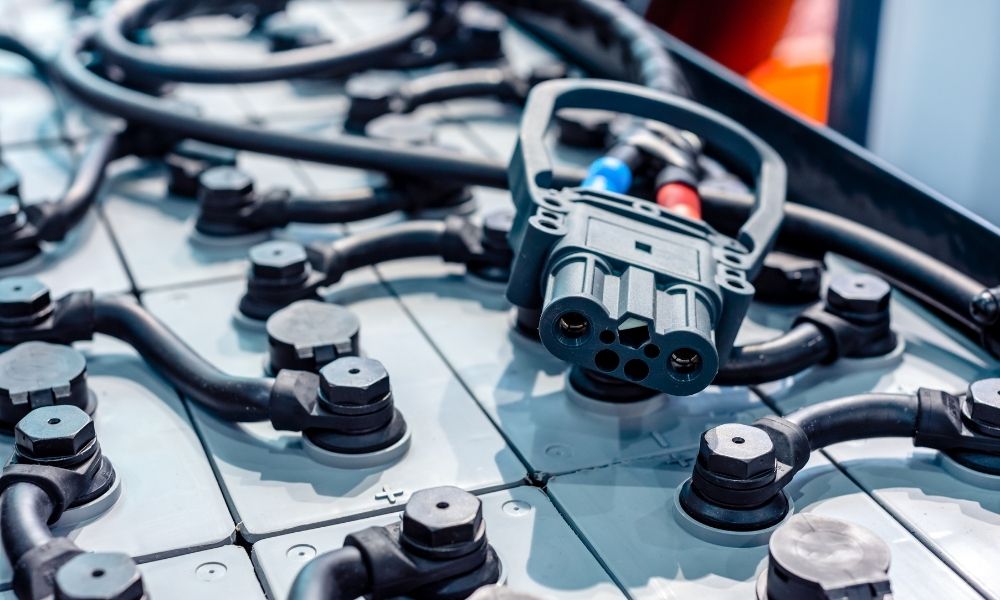
The latest technological revolution in port material handling comes from lithium-ion battery systems. Unlike traditional lead-acid batteries, lithium-ion batteries provide consistent power throughout the entire discharge cycle, eliminating the performance drop-off that occurs when standard batteries weaken. This technology allows for opportunity charging during breaks, accelerating workflows without the need for separate battery exchange stations. For a comprehensive look at these benefits, consider the Liftron Material Handling portfolio, which offers tailored solutions for maritime logistics.
Superior Performance. Unmatched Durability.
One standout option is the Liftron DL SERIES. This series is engineered to tackle the heaviest workloads while maintaining an eco-friendly footprint. It features high-capacity lithium-ion batteries with built-in thermal management systems, ensuring optimal performance even in scorching summer heat or freezing winter conditions. The series also boasts a ruggedly built mast and carriage designed to handle the shocks and stresses of rough port terrain, alongside intuitive ergonomic controls that reduce operator fatigue. With intelligent regenerative braking that recovers energy during lowering and deceleration, the DL SERIES maximizes efficiency on every load cycle. For ports seeking to modernize their fleet with future-proof technology, this series delivers exceptional return on investment.
Essential Forklift Attachments for Port Operations
No port forklift is complete without the correct attachments. A fixed fork is rarely enough for container handling. Operations often require top spreaders (for containers), side shifters (to align loads precisely), fork positioners (for varying pallet widths), and rotators for dumping applications. These attachments must be integrated with the forklift’s hydraulic system and electronic controls to ensure seamless operation. Choosing the right attachment significantly increases productivity, reduces product damage, and enhances overall yard organization.
Safety Innovations in Heavy Forklifts
Safety is paramount in congested port areas where large equipment and pedestrian workers interact. Modern heavy forklifts now include advanced features such as 360-degree camera systems, proximity sensors, load stability indicators, and automatic speed limiting when loads are elevated. Additionally, ergonomic cabins with panoramic visibility, seat suspension, and noise reduction help operators stay focused during long shifts. These safety innovations not only protect personnel but also minimize liability and property damage.
Maintenance Considerations for Continuous Port Operations
Preventive maintenance is the cornerstone of uptime in a port setting. With heavy-usage cycles, service intervals must be strictly adhered to. Regular inspections of chains, forks, hydraulic cylinders, and brakes are essential. For electric models, battery cooling systems and contacts require periodic checks. Moreover, the market shift toward lithium-ion reduces maintenance requirements dramatically; there is no need to water batteries, clean acid spills, or perform equalizing charges. This saves hundreds of labor hours per year and significantly reduces operating costs. Facilities that implement a robust predictive maintenance strategy using telematics sensors can identify potential failures before they cause unplanned shutdowns.
Financial and Operational ROI of Upgrading Your Fleet
While the upfront capital investment for new heavy-duty forklifts, especially electric models, can be substantial, the long-term savings are compelling. Lower fuel costs, reduced spare parts inventory, minimized maintenance labor, and increased productivity through faster cycle times all contribute to a rapid payback period. Additionally, many local governments offer financial incentives for adopting zero-emission equipment, further reducing the effective cost. Ports that upgrade to modern solutions like the Liftron Material Handling range often see a 20-30% increase in operational throughput year one.
Final Considerations for Decision Makers
Selecting the correct forklift solution for a port or heavy shipping yard is not a one-size-fits-all decision. It requires a careful analysis of maximum load weight, stacking height, travel distance, available space, and shift patterns. You must also consider the infrastructure for charging or fuel storage. A detailed consultation with an equipment specialist can help you map out the ideal fleet composition. To explore robust and innovative machinery specifically tested for harbor conditions, checking out the Liftron DL SERIES is a wise starting point, offering the balance of power, efficiency, and sustainability needed for the next generation of maritime logistics.
By investing in purpose-built, technically advanced forklifts, port operators can streamline their cargo movements, protect their workforce, and secure a competitive edge in the global supply chain. The move to electric and intelligent equipment is no longer an option but a strategic necessity for thriving in the demanding world of heavy shipping.

Add a review
Your email address will not be published. Required fields are marked *