
what is material handling equipment in a warehouse
Understanding Material Handling Equipment in Modern Warehouses
Material handling equipment in a warehouse refers to the diverse range of machinery, tools, and vehicles used to move, store, control, and protect goods throughout the logistics cycle. This equipment is the backbone of efficient operations, directly impacting productivity, safety, and order accuracy.
Core Categories of Warehouse Material Handling Equipment
To optimize warehouse workflows, it is essential to understand the main equipment categories. Each type serves a distinct purpose, from receiving raw materials to shipping finished products. Below is a structured breakdown that helps logistics managers select the right tools for their specific needs.
1. Storage and Handling Equipment
This category includes all equipment designed to store materials while maximizing vertical space and accessibility. Common examples are pallet racks, cantilever racks, shelving systems, and mezzanines. For dynamic storage, flow racks and push-back racks reduce travel time, while automated storage and retrieval systems (AS/RS) elevate efficiency for high-throughput facilities.
2. Bulk Material Handling Equipment
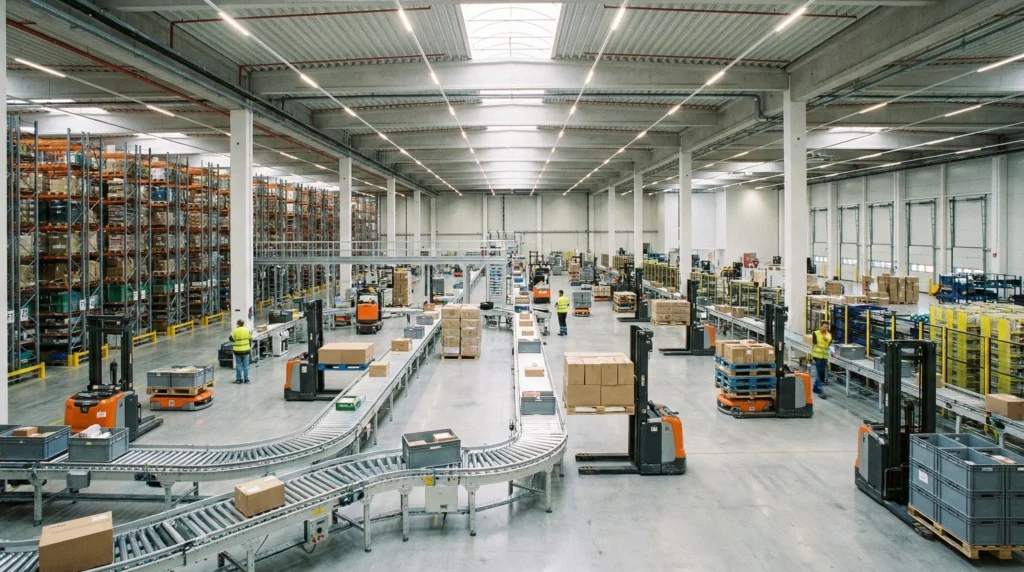
Bulk handling equipment is used for moving loose, granular, or liquid materials. Conveyors, bucket elevators, and hoppers fall into this group. In a warehouse setting, belt conveyors and roller conveyors are frequently used for transporting cartons and pallets along fixed paths, while screw conveyors handle powders and grains. These systems reduce manual labor and ensure a continuous flow of goods.
3. Industrial Trucks and Forklifts
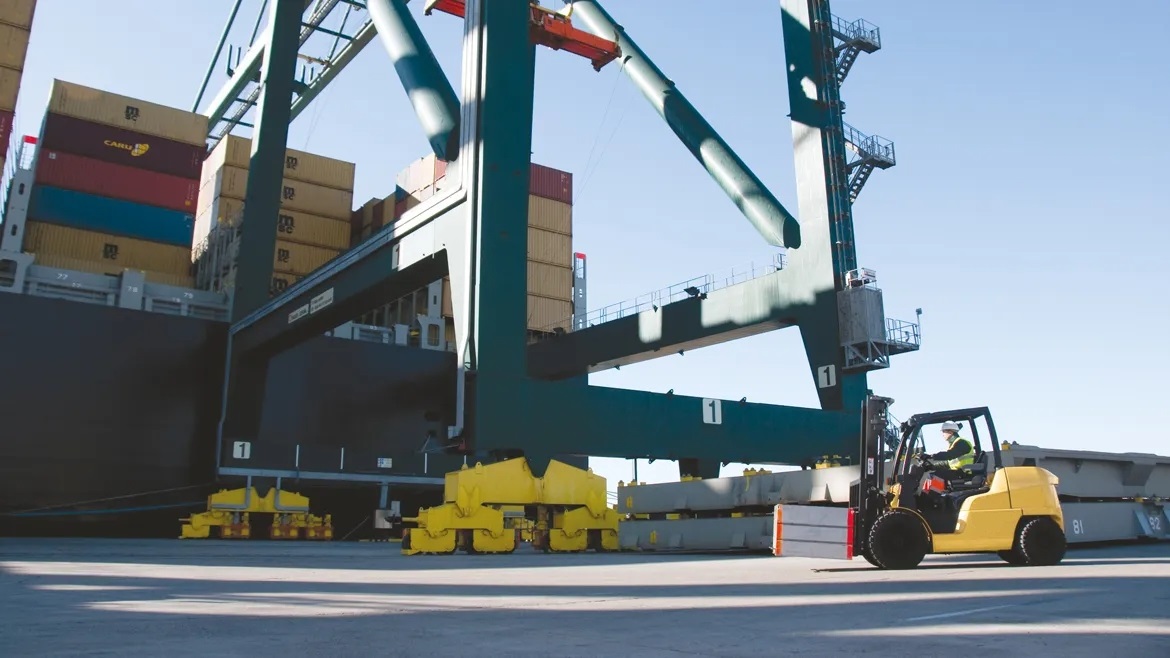
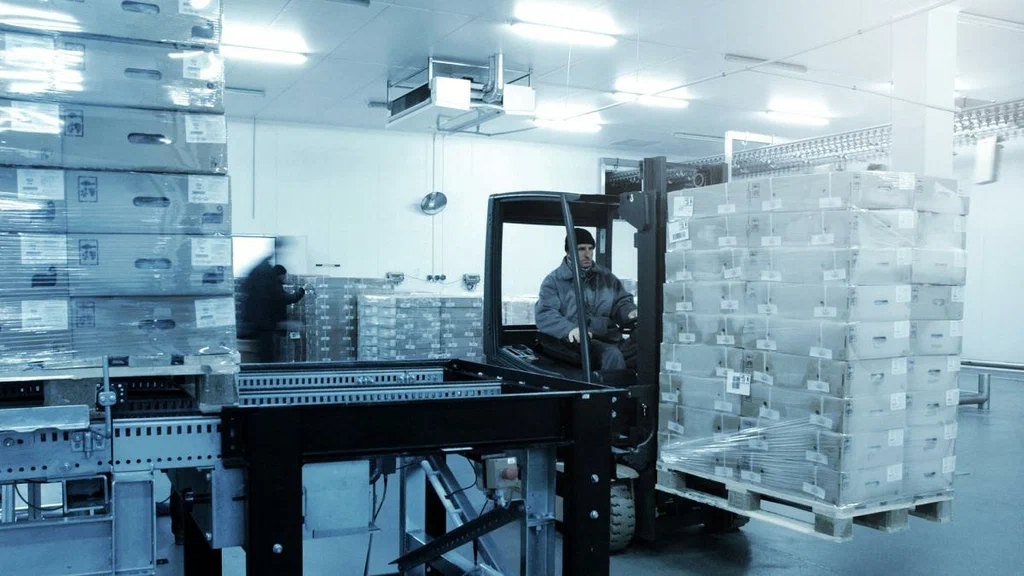
Industrial trucks are the most visible type of equipment in any warehouse. They include pallet jacks, walkie stackers, and counterbalanced forklifts. A key innovation in this category is the electric and lithium-ion powered forklift. For instance, the Liftron DL SERIES offers rapid charging and zero emissions, making it ideal for indoor operations where air quality and uptime matter. These forklifts can lift loads ranging from 1.5 to 5 tons, effectively handling standard pallets and specialized attachments like clamps and rotators.
4. Automated Guided Vehicles (AGVs) and Robotics
Automation is transforming warehouse material handling. AGVs follow predefined paths using magnetic strips or sensors, while autonomous mobile robots (AMRs) navigate dynamically using LiDAR and cameras. These systems are perfect for repetitive tasks like picking, transporting, and sorting. They work alongside human operators, increasing throughput without sacrificing flexibility.
5. Dock Equipment
Loading docks require specialized equipment to bridge the gap between the warehouse and trucks. Dock levelers, dock lifts, and trailer restraints fall into this group. Proper dock equipment minimizes the risk of accidents and speeds up the loading/unloading process, often integrating with conveyor systems for seamless flow.
Critical Factors for Selecting Material Handling Equipment
Choosing the right equipment is not a one-size-fits-all decision. Several operational variables must be considered to avoid bottlenecks and unnecessary capital expenditure. The table below outlines the primary selection criteria and their impact on warehouse performance.
| Selection Factor | Impact on Operations | Typical Equipment Solution |
|---|---|---|
| Load Capacity & Weight | Determines structural integrity and safety limits | Counterbalanced forklifts, heavy-duty pallet jacks |
| Aisle Width & Vertical Clearance | Affects maneuverability and storage density | Narrow aisle reach trucks, VNA (very narrow aisle) turret trucks |
| Operational Environment (indoor/outdoor) | Influences power source and tire type | Lithium-ion electric trucks for indoor; diesel/LPG for outdoor |
| Throughput & Shift Hours | Dictates battery runtime and charging infrastructure | Opportunity charging with the Liftron DL SERIES |
| Ergonomics & Safety | Reduces worker fatigue and injury rates | Powered pallet trucks with anti-slip handles |
Benefits of Investing in Modern Material Handling Equipment
Upgrading from manual handling to mechanized or automated solutions yields measurable benefits that go beyond simple labor savings. These include:
- Increased Productivity: Equipment like conveyors and forklifts reduce cycle times by up to 40% compared to manual cart pushing.
- Enhanced Safety: Properly selected machinery minimizes musculoskeletal injuries and collision incidents, significantly lowering workers’ compensation costs.
- Optimized Space Utilization: High-density racking and turret trucks allow warehouses to store more units per square foot without expanding the building footprint.
- Improved Inventory Accuracy: Automated systems integrated with WMS (warehouse management systems) ensure real-time tracking, reducing picking errors.
- Sustainability: Electric and lithium-ion powered equipment, such as those offered by Liftron Material Handling, produce zero emissions and lower noise levels, supporting green logistics initiatives.
The Rise of Lithium-Ion Technology in Forklifts
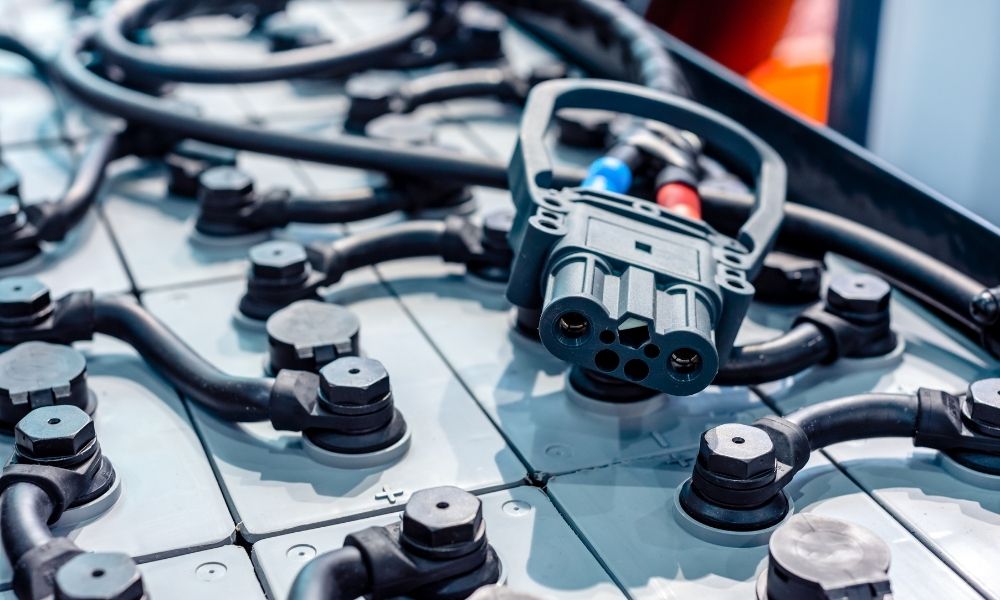
One of the most significant shifts in warehouse equipment is the transition from lead-acid batteries to lithium-ion power. Traditional batteries require dedicated charging rooms, water refilling, and lengthy cool-down periods. In contrast, lithium-ion batteries charge in about one to two hours and support opportunity charging without damaging the battery. This means a single forklift can operate across multiple shifts, eliminating the need for battery swapping.
The Liftron DL SERIES exemplifies this innovation, offering integrated BMS (battery management systems) that protect against overcharging, overheating, and deep discharge. With a lifespan exceeding 3000 cycles, these forklifts reduce total cost of ownership by nearly 30% compared to conventional models. Their compact design also improves visibility for the operator, enhancing safety in congested aisles.
Future Trends in Warehouse Material Handling
Looking ahead, the industry is moving towards fully connected ecosystems. The Internet of Things (IoT) enables predictive maintenance, where sensors on forklifts and conveyors notify managers of wear before a breakdown occurs. Meanwhile, warehouse execution systems (WES) synchronize all equipment in real time, creating a synchronized ballet of machines and humans.
Another trend is the use of exoskeletons for manual lifting, reducing strain during order picking. Additionally, 5G connectivity and computer vision allow for remote operation of forklifts, enabling a single operator to control multiple machines from a central station. These advancements promise a future where material handling equipment becomes smarter, safer, and more adaptive to fluctuating demand.
Maintenance Best Practices for Longevity
To maximize the return on investment, a preventive maintenance schedule is non-negotiable. Daily inspections should cover tire pressure, hydraulic fluid levels, and emergency brakes. Weekly checks should verify mast alignment and fork condition. For lithium-ion equipment, software updates are crucial to optimize battery performance. Partnering with a reliable supplier like Liftron Material Handling ensures access to genuine spare parts and certified service technicians, minimizing unplanned downtime.
Moreover, operator training is a cost-effective way to extend equipment life. Well-trained operators handle loads within rated capacity, avoid abrupt stops, and report minor issues before they escalate. Investing in continuous education directly correlates with reduced repair frequency and smoother warehouse operations.
In summary, material handling equipment is the muscular and nervous system of any warehouse. By carefully selecting the right mix of storage, transport, and automation technologies, logistics managers can achieve significant gains in speed, accuracy, and worker satisfaction. With advanced options like lithium-ion forklifts from reputable manufacturers, modern warehouses are well-positioned to meet the challenges of e-commerce growth and same-day delivery expectations.


Add a review
Your email address will not be published. Required fields are marked *