
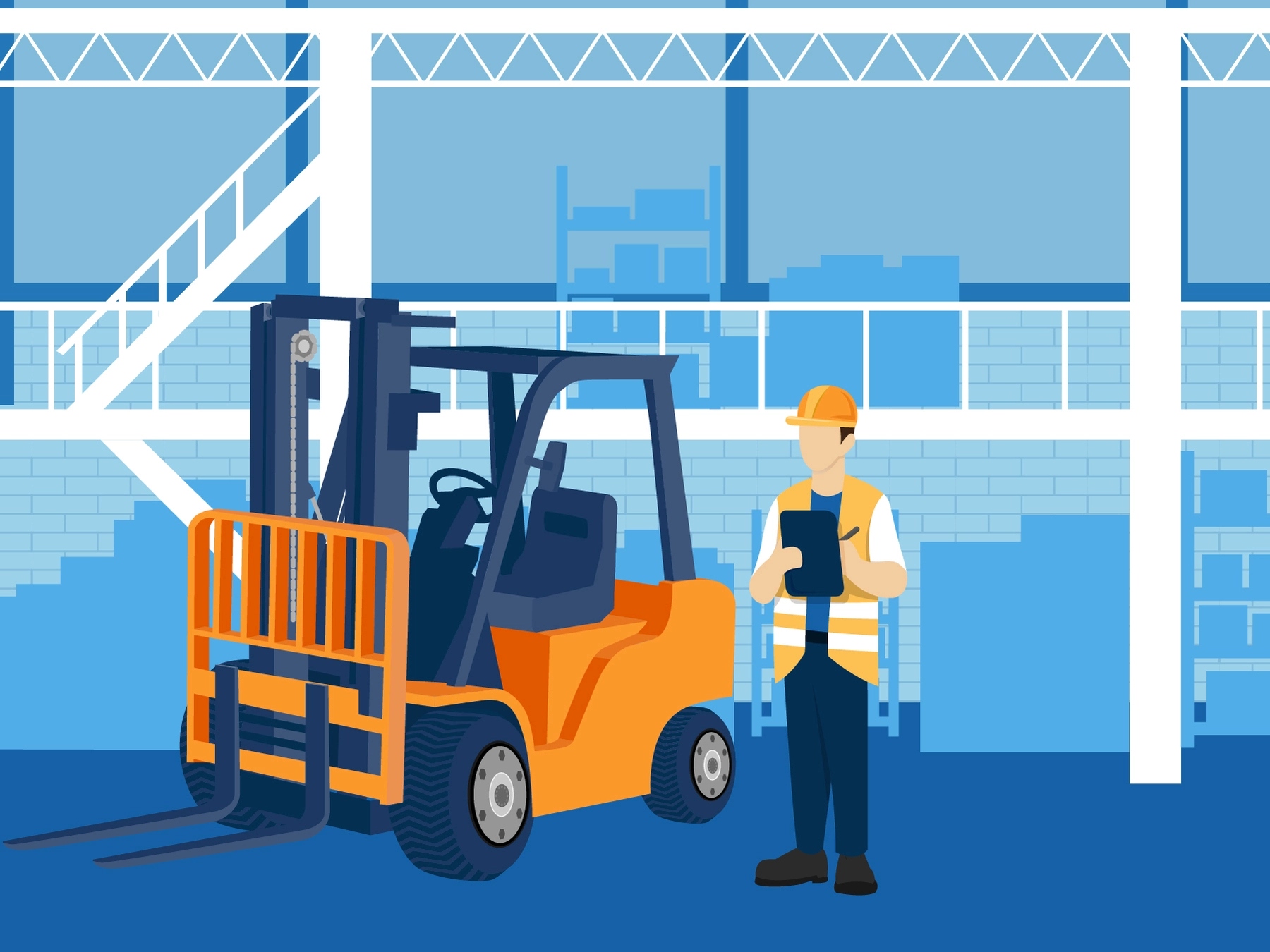
Are special forklifts required to operate in hazardous area
Yes, special forklifts are required in hazardous areas due to the risk of fire or explosion from flammable gases, vapors, dust, or fibers. Standard forklifts can ignite these substances, making explosion-proof or protected units essential. Liftron Material Handling offers specialized solutions for such environments.
Understanding Hazardous Area Classifications
Hazardous locations are defined by international standards like NEC (Classes I, II, III) and ATEX/IECEx (Zones 0, 1, 2, 20, 21, 22). These classifications determine the level of protection needed for equipment such as forklifts.
- Class I / Zone 0,1,2: Areas with flammable gases or vapors (e.g., chemical plants, oil refineries).
- Class II / Zone 20,21,22: Areas with combustible dust (e.g., grain elevators, flour mills).
- Class III: Areas with easily ignitable fibers (e.g., textile mills).
Types of Forklifts for Hazardous Areas
Specialized forklifts are designed with features that prevent ignition. The main types include:
Explosion-Proof Forklifts
These forklifts are fully sealed and built with non-sparking components. They meet strict standards like ATEX II 2G IIB T4 for gas environments. All electrical systems are enclosed, and hot surfaces are eliminated.
Intrinsically Safe Forklifts
Intrinsically safe designs limit electrical and thermal energy to levels insufficient to cause ignition. They are often used in Zone 1 and Zone 2 areas.
Protected Forklifts
Some forklifts use flameproof enclosures or increased safety measures. The Liftron DL SERIES integrates advanced lithium-ion batteries with safety features that reduce sparks and thermal risks, making them suitable for certain low-hazard zones.
Key Features of Hazardous Area Forklifts
- Non-sparking engines or electric motors
- Flameproof enclosures for electrical components
- Temperature control to avoid hot surfaces
- Anti-static tires and grounding
- Special coating to prevent dust accumulation
Gas vs. Electric Forklifts in Hazardous Zones
| Forklift Type | Suitability | Key Considerations |
|---|---|---|
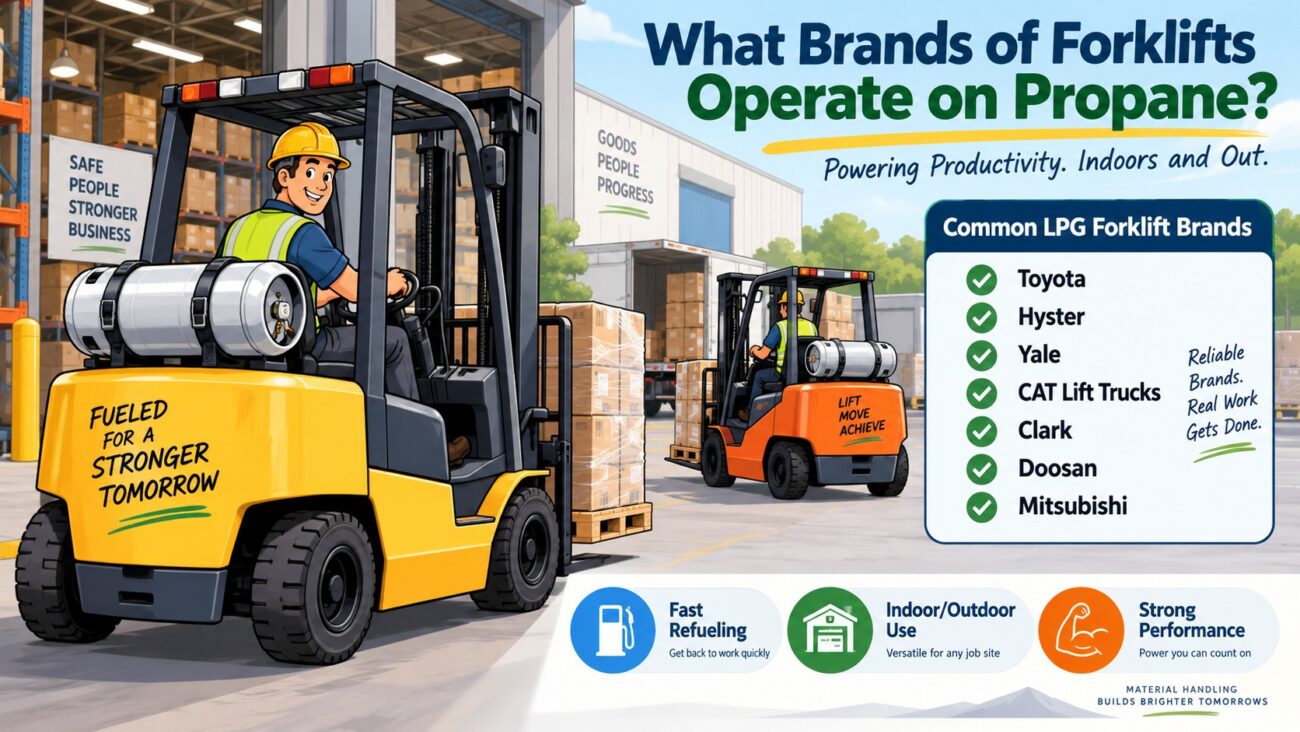
| Internal Combustion (LPG/Diesel) | Generally not allowed in high-risk zones | Requires extensive modification; often prohibited. |
| Electric (Battery) | Preferred for indoor hazardous areas | Must be explosion-proof. Lithium-ion models like the Liftron DL SERIES offer reduced spark risk. |
| Pneumatic Combustion | Rarely used; requires special certification | Only for well-ventilated zones. |
Regulatory Compliance and Certification
Operators must ensure forklifts carry appropriate markings: ATEX for Europe, IECEx for international, and UL/CSA for North America. Certification labels indicate the specific zone and gas group the forklift can handle. Liftron Material Handling provides units with clear documentation to meet global safety standards.
Benefits of Using Specialized Forklifts
- Prevents catastrophic accidents
- Complies with legal safety requirements
- Reduces insurance liabilities
- Improves operational reliability in harsh conditions
- Enhances worker safety confidence
Common Applications
These forklifts are vital in industries such as:
- Oil and gas refineries
- Chemical manufacturing and storage
- Pharmaceutical plants
- Grain handling and food processing
- Paint and solvent production
- Mining operations
Selecting the Right Hazardous Area Forklift
When choosing a forklift, consider the zone classification, the specific type of flammable material present, and the required lifting capacity. The Liftron DL SERIES combines explosion protection with energy efficiency, offering a modern solution for warehouses and factories with moderate hazards.
Maintenance and Inspection
Specialized forklifts require rigorous maintenance schedules. Regular checks on seals, enclosures, and electrical systems are mandatory. Any modification to the forklift must be approved by the certification body to maintain safety compliance.
Conclusion
Operating standard forklifts in hazardous areas is illegal and dangerous. Specialized equipment, such as explosion-proof or intrinsically safe models, is essential for compliance and safety. With innovations like the Liftron DL SERIES from Liftron Material Handling, businesses can achieve both productivity and protection in volatile environments.
Add a review
Your email address will not be published. Required fields are marked *