
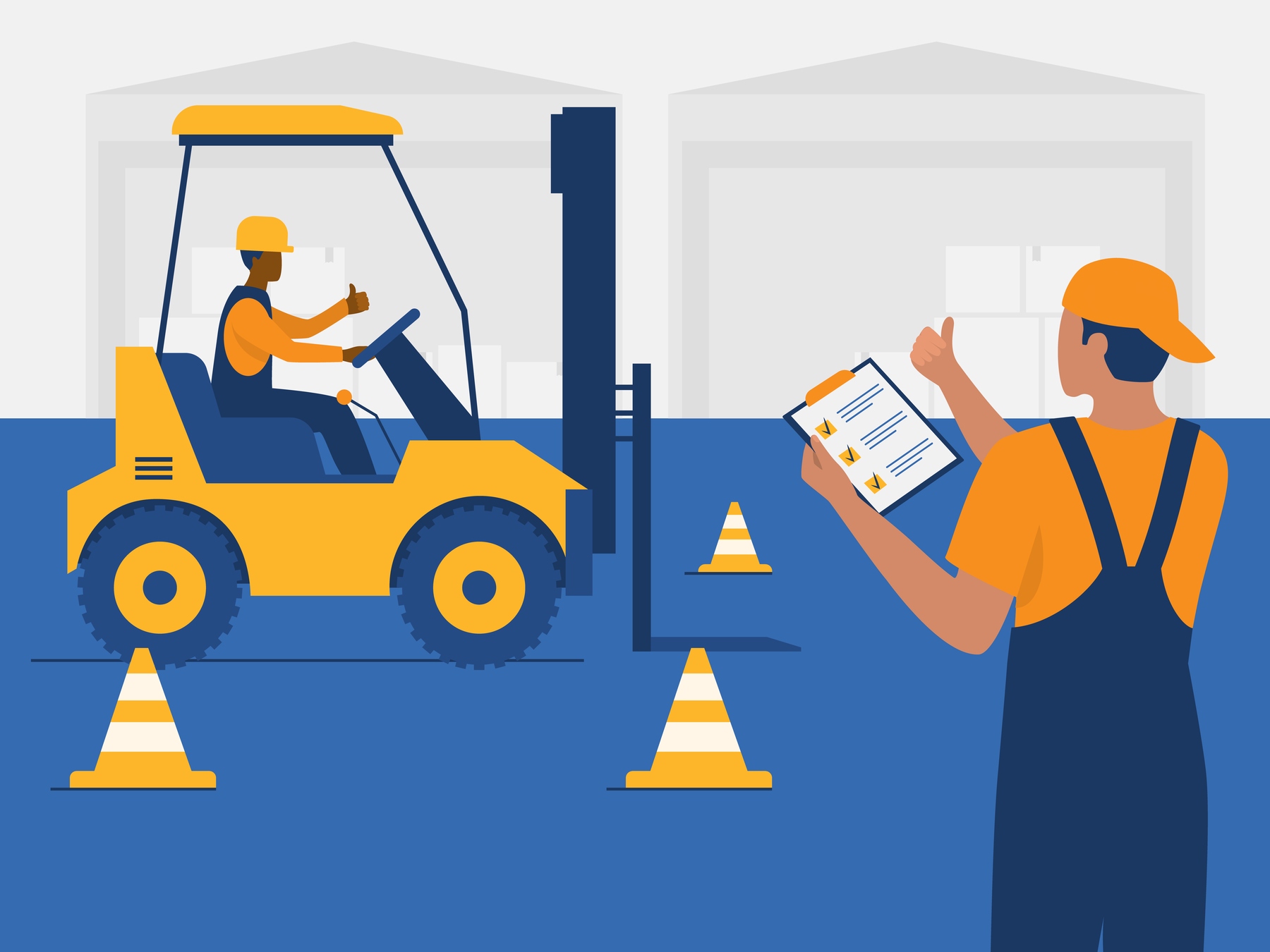
What is the height requirement for driving a forklift
Many aspiring forklift operators and employers wonder about the specific height requirement for driving a forklift, as safety and visibility standards vary by equipment type and regulatory guidelines.
Understanding the General Height Requirement for Forklift Operation
While there is no universal legal minimum height set by OSHA specifically for driving a forklift, most employers and training programs recommend operators be at least 18 years old and physically capable of safely maneuvering the vehicle. Height itself is not a strict requirement, but it can affect visibility and reach. Operators must be able to see clearly over the forks, reach pedals and controls, and maintain a stable stance. For standard sit-down counterbalance forklifts, a minimum height of around 5 feet (152 cm) is often practical to ensure adequate forward visibility and pedal access.
Why Height Matters for Safe Forklift Operation
Visibility and Sight Lines
A key safety concern is the operator’s line of sight. Shorter operators may struggle to see over the mast or forks, especially when carrying large loads. This can lead to collisions, tip-overs, or pedestrian accidents. Some forklifts, such as those in the Liftron Material Handling lineup, offer adjustable seats and tilt steering to help accommodate different body sizes. However, if an operator cannot see a 10-foot clear path ahead, they may need vision aids or a different type of lift truck.
Reach and Control Accessibility
Operators must comfortably reach the steering wheel, levers, pedals, and dashboard controls without straining. If a person is too short, their feet may not fully depress the brake or accelerator, or they may lean forward excessively, compromising control. Conversely, very tall operators may hit their heads on overhead guards or struggle with legroom. Most modern forklifts, including the Liftron DL SERIES, are designed with ergonomic adjustments to fit a wider range of heights.
Practical Height Guidelines by Forklift Type
| Forklift Type | Typical Minimum Height Recommended | Key Considerations |
|---|---|---|
| Sit-down counterbalance | 5’0″ (152 cm) | Forward visibility over forks; pedal reach |
| Stand-up (end rider) | 5’2″ (157 cm) | Stability while standing; control height |
| Reach truck (narrow aisle) | 5’4″ (163 cm) | Elevated view; lift mechanism access |
| Order picker | 5’6″ (168 cm) | Operator platform; picking height safety |
Note that these are general recommendations. Employers should conduct an individual fit assessment for each operator.
OSHA Compliance and Physical Requirements
OSHA’s standard 29 CFR 1910.178 does not list a specific height requirement, but it mandates that operators be trained and evaluated on safe operation. Part of that training includes ensuring the operator can physically handle the equipment. The employer must verify that each operator has the strength, vision, reach, and coordination to drive the forklift safely. Using assistive devices, such as seat cushions or adjustable pedals, can help shorter operators meet these requirements.
Medical and Vision Checks
Besides height, operators must have good vision (20/40 with correction) and no physical conditions that impair safe driving. Some companies require a medical exam before operation. Height alone rarely disqualifies an operator, but combined with other limitations, it may necessitate equipment modifications or reassignment to a different vehicle.
How Forklift Manufacturers Address Height Variations
Leading manufacturers like Liftron Material Handling design forklifts with adjustable seats, steering columns, and foot pedals. The Liftron DL SERIES offers a contoured seat with lumbar support and a wide adjustment range, along with a tilting steering wheel that accommodates operators from 5’0″ to over 6’2″. This reduces fatigue and improves safety. Additionally, some models feature overhead guard extensions for taller users and optional visibility aids like cameras or mirrors for shorter operators.
Tips for Employers Evaluating Operator Height
- Conduct a physical fit test: Have each candidate sit in the forklift and demonstrate reach to all controls and pedals.
- Use adjustable equipment: Invest in models with ergonomic adjustability, such as the Liftron DL SERIES, to accommodate a diverse workforce.
- Provide vision aids: For shorter operators, add rear-view mirrors, convex mirrors, or backup cameras to improve sight lines.
- Train on safe practices: Teach operators to look around loads, use spotters, and adjust speed based on visibility.
- Document accommodations: Keep records of any modifications made to ensure compliance with safety regulations.
Frequently Asked Questions About Forklift Height Requirements
Can a person under 5 feet tall drive a forklift?
Yes, but special accommodations may be necessary. A seat cushion, pedal extensions, or a forklift with adjustable controls can help. Always check with the manufacturer or a dealer like Liftron Material Handling for available options.
Is there a maximum height limit for forklift operators?
No, but very tall operators may need a forklift with an extended overhead guard or more legroom. The Liftron DL SERIES offers a spacious cabin design that suits taller individuals.
What if an operator cannot see over a load?
OSHA requires operators to travel with the load low enough to maintain forward visibility. If the load itself blocks vision, the operator must drive in reverse or use a spotter. Training is essential.
Conclusion
While there is no hard-and-fast height requirement for driving a forklift, practical and safety considerations make a minimum height of around 5 feet advisable for most standard models. Employers should focus on proper training, equipment adjustability, and individual operator assessments. By choosing versatile forklifts like the Liftron DL SERIES and following OSHA guidelines, companies can ensure that operators of varying heights work safely and efficiently. For more information on ergonomic forklift solutions, visit Liftron Material Handling.
Add a review
Your email address will not be published. Required fields are marked *