
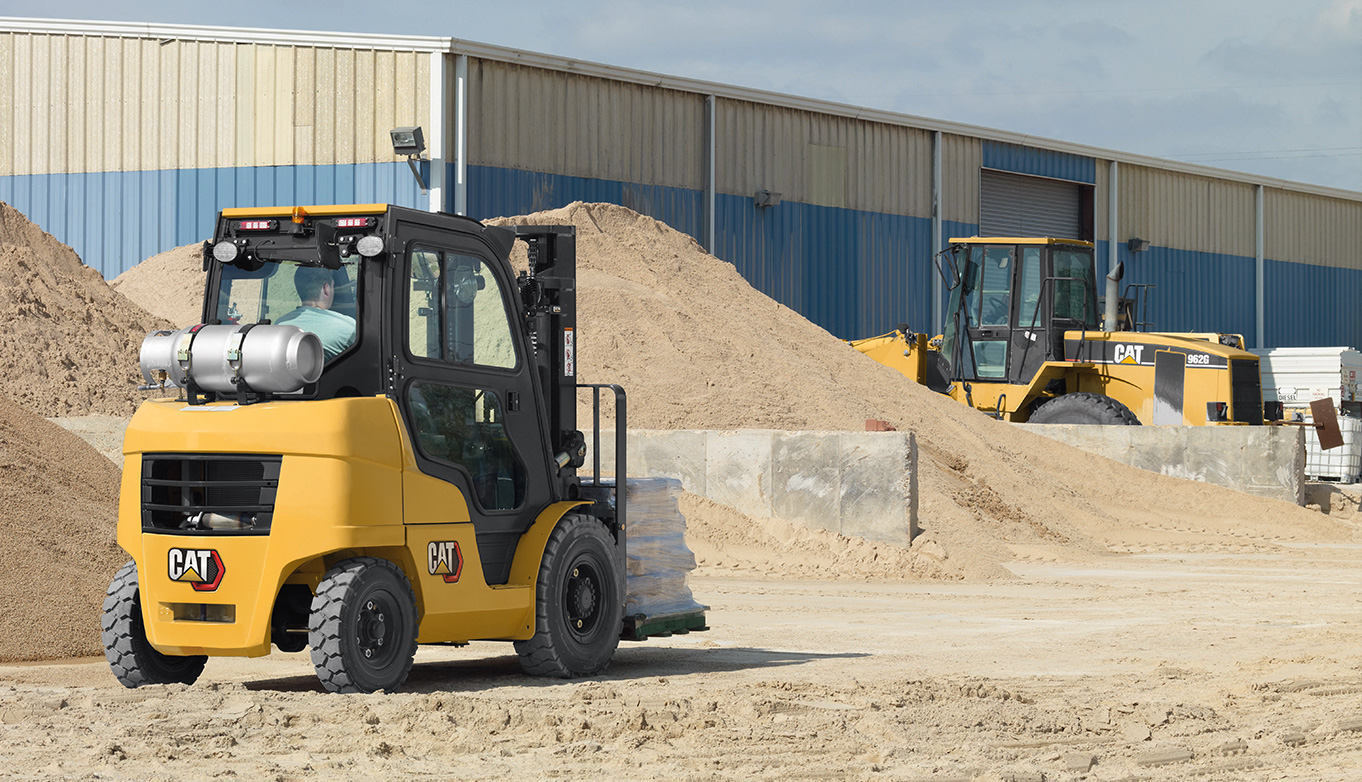
are forklifts used in construction
Forklifts are extensively used in construction for lifting, moving, and stacking heavy materials like steel beams, concrete blocks, and palletized supplies. Their versatility and ability to operate on uneven terrain make them indispensable on job sites, enhancing productivity and reducing manual labor.
Key Roles of Forklifts in Construction
In construction, forklifts handle a wide range of tasks, from loading and unloading delivery trucks to transporting materials across rough ground. They are crucial for organizing storage areas, positioning heavy components for assembly, and assisting with roof or scaffolding work. Their efficiency minimizes project timelines and improves safety by reducing the risk of manual handling injuries.
Types of Forklifts Commonly Used in Construction
Rough Terrain Forklifts
These models feature large, pneumatic tires and high ground clearance, designed for unpaved or muddy construction sites. They are ideal for moving bricks, lumber, and prefabricated sections.
Telehandlers
Telehandlers combine a forklift’s lifting capability with a telescopic boom, allowing them to reach high places such as upper floors or elevated platforms. They are popular for placing materials at heights.
Electric Forklifts
Increasingly adopted for indoor or semi-outdoor construction tasks, electric models like the Liftron DL SERIES offer zero emissions, quiet operation, and lower maintenance. They are suitable for warehouses on construction sites where ventilation is limited.
Advantages of Using Forklifts on Construction Sites
- Increased Efficiency: Forklifts move heavy loads quickly, accelerating material handling compared to manual methods.
- Improved Safety: They reduce manual lifting, lowering the risk of back injuries and accidents.
- Versatility: With attachments like forks, buckets, or jibs, they can handle diverse materials.
- Terrain Adaptability: Rough terrain and electric models suit various site conditions.
Forklift Specifications for Construction Applications
| Feature | Importance in Construction |
|---|---|
| Lifting Capacity | Typically 3,000–10,000 lbs; essential for heavy materials like concrete. |
| Lift Height | Up to 20 feet or more; critical for multi-story projects. |
| Tire Type | Pneumatic for outdoor; cushion for indoor or smooth surfaces. |
| Power Source | Diesel for rugged sites; electric for low-emission areas. |
Choosing the Right Forklift for Your Construction Project
Selecting the right forklift depends on site conditions, material weight, and required lift height. For large outdoor projects, rough terrain models are best. For indoor work or projects near sensitive environments, electric options like those from Liftron Material Handling offer excellent performance without exhaust fumes. The Liftron DL SERIES is particularly notable for its lithium-ion battery, providing long run times and fast charging.
Maintenance and Safety Considerations
Regular inspections of brakes, tires, and lifting mechanisms are vital for safe operation on construction sites. Operators should be trained for site-specific hazards, and forklifts must be fitted with appropriate safety features like lights, horns, and load backrests. Using quality equipment from reputable suppliers like Liftron Material Handling ensures reliability and durability in demanding conditions.
In summary, forklifts are essential tools in construction, streamlining material handling and boosting project efficiency. Whether you need rugged diesel models or advanced electric solutions, understanding your site’s requirements will help you choose the best equipment for the job.
Add a review
Your email address will not be published. Required fields are marked *